
Devon Rex Breed Guide
Quick Summary
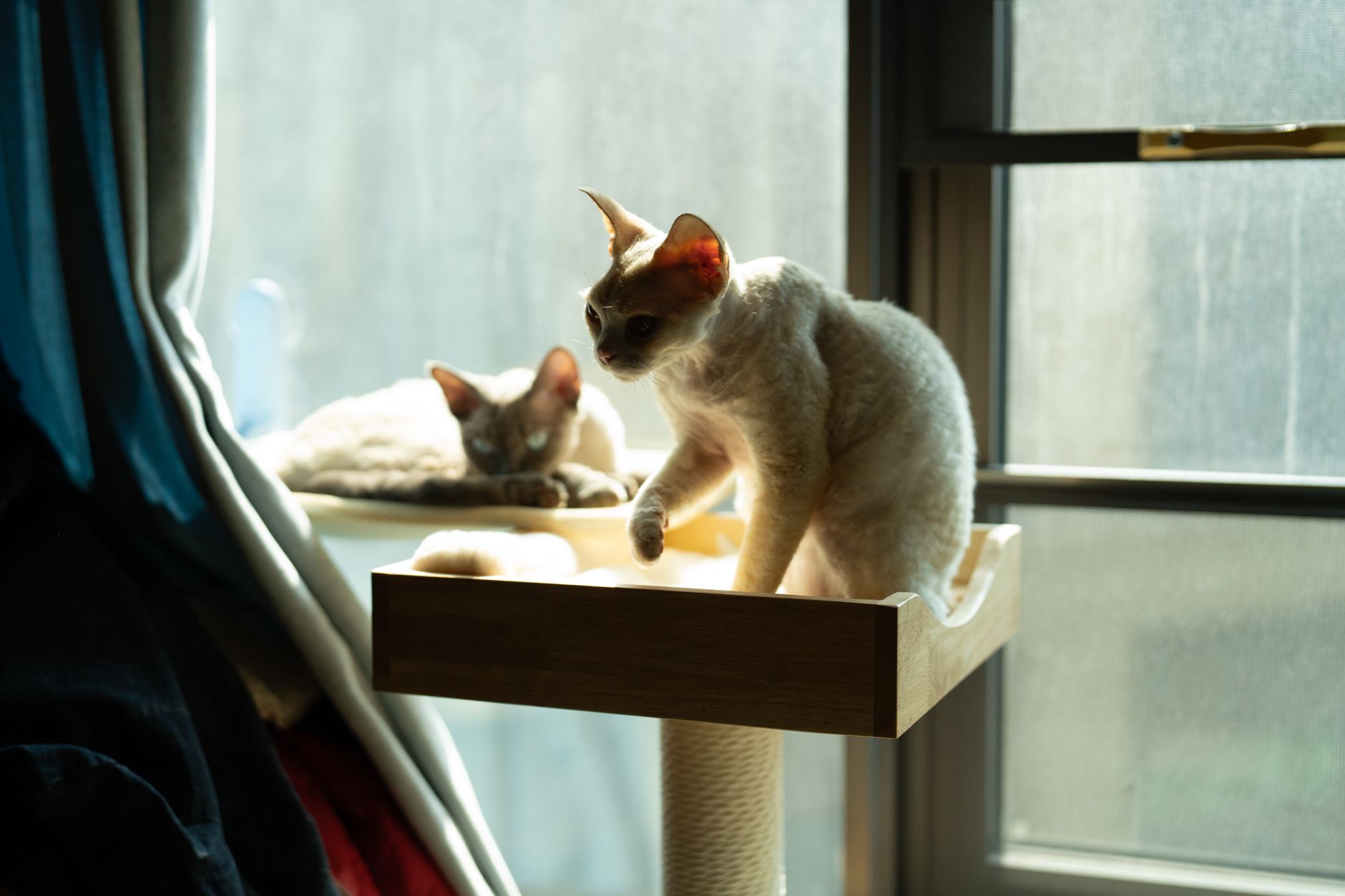
The Devon Rex is a highly social, mischievous, and remarkably affectionate breed, famous for its oversized ears, expressive eyes, and unique rippled coat. Often called ‘monkeys in cat suits,’ they thrive in active households where they can be involved in every family activity, though their delicate coats and high-energy needs require specific, attentive care.
Quick Facts
- origin countryEngland
- breed groupRex
- sizeSmall to Medium
- weight range6 to 9 pounds
- height range10 to 12 inches
- lifespan9 to 15 years
- coat typeShort, fine, wavy/curly rex coat
- common colorsAll colors and patterns including pointed, solid, tabby, and bi-color
- other namesPixie cat, Alien cat, Poodle cat
- recognized byCFA, TICA, FIFe, GCCF
Caring for a Devon Rex
Living with a Devon Rex is like sharing your home with a tiny, warm, acrobatic toddler. They are incredibly heat-seeking creatures, so expect them to live on your shoulders, under your covers, or draped over your computer monitor. I have found that their energetic curiosity means you must actively Devon-proof your home by securing loose items and keeping food tightly covered. Because they lack a standard insulating coat, they feel wonderfully warm to the touch but are highly sensitive to cold drafts and sunburn.
Is a Devon Rex a good family pet?
Absolutely, they thrive in bustling environments and adore the company of respectful children who will play with them. In my experience, they match the high energy of kids perfectly and rarely hide away when family action starts.
Do Devon Rexs shed a lot?
They shed very minimally compared to other breeds, but they are not entirely hypoallergenic. Their fragile, wavy hair can break easily if brushed too hard, so they leave very little trace on your furniture.
Is a Devon Rex good for first-time owners?
They can be, provided you are prepared for a high-intensity, needy cat that demands constant interaction. If you want a quiet, hands-off lap ornament, this is definitely not the breed for you.
Temperament & Personality
The Devon’s temperament is a dazzling mix of cat, dog, and monkey. They are notoriously food-motivated, shockingly agile jumpers, and possess an intense desire to be physically touching their humans at all times. I always tell owners to expect a shadow that follows them room to room, purring loudly and chirping with excitement. They do not just tolerate human interaction; they demand it as a vital part of their daily existence.
Is a Devon Rex good with other pets?
Yes, they are exceptionally social and generally hate being alone, making them excellent companions for other cats and friendly dogs. I highly recommend keeping them in pairs or with a dog companion if you work away from home.
How much attention does a Devon Rex need?
They need an immense amount of attention and will become visibly depressed or destructive if ignored. They are best suited for households where someone is home most of the day or where they have active animal playmates.
Training & Behavior
Training a Devon Rex is incredibly rewarding because they are highly intelligent and intensely food-motivated. I have successfully trained Devons to fetch small toys, sit on cue, and walk on a harness using positive reinforcement techniques. However, their smarts can work against you; they will quickly figure out how to open cupboards, unpack your groceries, or swipe food from your plate if you do not keep them mentally stimulated.
Training Tips
- Use high-value, healthy treats like freeze-dried chicken
- Keep training sessions short, under 5 minutes, to match their fast-paced minds
- Clicker training works wonders for redirecting unwanted counter-surfing behavior
- Teach a ‘go to your mat’ cue to keep them away from your dinner plate
Fun Activities
- Interactive fetch with crinkly balls
- Agility courses using couch cushions and tunnels
- Puzzle toy feeding challenges
- Harness and leash walking in quiet areas
- Learning hand-shake and spin tricks
Is a Devon Rex easy to train?
Yes, they are among the easiest cat breeds to train due to their dog-like focus and love of treats. The key is using positive reinforcement and making it feel like a fun game rather than a chore.
Devon Rex Health Issues
While generally robust, the Devon Rex has a few breed-specific genetic vulnerabilities that prospective owners must be aware of. Working closely with an ethical breeder who performs regular cardiac and genetic screening is vital for preventing life-altering conditions.
Hypertrophic Cardiomyopathy (HCM)
This is a hereditary heart condition where the heart muscle becomes abnormally thick, potentially leading to heart failure. Annual echocardiograms by a board-certified veterinary cardiologist are the gold standard for monitoring breeding cats.
Devon Rex Myopathy (Spasticity)
An inherited muscle weakness disorder specific to the breed, typically manifesting between 3 weeks and 6 months of age, which affects their ability to walk and swallow.
Patellar Luxation
A genetic condition where the kneecap slips out of its normal anatomical groove, which can cause temporary limping or lead to arthritis over time.
Malassezia Dermatitis
A yeast infection of the skin and ears that thrives in the oily environment of a Devon’s sparse coat, causing itching, redness, and inflammation.
Hereditary Hypotrichosis
A genetic condition causing abnormal hair loss or sparse coat development, leaving the skin particularly vulnerable to sunburn and cold temperatures.
How long do Devon Rexs typically live?
With proper nutrition, indoor living, and regular veterinary care, a Devon Rex typically lives between 9 and 15 years, with many reaching 16 or 17 when kept in optimal health.
What to Feed a Devon Rex
Devon Rexes have an incredibly high metabolic rate because they are constantly on the move and lose body heat quickly due to their thin coats. They are notorious food thieves and will eat almost anything, meaning you must manage their caloric intake to prevent obesity while fueling their high energy.
Best Diet
I recommend a high-quality, protein-rich diet that blends moisture-rich wet food with high-protein dry kibble. Formulations with added omega fatty acids are highly beneficial to support their unique skin and coat health.
How to Feed
Feed them on a strict, scheduled routine—usually 2 to 3 measured meals a day—rather than leaving food out continuously. Free-feeding almost always leads to an overweight Devon because they lack a natural ‘stop’ switch when food is present.
How Much to Feed
Portions should be calculated based on their weight and activity level, typically around 200 to 250 calories per day for an active 8-pound adult. Always consult your vet to tailor these portions to your specific cat’s metabolic needs.
Nutritional Tips
Always use slow-feeders or puzzle toys to slow down their eating, as they tend to inhale their food too quickly. Ensure fresh water is always available, ideally using a pet fountain to encourage drinking.
Devon Rex Grooming Guide
Grooming a Devon Rex is quite different from caring for a typical cat, as their delicate, wavy coats require a very gentle touch. While they do not mat, their skin produces oils that are not fully absorbed by their sparse hair, meaning they need regular, specialized hygiene maintenance.
Coat Care
Avoid harsh brushing, which can easily snap or pull out their delicate guard hairs. Instead, gently wipe their coat with a damp washcloth or chamois cloth once a week to distribute natural oils and keep them clean.
Skin Care
Because they lack a full coat, sebum can build up on their skin, requiring a gentle bath with a mild, vet-approved cat shampoo every few weeks to prevent yeast infections.
Eye Care
They may occasionally develop mild tear staining or discharge due to their large eyes, which can be gently wiped away daily with a warm, damp cotton ball.
Ear Care
Their massive ears collect dirt, wax, and skin oils rapidly, making them highly prone to yeast infections. Clean them weekly with a gentle, vet-recommended ear-cleaning solution and a cotton ball.
Nail & Dental Care
Clip their nails every 10-14 days, making sure to clean the greasy black buildup that often accumulates around their nail sheaths. Brush their teeth daily with cat-safe toothpaste to prevent periodontal disease.
Considerations for Pet Parents
Pros
- Extremely affectionate and thrives on human contact
- Very low shedding and minimal coat grooming needed
- Highly intelligent, trainable, and loves playing fetch
- Great with children, dogs, and other companion cats
- Playful, kitten-like personality that lasts into senior years
- Unique, striking, and beautiful elfin appearance
Cons
- Highly prone to separation anxiety if left alone
- Oily skin and ears require regular bathing and cleaning
- Notoriously food-obsessed and will steal meals
- Sensitive to cold and highly prone to sunburn
- Can be demanding, loud, and constantly seek attention
Best For
Active families, work-from-home professionals, or multi-pet households who want a highly interactive, dog-like feline companion and have the time to devote to intensive daily play and grooming upkeep.
Not Recommended For
Busy individuals who are away from home for long hours daily, or those seeking a quiet, independent, hands-off pet who will peacefully lounge on a windowsill all day.
Cost
- purchase price$1,500 to $3,000 USD
- monthly cost$100 to $180 USD
- initial setupInitial setup costs, including high-quality food, heated cat beds, scratching posts, toys, and veterinary spay/neuter or microchipping, typically range from $600 to $1,200.
Similar Breeds
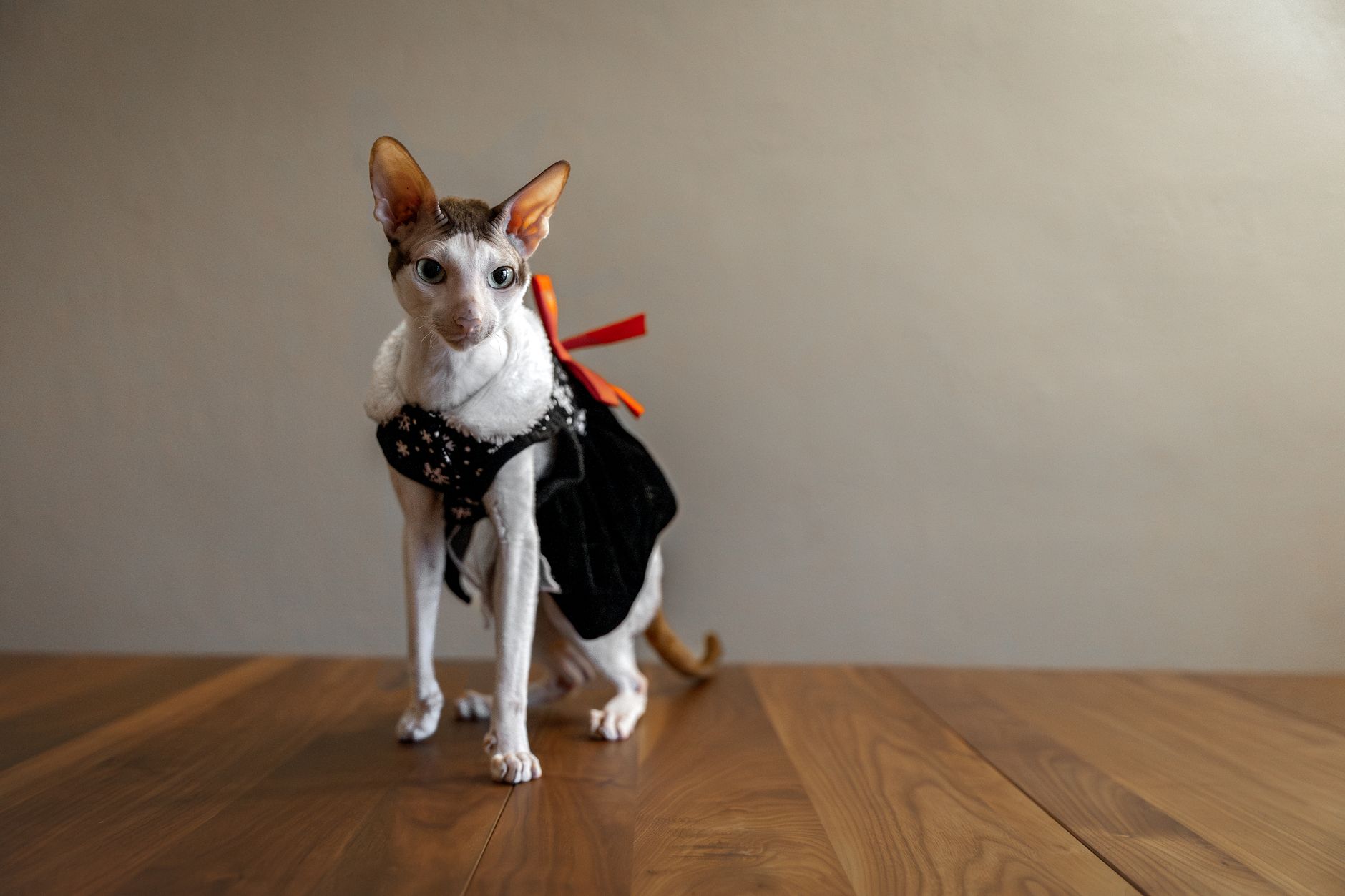
Cornish Rex

Sphynx
Devon Rex FAQs
Are Devon Rex cats hypoallergenic?
No cat is truly hypoallergenic, but Devons shed very little and produce less airborne dander than many other breeds. However, they still produce the Fel d 1 protein in their saliva and skin oils, which can trigger allergies in sensitive individuals.
Why do Devon Rex cats feel so warm?
Because their coats are so thin and fine, they do not have the normal thermal barrier that other cats possess. When you touch them, you are feeling their actual body temperature radiating directly through their sparse fur.
Do Devon Rex cats need sweaters?
Yes, they absolutely do during cooler seasons or in drafty homes. If you are feeling chilly enough to wear a sweater, your Devon Rex likely needs one too, though you must wash the sweaters regularly to prevent body oils from building up on their skin.
Do Devon Rex cats have whiskers?
Yes, but their whiskers are usually short, sparse, and curly or crinkled, matching their coat texture. They can also break off easily, which is completely normal for this breed and not a cause for alarm.
Why is my Devon Rex losing hair?
Devons go through phases of coat changes, and temporary balding or thinning can occur during hormone shifts, seasonal changes, or stress. However, if you notice scabbing, redness, or intense itching alongside the hair loss, consult your vet to rule out yeast infections or allergies.
Are Devon Rex cats loud?
No, they are generally not loud yawlers like Siamese cats, but they are quiet, communicative chirpers. They will use soft, trilling sounds and quiet meows to hold conversations with you, especially when food is involved.
Do Devon Rex cats jump high?
Yes, they are phenomenal jumpers with incredibly powerful hind legs. I have seen them effortlessly leap from the floor to the top of a refrigerator, so providing tall, stable cat trees is highly recommended.
How often should I bathe my Devon Rex?
Usually, a bath every 4 to 8 weeks is sufficient to manage the oily buildup on their skin, though some individuals may require more frequent bathing. Over-bathing can dry out their skin, so always use a mild, oatmeal-based, or soap-free cat shampoo.
Why are their ears so dirty?
Their massive, open ears lack protective hair inside the canal, allowing dirt and environmental dust to mix with their natural skin oils. This creates a dark, greasy discharge that must be cleaned regularly to prevent painful infections.
Can Devon Rex cats go outside?
I strongly advise keeping them strictly indoors. Their thin coats offer virtually no protection against sunburn, cold weather, or rain, and their trusting, highly curious nature makes them easy targets for predators or theft.
What is the difference between a Devon Rex and a Cornish Rex?
While both have curly coats, they have different genetic mutations. Cornish Rexes have a longer head, larger tucked-up arch to their back, and only have undercoat fur, whereas Devons have a shorter wedge-shaped head, low-set ears, and a coat containing guard, awn, and down hairs.
Why is my Devon Rex always trying to eat my food?
Devon Rexes have an intense, almost dog-like obsession with human food due to their high metabolism and curious nature. I recommend training them to stay off the table and never feeding them scraps, as this only reinforces their begging behaviors.
Is Devon Rex myopathy treatable?
Unfortunately, there is no cure for Devon Rex myopathy (spasticity). It is a genetic, progressive disease, but managing their environment, feeding them from raised bowls, and preventing stress can help maintain their quality of life. Always ensure your breeder screens for this gene.
Do they get along with dogs?
In my experience, they get along wonderfully with dog-friendly dogs. Their bold, playful, and highly social temperament means they often view dogs as large, warm pillows and excellent playmates.