
 Sphynx vs Devon Rex: Comparing Two Low-Shedding Cat Breeds” loading=”lazy”>
Quick Summary
While both the Sphynx and Devon Rex are celebrated for their low-shedding qualities, their daily care and physiological needs are vastly different. The hairless Sphynx requires intensive, weekly bathing to manage heavy skin oils, while the Devon Rex has a fragile, wavy coat that must be handled with extreme gentleness. Dr. Veronica Heller compares their genetics, grooming demands, and unique health profiles to help you choose the right companion.
In my fifteen years of veterinary practice, I have witnessed a massive surge in the popularity of unique, low-shedding cat breeds. Clients often walk into my clinic asking if a hairless or curly-coated cat is the magic solution to their household allergies.
The two breeds that dominate these conversations are the striking Sphynx and the elf-like Devon Rex. While they share some superficial similarities, their physiological, nutritional, and grooming needs are night and day.
Choosing between them is not just a matter of aesthetics. It requires understanding the daily medical and physical realities of owning these highly specialized felines.
Key Takeaways
- Neither breed is truly hypoallergenic; both produce the Fel d 1 allergen in their saliva, skin, and sebum.
- Sphynx cats require weekly or bi-weekly medicated baths to prevent painful skin infections and clogged pores.
- Devon Rex cats have fragile, wavy fur caused by a genetic mutation and must never be harshly brushed.
- Both breeds have exceptionally high metabolic rates and require nutrient-dense diets to maintain baseline body heat.
- Hypertrophic Cardiomyopathy (HCM) is a serious genetic heart condition prevalent in both breeds, requiring annual screening.
- Sphynx cats are prone to rapid earwax accumulation, needing routine cleaning to prevent secondary yeast infections.
In This Article
- The Genetic Marvel of Their Coats
- Sphynx Grooming: The Reality of Skin Care
- Devon Rex Coat Care: Gentle Handling Required
- The Hypoallergenic Myth: Fel d 1 Exposure
- Thermoregulation and Environmental Needs
- Health Predispositions: What a Vet Looks For
- High-Octane Metabolism & Nutrition
- Temperament and Household Dynamics
The Genetic Marvel of Their Coats
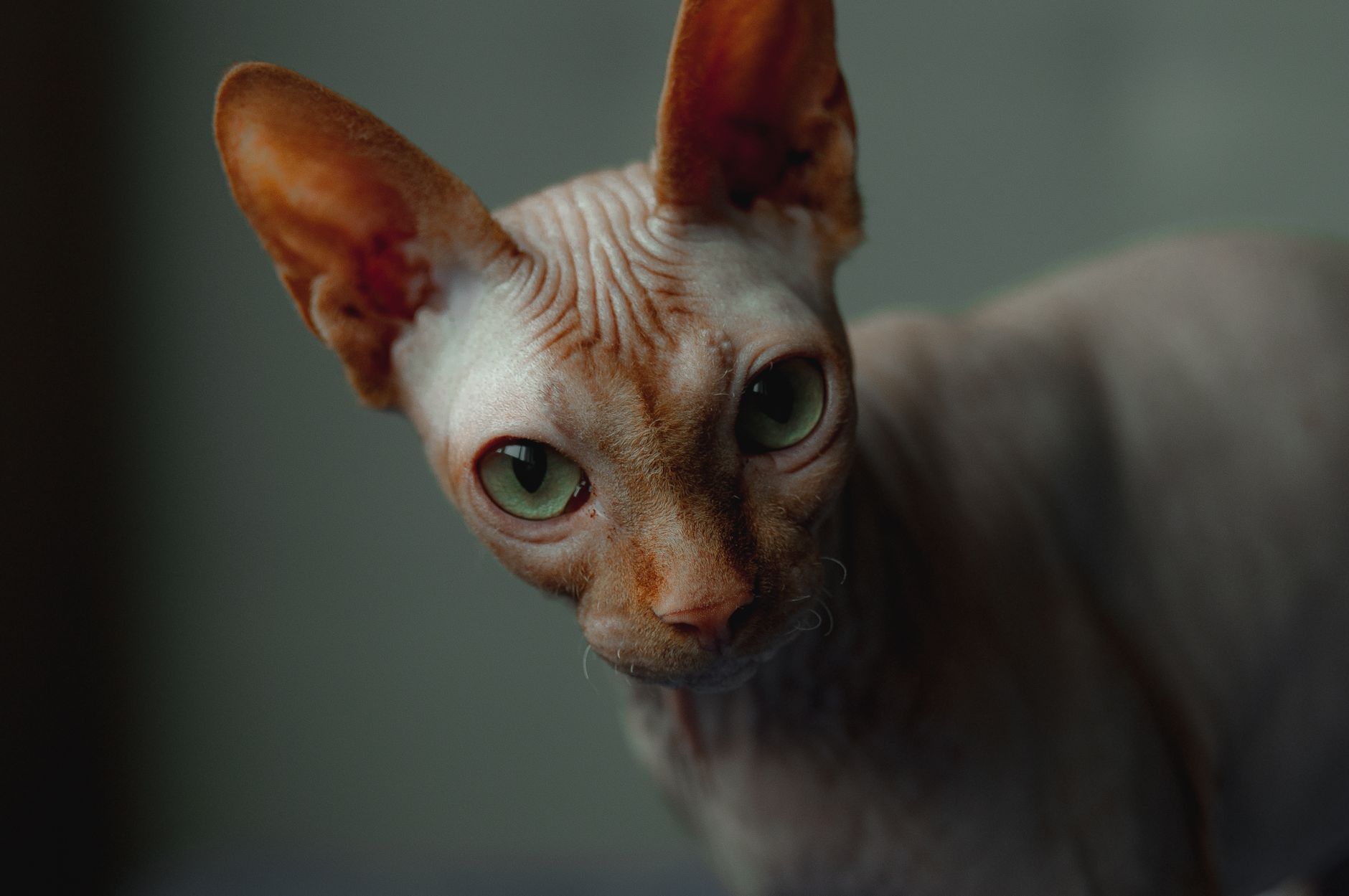
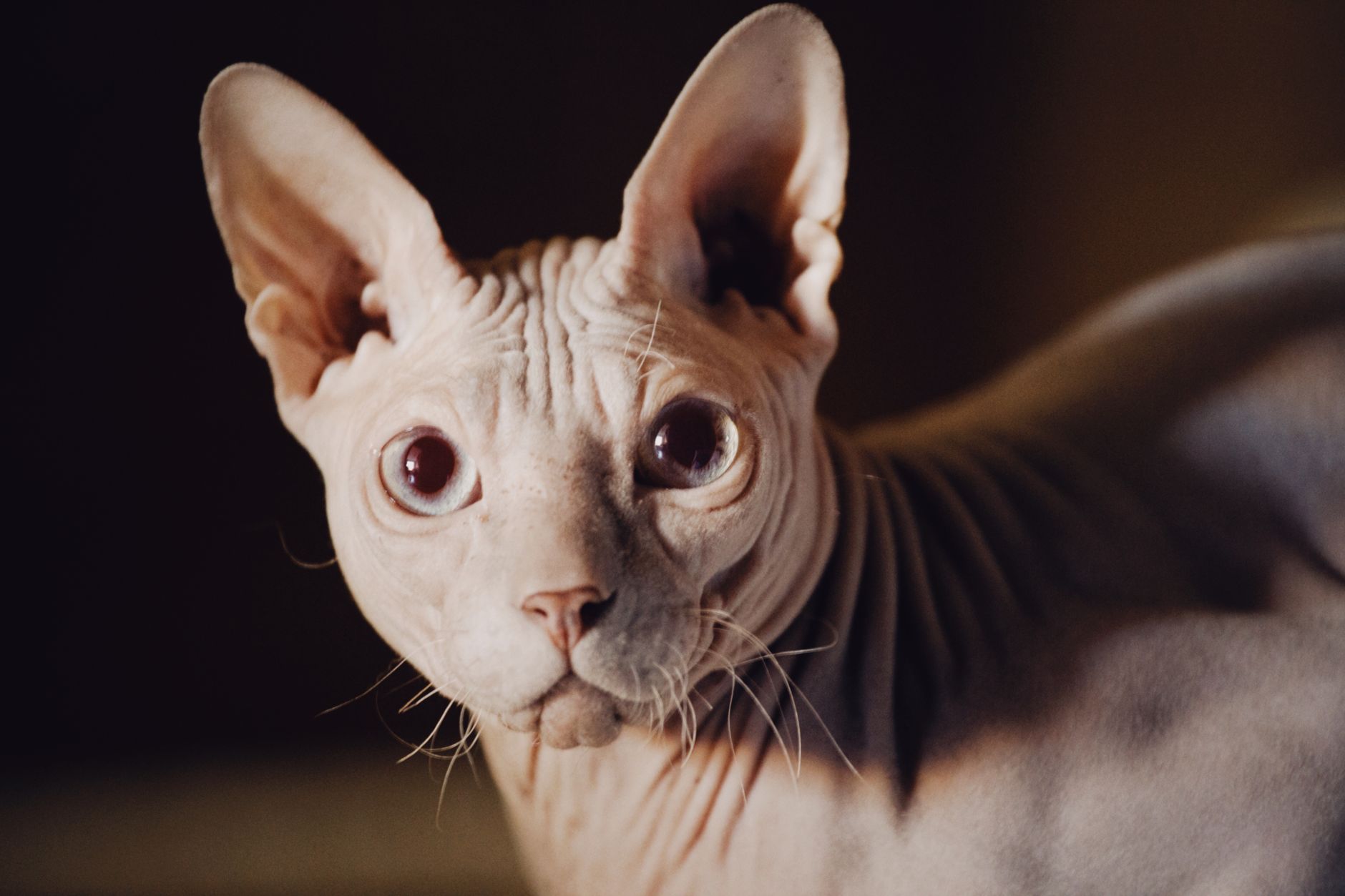
To truly understand these breeds, we must look closely at their genetics. The Sphynx’s iconic hairlessness is caused by a recessive mutation in the keratin 71 gene (KRT71).
This mutation results in a coat that is virtually non-existent, or limited to a very fine downy peach fuzz.
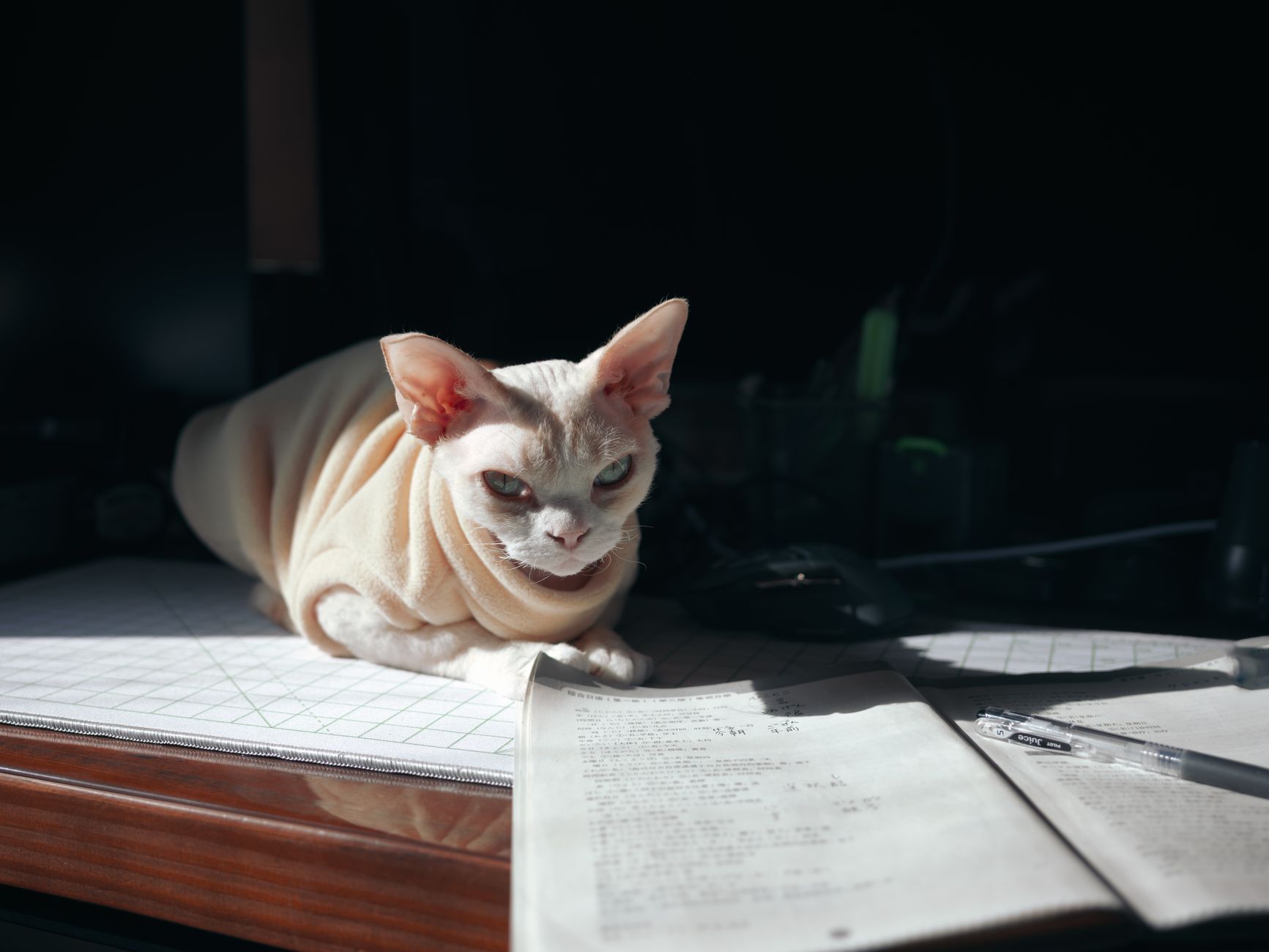
The Devon Rex also carries a mutation on this exact same KRT71 gene, but theirs is a different allele. This specific genetic tweak causes their hair follicles to produce a short, fragile, wavy coat that lacks guard hairs.
In my clinic, I often have to explain to owners that these structural differences dictate how their skin reacts to the environment. The lack of a normal double coat completely changes how their bodies process natural skin oils.
- Sphynx: Recessive hr gene mutation, leading to hairlessness or ultra-fine down.
- Devon Rex: Recessive re gene mutation on KRT71, producing fragile, crinkled waves.
- Guard hairs: Entirely absent in Devons, making their coats feel like crushed velvet.
- Tactile experience: Sphynx cats feel like warm suede, while Devons feel like soft, warm ripples.

Sphynx Grooming: The Reality of Skin Care
Many prospective owners assume a hairless cat means zero grooming. In reality, Sphynx cats require more physical maintenance than almost any other breed I treat.
Without hair to absorb natural sebaceous oils, these secretions accumulate directly on the skin. If left unbathed, a Sphynx will develop oily brown stains on your furniture and, worse, suffer from painful skin infections.
In my practice, I routinely treat Sphynx cats for severe yeast dermatitis and blackheads along their chin and tail lines because of skipped baths. You must be prepared for a lifetime of rigorous skin maintenance.
- Bathing frequency: High-quality, gentle cat shampoo baths every 1 to 2 weeks.
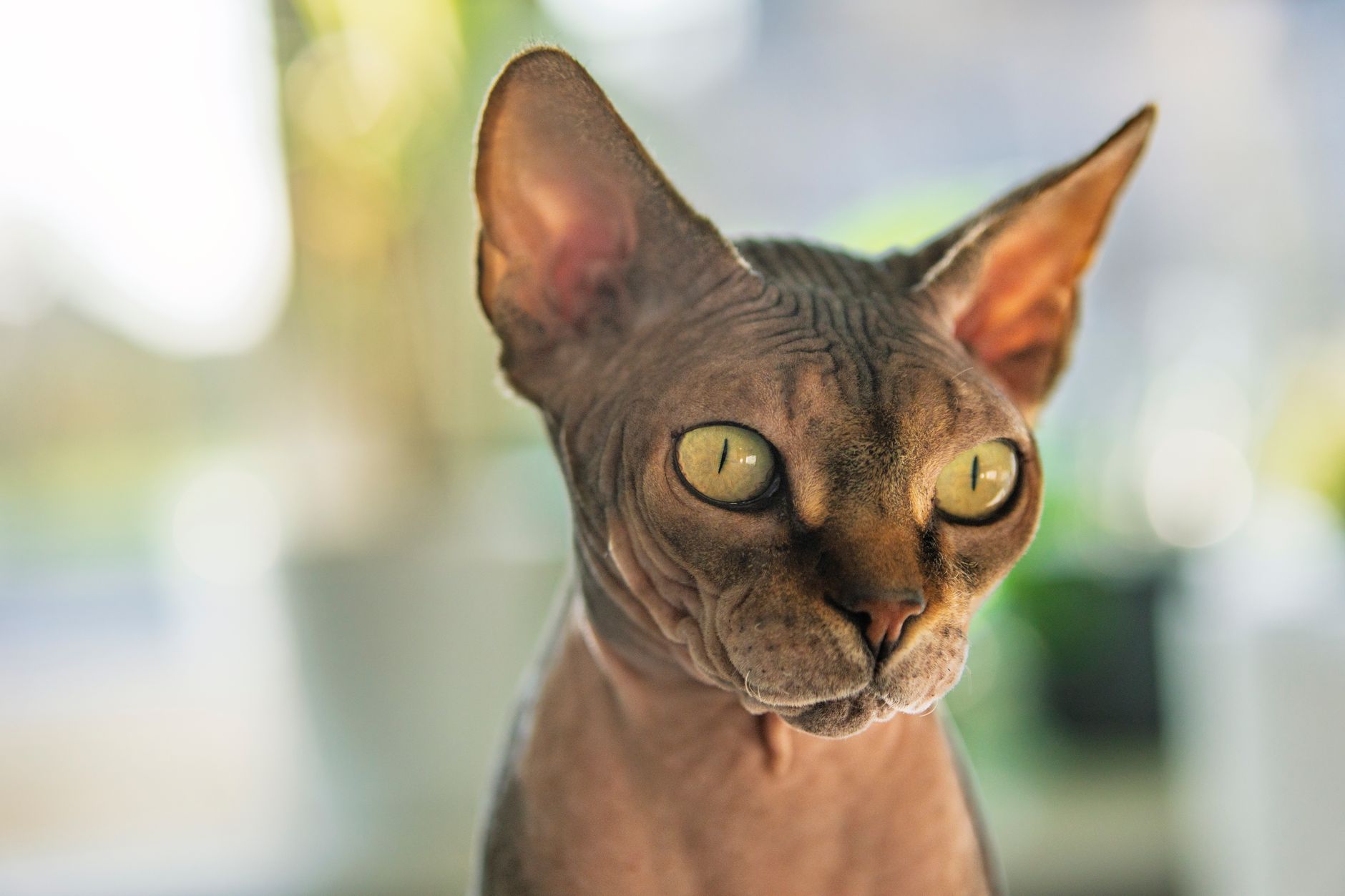
- Ear cleaning: Weekly flushing to clear the dark, thick wax that accumulates without ear hair.
- Nail bed maintenance: Wiping down the claw sheaths weekly to remove greasy black buildup.
- Medicated wipes: Daily spot-cleaning of facial folds and underarms to prevent skin fold dermatitis.
Devon Rex Coat Care: Gentle Handling Required
The Devon Rex is indeed a low-shedding breed, but their delicate coat presents a different set of challenges. Because their hair is so fragile, it can break off easily, leading to temporary bald patches.
I always warn my clients never to use harsh slicker brushes or de-shedding tools on a Devon Rex. Their fur must be treated with the utmost gentleness to protect the delicate shafts from snapping.
They also produce oil, though far less than the Sphynx. This oil can settle in their skin folds and require occasional, gentle bathing to keep their skin healthy.
- Brushing style: Use only soft-bristled baby brushes or a damp chamois cloth.
- Friction warning: Avoid tight collars or harnesses that cause friction alopecia around the neck.
- Bathing frequency: Only as needed, typically every 6 to 8 weeks, using an ultra-mild oatmeal shampoo.
- Molt patterns: Expect seasonal thinning, especially during hormone fluctuations or stress.
The Hypoallergenic Myth: Fel d 1 Exposure
Let me bust a major myth that I address weekly in my practice: there is no such thing as a truly hypoallergenic cat. Allergies are not triggered by cat hair itself, but by a protein called Fel d 1.
This protein is produced in the salivary glands, sebaceous glands, and perianal glands of all felines. When cats groom themselves, they deposit this protein onto their skin and fur.
Because Sphynx cats have no hair, they cannot shed dander-laden fur around the house, which certainly helps mild allergy sufferers. However, the allergen is still present on their skin and in their saliva.
- Salivary deposition: Grooming transfers Fel d 1 directly to the skin or short hair.
- Airborne dander: Devon Rex cats shed very little hair, minimizing the distribution of dried saliva into the air.
- Sebum buildup: Sphynx skin oils are highly concentrated with Fel d 1; direct contact can trigger hives.
- Management tips: Wash hands immediately after petting, and use HEPA air purifiers in the home.
Thermoregulation and Environmental Needs
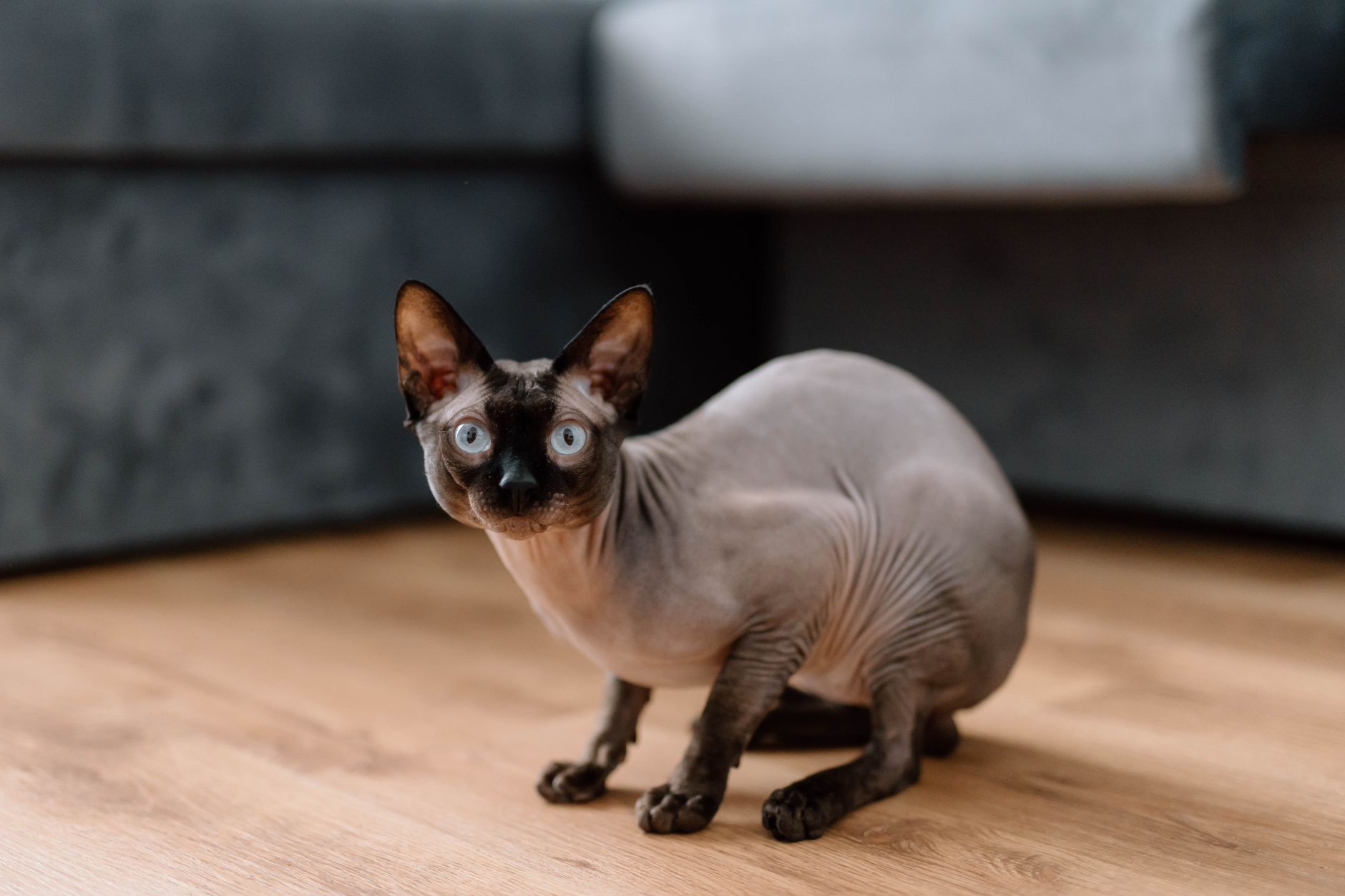
Both of these breeds are highly sensitive to temperature extremes because they lack a dense, protective double coat. I often tell my clients that if you are cold enough to wear a sweater, your Sphynx or Devon Rex is freezing.
These cats will actively seek out heat sources, from sunny windows to computer monitors and your heating vents. Without proper precautions, they can easily suffer from thermal burns or hypothermia.
Furthermore, their skin is highly vulnerable to ultraviolet rays. Sunburn is a major clinical issue I see in these breeds during the summer months.
- Sunscreen warnings: Never use human sunscreen; use only veterinary-approved, cat-safe sunblock.
- Winter wardrobe: High-quality fleece sweaters that are washed regularly to prevent oil buildup.
- Heated beds: Use low-voltage, pet-safe heated beds with automatic shut-off mechanisms.
- Solar safety: Install UV-blocking film on windows where your cats love to sunbathe.
Health Predispositions: What a Vet Looks For
As a veterinarian, I must emphasize that both breeds carry genetic predispositions to specific, serious health conditions. Hypertrophic Cardiomyopathy (HCM) is the most concerning cardiovascular disease we see in both populations.
HCM causes the heart walls to thicken abnormally, which can lead to sudden heart failure or blood clots. I highly recommend that owners of both breeds demand cardiac ultrasounds of the parents from their breeders.
Additionally, Devon Rexes are genetically prone to a rare hereditary muscle weakness. Sphynx cats are more prone to chronic skin disorders like urticaria pigmentosa.
- Annual Echocardiograms: Essential for early detection of HCM, starting at one year of age.
- Devon Rex Myopathy: A recessive genetic disorder affecting neuromuscular transmission, usually appearing by six months.
- Urticaria Pigmentosa: A mast-cell skin condition causing crusty, itchy lesions, more common in Sphynx cats.
- Patellar Luxation: Slipping kneecaps, which can occur in both breeds and may require surgical correction.
High-Octane Metabolism & Nutrition
To compensate for their lack of insulating fur, both the Sphynx and the Devon Rex possess incredibly high metabolic rates. They burn calories much faster than a standard domestic shorthair just to maintain their baseline body temperature.
In my practice, I often see owners underfeeding these breeds because they are following the generic feeding guidelines on standard cat food bags. This leads to weight loss, poor skin health, and lethargy.
They need a diet rich in high-quality proteins and fats to fuel their internal furnaces and support healthy skin barrier function.
Choosing the Right Diet
Look for premium commercial diets where animal protein is the first ingredient. Ask your vet about diets formulated for active breeds or those with elevated calorie densities.
- Protein levels above 35% on a dry matter basis.
- High fat content (18% or higher) to support lipid production in the skin.
- Inclusion of Omega-3 and Omega-6 fatty acids for skin inflammation.
Portion Control and Feeding Habits
Because of their fast metabolism, I often recommend multiple small meals throughout the day or controlled free-feeding if they do not overeat. Monitor their body condition score closely with your vet.
- Feed 3-4 smaller meals daily rather than one large meal.
- Use puzzle feeders to satisfy their highly active minds during feeding times.
- Regularly weigh your cat to detect subtle weight drops early.
Temperament and Household Dynamics
If you are looking for a calm, distant lap ornament, neither of these breeds is a good fit. I often describe both the Sphynx and the Devon Rex as ‘monkeys in cat suits.’
They are incredibly social, highly intelligent, and demanding of human attention. They will follow you from room to room, ride on your shoulders, and insist on sleeping under the covers with you.
In my clinical experience, these breeds are prone to separation anxiety. If you work long hours outside the home, they can develop stress-induced behaviors like psychogenic licking or destructive chewing.
Frequently Asked Questions
Do Sphynx cats feel cold to the touch?
Actually, Sphynx cats feel incredibly warm to the touch, almost like a hot water bottle. Because they lack fur, you are feeling their core body temperature directly through their skin. However, they lose body heat very rapidly to the surrounding air, which is why they seek out warm spots.
Can you bathe a Devon Rex as often as a Sphynx?
No, you should not bathe a Devon Rex as frequently as a Sphynx. Over-bathing a Devon Rex can strip their delicate skin of essential lipids and cause damage to their fragile hair shafts. While a Sphynx needs weekly bathing, a Devon Rex typically only needs a bath once every couple of months, or when they feel greasy.
Do hairless cats get sunburned easily?
Yes, Sphynx cats are highly susceptible to sunburn and can develop painful skin burns within a short period of direct sun exposure. Repeated sun exposure also increases their risk of squamous cell carcinoma, a dangerous skin cancer. You must limit their access to direct sunlight during peak hours or apply cat-safe sunblock.
Is the Devon Rex hypoallergenic for people with asthma?
While some asthmatic individuals report fewer symptoms around a Devon Rex due to reduced airborne dander, they are not completely hypoallergenic. The Fel d 1 protein is still present in their saliva and skin. If you have severe asthma, I recommend spending time with a Devon Rex in a controlled environment before committing to adoption.
Why does my Sphynx have black wax in its ears?
Sphynx cats lack the protective hairs inside the ear canal that normally catch dirt and debris. To compensate, their bodies produce a thick, dark, oily earwax to protect the inner ear. This requires weekly cleaning with a vet-approved ear flush to prevent secondary bacterial and yeast infections.
Which breed is better for families with young children?
Both breeds can excel in active families with children due to their playful and outgoing temperaments. However, the Devon Rex is slightly sturdier and less prone to accidental skin scratches than the hairless Sphynx. Children must be taught to handle both breeds gently, particularly avoiding pulling the Devon’s delicate fur.
Sources & Further Reading
- The Cat Fanciers’ Association (CFA)
- Cornell University College of Veterinary Medicine
- PetMD
- International Cat Care
Final Thoughts
In the battle of Sphynx vs Devon Rex, the right choice ultimately depends on your lifestyle and capacity for daily pet care. If you are willing to commit to rigorous weekly baths, ear cleaning, and skin maintenance, the affectionate, skin-to-skin bond of a Sphynx is incomparable.
If you prefer a cat with a touch of unique velvet curls who requires gentler, less frequent coat maintenance but high-octane mental stimulation, the Devon Rex is a stellar choice. Regardless of which breed you choose, ensure you partner with a reputable breeder who performs rigorous cardiac screenings.
As a veterinarian, my goal is to help you set up these magnificent, quirky felines for a long, healthy, and incredibly warm life in your home.