
Maine Coon vs Ragdoll: Which Large Cat Breed Is Right for You?
 Maine Coon vs Ragdoll: Which Large Cat Breed Is Right for You?” loading=”lazy”>
Quick Summary
While both the Maine Coon and Ragdoll are beloved giant cat breeds, the Maine Coon is an active, highly athletic, and dog-like companion that loves climbing and water, whereas the Ragdoll is a docile, quiet, floor-dwelling lap cat that goes limp when held. From a clinical standpoint, both require diligent screening for genetic heart and joint conditions, though the Maine Coon demands significantly more intensive grooming to manage its dense double coat.
As an Amazon Associate, we earn from qualifying purchases.
Popular with cat owners: Kitten Food · Cat Tunnel · Cat Tree
In my fifteen years of clinical veterinary practice, few breeds elicit as much sheer admiration in my exam rooms as the Maine Coon and the Ragdoll. These gentle giants dominate the large-breed cat world, but they represent vastly different lifestyles, energy levels, and care requirements.
Choosing between them is not just a matter of aesthetics. It is a major decision that will impact your daily routine, your home setup, and your long-term veterinary budget.
What I see most often in practice is that owners are unprepared for the physical and behavioral realities of these unique cats. Let’s break down the clinical and practical differences to help you make the best choice for your family.
Key Takeaways
- Maine Coons are highly active, vocal, and dog-like, while Ragdolls are docile, quiet, and exceptionally relaxed.
- Both breeds are slow-growing and do not reach full skeletal maturity until 3 to 5 years of age.
- Maine Coons have a dense, water-resistant double coat that mats easily and requires 3-4 brushings a week.
- Ragdolls have a plush, single-layered coat that is softer and significantly easier to maintain than a Maine Coon’s.
- Both breeds are genetically predisposed to Hypertrophic Cardiomyopathy (HCM) and require rigorous breeder screening.
- Maine Coons are avid vertical climbers, whereas Ragdolls are content staying low to the ground.
- Veterinary care, medication, and food costs are significantly higher for both breeds due to their massive size.
In This Article
- Physical Profiles: Size, Coats, and Structural Differences
- Temperament Profiles: The Goofy Clown vs. The Serene Shadow
- Clinical Health Profiles: Genetic Vulnerabilities
- Grooming Realities: Dealing with Double Coats vs. Silky Single Coats
- Environmental and Space Needs: Vertical Climbers vs. Floor Dwellers
- Dietary and Nutritional Demands for Giants
- The Financial Reality of Owning a Giant Breed
Physical Profiles: Size, Coats, and Structural Differences
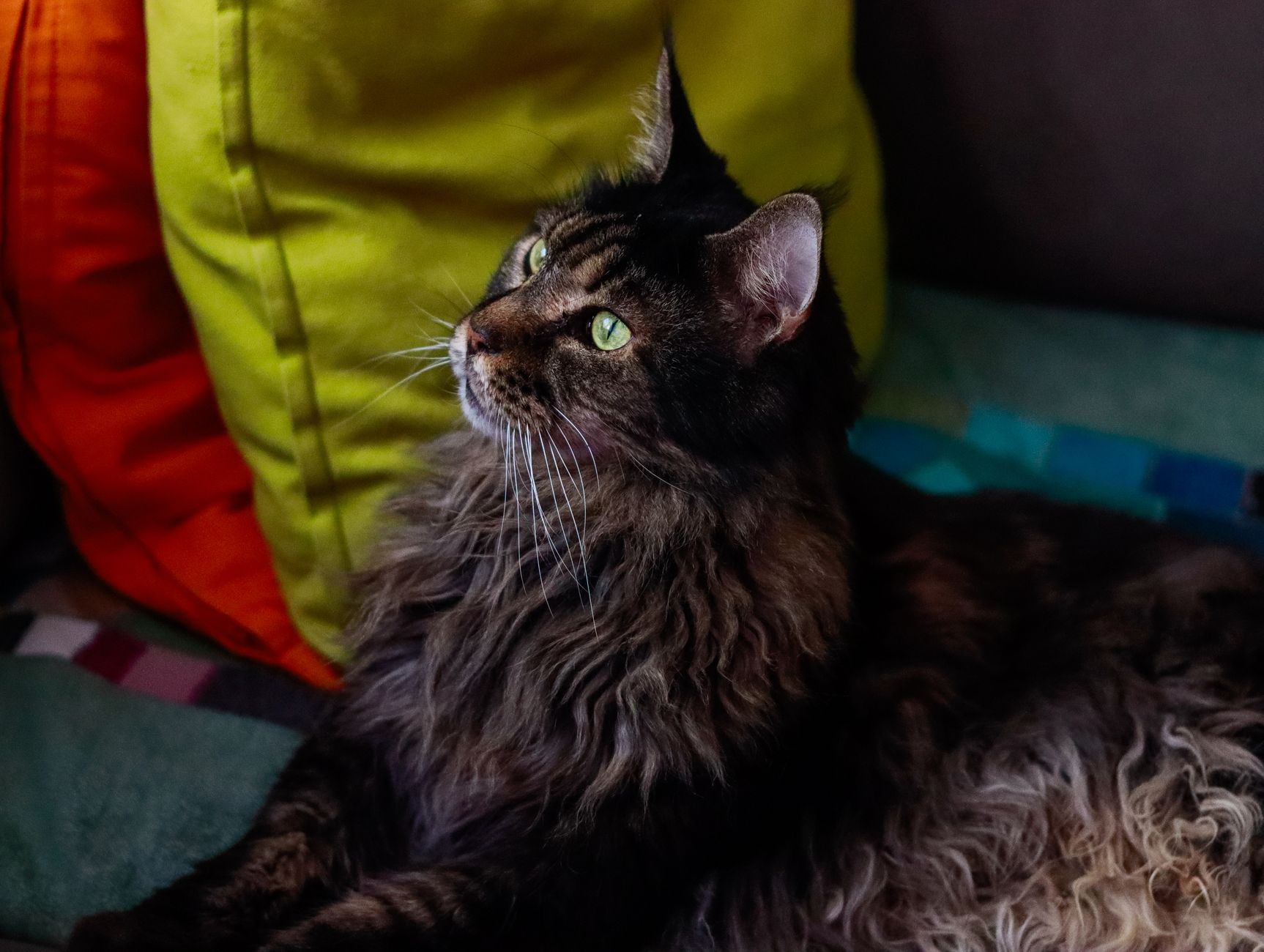
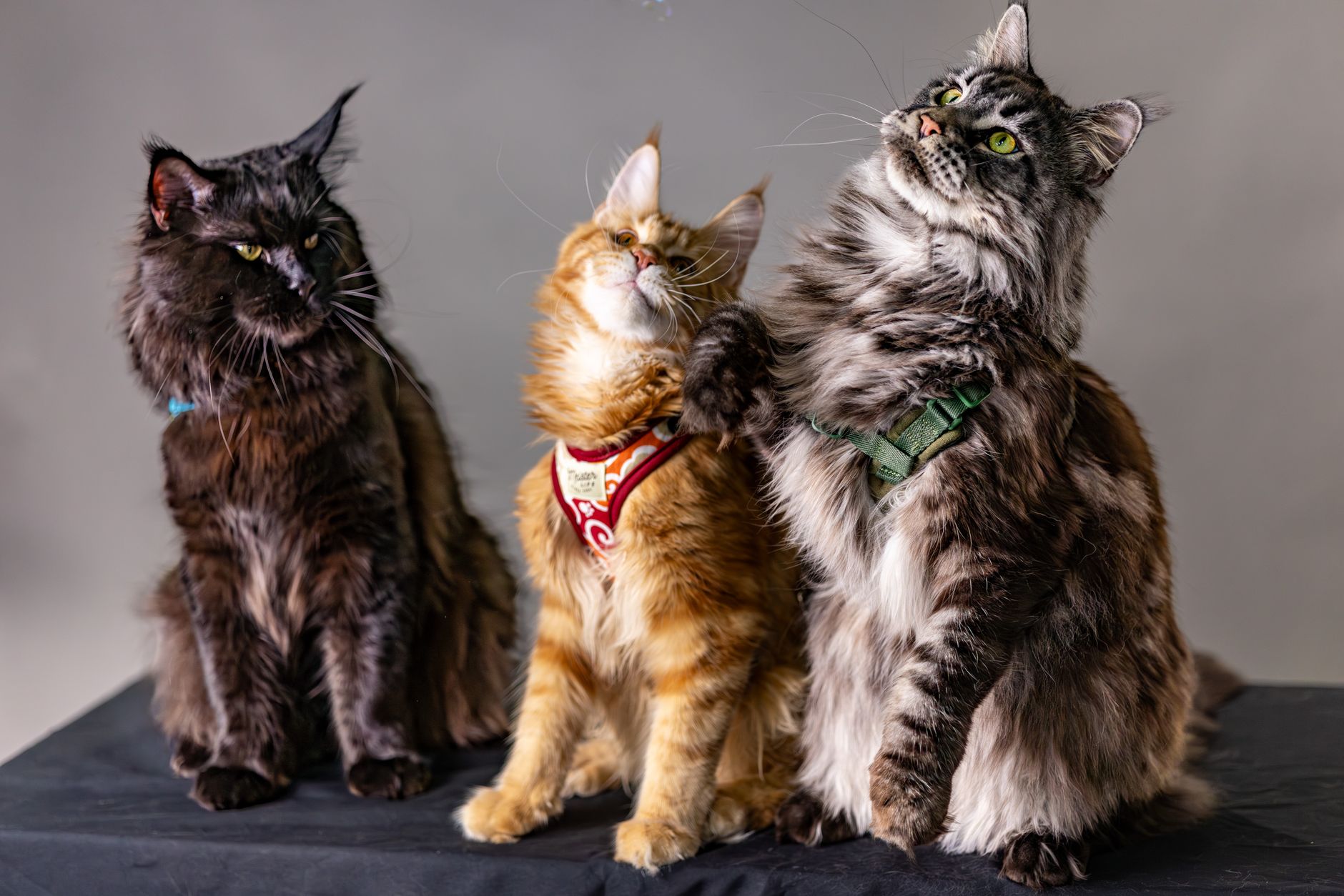
When a Maine Coon or a Ragdoll walks into my clinic, the first thing my veterinary technicians notice is the sheer physical presence. Maine Coons are rugged, muscular, and built like natural outdoor survivors with heavy, water-resistant double coats designed to withstand harsh winters.
Their square muzzles, large tufted ears, and high cheekbones give them a distinctly wild, almost lynx-like appearance.
Ragdolls, on the other hand, are the plush velvet pillows of the cat world. They are big but soft, with a distinct color-pointed pattern, striking blue eyes, and a sweet, oval-shaped face.
Their bone structure is heavy and substantial, yet they lack the wild, angular, and athletic features of the Maine Coon.
In my hands, a Maine Coon feels dense and athletic, like an athlete in peak condition. A Ragdoll feels remarkably relaxed, often melting into your lap with a soft, pliable muscle tone that is entirely unique to their breed.
Purina Kitten Chow Year One Essentials
- ✓Real farm-raised chicken
- ✓DHA for brain and vision
- ✓25% more protein than adult cat food
- Higher protein and calories support a kitten’s rapid growth in the first year
- Maine Coon weight range: Males average 15-25 lbs; females average 10-15 lbs.
- Ragdoll weight range: Males average 15-20 lbs; females average 10-15 lbs.
- Maine Coon coat: Uneven, shaggy double coat with a prominent neck ruff and tufted paws.
- Ragdoll coat: Semi-long, plush single coat that feels like rabbit fur with minimal undercoat.
The Prolonged Growth Trajectory
Both of these breeds are slow-growing giants compared to standard domestic shorthairs. In my practice, I advise owners that these cats will not reach their full skeletal size, muscle mass, and coat maturity until they are 3 to 5 years old.
This slow development requires highly tailored nutrition to prevent structural joint issues during their prolonged growth phase.

Temperament Profiles: The Goofy Clown vs. The Serene Shadow
From a behavioral standpoint, these two breeds display remarkably different social dynamics when they visit my clinic. Maine Coons are often highly active, endlessly curious, and act more like standard dogs than cats.
They want to be involved in whatever you are doing, often following you from room to room or ‘helping’ you with chores.
Ragdolls earned their name for a reason that I witness daily in the exam room. They tend to go completely limp when handled, yielding to human touch with an absolute, serene trust.
They are quiet, docile, and prefer to lounge close to their humans on the sofa rather than scale the top of your kitchen cabinets.
If you want a companion that will actively play fetch, splash in your sink, and investigate every guest, the Maine Coon is your match. If you prefer a calm, quiet lap cat that provides soothing companionship without demanding constant stimulation, the Ragdoll is the clear winner.
- Maine Coon: High play drive, loves water, highly trainable, mimics dog-like retrieval behaviors.
- Ragdoll: Low-to-moderate play drive, prefers low-ground activities, highly affectionate, goes limp when held.
- Maine Coon vocalization: Soft trills, chirps, and squeaks that contrast with their massive size.
- Ragdoll vocalization: Soft, quiet meows, used sparingly when they want food or attention.

Clinical Health Profiles: Genetic Vulnerabilities
As a veterinarian, I cannot stress enough the importance of understanding the genetic health profiles of these large breeds. Their massive size places unique physiological stress on their joints, hearts, and kidneys.
Screenings and preventive care are paramount to ensuring a long, pain-free life.
In my practice, I frequently run genetic panels and recommend annual echocardiograms for both breeds. These proactive measures help us catch silent killers like heart disease before they lead to congestive heart failure.
Let us look at the specific conditions that keep these giants on my clinical radar. Knowing these risks allows us to implement early intervention strategies.
- Hypertrophic Cardiomyopathy (HCM): A genetic thickening of the heart muscle common to both breeds.
- Hip Dysplasia: A malformation of the hip joint that affects up to 25% of Maine Coons.
- Polycystic Kidney Disease (PKD): A slow-progressing, inherited disease more commonly seen in Ragdoll lines.
- Spinal Muscular Atrophy (SMA): A genetic motor neuron disease unique to Maine Coons that causes muscle weakness.
Sheldamy S-Shaped 2-Way Cat Tunnel
- ✓S-shape suits cats’ love of hiding
- ✓Waterproof, scratch-resistant fabric
- ✓Collapsible
- A crinkly play tunnel gives cats somewhere to hide, pounce and race through
The Necessity of Ethical Breeder Screening
If you are purchasing a kitten, you must demand proof of DNA testing for the genetic mutations associated with heart disease. A reputable breeder will also have orthopedic clearances for hip dysplasia in their breeding cats.
Do not accept verbal promises; ask to see the official lab reports from a certified genetics laboratory.

Grooming Realities: Dealing with Double Coats vs. Silky Single Coats
Many clients ask if they can skip daily brushing with these breeds because the cats seem to groom themselves. The answer is a definitive no, but the level of grooming difficulty differs significantly between them.
The Maine Coon’s double coat is a magnet for twigs, litter, and mats, particularly in the friction-prone areas like the armpits and groin.
Ragdolls possess a plush, silky coat that lacks a dense, woolly undercoat. This structural difference makes them significantly easier to groom, as their fur is less prone to severe, painful matting.
However, they still shed heavily during seasonal transitions and require routine maintenance to prevent painful hairballs.
I always tell my clients to start grooming training on day one with a kitten. Introducing combs, slicker brushes, and nail trimmers early prevents stressful battles when your cat reaches its full twenty-pound size.
- Maine Coon schedule: Requires thorough combing 3-4 times a week using a steel greyhound comb and slicker brush.
- Ragdoll schedule: Twice-weekly brushing with a slicker brush is usually sufficient to maintain coat health.
- Sanitary trims: Both breeds benefit from a professional ‘hygiene clip’ around the rear end to prevent litter box accidents.
- Mat prevention: Always check friction-prone areas like the armpits, behind the ears, and the inner thighs.

Environmental and Space Needs: Vertical Climbers vs. Floor Dwellers
The physical layout of your home should play a massive role in which breed you choose to adopt. Maine Coons are natural-born climbers who retain their wild, forest-dwelling instincts to survey their territory from above.
They need high vertical spaces, cat trees, and window perches to feel secure and mentally stimulated in an indoor environment.
Ragdolls are generally floor-dwellers or low-altitude loungers who prefer to stay close to the ground. They rarely show interest in scaling tall bookshelves or balancing precariously on top of open doors.
This makes them ideal for smaller apartments or homes with delicate decor that could be knocked over by an athletic giant.
Investing in Heavy-Duty Cat Furniture
Standard pet store cat trees will not cut it for either of these breeds. I have seen too many flimsy, carpeted towers tip over under the weight of a leaping 20-pound cat, resulting in serious orthopedic injuries.
You must invest in heavy, wide-based wooden trees with thick sisal posts designed specifically for large breeds.
Dietary and Nutritional Demands for Giants
Feeding a giant breed is vastly different from feeding a standard eight-pound domestic housecat. Because of their prolonged growth period, their nutritional requirements remain high for several years.
I always tell my clients that cutting corners on premium nutrition during their first three years can lead to developmental bone diseases.
Once they reach adulthood, the challenge shifts from supporting growth to preventing obesity. Obesity is the number one preventable disease I treat in large-breed cats, and it is devastating to their joints.
An extra two pounds on a Ragdoll can be the difference between comfortable mobility and severe, chronic arthritis pain.
Managing their diet requires a careful balance of high-quality animal proteins, healthy fats, and strict portion control. Free-feeding kibble is a recipe for disaster with these breeds.
- L-Carnitine supplementation: Helps maintain lean muscle mass and supports cardiac health.
- Glucosamine and Chondroitin: Essential joint support additives to protect heavy skeletal frames.
- Strict portion control: Avoid free-feeding dry kibble; instead, use scheduled wet-food meals to control calorie intake.
- High protein, low carb: Look for diets where the first three ingredients are animal-based proteins to mirror their natural diet.

The Financial Reality of Owning a Giant Breed
Before you bring home one of these magnificent cats, you must prepare for the ‘giant breed tax.’ Everything costs more when your cat weighs as much as a medium-sized dog. From anesthesia during routine dental cleanings to monthly parasite preventatives, medication dosing in veterinary medicine is calculated directly by body weight.
I always advise my clients to secure high-quality pet insurance the day they adopt their kitten. A single veterinary emergency or chronic health diagnosis for a large breed can quickly accumulate thousands of dollars in medical costs.
From food budgets to grooming tools, the financial commitment is substantial. You must ensure your wallet is as ready for this commitment as your heart is.
- Medication costs: Up to double the cost of standard cats due to weight-dependent dosing (e.g., flea/tick preventatives).
- Litter box sizing: Standard boxes are too small; you will need specialized extra-large or storage-tote style boxes.
- Food volume: An adult Maine Coon can easily consume twice the amount of food as a normal-sized domestic cat.
- Grooming tools: Professional grooming visits or high-end deshedding tools are non-negotiable investments.
-
Globlazer XXL Cat Tower for Multiple CatsGives cats vertical space to climb, scratch and nap, which reduces stress and keeps them off your shelves
-
Aumuca Self-Cleaning Cat Brush for SheddingReaches through the topcoat to remove loose undercoat, cutting down the hair on your floors and furniture
-
Stainless Steel Cat Water Fountain, 2.2LMoving, filtered water encourages pets to drink more, which supports kidney and urinary health
Related Cat Guides
Frequently Asked Questions
Which breed is better for households with young children or active dogs?
In my experience, Ragdolls excel with gentle children due to their incredibly tolerant, laid-back nature. However, Maine Coons are highly confident and often adapt better to energetic dogs, as they enjoy interactive play and will not easily be intimidated.
Do Maine Coons or Ragdolls shed more?
Both breeds are heavy shedders, but the Maine Coon’s double coat drops a larger volume of dense undercoat, especially in spring. Ragdolls shed a finer, silkier hair that is easier to vacuum but can still coat your furniture if not brushed twice weekly.
Are these breeds hypoallergenic?
No, neither breed is hypoallergenic. Both the Maine Coon and the Ragdoll produce the Fel d 1 protein in their saliva and skin dander, which is the primary trigger for human cat allergies.
How long do Maine Coons and Ragdolls typically live?
On average, both breeds have a lifespan of 12 to 15 years when kept indoors and provided with proper medical care. Ensuring they maintain a healthy weight and receiving annual cardiac screenings can greatly extend their healthy years.
Why are veterinary costs higher for these large breeds?
Many veterinary medications, including anesthetics, sedatives, and parasite preventatives, are dosed based on body weight. A 22-pound Maine Coon or Ragdoll will naturally require higher doses, and therefore cost more to treat, than an average 8-pound housecat.
Can these large breeds live comfortably in a small apartment?
Yes, but they require different setups. A Ragdoll is highly suited to apartment life because they are low-energy floor-dwellers, while a Maine Coon can thrive in a small space only if you provide ample vertical climbing walls and daily interactive play.
Sources & Further Reading
- The Cat Fanciers’ Association (CFA)
- Cornell University College of Veterinary Medicine
- International Cat Care
- PetMD
Final Thoughts
Ultimately, choosing between a Maine Coon and a Ragdoll comes down to matching their unique traits with your specific lifestyle. If you want an active, dog-like adventurer who will follow you around, play in water, and climb to the highest points of your home, the Maine Coon is an incredible companion.
If you prefer a quiet, gentle soul who will melt into your arms and bring serene, peaceful energy to your home, the Ragdoll is unmatched. Whichever breed you choose, commit to partnering with a veterinarian early to manage their growth, joint health, and genetic risks.
These giant breeds require a bit more effort, space, and budget, but the reward of their deep affection is worth every penny. In my years of clinical practice, I have never met an owner who regretted welcoming one of these gentle giants into their lives.