
 Ragdoll vs Birman: Comparing Two Calm, Affectionate Breeds” loading=”lazy”>
Quick Summary
While Ragdolls and Birmans share striking blue eyes and color-pointed coats, they differ significantly in size, coat structure, and clinical health needs. Ragdolls are much larger, slow-maturing cats known for going completely limp when held, while Birmans are medium-sized, sturdy companions characterized by their distinct white gloved paws. Understanding these genetic and physical nuances is vital for providing tailored veterinary care, grooming, and joint support throughout their lives.
In my years running a feline-focused veterinary practice, few breeds elicit as much joy on our exam tables as the Ragdoll and the Birman. Clients often come to me confused, struggling to tell these two gorgeous, blue-eyed point-colored beauties apart.
At a glance, they look like close cousins, but genetically, structurally, and behaviorally, they are highly distinct breeds.
Choosing between them, or managing their health as they age, requires a deep understanding of what makes each breed unique from a clinical perspective.
Key Takeaways
- Ragdolls are significantly larger than Birmans, often weighing up to 20 pounds, and take up to four years to reach full skeletal maturity.
- Birmans always possess symmetrical white ‘gloves’ on their front paws and ‘laces’ on their rear paws, which is a key breed standard.
- Ragdolls lack a dense undercoat, making them less prone to matting, whereas Birmans have a silky single-layer coat that requires targeted combing.
- Both breeds are genetically predisposed to Hypertrophic Cardiomyopathy (HCM), making early and regular genetic and echocardiogram screenings crucial.
- The famous ‘floppy’ trait of Ragdolls is a unique behavioral response to being held, whereas Birmans are more grounded but deeply devoted.
- Nutritional management is critical for Ragdolls to prevent early joint wear and obesity due to their heavy frame.
In This Article
- Origins and Legends: Distinguishing the Lineages
- Size and Physicality: Spotting the Difference on the Exam Table
- Coat Characteristics and Grooming Realities
- The Famous White Gloves: The Genetic Birman Marker
- Temperament and Behavior: Floppy vs. Devoted
- Clinical Health Profiles: What I Screen For
- Dietary Needs and Joint Support for Heavy Breeds
- Living with These Breeds: The Vet’s Verdict
Origins and Legends: Distinguishing the Lineages
When clients ask me about the history of these breeds, I always emphasize that they come from completely different worlds. Birmans, also known as the ‘Sacred Cat of Burma’, carry a rich history of temple companionship and were first recognized in France in the 1920s.
Ragdolls, by contrast, are a relatively modern American breed developed in California during the 1960s by breeder Ann Baker.
From a genetic standpoint, this means Birmans have a much more established, closed gene pool, whereas Ragdoll development involved outcrossing with Persians, Burmese, and domestic longhairs.
The Genetic Foundation
Because of these differing histories, we see distinct genetic patterns in my clinic. Birmans have high genetic uniformity, while Ragdolls show distinct variations in coat patterns that require different breeding screening protocols.
Size and Physicality: Spotting the Difference on the Exam Table
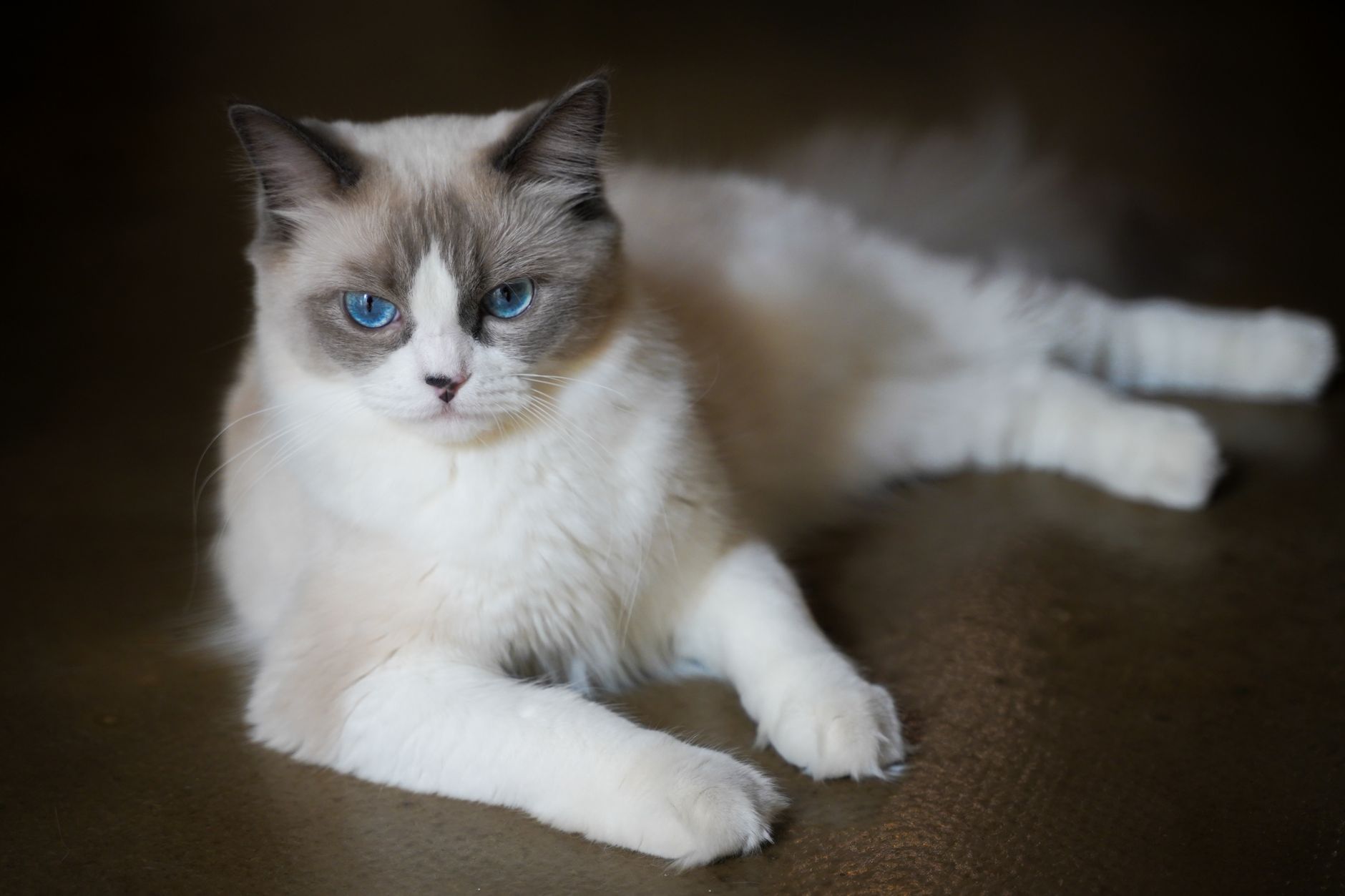
The physical difference between these two breeds is immediately obvious when I lift them onto the scale. Ragdolls are one of the largest domesticated cat breeds, possessing a long, broad, muscular frame with a heavy bone structure.
Birmans are decidedly medium-sized, with a more compact, stocky, and rounded body type that is solid but never imposing.
I always tell my clients that while a Birman feels like a sturdy package, a mature male Ragdoll can feel like a small toddler when draped over your shoulder.
- Male Ragdoll weight range: 15 to 20+ pounds (6.8 to 9+ kg)
- Female Ragdoll weight range: 10 to 15 pounds (4.5 to 6.8 kg)
- Male Birman weight range: 8 to 12 pounds (3.6 to 5.4 kg)
- Female Birman weight range: 6 to 10 pounds (2.7 to 4.5 kg)
- Ragdoll maturity rate: 3 to 4 years to reach full size and coat color
- Birman maturity rate: 1 to 2 years to reach full physical maturity
Coat Characteristics and Grooming Realities
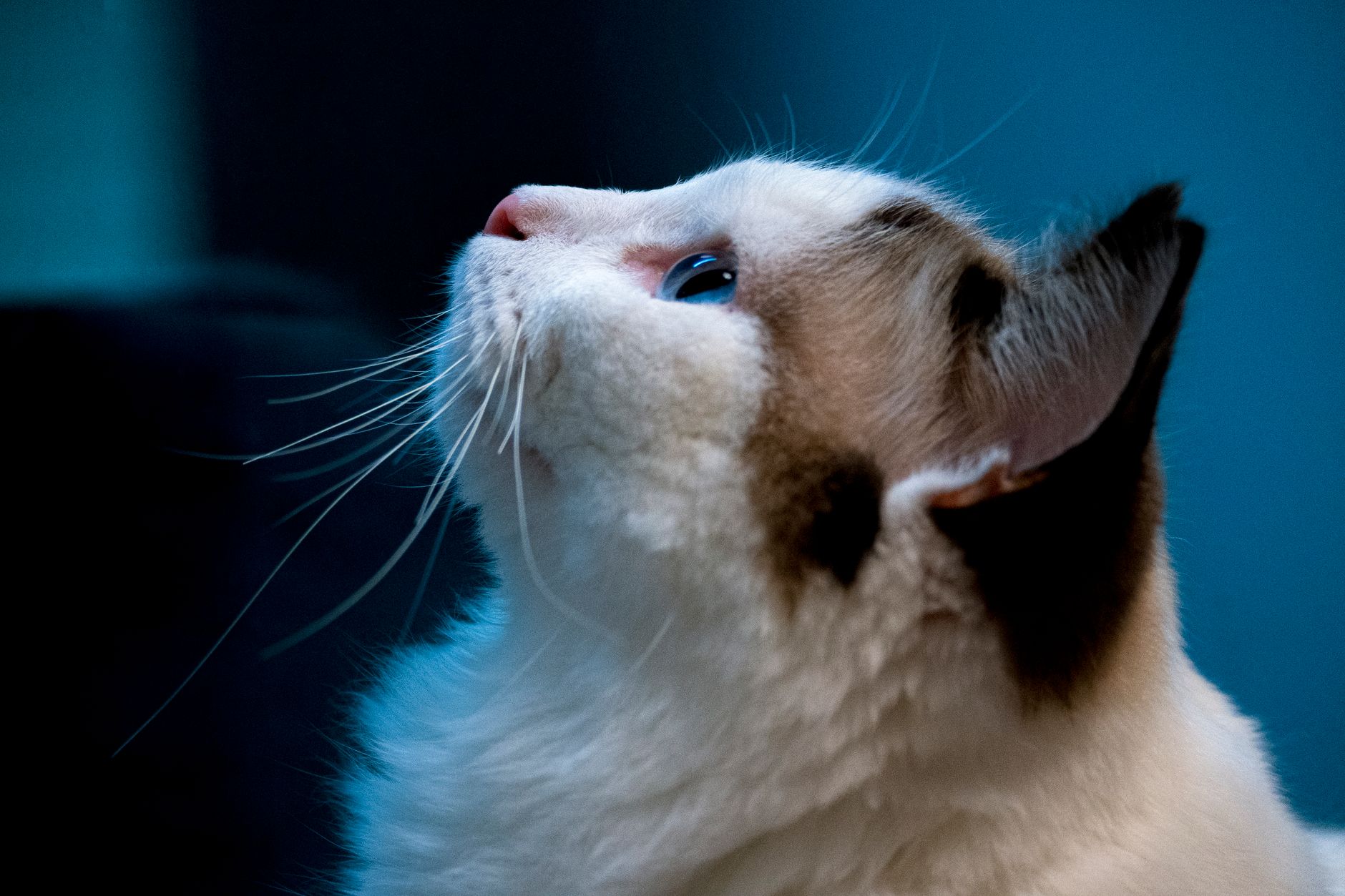
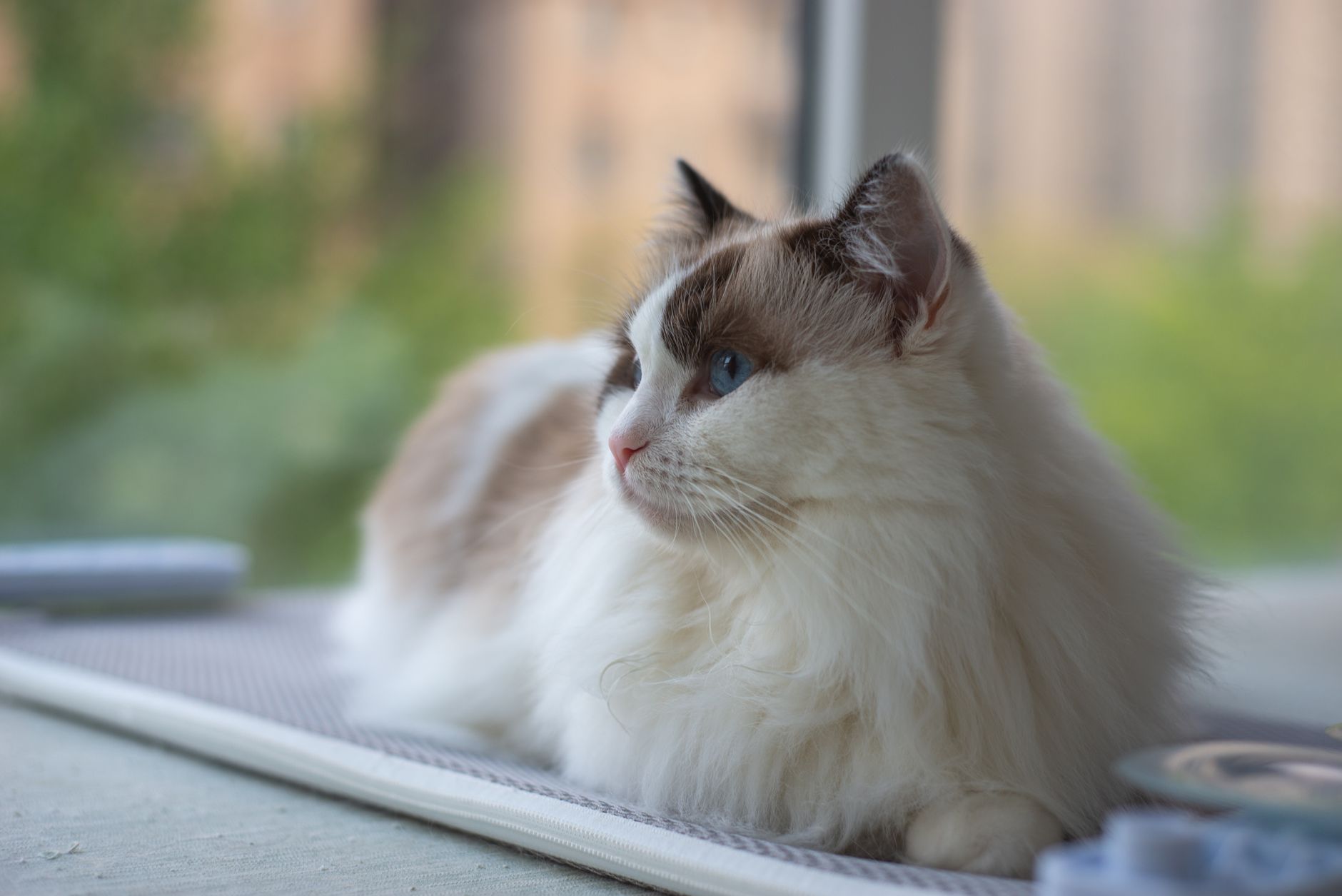
Many prospective owners assume both breeds require hours of daily grooming, but their coat textures tell a different clinical story. The Ragdoll coat is incredibly plush and soft, often compared to rabbit fur, and because it lacks a dense undercoat, it resists matting remarkably well.
Birmans have a silky, single coat with a very slight undercoat that lies flatter against the body and rarely mats, but feels slightly different to the touch.
In my practice, I notice that Birmans tend to shed their coats more seasonally, whereas Ragdolls shed a moderate amount year-round.
- Use a high-quality steel greyhound comb once a week to reach the skin level on both breeds.
- Pay close attention to the friction areas behind the ears and under the armpits.
- Bathe only when necessary, as their coats naturally repel dirt and oils well.
- Introduce grooming tools early in kittenhood to desensitize them to handling.
Handling the Seasonal Blow-Out
During spring, both breeds will shed their winter coats. For Birmans, this transition is swift and requires daily brushing to prevent hairballs, which can lead to gastrointestinal blockages in my clinical experience.
The Famous White Gloves: The Genetic Birman Marker
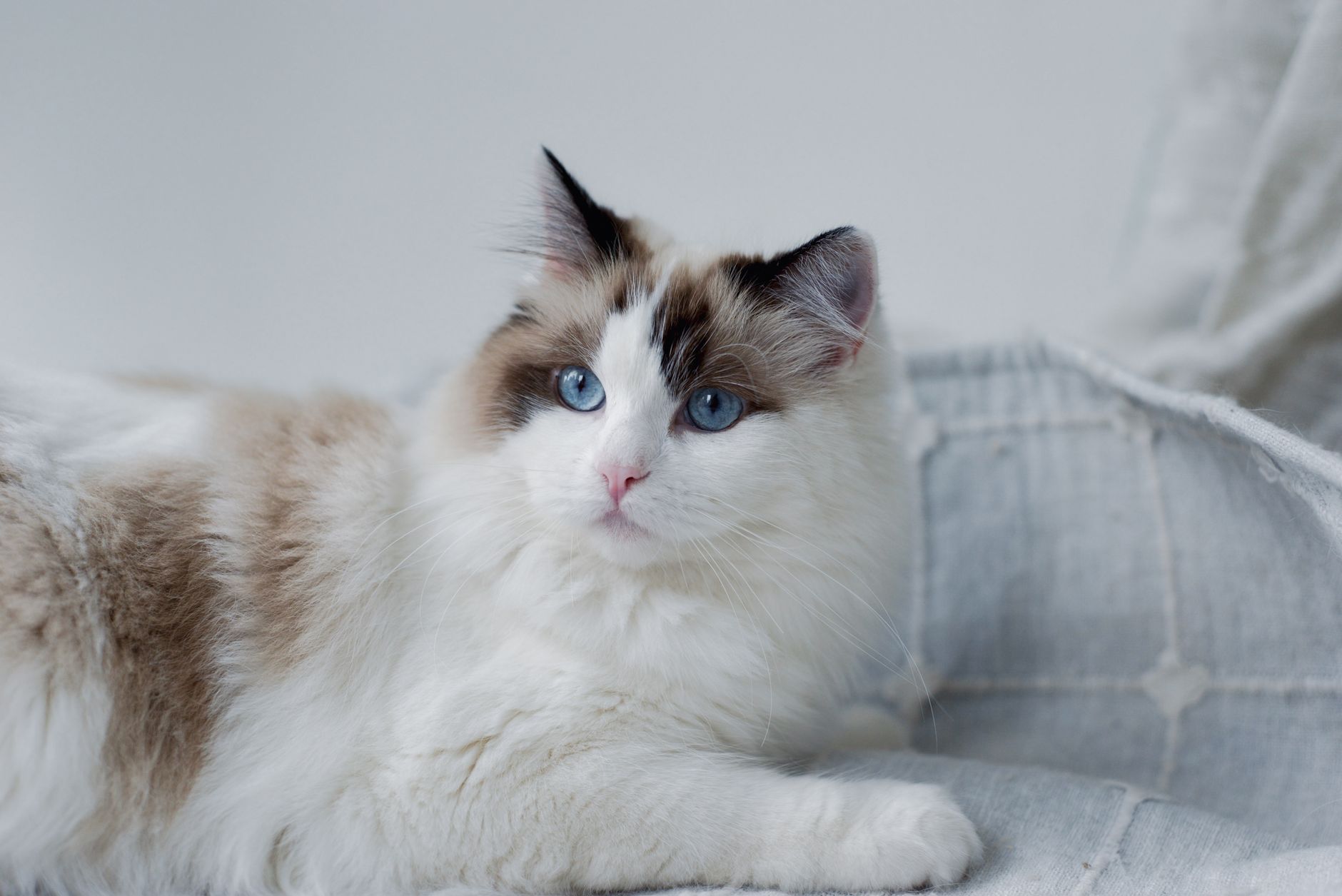
If you are ever in doubt about which breed is standing in front of you, look directly at their feet. A purebred Birman must exhibit pristine white ‘gloves’ on all four paws, a trait governed by a specific recessive gene.
On the front paws, the white must stop at the joint, while on the back paws, the white must extend up the back of the leg in a V-shape, known as ‘laces’ or ‘gauntlets’.
Ragdolls can also have white paws if they are of the ‘mitted’ variety, but their white markings are not bound by these highly specific, symmetrical genetic constraints.
Understanding Pointed Patterns
Both breeds are pointed, meaning their extremities (ears, face, tail, legs) are darker than their bodies due to a temperature-sensitive form of albinism. This means they are born completely white, with their true colors developing over several weeks.
Temperament and Behavior: Floppy vs. Devoted
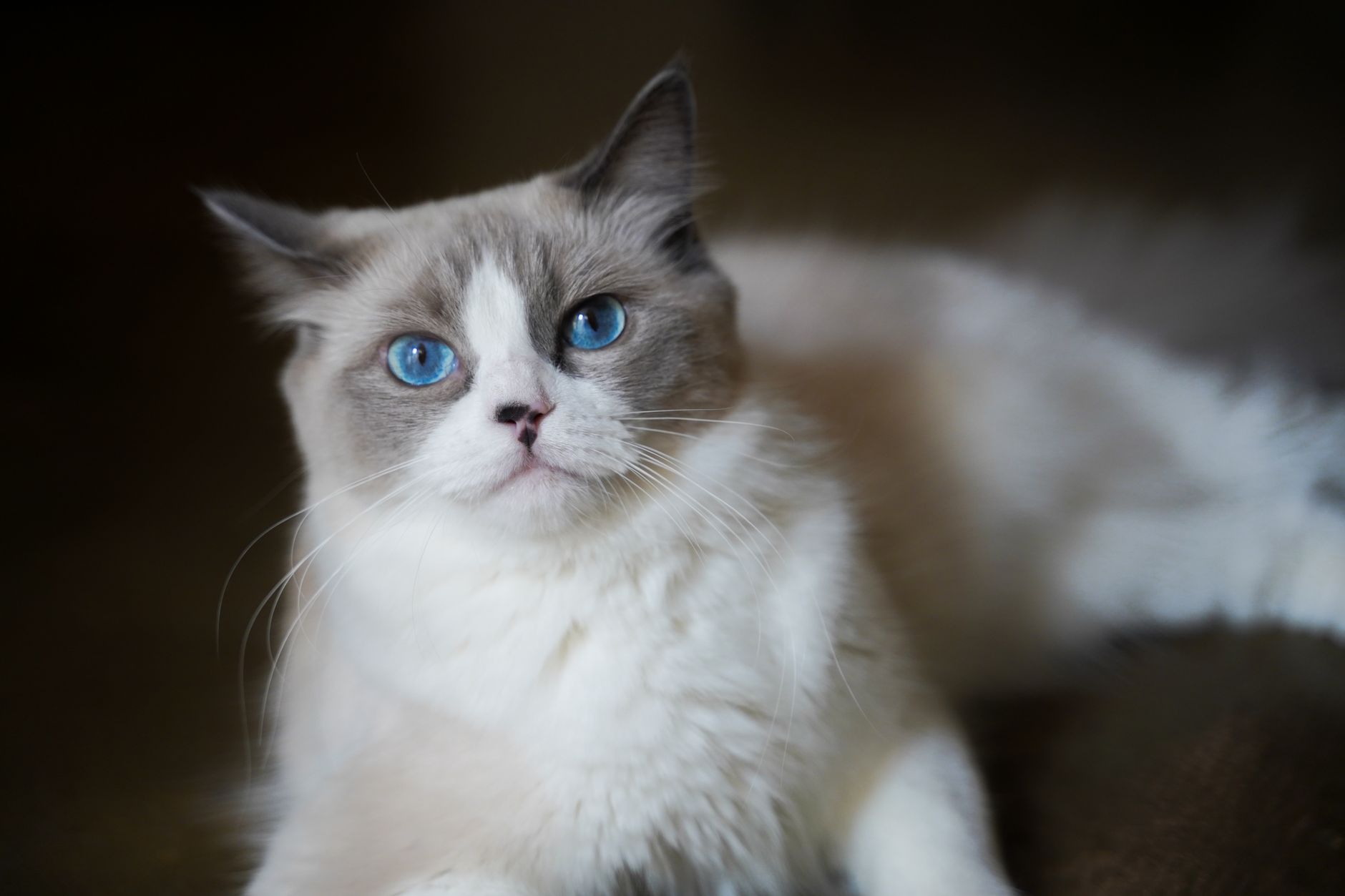
While both breeds are renowned for their calm and affectionate natures, their behavioral expressions differ slightly in a household environment. Ragdolls are famous for their muscle-relaxing ‘floppy’ behavior when held, which is a genuine physical relaxation response.
Birmans are incredibly gentle and quiet, but they tend to be slightly more active and curious than the laid-back Ragdoll.
What I see most often in practice is that Birmans will follow their owners from room to room with soft chirps, while Ragdolls are content to lounge on the floor near your feet.
- Ragdolls: Prone to relaxing completely when lifted, often acting like a lap dog.
- Birmans: Known for a soft, melodic voice and a tendency to ‘help’ with household chores.
- Playfulness: Birmans retain their kitten-like playfulness slightly longer into adulthood.
- Floor-dwellers: Ragdolls generally prefer to stay low to the ground rather than climbing tall cat trees.
Clinical Health Profiles: What I Screen For
As a veterinarian, health is my primary focus when comparing these two beautiful breeds. Both Ragdolls and Birmans are generally healthy, but they carry genetic predispositions that every owner should actively monitor.
Hypertrophic Cardiomyopathy (HCM), a condition where the heart muscle thickens and restricts blood flow, is the most common cardiac disease in both breeds.
We now have highly accurate DNA tests for the MYBPC3 gene mutation associated with HCM in Ragdolls, which I strongly advise all breeders and owners to utilize.
- Hypertrophic Cardiomyopathy (HCM): Screen annually with echocardiograms in breeding lines.
- Polycystic Kidney Disease (PKD): A hereditary condition causing cysts on the kidneys, more common in Birmans.
- Feline Mucopolysaccharidosis: A lysosomal storage disease occasionally seen in specific Ragdoll lines.
- Congenital Hypotrichosis: A rare condition causing hairlessness and immune issues in some Birman lines.
The Importance of Renal Screening
In my practice, I recommend routine blood chemistry panels and urinalyses starting at age seven for both breeds. This allows us to catch early-stage chronic kidney disease, which Birmans can be genetically susceptible to, long before clinical symptoms appear.
Dietary Needs and Joint Support for Heavy Breeds
Because of their large skeletal frames, Ragdolls require a carefully managed diet to prevent premature wear on their joints. Carrying excess weight is incredibly detrimental to a large cat, putting unnecessary stress on their hips and elbows.
Birmans, while smaller, can also easily become overweight due to their calm, sedentary lifestyle inside the home.
I always tell my clients that preventing obesity is the single best thing they can do to extend their cat’s lifespan and preserve their mobility.
- Incorporate high-quality wet food to support hydration and urinary tract health.
- Add Omega-3 fatty acid supplements (such as wild caught salmon oil) to protect joint cartilage.
- Use puzzle feeders to slow down eating and provide mental stimulation.
- Track body condition score (BCS) monthly; you should easily feel their ribs under their thick fur.
Living with These Breeds: The Vet’s Verdict
Whether you welcome a Ragdoll or a Birman into your home, you are bringing in a sweet-natured companion that thrives on human connection. Ragdolls are an excellent choice for families with children or other pets, as their relaxed demeanor makes them highly adaptable.
Birmans, with their soft voices and loyal hearts, are perfect for quieter households where they can form a deep, singular bond with their primary caregiver.
Whichever breed you choose, committing to preventative veterinary care, regular grooming, and genetic screening will ensure a long, healthy life together.
Socialization and Stress
Both breeds are sensitive to household stress and environmental changes. Providing vertical spaces, safe hiding spots, and consistent routines will keep their cortisol levels low and prevent stress-induced cystitis.
Frequently Asked Questions
Do Ragdolls shed more than Birmans?
Yes, generally Ragdolls shed more consistently throughout the year due to their larger size and plush coat. Birmans have a silkier coat with less undercoat, which means they tend to shed heavily during seasonal changes rather than constantly.
Are Birmans and Ragdolls good with dogs?
Both breeds are exceptionally good with dog-friendly dogs due to their calm and confident temperaments. I always advise a slow, supervised introduction process to ensure both animals feel safe and relaxed.
How long do Ragdolls and Birmans live?
With excellent veterinary care, both breeds enjoy a long lifespan. Birmans typically live between 12 to 16 years, while Ragdolls average 12 to 15 years, though many exceed these ranges when kept indoors and fed a balanced diet.
Do Ragdolls really not feel pain?
This is a dangerous myth that I must debunk in my clinic. Ragdolls absolutely feel pain just like any other cat; their relaxed, stoic nature simply means they do not always show outward signs of distress, making regular vet checks even more vital.
Can Birmans have green or yellow eyes?
No, according to breed standards, purebred Birmans must always have distinct, deep blue eyes. If a cat has green or gold eyes, it is likely a different breed or a mix, even if it has similar color-point markings.
Are these breeds hypoallergenic?
Neither the Ragdoll nor the Birman is hypoallergenic. Both produce the Fel d 1 protein in their saliva and skin dander, which is the primary trigger for cat allergies in humans.
Sources & Further Reading
- The Cat Fanciers’ Association (CFA)
- Merck Veterinary Manual
- Cornell University College of Veterinary Medicine
Final Thoughts
In the end, choosing between a Ragdoll and a Birman comes down to your household dynamics and personal preferences. If you want a large, floppy, incredibly laid-back companion that will act like a gentle giant, the Ragdoll is hard to beat.
If you prefer a medium-sized, highly devoted companion with a striking royal heritage and classic white paws, the Birman is a magnificent choice. As your veterinarian, my goal is to walk alongside you through every stage of their lives, from early genetic testing to senior joint support.
Whichever breed you welcome, you are guaranteed a lifetime of soft purrs and deep, unquestioning affection.