
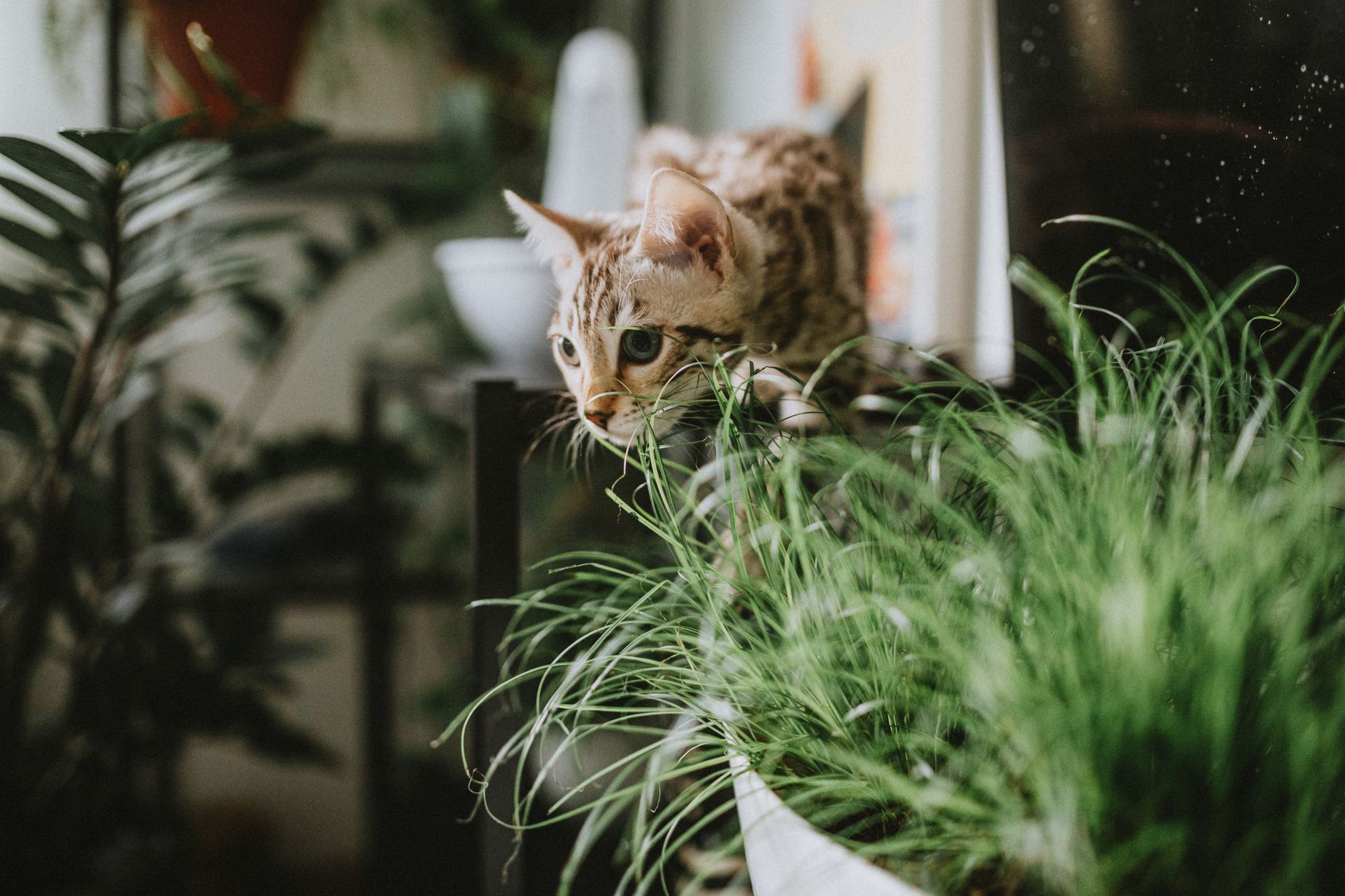
 Bengal vs Savannah: Comparing Two Wild-Looking Cat Breeds” loading=”lazy”>
Quick Summary
While both Bengal and Savannah cats possess striking, wild aesthetics due to their exotic hybrid ancestry, they differ significantly in size, temperament, and care requirements. Bengals are compact, muscular, and highly affectionate athletes descended from the Asian Leopard Cat, whereas Savannahs are exceptionally tall, dog-like, and demanding companions descended from the African Serval. This clinical guide outlines their unique physical traits, behavior profiles, and critical veterinary health considerations.
In my years of clinical practice, I have treated many exotic hybrid cats, and I frequently see owners who were entirely unprepared for the sheer intensity of these breeds.
Bengals and Savannahs are stunningly beautiful, but they are absolutely not your average domestic housecats.
They require specialized environmental enrichment, specific veterinary care, and an owner who can handle their high-octane energy levels. Let’s dive deep into the real-world clinical and practical differences between these two magnificent breeds.
Key Takeaways
- Bengals derive from the Asian Leopard Cat, whereas Savannahs descend from the African Serval, leading to distinct ancestral behaviors.
- Savannahs are the tallest domestic breed, often weighing up to 25 pounds, while Bengals are more compactly built and muscular.
- Both breeds are incredibly high-energy and require intensive vertical space and structural enrichment to prevent destructive behaviors.
- Critical health screenings like annual echocardiograms for HCM are vital for both breeds due to genetic predispositions.
- Savannahs have specific anesthetic sensitivities (particularly to ketamine) that require highly tailored veterinary protocols.
- Ownership laws vary wildly; early-generation (F1-F4) hybrids are heavily restricted or banned in many cities and states.
In This Article
- The Genetic Blueprint: Ancestry and Generations Explained
- Size and Physical Distinctions: Athletic Swimmers vs. High Jumpers
- Temperament and Household Dynamics: What It’s Like to Live With Them
- Clinical Health Profiles: Proactive Veterinary Screenings
- Dietary and Nutritional Demands: Fueling High-Metabolism Hybrids
- Environmental Enrichment: Designing Their Living Space
- Legalities, Ethics, and Choosing a Breeder
The Genetic Blueprint: Ancestry and Generations Explained
To truly understand these breeds, we must look at their genetics and how hybrid breeding works. Bengals are created by crossing a domestic cat with the Asian Leopard Cat (Prionailurus bengalensis), resulting in their trademark glittering, pelt-like coat.
Savannahs are bred by crossing a domestic cat with the African Serval (Leptailurus serval), a tall, lanky wild canine-like feline from the sub-Saharan savannahs.
In my practice, the ‘F’ generation designation of the cat dictates how I approach their medical and behavioral care. This designation tells us how many generations removed the cat is from its wild ancestor.
- F1 Generation: 50% or more wild blood; intense, highly independent, and subject to the most legal restrictions.
- F2 Generation: Roughly 25% to 35% wild blood; still exceptionally energetic and highly demanding.
- F3 and F4 Generations: Transition generations showing more domestic temperaments while retaining wild physical aesthetics.
- SBT (F5 and beyond): Stud Book Traditional; fully domestic in behavior, highly socialized, and generally eligible for TICA cat shows.
Size and Physical Distinctions: Athletic Swimmers vs. High Jumpers
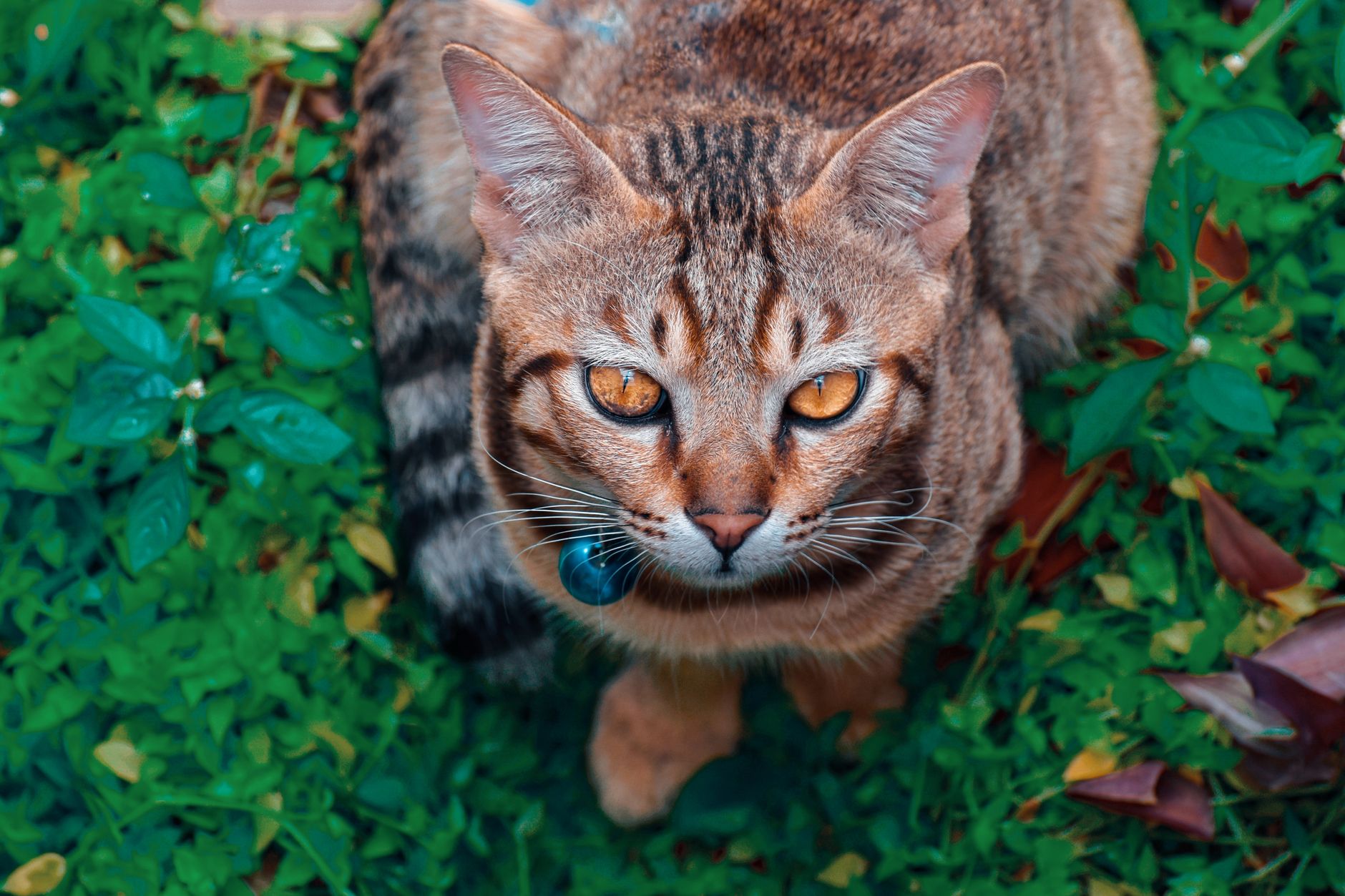
Clients often ask me how to tell these two breeds apart at a glance. I tell them to think of Bengals as compact, muscular Olympic swimmers, and Savannahs as elegant, long-limbed high jumpers.
Bengals typically weigh between 8 to 15 pounds, though some large males can reach 18 pounds. They possess a thick, plush coat that feels like silk, often featuring ‘glitter’—a unique gene that makes the hair shaft reflect light and sparkle.
Savannahs are the tallest domestic breed, especially at the F1 and F2 levels. Their incredibly long legs, deep chests, and long necks make them look much larger than their actual weight, which ranges from 12 to 25 pounds.
Estimating Adult Height vs. Weight
While a male Bengal might be the same weight as a Savannah, the Savannah will stand several inches taller at the shoulder. This dramatic height difference requires distinct lifestyle and structural adjustments in your home.
Temperament and Household Dynamics: What It’s Like to Live With Them
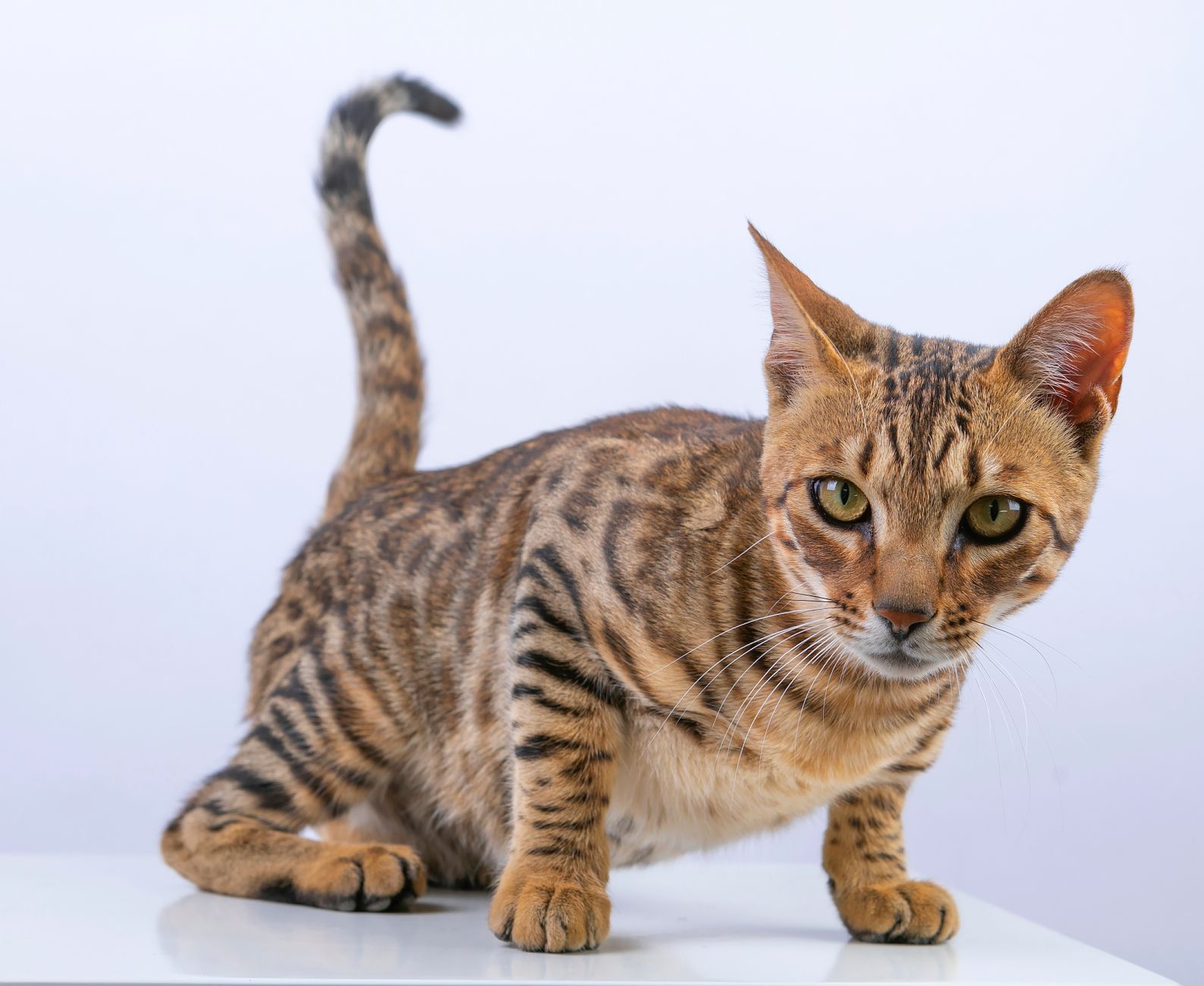
Both of these breeds are incredibly intelligent and active, but they manifest this energy in very different ways. In my experience, a bored Bengal will systematically disassemble your cabinets, while a bored Savannah will jump straight to the top of your refrigerator from a dead stop.
Bengals are highly vocal and demand constant interaction. They love water, and many of my Bengal patients will happily jump into the shower or tub with their owners.
Savannahs are often described as intensely dog-like in their loyalty. They form deep bonds with their primary humans but can remain aloof or suspicious of strangers, requiring early and continuous socialization.
- Vocalization: Bengals are loud, raspy talkers who chat constantly; Savannahs communicate with soft chirps, trills, and a very loud, dramatic hiss.
- Water Affection: Both breeds love water, but Bengals are notorious for splashing in sinks, water bowls, and household tubs.
- Leaping Ability: Savannahs can leap up to 8 feet vertically, requiring high-level vertical home design; Bengals prefer high-speed horizontal running and climbing.
- Social Bonding: Bengals tend to love the whole family; Savannahs often choose one ‘favorite’ person and remain laser-focused on them.
Clinical Health Profiles: Proactive Veterinary Screenings
As a veterinarian, genetic health screening is where I focus most of my discussions with prospective owners. Because of their specialized wild genetics, both breeds are prone to specific hereditary health issues.
Hypertrophic Cardiomyopathy (HCM) is a major concern in both breeds. This is a silent heart disease where the heart muscle thickens over time, potentially leading to sudden heart failure.
I always recommend annual echocardiograms for any breeding cats.
We also see Progressive Retinal Atrophy (PRA) in Bengals, which leads to early blindness, and Pyruvate Kinase (PK) Deficiency, which causes chronic anemia.
- HCM Screening: Annual cardiac ultrasounds by a board-certified veterinary cardiologist are essential for peace of mind.
- PK Deficiency Testing: A simple genetic swab can identify if a Bengal is a carrier of this hereditary hemolytic anemia.
- Ocular Health: Bengals should be DNA-screened for PRA-b to prevent the transmission of early-onset blindness genes.
- Anesthetic Protocols: Savannahs require tailored anesthetic protocols; standard ketamine-based drugs can cause severe adverse reactions in this breed.
The Challenge of Hybrid Male Sterility
Early-generation male hybrid cats (F1 through F3) are almost universally sterile. This presents unique breeding challenges and means early-gen pets are highly prized and difficult to produce.

Dietary and Nutritional Demands: Fueling High-Metabolism Hybrids
In my clinic, I frequently counsel hybrid owners on proper nutrition. These cats have highly active metabolisms and require diets rich in high-quality animal proteins and very low in carbohydrates.
Many Savannah breeders advocate for raw food diets, particularly for early-generation cats. While raw diets can be highly beneficial, they are incredibly difficult to balance correctly at home.
A lack of proper calcium, taurine, or essential vitamins can lead to severe metabolic bone disease or heart failure. If you choose a commercial diet, look for premium, high-protein, grain-free wet foods with meat as the primary ingredient.
- Taurine Levels: Crucial for cardiac health; deficiencies can lead to dilated cardiomyopathy (DCM).
- Calcium-to-Phosphorus Ratio: Must be strictly balanced, especially if feeding raw, to prevent skeletal deformities in growing kittens.
- Hydration Management: Wet food or a pet water fountain is essential to promote urinary tract health and prevent crystals.
- Obesity Prevention: Despite their energy, neutered indoor hybrids can gain weight quickly if fed high-carbohydrate kibble diets.

Environmental Enrichment: Designing Their Living Space
You cannot simply bring a Bengal or Savannah into a standard apartment without making substantial physical modifications. These cats need an environment that allows them to express their natural behaviors.
I highly recommend installing cat shelves, floor-to-ceiling scratching posts, and high-quality exercise wheels. A cat wheel is an exceptional tool for Bengals to burn off excess physical energy safely.
For Savannahs, vertical space is absolutely non-negotiable. They need to be able to look down on their domain from a safe, elevated position to feel secure.
- High-Quality Cat Wheel: Minimum 48-inch diameter to prevent spinal strain in larger Bengal and Savannah cats.
- Vertical Cat Shelves: Sturdy, anchored shelves capable of holding up to 25 pounds for leaping Savannahs.
- Heavy-Duty Scratching Posts: Sisal-wrapped posts that are tall enough for the cat to stretch out fully while scratching.
- Puzzle Feeders: Keeps their highly intelligent minds working for food, preventing boredom-induced destructive behaviors.
Legalities, Ethics, and Choosing a Breeder
Before you fall in love with either breed, you must check your local, county, and state laws. Because of their wild ancestry, early-generation hybrids are banned in several jurisdictions.
For example, F1 through F4 Savannahs are restricted in many areas, while later generations (F5+) are generally legal. Bengals are more widely accepted, but restrictions still exist in places like New York City, Seattle, and Hawaii.
When choosing a breeder, you must be extremely diligent. A reputable breeder will happily provide genetic test results for HCM, PK Deficiency, and PRA.
- TICA Registration: Ensure the breeder is registered with The International Cat Association (TICA).
- Written Health Guarantees: Look for a contract guaranteeing freedom from genetic defects for at least two years.
- Socialization History: Kittens must be handled daily from birth to ensure they adapt successfully to domestic life.
- Zoning Check: Contact your local animal control or health department to confirm breed legality before placing a deposit.
Frequently Asked Questions
Are Bengal or Savannah cats lap cats?
While Bengals can be highly affectionate and cuddle on their own terms, they are generally too active to sit on laps for long. Savannahs are loyal and companionable but prefer to sit near you rather than directly on your lap.
Do Bengal and Savannah cats get along with dogs?
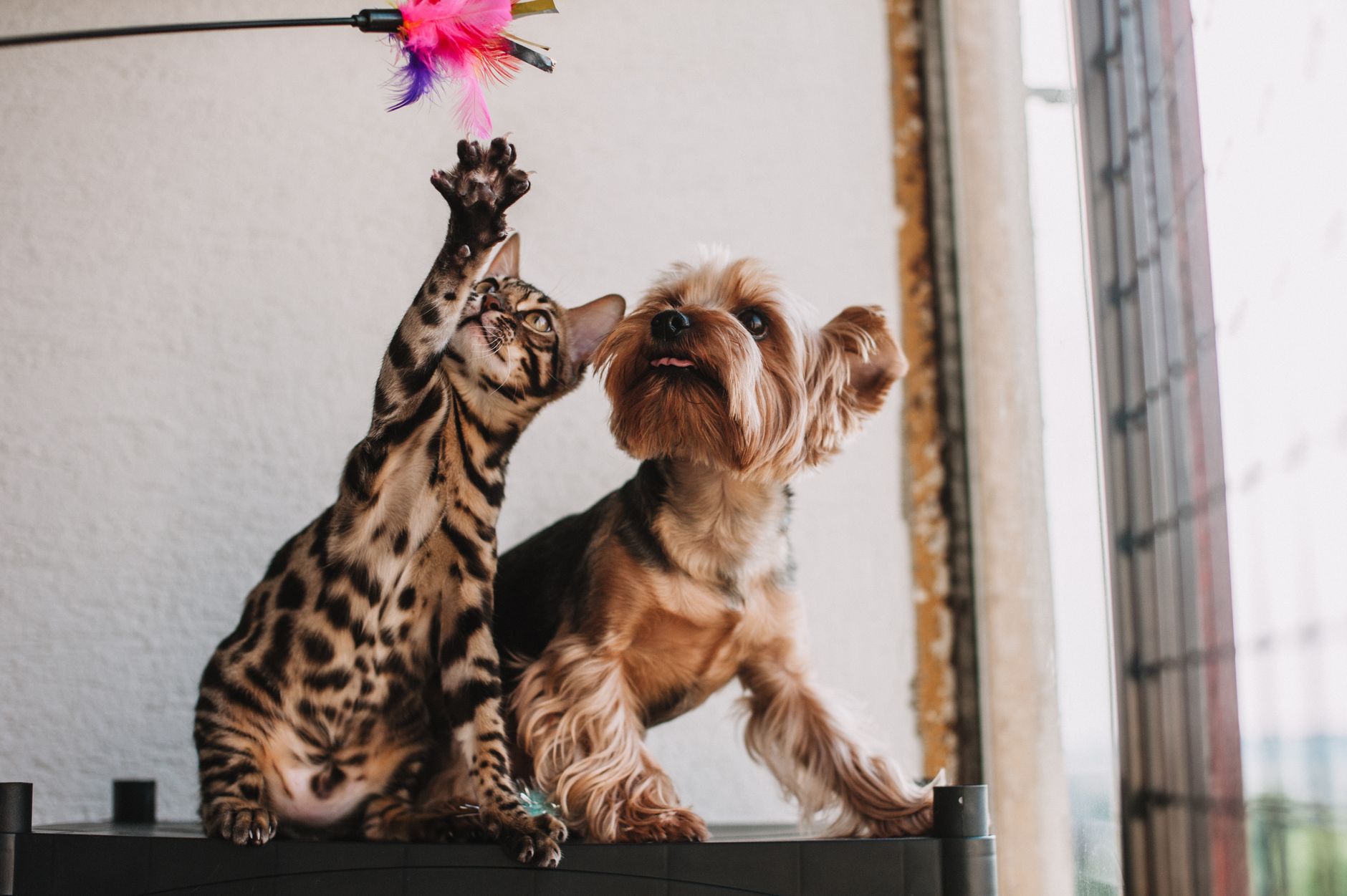
Yes, if properly socialized, both breeds often get along exceptionally well with dogs, especially high-energy, cat-friendly breeds. Their dog-like personalities make them great playmates for canine companions.
Why are Savannah cats so expensive compared to Bengals?
Savannahs are harder to breed due to the genetic differences between domestic cats and African Servals, often leading to low fertility rates and smaller litters. F1 and F2 Savannahs require specialized care and facilities, which significantly drives up the cost.
Can these breeds be kept strictly indoors?
Absolutely, and they should be kept indoors or in a secure outdoor catio for their own safety and the safety of local wildlife. Their strong hunting instincts and high value make unsupervised outdoor roaming extremely risky.
How long do Bengal and Savannah cats live?
With proper care, a balanced diet, and regular veterinary check-ups, both Bengals and Savannahs have a typical lifespan of 12 to 16 years, similar to other domestic cat breeds.
Sources & Further Reading
- International Cat Care
- PetMD
- The Cat Fanciers’ Association (CFA)
- American Veterinary Medical Association (AVMA)
Final Thoughts
Adopting a Bengal or a Savannah cat is a major, life-changing commitment that requires a deep understanding of their unique biological and behavioral needs. As a veterinarian, my goal is always to ensure that these spectacular animals end up in homes where they can truly thrive.
Bengals offer a sleek, athletic, and water-loving companion, while Savannahs provide a majestic, tall, and intensely loyal partner. If you have the time, space, and energy to meet their demanding lifestyle, you will be rewarded with an incredibly intelligent, dynamic companion like no other.
Always prioritize health testing and ethical breeders to set your new exotic family member up for a long, vibrant life.