
Havana Brown Longhair Breed Guide

Quick Summary
The Havana Brown Longhair is a rare and striking semi-longhaired feline known for its rich, warm mahogany-toned coat, expressive green eyes, and exceptionally tactile, dog-like personality. Best suited for households that can provide abundant social interaction and mental stimulation, these cats crave human companionship and actively participate in daily household routines.
Quick Facts
- origin countryUnited Kingdom / United States
- breed groupNot universally recognized (often classified with Havana Brown or Suffolk variants)
- sizeMedium, semi-foreign type
- weight range6 – 12 lbs (2.7 – 5.4 kg)
- height range9 – 11 inches (23 – 28 cm)
- lifespan10 – 15 years
- coat typeSemi-longhair, silky, and fine
- common colorsRich mahogany brown, warm chocolate, or lilac (in some registries)
- other namesSuffolk Chocolate Longhair, Longhaired Havana
- recognized byTICA (under experimental/Suffolk registration), GCCF (as Suffolk)
Caring for a Havana Brown Longhair
Living with a Havana Brown Longhair is an interactive experience; they are not passive ornaments but active participants in your day. In my years treating this breed, I have observed that they possess an almost primate-like dexterity, using their paws to investigate objects, open cabinets, and gently tap your face for attention. Their semi-long coat is surprisingly low-maintenance compared to a Persian, but it does require regular brushing to prevent the fine, silky hairs from matting. Because they thrive so heavily on social contact, they should not be left alone for long stretches without a companion pet or interactive toys.
Is a Havana Brown Longhair a good family pet?
Absolutely. Their affectionate and highly social nature makes them wonderful family companions who actively seek out human interaction. They generally tolerate respectful children well and enjoy being part of the daily household bustle.
Do Havana Brown Longhairs shed a lot?
They shed moderately. Because their coat is single-layered and lacks a dense, woolly undercoat, they shed significantly less than other longhaired breeds, but they still require weekly brushing to manage loose hairs.
Is a Havana Brown Longhair good for first-time owners?
Yes, provided the owner understands their high demand for attention and mental stimulation. They are highly adaptable and loving, but an owner expecting a aloof, low-maintenance cat may find their constant desire for interaction overwhelming.
Temperament & Personality
The temperament of the Havana Brown Longhair is a delightful mix of Siamese intelligence and domestic calm. They are deeply affectionate, often insisting on sleeping under the covers or curling up on your lap the moment you sit down. Unlike some vocal Oriental breeds, their voice is typically soft and quiet, though they will use subtle chirps and trills to ‘talk’ to you. They are highly curious and will follow you from room to room, supervising chores and demanding to be included in whatever you are doing.
Is a Havana Brown Longhair good with other pets?
Yes, they are exceptionally gregarious and thrive in multi-pet environments. They generally bond very quickly with other cats and cat-friendly dogs, which helps satisfy their need for social interaction when you are away.
How much attention does a Havana Brown Longhair need?
They require a high level of daily interaction and do not do well in households where they are left completely alone for 8 to 10 hours a day. They need dedicated playtime, puzzle toys, and physical affection to remain emotionally healthy.
Training & Behavior
Highly intelligent and motivated by human praise, the Havana Brown Longhair is remarkably easy to train. They learn household rules quickly, though their intense curiosity means they will test boundaries, particularly when it comes to high surfaces and closed doors. What I see most often in practice is their natural aptitude for interactive games like fetch and leash walking, which provides both mental stimulation and safe physical exercise.
Training Tips
- Use positive reinforcement with high-value treats like freeze-dried chicken.
- Keep training sessions short and engaging, lasting no more than 5 to 10 minutes.
- Introduce clicker training early to teach complex tricks like ‘shake’ or ‘spin’.
- Provide vertical scratching posts and cat trees to satisfy their climbing instincts.
- Establish consistent boundaries early to prevent unwanted counter-surfing.
Fun Activities
- Playing fetch with lightweight crinkle balls
- Leash training and walking in a secure harness
- Solving level-2 and level-3 food puzzle toys
- Learning agility courses using treat lures
- Interactive wand play targeting their high-jump abilities
Is a Havana Brown Longhair easy to train?
Yes, their high intelligence and desire to please make them highly receptive to clicker training and basic commands. They can easily be trained to fetch toys, come when called, and walk on a leash.
Havana Brown Longhair Health Issues
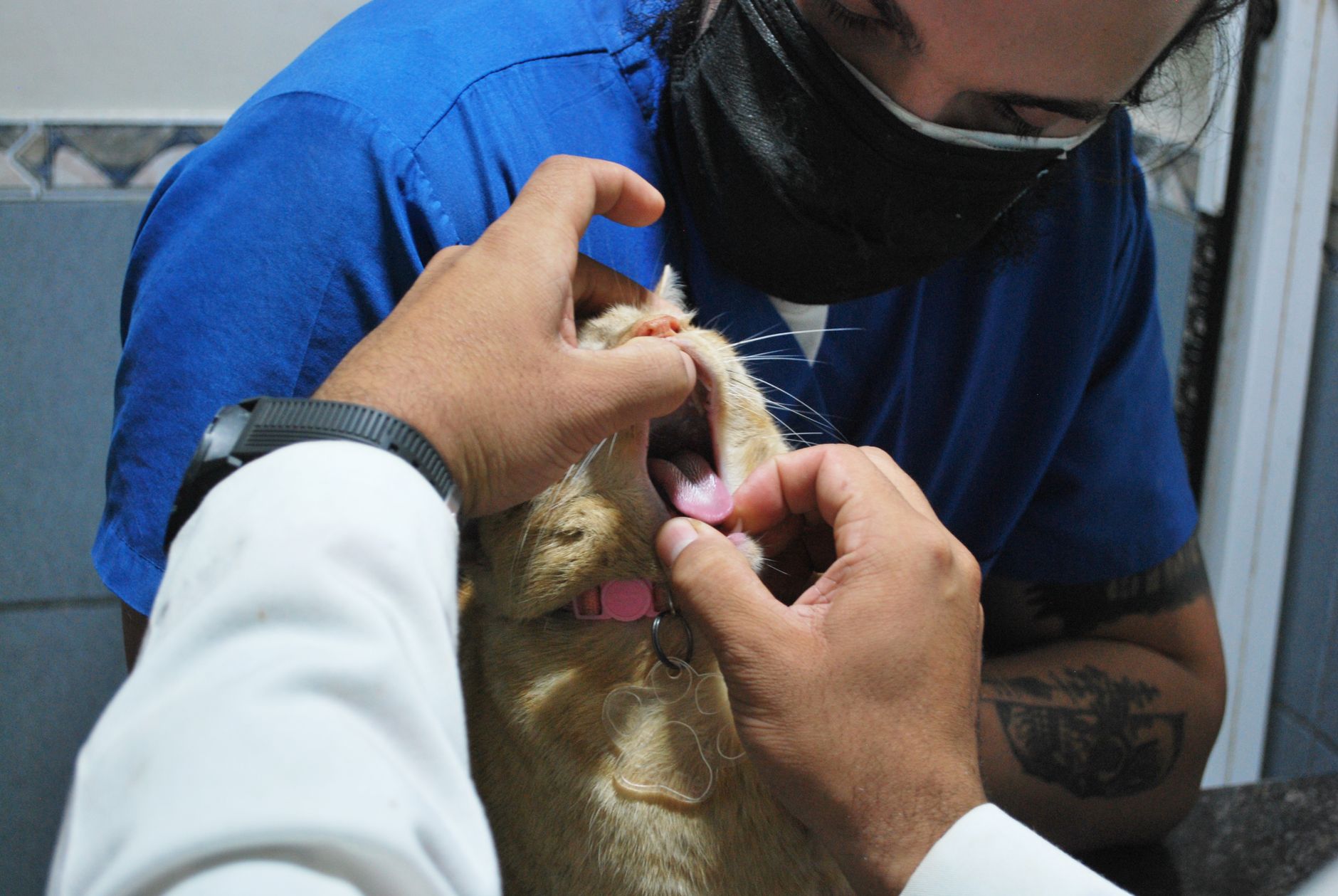
The Havana Brown Longhair is generally a robust and healthy breed, but like all pedigree cats, they are susceptible to specific inherited and lifestyle-related conditions. In my clinical experience, maintaining a healthy weight and prioritizing preventative dental care are key to ensuring a long, vibrant life.
Calcium Oxalate Urolithiasis
A condition where calcium oxalate stones form in the urinary tract, bladder, or kidneys. This breed has a known statistical predisposition to these stones, which cannot be dissolved medically and often require surgical removal.
Hypertrophic Cardiomyopathy (HCM)
An inherited cardiac disease characterized by the thickening of the left ventricular heart wall. Over time, this thickening compromises heart function and can lead to congestive heart failure or blood clots.
Periodontal Disease
Due to their moderately narrow head structure, these cats can experience crowding of the teeth, which accelerates plaque buildup, gingivitis, and early tooth loss if left untreated.
Upper Respiratory Infections (URIs)
Young Havana Browns can be highly sensitive to viral and bacterial respiratory pathogens, particularly in multi-cat environments or during times of stress.
Obesity
Despite their playful nature, indoor-only cats are prone to gradual weight gain as they transition into adulthood, which places undue stress on their joints and increases diabetes risk.
How long do Havana Brown Longhairs typically live?
With proper nutrition, regular veterinary checkups, and an indoor-only lifestyle, they typically live between 10 and 15 years, with many reaching their late teens.
What to Feed a Havana Brown Longhair
Proper nutrition is critical to maintaining the lean, muscular build of the Havana Brown Longhair and supporting the health of their silky coat. Because they are prone to urinary stones, keeping them well-hydrated is a top medical priority.
Best Diet
I highly recommend a diet consisting primarily of high-quality, grain-free wet food. Wet food provides the essential moisture needed to dilute urine and reduce the concentration of minerals that form bladder stones. If feeding dry food, look for formulas rich in omega-3 and omega-6 fatty acids to nourish their semi-long coat.
How to Feed
Feed measured meals two to three times a day rather than free-feeding, which easily leads to obesity. Use ceramic, stainless steel, or glass dishes to prevent feline acne, and wash the bowls daily.
How Much to Feed
Portion sizes should be calculated based on your cat’s specific target weight, age, and activity level. As a general starting point, an active 8-pound adult cat requires roughly 200 to 220 calories per day, but you must consult your veterinarian to tailor this precisely.
Nutritional Tips
Incorporate a pet water fountain to encourage active drinking, which is vital for urinary tract health. Additionally, consider adding a veterinary-approved wild Alaskan salmon oil supplement to support skin barrier health and maintain that signature coat luster.
Havana Brown Longhair Grooming Guide
While they are longhaired cats, their coat lacks a dense, woolly undercoat, making grooming much more manageable than that of a Persian or Maine Coon. A consistent weekly routine will keep their mahogany fur gleaming and mat-free.
Coat Care
Brush the coat twice a week using a medium-toothed comb or a slicker brush, paying special attention to the softer fur under the armpits and around the trousers. During seasonal shedding periods in spring and fall, increase this to three or four times a week.
Skin Care
Monitor the skin for any signs of dryness or flaking, which can indicate nutritional deficiencies or environmental allergies. Bathe only when necessary, using a soap-free, oat-based feline shampoo.
Eye Care
Wipe the corners of the eyes gently with a damp, warm cotton ball to remove any mild discharge, using a fresh cotton ball for each eye to prevent spreading potential infections.
Ear Care
Inspect the ears weekly for dirt, wax accumulation, or redness. Clean only when needed using a vet-approved, alcohol-free ear cleanser and a cotton pad, never inserting cotton swabs into the ear canal.
Nail & Dental Care
Trim the nails every two to three weeks with a sharp guillotine-style trimmer. Brush their teeth at least three times a week with veterinary enzymatic toothpaste to combat their genetic predisposition to periodontal disease.
Considerations for Pet Parents
Pros
- Stunning and unique mahogany-colored semi-long coat
- Highly affectionate and forms deep, loyal bonds with owners
- Dog-like, interactive personality that enjoys learning tricks
- Quiet, gentle voice that is communicative without being loud
- Generally excellent with other cats and friendly dogs
- Very dexterous and entertaining to watch during play
Cons
- Extremely rare and can be very difficult to find from reputable breeders
- High demand for human attention; prone to separation anxiety
- Genetic predisposition to calcium oxalate urinary stones
- Requires consistent dental hygiene to prevent early periodontal disease
Best For
This breed is ideal for active households, multi-pet homes, and individuals who work from home and want an interactive, highly affectionate shadow to accompany them throughout the day.
Not Recommended For
It is not recommended for busy professionals who travel frequently or are out of the house for long hours, nor is it suitable for those looking for an independent, low-maintenance pet.
Cost
- purchase price$1,200 – $2,500 USD
- monthly cost$80 – $150 USD
- initial setupInitial costs including spay/neuter, vaccinations, high-quality scratching posts, cat trees, grooming tools, and veterinary-approved dental kits will average $600 – $900.
Similar Breeds

Havana Brown
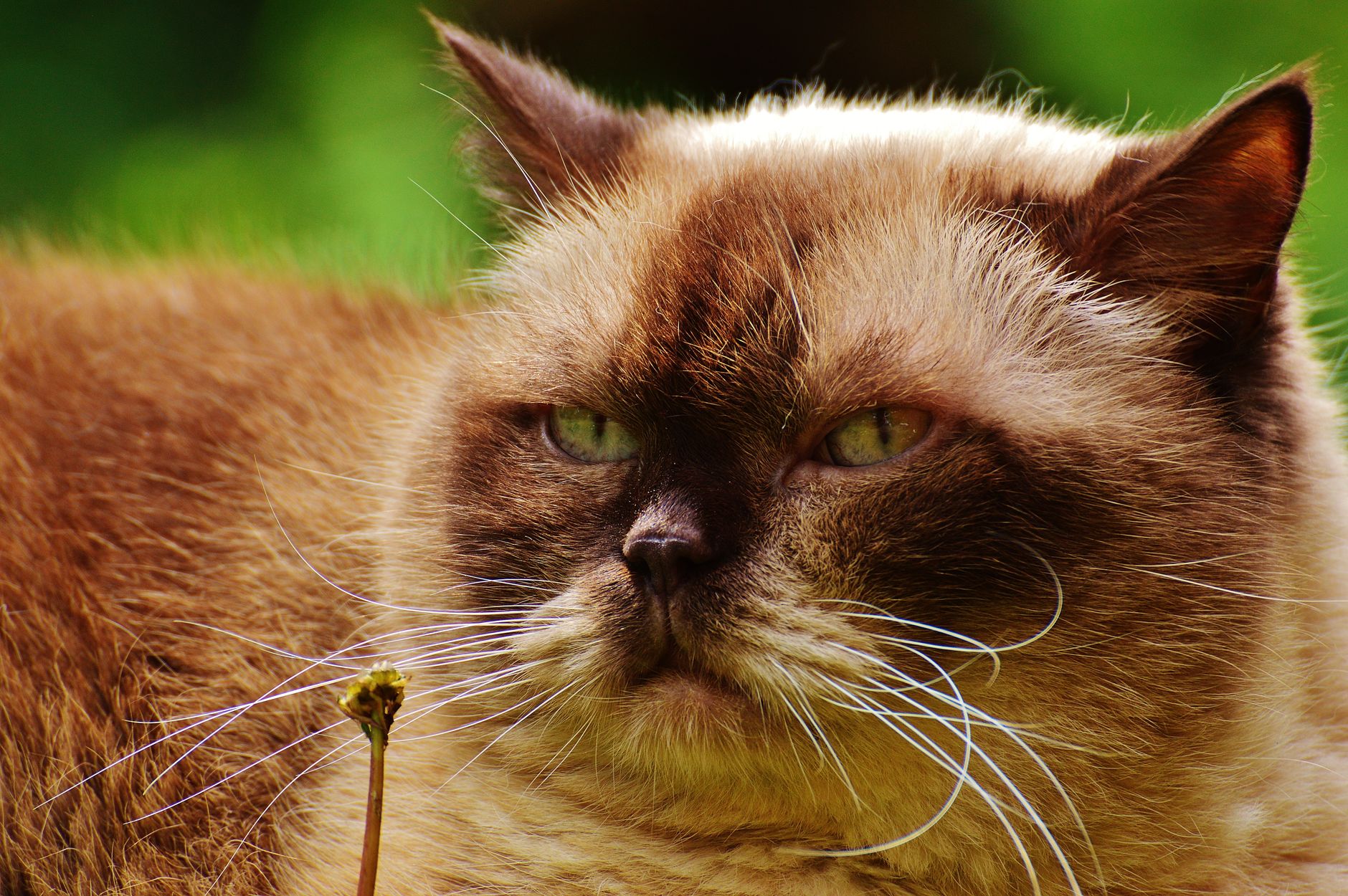
Suffolk (Suffolk Chocolate)
Havana Brown Longhair FAQs
Is the Havana Brown Longhair a recognized breed?
It is recognized by some registries under developmental or alternative names. For example, the Governing Council of the Cat Fancy (GCCF) recognizes the Suffolk, which includes a semi-longhair variant, while other registries classify them as experimental or register them directly under Havana Brown pedigree lines carrying the longhair gene.
Why is it called a ‘Havana’ if it didn’t originate in Cuba?
The breed was named ‘Havana’ not because of its geographical origin, but because its rich, warm brown color closely resembled the shade of a fine Havana cigar or the coat of the Havana rabbit.
How can I prevent bladder stones in my Havana Brown Longhair?
The most effective prevention is maximizing water intake. Feed a high-moisture canned food diet, utilize pet water fountains, and consult your vet about regular urinalysis screenings to monitor urine pH and crystalluria.
Are they hypoallergenic?
No, they are not hypoallergenic. While they lack a thick undercoat and may produce slightly less airborne dander than some heavy-shedding breeds, they still produce the Fel d 1 allergen in their saliva, skin, and dander.
What is the difference between a Havana Brown and a Havana Brown Longhair?
The primary difference is coat length. The standard Havana Brown has a short, smooth, close-lying coat, whereas the Longhair variant has a semi-long, silky coat with elegant feathering on the ears, chest, and tail.
Why do they use their paws so much?
This is a distinctive genetic trait of the breed. They are highly tactile cats that use their paws to touch, feel, and investigate unfamiliar objects, as well as to gently tap their owners to ask for attention or food.
What color are their eyes supposed to be?
A true Havana Brown Longhair must have vivid, green eyes. The shade of green can range from chartreuse to deep emerald, with deeper shades generally being preferred in breed standards.
Can they be left alone during the workday?
They do not tolerate isolation well. If you work standard 8-hour days, it is highly recommended to have a second cat or a companion pet in the home to prevent loneliness, boredom, and separation-induced behavioral issues.
Do they get along with dogs?
Yes, their outgoing and confident temperament makes them excellent candidates for homes with dogs, provided the dog is cat-friendly and introductions are made slowly and safely.
How often should I brush their teeth?
Ideally, daily, but at least three times a week is essential. Because of their predisposition to early-onset gingivitis and periodontal disease, mechanical brushing with feline-safe toothpaste is vital to their preventative healthcare.
Do they have a strong prey drive?
Yes, they are highly active hunters. They love chasing feather toys, laser pointers, and wind-up toys, and should not be housed unsupervised around small pocket pets like hamsters, mice, or birds.
Are they prone to any specific allergies?
While not uniquely prone to allergies, their fine skin can occasionally react to fleas, artificial fragrances in litters, or specific dietary proteins. Regular flea prevention and hypoallergenic household products are recommended.