
Akbash Breed Guide
Quick Summary
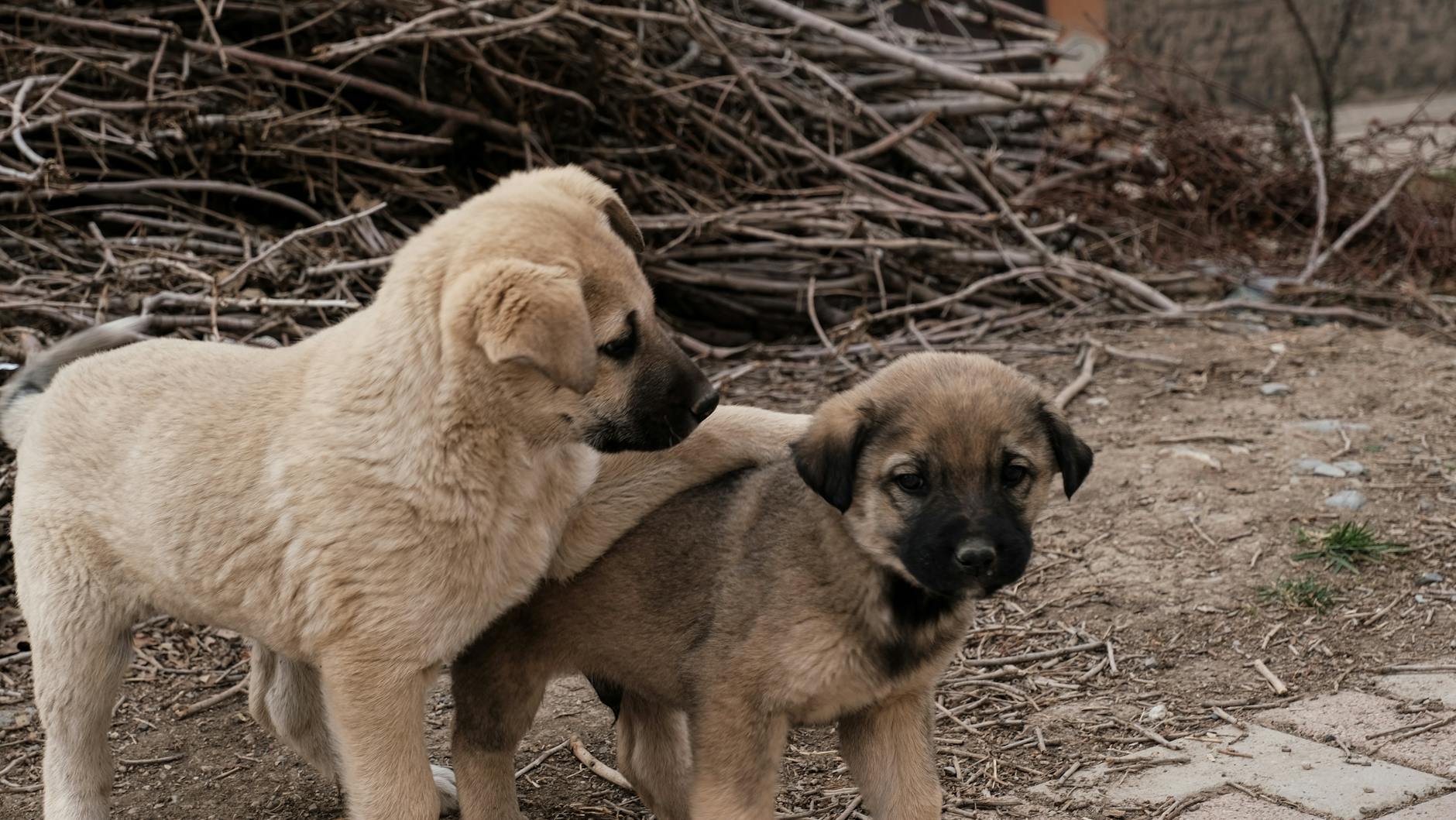
The Akbash is a majestic, fiercely independent Turkish livestock guardian breed best suited for experienced owners with significant acreage. Combining an innately protective nature with a calm, watchful disposition, they require early socialization and confident, positive leadership to thrive outside of their traditional working environments.
Quick Facts
- origin countryTurkey
- breed groupGuardian Dog (UKC)
- sizeGiant
- weight range75 to 140 lbs (34 to 64 kg)
- height range27 to 34 inches (69 to 86 cm)
- lifespan10 to 12 years
- coat typeDouble coat, medium to long, weather-resistant
- common colorsSolid White
- other namesAkbaş Çoban Köpeği, Akbash Dog
- recognized byUKC, ADI (Akbash Dogs International)
Caring for a Akbash
Living with an Akbash means managing an active, deeply hardwired guardian mind. In my practice, I find they do poorly in suburban settings or apartments; they need secure, high fencing and a job or large perimeter to patrol. They are naturally clean but shed heavily during seasonal blowouts, requiring dedicated brushing. Daily mental stimulation and low-impact exercise are vital to keep their giant frames healthy without stressing developing joints.
Is a Akbash a good family pet?
While deeply loyal and protective of their immediate ‘flock’, their extreme guarding instincts mean they are not typical family-friendly companions for busy, social households. They are suspicious of visiting strangers and require vigilant management when guests arrive.
Do Akbashs shed a lot?
Yes, they possess a dense double coat that sheds moderately year-round and blows out massively twice a year. During these seasonal transitions, expect daily brushing sessions to manage the heavy undercoat shed and prevent painful skin matting.
Is a Akbash good for first-time owners?
Absolutely not. In my clinic, I’ve seen well-meaning novices overwhelmed by this breed’s immense size, extreme independence, and natural guarding instincts. They require a confident handler who understands livestock guardian psychology.
Temperament & Personality
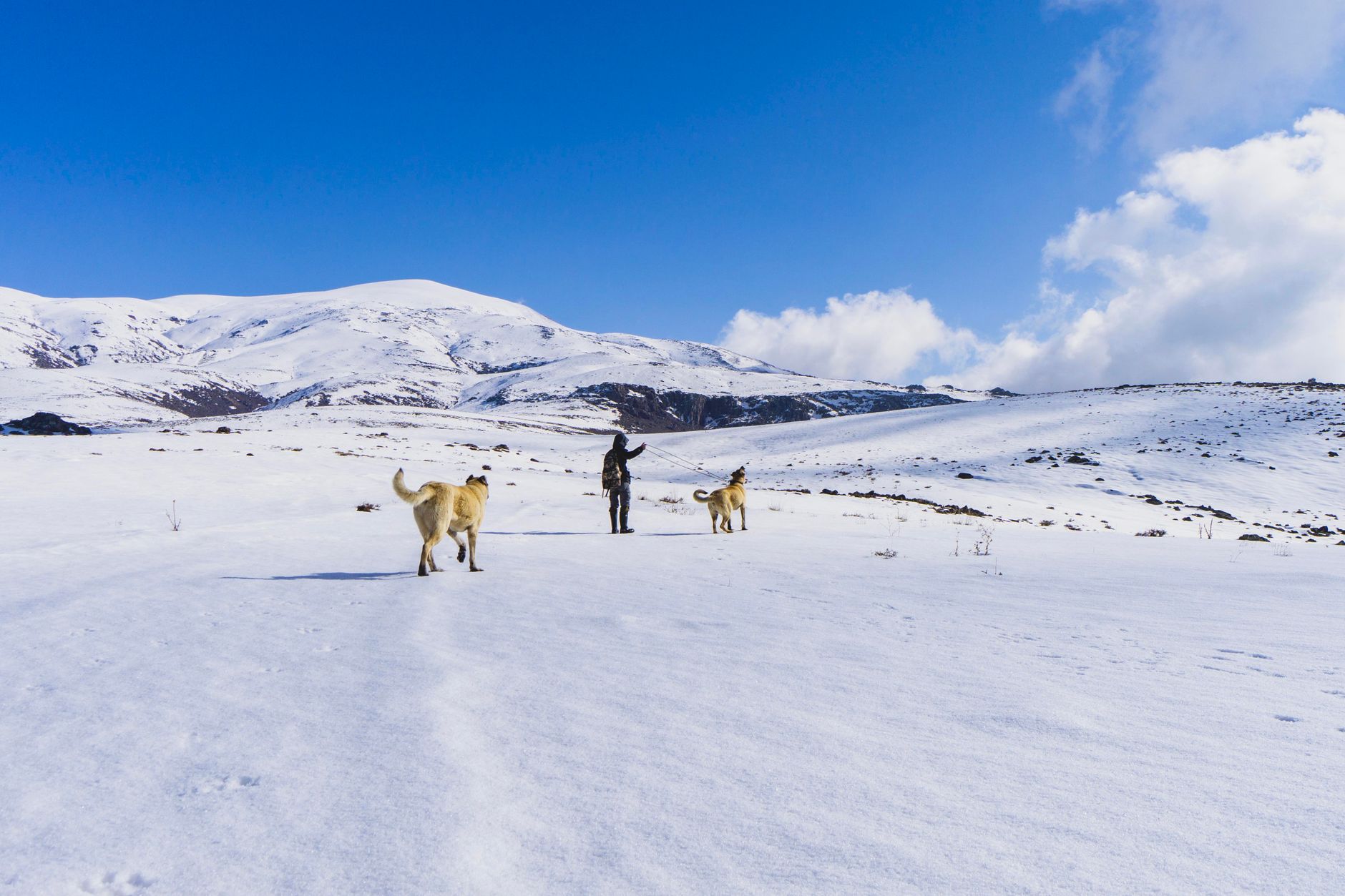
The Akbash is characterized by a quiet, serious, and deeply independent temperament. Unlike companion breeds, they do not constantly seek human approval; instead, they assess situations autonomously and act on instinct. In my clinical observations, they are incredibly calm when relaxed but can transition to a formidable guardian state in a split second if they perceive a threat.
Is a Akbash good with other pets?
They can co-exist beautifully with livestock and household pets they are raised with from puppyhood, viewing them as part of their charge. However, their high prey drive and territorial nature mean they are often aggressive toward strange dogs or animals entering their territory.
How much attention does a Akbash need?
They are highly independent and do not suffer from separation anxiety like many companion breeds, making them content to spend hours patrolling alone. However, they still require consistent, structured daily interaction with their owners to maintain a strong bond and reinforce boundaries.
Training & Behavior
Training an Akbash is an exercise in mutual respect rather than absolute obedience. They are highly intelligent but incredibly independent, meaning they will assess your commands and choose whether to obey based on the necessity they perceive. In my practice, I emphasize that traditional compliance-based obedience is rarely successful; you must focus on early social boundaries and positive reinforcement.
Training Tips
- Begin intensive socialization before 16 weeks of age
- Use high-value rewards like real meat to motivate
- Keep training sessions short, varied, and respectful
- Never use harsh physical discipline as it damages trust
- Teach a strong ‘leave it’ command early on
Fun Activities
- Farm patrol and livestock guarding chores
- Scent work and tracking games
- Long, structured pack walks on a leash
- Puzzle toy extraction challenges
Is a Akbash easy to train?
No, they are notoriously difficult for those accustomed to eager-to-please breeds like Retrievers. Their innate drive to think and act independently means they require consistent, patient, and creative training from an owner who understands working guardian behavior.
Akbash Health Issues
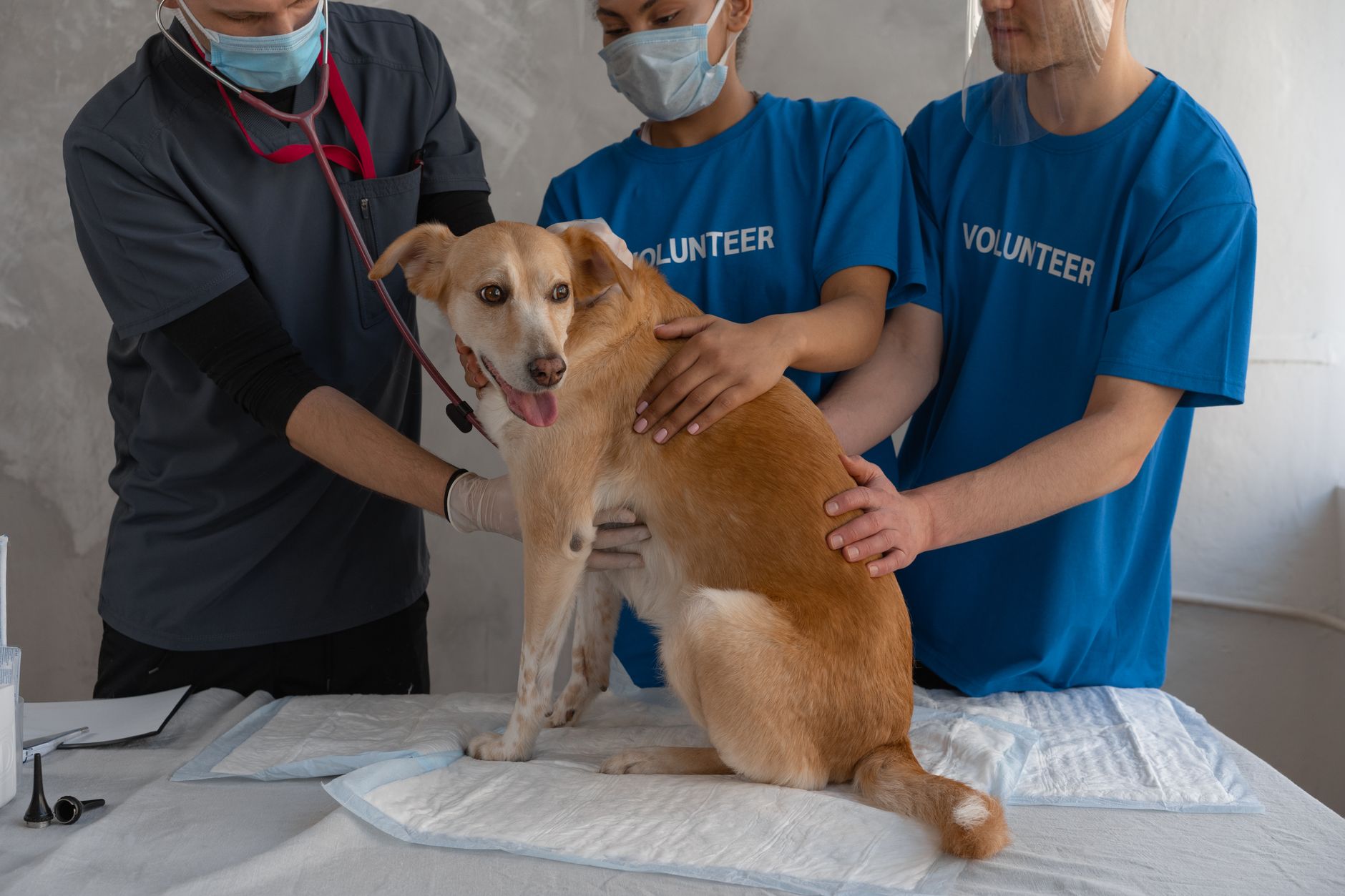
As a landrace working breed, the Akbash is relatively hardy compared to some modern giant breeds, but they are still genetically predisposed to several orthopedic and systemic conditions. In my years treating this breed, managing their rapid growth rate and maintaining a lean body condition are the absolute keys to preventing chronic joint issues.
Hip and Elbow Dysplasia
An inherited orthopedic condition where the joint ball and socket do not fit together smoothly, leading to progressive arthritis and mobility loss. This is especially prevalent in fast-growing giant breeds like the Akbash.
Gastric Dilatation-Volvulus (GDV or Bloat)
A life-threatening medical emergency where the deep-chested stomach fills with gas and twists on its axis, cutting off blood supply. In my clinic, I always discuss preventative gastropexy surgery during spay/neuter procedures for this breed.
Hypothyroidism
An underactive thyroid gland that fails to produce adequate metabolic hormones, leading to a slowed metabolism. Fortunately, it is easily diagnosed via a blood panel and managed with inexpensive daily oral hormone replacements.
Osteochondritis Dissecans (OCD)
An inflammatory condition where diseased cartilage separates from the underlying bone, most commonly affecting the shoulders or elbows of rapidly growing giant-breed puppies.
Cruciate Ligament Rupture
A tearing of the cranial cruciate ligament in the knee, often precipitated by chronic joint instability or sudden twisting injuries on a heavy frame. Treatment almost always requires surgical stabilization such as TPLO.
How long do Akbashs typically live?
The typical lifespan for an Akbash is 10 to 12 years. Providing high-quality large-breed puppy food to prevent rapid growth, keeping them lean, and using joint supplements early on can help maximize their healthy years.
What to Feed a Akbash
Feeding an Akbash requires a careful balance to prevent rapid growth in puppyhood and obesity in adulthood. Because they have a relatively slow metabolism for their size, overfeeding can severely impact their joint health.
Best Diet
I recommend a high-quality, large-breed-specific formula with a controlled calcium-to-phosphorus ratio for puppies. Adults benefit from premium kibble formulated for giant breeds, incorporating joint-support ingredients like glucosamine.
How to Feed
To help prevent bloat, split their daily ration into two or three smaller meals rather than one large feeding. Always use slow-feeder bowls and enforce a strict resting period of at least one hour before and after meals.
How Much to Feed
Portion sizes typically range from 4 to 6 cups of high-quality kibble daily, but this must be adjusted based on their metabolic rate, weight, and activity level. I advise owners to monitor their dog’s body condition score closely, aiming to always feel but not see the ribs.
Nutritional Tips
Incorporate daily high-quality marine-derived omega-3 fatty acids (EPA/DHA) to support joint health and protect their skin barrier. Avoid high-protein, high-calorie performance diets unless they are actively working livestock in cold climates.
Akbash Grooming Guide
The Akbash is a low-maintenance breed regarding body odor, but their thick double coat demands consistent grooming to prevent matting. They are naturally clean dogs, often described as having a cat-like grooming habit that repels mud and dirt once dried.
Coat Care
Perform a thorough brushing twice a week using a slicker brush and an undercoat rake to remove dead hair. During their spring and fall coat blowouts, daily raking is required to prevent massive wool mats from forming near the skin.
Skin Care
Avoid frequent bathing, which strips the natural weather-resistant oils from their coat; a bath every 3 to 4 months is usually plenty. Regularly inspect their skin for hot spots, especially during humid summer months under their dense fur.
Eye Care
Wipe the corners of their eyes weekly with a damp, clean cloth to remove any dust or mild discharge accumulated during patrol.
Ear Care
Check their floppy ears weekly for redness, debris, or a sweet/musty odor, which can indicate a yeast infection common in drop-eared breeds, and clean them with a vet-approved drying solution.
Nail & Dental Care
Trim their thick nails every 3 to 4 weeks using a heavy-duty clipper or grinder to prevent splayed toes, and brush their teeth at least three times a week with canine enzymatic toothpaste.
Considerations for Pet Parents
Pros
- Exemplary and fearless natural guard dog
- Quiet, calm, and low-energy indoors
- Highly loyal and devoted to their family pack
- Naturally clean coat that repels dirt and odors
- Highly independent and comfortable spending time alone
- Very tolerant of extreme cold and harsh weather
Cons
- Extremely suspicious of strangers and visiting guests
- Can be highly aggressive toward strange dogs
- Not suited for suburban or apartment living due to barking
- Intense, heavy seasonal shedding blowouts
- Highly independent nature makes training difficult for novices
Best For
The ideal owner is an experienced handler living on acreage, a farm, or a ranch who needs an active, independent livestock guardian or a dedicated perimeter watch dog.
Not Recommended For
I do not recommend this breed for first-time dog owners, suburban families with frequent social guests, or anyone living in an apartment or close-knit community where their protective barking will cause conflicts.
Cost
- purchase price$800 – $1,800
- monthly cost$150 – $250
- initial setupBudget significantly for heavy-duty fencing (at least $3,000+), giant-sized crates, and gastropexy surgery, which can add $500 to $1,000 to the spay/neuter cost.
Similar Breeds
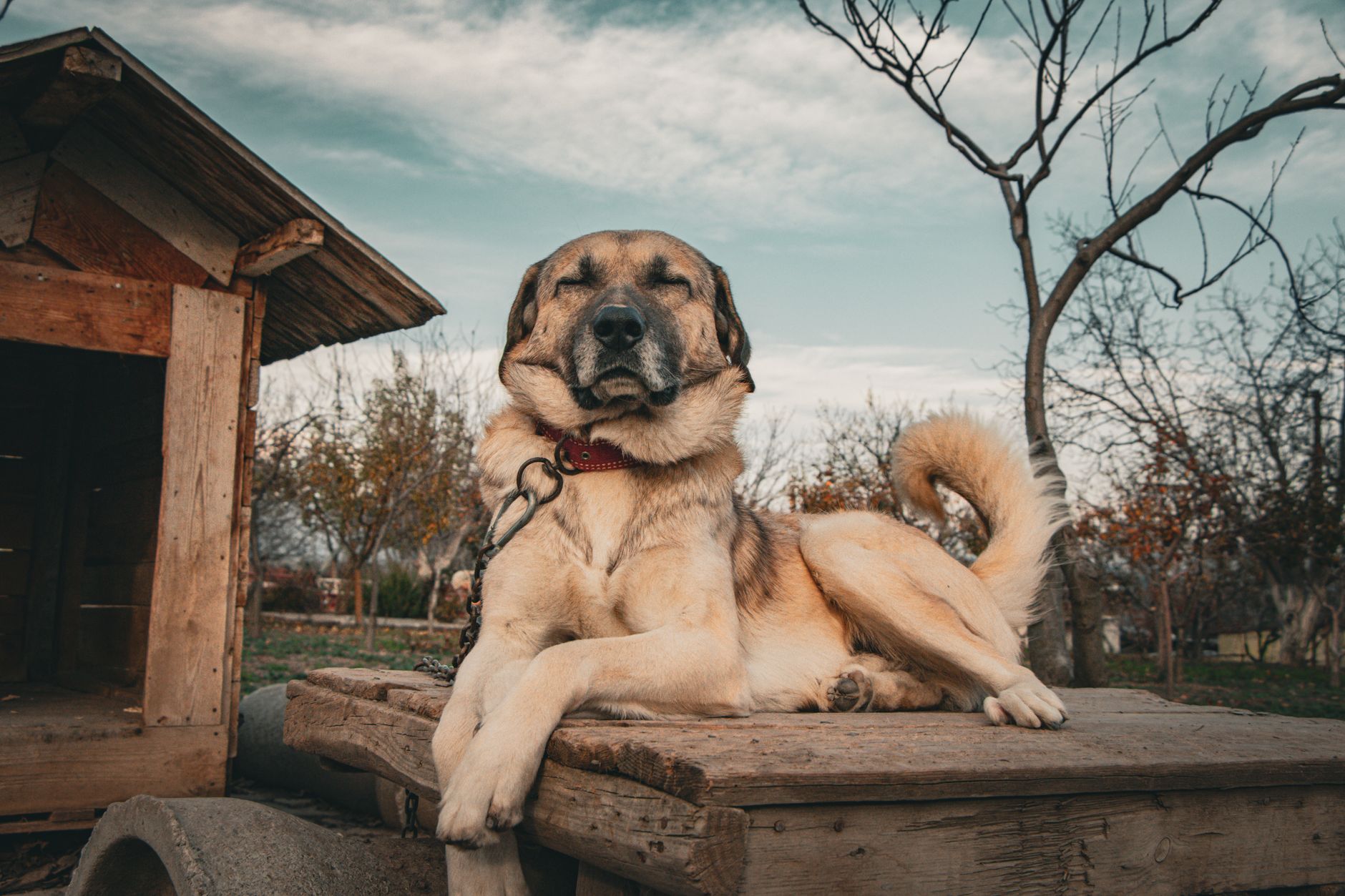
Anatolian Shepherd
Kangol
Akbash FAQs
Are Akbash dogs aggressive?
They are not randomly aggressive, but they possess a highly developed, ancient protective instinct. If they perceive a threat to their family, territory, or livestock, they will defend them fearlessly. Proper, lifelong socialization is critical to help them distinguish between normal activities and actual threats.
Can an Akbash live in an apartment?
No, I strongly advise against keeping an Akbash in an apartment. They are giant dogs that require physical space to patrol and are prone to loud, deep-throated barking at night to warn off perceived threats, which will quickly lead to neighbor conflicts.
How do Akbash dogs handle hot weather?
Despite their thick white double coats, which actually insulate them from both heat and cold, they can struggle in extreme humidity. Always provide shaded resting areas, fresh cool water, and air-conditioned spaces during peak summer heat to prevent heatstroke.
Do they bark a lot?
Yes, barking is a primary tool for livestock guardians to warn potential predators or intruders away from their territory. They are particularly active barkers at night, reacting to distant noises, wildlife, or passing cars with a deep, booming bark.
Are they good with children?
They are typically very gentle, patient, and protective with children within their own family pack. However, because of their size and protective instincts, they may misinterpret rough play between your children and visiting friends as an attack, requiring constant supervision.
How much exercise does an Akbash need?
They do not require high-intensity, high-energy exercise like Border Collies, but they need moderate daily activity. A couple of long, structured walks or patrolling a large fenced yard for several hours is usually sufficient to satisfy their physical and mental needs.
Are Akbash dogs easy to socialize?
Socializing an Akbash requires deliberate, lifelong effort. Because suspicion of strangers is hardwired into their genetics, you must expose them to a wide variety of people, animals, and novel situations during their critical socialization window (up to 16 weeks) and continue this throughout their adult life.
Can you train an Akbash to be off-leash?
I do not recommend letting an Akbash off-leash in unsecured, public areas. Their independent nature, combined with their territorial guarding instinct and high prey drive, means they are highly likely to ignore recall commands if they spot a perceived threat or animal.
Why are Akbash dogs white?
Historically, Turkish shepherds selectively bred them for a solid white coat so they could easily distinguish the dogs from predators, like wolves, in the dark or among the flock of sheep they were guarding.
What is the difference between an Akbash and a Great Pyrenees?
While both are white livestock guardians, the Akbash is generally leaner, longer-legged, and more athletic, with a slightly shorter coat and less ‘fluff’ than the Great Pyrenees. In terms of temperament, Akbash dogs are often observed to be slightly more intense and active guardians.
Do Akbash dogs have double dewclaws?
Unlike the Great Pyrenees, which is famous for its double rear dewclaws, the Akbash may have single, double, or no rear dewclaws. If they do have loose rear dewclaws, I often recommend removing them during spay/neuter surgery to prevent them from catching and tearing on rough brush.
How fast do Akbash puppies grow?
They grow incredibly fast, often reaching 80% of their adult height by 10 to 12 months, though they continue to fill out and mature mentally until they are 2 to 3 years old. This rapid growth makes proper large-breed nutrition critical during their first year.
Are they prone to skin allergies?
While generally healthy, their thick white coats can trap moisture close to the skin, making them prone to hot spots (acute moist dermatitis) or yeast infections if they swim or get wet and are not dried thoroughly.
How do they react to strangers entering the home?
An Akbash will naturally block and monitor any stranger entering their territory. Owners must actively introduce guests and show the dog that the visitor is welcome; even then, the dog will likely keep a watchful, suspicious eye on them from a distance.