
Irish Wolfhound Breed Guide

Quick Summary
As a giant-breed specialist, I often call the Irish Wolfhound a ‘heartbreak breed’—they are the gentlest, most majestic giants you will ever meet, but their tragically short lifespan requires immense emotional and financial commitment. Ideal for spacious households that can accommodate their rapid growth and skeletal needs, they offer unmatched devotion but demand vigilant medical oversight throughout their short lives.
Quick Facts
- origin countryIreland
- breed groupHound (Sighthound)
- sizeGiant
- weight range105 to 120 pounds (females), 120 to 155+ pounds (males)
- height range30 to 32 inches (females), 32 to 35+ inches (males)
- lifespan6 to 8 years
- coat typeRough, wiry, and harsh
- common colorsGray, brindle, red, black, pure white, fawn
- other namesCú Faoil
- recognized byAKC, UKC, FCI, KC
Caring for a Irish Wolfhound
Living with an Irish Wolfhound is like sharing your home with a very polite, very large pony. In my clinic, I emphasize that their first two years are a critical growth phase where skeletal injuries are highly risk-prone; you must protect their joints from hard impact. They do not need marathon runs, but they absolutely require a safely fenced yard where they can stretch their massive legs at a gallop. Indoors, they are surprisingly quiet ‘couch potatoes’ who will take over your entire sofa if permitted.
Is an Irish Wolfhound a good family pet?
Absolutely, they are renowned for their sweet, patient temperament with children. However, because a young Wolfhound can easily tip over a toddler or senior family member simply by wagging its tail, supervision is mandatory. In my experience, they form deep, quiet bonds with every member of the household rather than latching onto just one person.
Do Irish Wolfhounds shed a lot?
They are moderate, year-round shedders, but their wiry double coat does not blow out dramatically like a Husky’s. Weekly brushing with a slicker brush and undercoat rake will keep the dead hair under control and prevent matting. I find their coats are relatively easy to manage, though they do tend to bring in outdoor debris in their rough furnishings.
Is an Irish Wolfhound good for first-time owners?
I generally advise against this breed for novices due to the sheer physical scale and specialized medical risks. Managing a 140-pound dog that decides not to move, or handling the rapid developmental care required in puppyhood, demands a level of confidence and experience that first-time owners rarely possess. If you do take one on as a first dog, working closely with an experienced giant-breed mentor or trainer is non-negotiable.
Temperament & Personality
The Irish Wolfhound’s temperament is defined by a serene, dignified gentleness that belies their ancient hunting history. They are sensitive souls who do poorly in high-tension or chaotic households, often absorbing their owners’ stress. While they are sighthounds with an innate drive to chase fleeing prey, their default setting around the house is incredibly mellow and non-aggressive. They are watchful but make terrible guard dogs, as they are far more likely to greet an intruder with polite curiosity.
Is an Irish Wolfhound good with other pets?
They generally cohabitate well with other medium-to-large dogs, but their history as sighthounds means they possess a strong prey drive. I always warn my clients that small dogs, cats, or rabbits can trigger this chasing instinct, especially outdoors. Early socialization and slow, supervised introductions are critical to ensure safety with smaller household animals.
How much attention does an Irish Wolfhound need?
While they are independent thinkers, they are deeply people-oriented and can suffer from separation anxiety if left isolated for long periods. They do not demand constant, hyperactive interaction, but they want to be in the same room as you, resting their massive chin on your knee. They thrive on quiet companionship and being treated as true members of the family unit.
Training & Behavior
Training an Irish Wolfhound requires a gentle touch and immense patience, as they are highly sensitive to harsh tones. In my practice, I’ve seen Wolfhounds completely shut down or refuse to cooperate when subjected to punitive training methods. They learn quickly but have an independent streak, meaning they will evaluate whether a command is worth executing. Consistency, positive reinforcement, and starting training the day you bring them home—before they outgrow you—are the keys to success.
Training Tips
- Use positive reinforcement and high-value food rewards.
- Begin leash training immediately to manage their massive adult size.
- Keep training sessions short, varied, and mentally engaging.
- Never use harsh corrections, as they are incredibly sensitive.
- Focus heavily on the ‘come’ command to manage their sighthound prey drive.
Fun Activities
- Lure coursing (with vet clearance after growth plates close)
- Therapy dog work (their calm stature is perfect for hospitals)
- Low-impact obedience training
- Scent work and tracking games
- Casual, self-paced pack walks
Is an Irish Wolfhound easy to train?
They are highly intelligent and capable of learning commands quickly, but they are not eager-to-please workaholics like Golden Retrievers. They possess a classic sighthound independence, meaning they will sometimes ignore commands if they find something else more interesting. Successful training relies on mutual respect, patience, and making the exercises rewarding for them.
Irish Wolfhound Health Issues

As a veterinarian, I must be brutally honest: the Irish Wolfhound is a fragile giant with a highly compressed lifespan. They are prone to several severe genetic conditions, making health screening of parents and proactive veterinary care absolutely vital. When you raise a Wolfhound, you must establish a close partnership with your vet to monitor their rapid growth and watch for early signs of life-threatening illnesses.
Gastric Dilatation-Volvulus (GDV / Bloat)
A life-threatening emergency where the stomach fills with gas and twists on its axis, cutting off blood supply. This is the number one killer of Irish Wolfhounds, often occurring rapidly after eating or exercising.
Dilated Cardiomyopathy (DCM)
A progressive disease of the heart muscle that causes the heart chambers to enlarge and weaken, leading to congestive heart failure. I recommend annual echocardiograms and ECGs starting at age two.
Osteosarcoma (Bone Cancer)
An aggressive, highly malignant bone cancer that unfortunately has a high incidence in giant breeds, typically affecting the long bones of the limbs. Treatment often involves amputation and chemotherapy, though the prognosis remains guarded.
Osteochondritis Dissecans (OCD) and Joint Dysplasia
Developmental orthopedic conditions where joint cartilage fails to form properly, leading to painful arthritis. Rapid puppy growth spikes exacerbate these issues, making diet and exercise regulation crucial.
Portosystemic Shunt (PSS / Liver Shunt)
A congenital circulatory anomaly where blood bypasses the liver, preventing toxins from being filtered out of the bloodstream. Ethical breeders screen puppies using a bile acid test before they go to new homes.
How long do Irish Wolfhounds typically live?
Tragically, their average lifespan is only 6 to 8 years. While some individuals can reach 9 or 10 with exceptional care, genetics, and luck, their massive size puts immense strain on their physiological systems. I advise owners to cherish every single day with these magnificent dogs.
What to Feed a Irish Wolfhound
Feeding a giant breed like the Irish Wolfhound is a balancing act of controlling rapid growth without causing nutritional deficiencies. Overfeeding a puppy to make them ‘big’ is a recipe for catastrophic joint disease, so skeletal growth must be kept slow and steady. Due to their extreme risk of bloat, food management must be treated with military precision.
Best Diet
They require a high-quality, large-breed or giant-breed specific diet, formulated to restrict calcium and phosphorus ratios to prevent rapid bone growth. For puppies, look for formulas specifically labeled for giant puppies; do not transition them to adult food too early without veterinary guidance.
How to Feed
Always split their daily food intake into at least two, preferably three, smaller meals to reduce bloat risk. Never feed them using raised bowls unless specifically instructed by your vet, and strictly enforce a rest period of one hour before and two hours after eating with no running or heavy play.
How Much to Feed
Adults typically consume between 4 to 8 cups of high-quality dry food per day, depending on their sex, age, and activity level. Since caloric needs vary wildly, you should consult your veterinarian to calculate your dog’s exact daily caloric target based on body condition scoring.
Nutritional Tips
Adding joint supplements like glucosamine, chondroitin, and high-quality EPA/DHA omega-3 fatty acids early in life can help protect their joints. However, avoid calcium supplements entirely in growing puppies, as excess calcium can cause severe skeletal deformities.
Irish Wolfhound Grooming Guide
The Irish Wolfhound’s grooming routine is relatively straightforward, but due to their immense physical size, tasks like bathing and nail trimming require preparation. Their natural, wiry coat is designed to protect them from weather and brush, requiring regular maintenance rather than elaborate styling.
Coat Care
Brush the coat thoroughly once or twice a week with a slicker brush and metal comb to prevent mats in the softer hair behind the ears and on the legs. They do not need frequent baths—three or four times a year is usually sufficient unless they get particularly muddy.
Skin Care
Because of their giant size, they are highly prone to developing calluses and hygromas on their elbows and hocks from sleeping on hard floors. Always provide thick, supportive orthopedic bedding to prevent these painful skin lesions.
Eye Care
Keep the corners of their eyes clean and free of discharge by wiping them daily with a damp, soft cloth. Contact your vet if you notice excessive tearing, redness, or if the eyelids roll inward (entropion).
Ear Care
Check their floppy ears weekly for signs of infection, such as redness, a foul odor, or brown discharge. Clean them gently with a vet-approved, pH-balanced ear cleaner if they accumulate dirt or wax.
Nail & Dental Care
Trim their thick nails every 2-3 weeks using a heavy-duty grinder or clipper, as long nails can alter their foot structure and cause joint pain. Brush their teeth at least three times a week with dog-safe toothpaste to prevent periodontal disease.
Considerations for Pet Parents
Pros
- Remarkably gentle, patient, and sweet-tempered
- Extremely quiet and calm house manners once adult
- Polite and affectionate without being overly clingy
- Rarely bark, making for a quiet home environment
- Exquisite, majestic, and dignified presence
- Highly social and generally friendly with strangers
Cons
- Tragically short lifespan (typically 6-8 years)
- Extremely high medical and veterinary expenses
- Massive size makes transport and housing difficult
- High risk for life-threatening bloat and bone cancer
- Strong sighthound prey drive toward small animals
Best For
They are best suited for experienced homeowners with large, securely fenced yards, deep pockets for veterinary care, and the emotional resilience to handle a shorter lifespan. Owners must be physically capable of managing a giant dog and committed to lifelong veterinary-partnered health management.
Not Recommended For
They are not recommended for apartment dwellers, families with very small pets (unless highly socialized), those on a tight budget, or owners who must leave their dog alone for long workdays. They are also not a fit for owners seeking a protection or guard dog.
Cost
- purchase price$2,500 to $4,500
- monthly cost$250 to $500
- initial setupExpect to spend $1,500+ initially on specialized giant-breed items, including extra-large orthopedic beds, massive crates, heavy-duty ramp for vehicles, and preliminary veterinary screening (such as liver shunt testing).
Similar Breeds
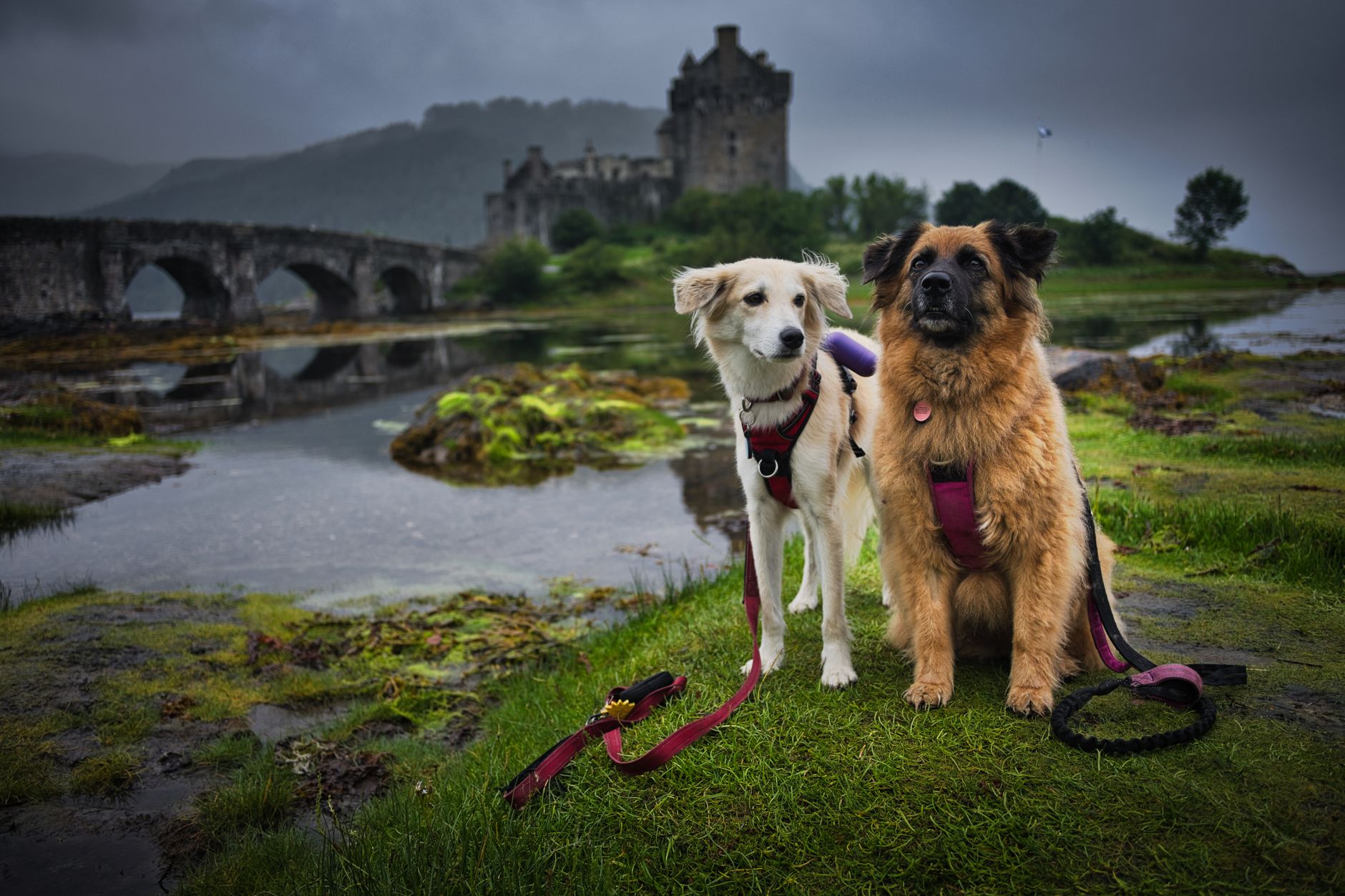
Scottish Deerhound
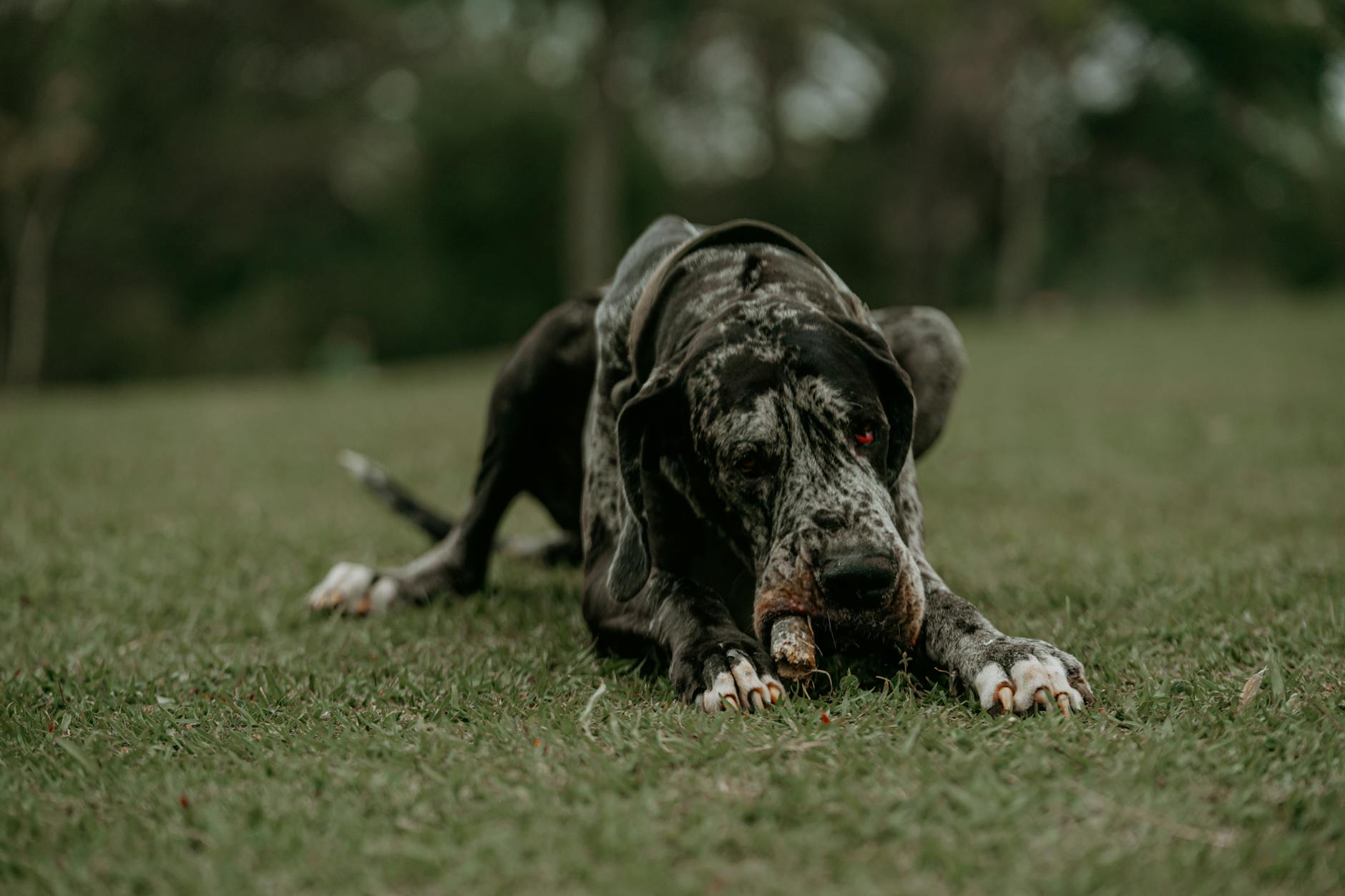
Great Dane
Irish Wolfhound FAQs
Can Irish Wolfhounds live in an apartment?
Honestly, I strongly advise against apartment living for this breed. While they are quiet and love to lounge, their sheer physical length makes navigating tight hallways, stairs, and small rooms difficult. Furthermore, carrying a sick or injured 140-pound dog down an elevator or staircase during an emergency is a major safety hazard for both you and the dog.
Are Irish Wolfhounds aggressive?
In my years of practice, I have rarely encountered an aggressive Irish Wolfhound; they are famous for their ‘gentle giant’ moniker. However, they were historically bred to fight wolves, and if pushed or if their family is threatened, they are fully capable of defense. Proper socialization is essential to ensure their natural reservation doesn’t morph into fear-based reactivity.
Do they drool a lot?
Unlike other giant breeds with heavy, loose jowls (like Mastiffs or Saint Bernards), Irish Wolfhounds have tighter lips and are not heavy droolers. They will certainly drip water after drinking from their bowl, but they do not produce constant strings of drool. Keeping a towel near their water station is usually all that is needed.
Are Irish Wolfhounds good with cats?
This is a major point of discussion in my clinic because they are sighthounds. While some Wolfhounds can be raised with cats and cohabitate peacefully indoors, the instinct to chase a running cat outdoors is deeply hardwired. I always recommend extreme caution and constant supervision, even with well-socialized dogs.
How much exercise does an adult Irish Wolfhound need?
They do not require hours of intense exercise; about 40 to 60 minutes of daily activity is usually plenty. A couple of brisk walks combined with a chance to run freely in a securely fenced area is ideal. Be careful to avoid forced road running or high-impact activities, which destroy their joints.
Why do they have such a short lifespan?
As a rule of thumb in veterinary medicine, giant breeds age at an accelerated rate compared to smaller dogs. Their massive hearts, bones, and metabolic systems work much harder to maintain their body mass, making them highly susceptible to cardiovascular failure, cancers, and cellular aging at a much younger chronological age.
What is a gastropexy, and should my Irish Wolfhound have one?
A gastropexy is a surgical procedure where the stomach is tacked to the abdominal wall to prevent it from twisting during a bloat episode. I routinely recommend a prophylactic gastropexy for all Irish Wolfhounds, typically performed at the time of spay or neuter, as it is a highly effective, life-saving measure against GDV.
When should I spay or neuter my Irish Wolfhound?
From a clinical perspective, you must wait until they are skeletally mature, which is typically between 18 to 24 months of age. Pediatric spay/neuter removes sex hormones essential for growth plate closure, dramatically increasing their risk for joint disease and bone cancer. Always consult your vet to design a customized plan.
How do I protect my puppy’s joints during their growth phase?
To protect their rapidly growing joints, avoid forced exercise (like jogging with you), jumping in and out of vehicles, and running on slick floors or concrete. Keep puppy playtime natural and self-paced, use ramps for elevated surfaces, and feed a diet that supports slow, controlled bone development.
Do they bark a lot?
No, they are exceptionally quiet dogs who rarely bark without a very good reason. They do not make good alarm dogs, as they generally observe visitors with calm interest rather than vocal alerts. If a Wolfhound is barking excessively, it usually indicates distress, boredom, or separation anxiety.
Are they prone to cold or hot weather sensitivity?
Their harsh, wiry double coat protects them very well from cool, damp climates, which they typically enjoy. However, they do not tolerate heat and humidity well due to their massive body mass and inability to cool down efficiently. During hot summer months, they must have access to air conditioning and plenty of fresh water.
What is liver shunt screening, and why is it important?
Portosystemic Shunt (PSS) is a congenital defect where blood bypasses the liver, and it is highly hereditary in this breed. Reputable breeders will perform a bile acid test on all puppies at around 8 weeks of age to screen for this. Never buy an Irish Wolfhound puppy unless the breeder provides official, cleared bile acid test results.
Can they be left alone during the workday?
They do not tolerate being left alone for standard 8-to-10 hour workdays. They are deeply bonded to their humans and are prone to severe separation anxiety, which can manifest as self-harm or destructive behavior. If you must work long hours, you will need a dog walker or pet sitter to break up their day.
How do I transport an Irish Wolfhound?
This is a logistical challenge many prospective owners overlook. You will need a large SUV, station wagon, or van with a low entry point or a ramp, as lifting a 140-pound dog is physically taxing and potentially dangerous. They cannot comfortably ride in the back seat of a standard sedan.
Are Irish Wolfhounds easy to groom?
Yes, their grooming needs are relatively low-maintenance compared to other long-haired breeds. They do not need professional clipping or shaving, as their coat is meant to look natural and rough. Regular weekly brushing and basic hygiene (nail trims, ear cleaning, and teeth brushing) are sufficient to keep them looking their best.
Sources & Further Reading
- American Kennel Club (AKC)
- American Veterinary Medical Association (AVMA)
- Merck Veterinary Manual
- PetMD