
Bernese Mountain Dog vs Saint Bernard: Comparing Two Gentle Giants
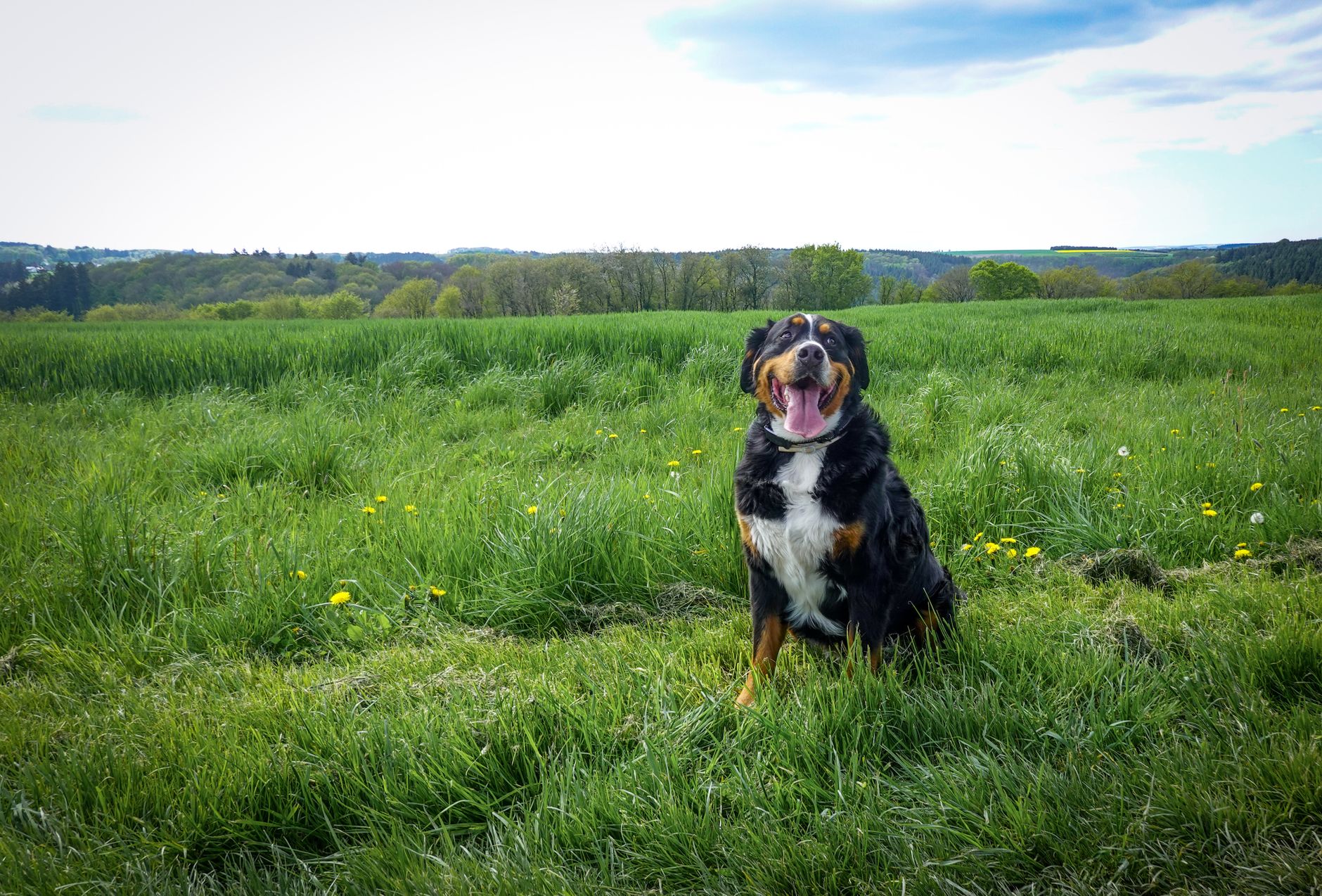 Bernese Mountain Dog vs Saint Bernard: Comparing Two Gentle Giants” loading=”lazy”>
Quick Summary
Choosing between a Bernese Mountain Dog and a Saint Bernard comes down to size, energy, and your tolerance for drool versus shedding. While the energetic Berner is a double-coated, dry-mouthed companion weighing up to 115 pounds, the placid Saint Bernard is a true giant breed reaching up to 180 pounds, requiring proactive management for drool, orthopedic health, and thermal regulation.
As an Amazon Associate, we earn from qualifying purchases.
Popular with dog owners: Large Breed Puppy Food · Puppy Food · Orthopedic Dog Bed
Whenever a family walks into my clinic debating between a Bernese Mountain Dog and a Saint Bernard, I tell them they are choosing between two distinct lifestyles, not just two big, fluffy dogs.
While both are historic Swiss working breeds, their physical needs, health profiles, and daily care requirements differ significantly.
In my years of veterinary practice, I have managed the growth, aging, and unique medical quirks of both breeds. Let us dive deep into what it really looks like to share your home with these magnificent gentle giants.
Key Takeaways
- Saint Bernards are true giant dogs (up to 180+ lbs), while Bernese Mountain Dogs are large dogs (up to 115 lbs).
- Berners have a moderate-to-high energy level and require regular active exercise, whereas Saint Bernards are low-energy homebodies.
- Saint Bernards have loose jowls and drool heavily, whereas Bernese Mountain Dogs have tight jowls and are mostly dry-mouthed.
- Both breeds require meticulous coat care, but Berners are especially prone to dense matting and severe seasonal shedding.
- As giant breeds, both are highly susceptible to hip dysplasia, orthopedic injuries, and life-threatening GDV (bloat).
- Bernese Mountain Dogs carry a tragic genetic predisposition to Histiocytic Sarcoma, a severe and aggressive cancer.
- Medical care, preventative medication, and surgical procedures are exponentially more expensive for these heavy breeds.
In This Article
- Size and Growth Curve: Large vs. True Giant
- Temperament, Energy, and Training Needs
- The Drool Factor and Coat Maintenance
- Clinical Orthopedics: Protecting Giant Joints
- Life-Threatening Emergencies: Bloat and Heatstroke
- Lifespan and Breed-Specific Pathologies
- The Veterinary Cost of Giant Breed Ownership
Size and Growth Curve: Large vs. True Giant
Many prospective owners underestimate the sheer scale difference between these two breeds until they are standing in my exam room. The Bernese Mountain Dog is a large breed, but the Saint Bernard is a true giant breed.
This weight difference is not just a number on a scale; it changes everything from joint stress to the dosage of daily medications.
In my practice, I frequently see male Saint Bernards top 160 pounds, while a male Berner usually hovers around 100 pounds. This means your home infrastructure, vehicle capacity, and physical strength must scale accordingly.
Furthermore, their growth curves are drastically prolonged compared to average dogs. Feeding them incorrectly during their rapid growth phases can cause irreversible joint damage, a topic we will cover in depth.
Purina ONE Plus Large Breed Puppy Food, Chicken
- ✓Real chicken is the #1 ingredient
- ✓DHA to support vision and brain development
- ✓Glucosamine and a controlled growth rate for big puppies
- Controlled calcium and calories help big puppies grow at a steady pace, which protects their developing joints
- Bernese Mountain Dog Male Weight: 80 to 115 pounds.
- Bernese Mountain Dog Female Weight: 70 to 95 pounds.
- Saint Bernard Male Weight: 140 to 180+ pounds.
- Saint Bernard Female Weight: 120 to 140 pounds.
- Growth Timeline: Saint Bernards can take up to 36 months to fully mature skeletally, whereas Berners typically finish major growth by 24 months.
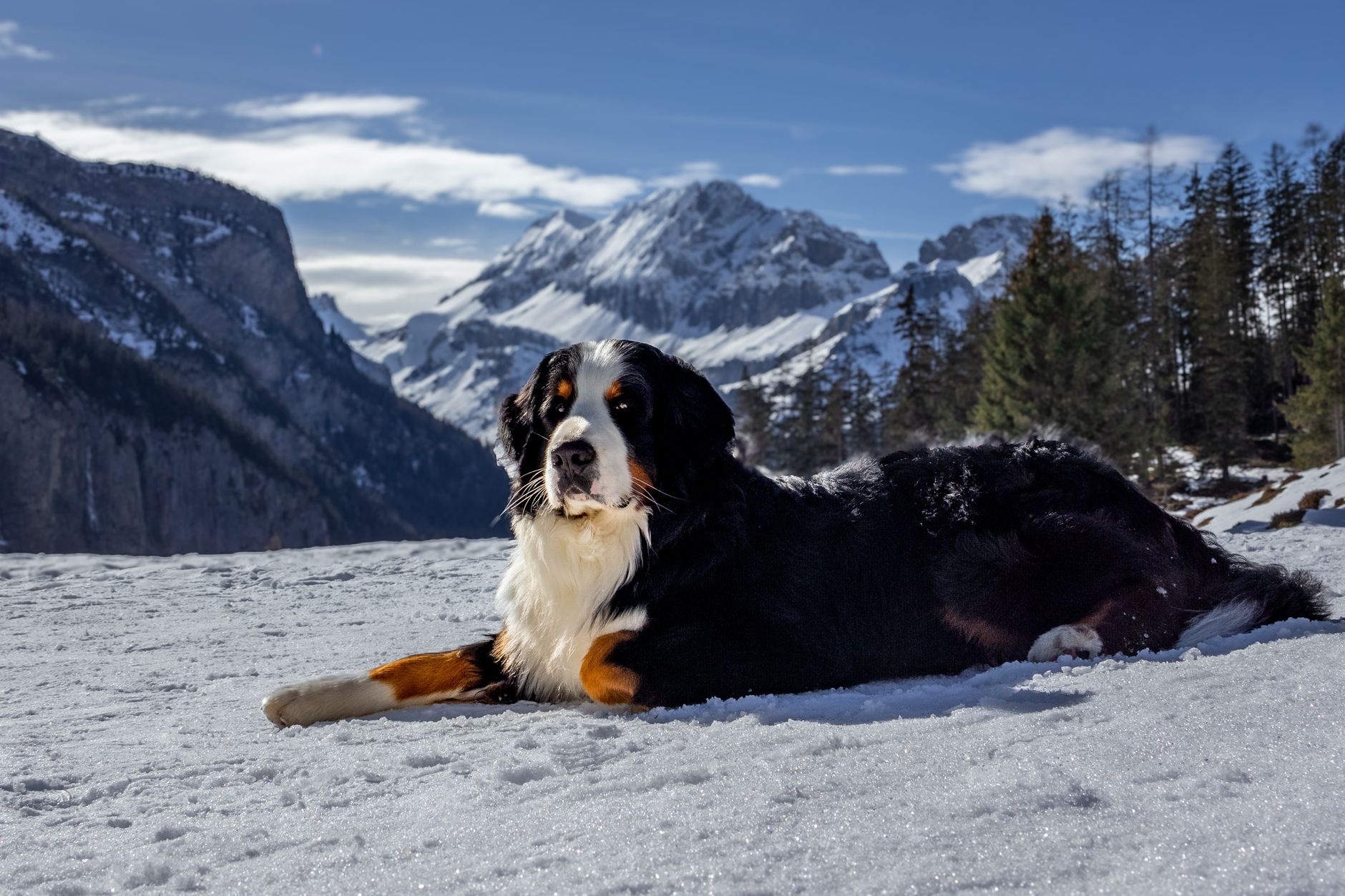
Temperament, Energy, and Training Needs
In my experience, both breeds are incredibly affectionate, but they channel their energy differently. Berners are often ‘velcro dogs‘ that are highly sensitive to their owner’s emotions and eager to please.
They retain a spunky, athletic drive from their heritage as Alpine farm drovers.
Saint Bernards, on the other hand, tend to be more laid-back, almost placid, inside the house. However, they possess a historic rescue and watch-dog instinct that can make them deeply protective if not socialized early.
I always tell my clients that a bored Berner becomes destructive, while a bored Saint Bernard becomes a stubborn, immovable 150-pound roadblock.
- Bernese Energy Level: Moderate to high; they need active daily engagement and enjoy hiking.
- Saint Bernard Energy Level: Low to moderate; they prefer short, structured walks and plenty of nap time.
- Trainability: Berners are highly sensitive to tone of voice and train quickly with positive reinforcement.
- Guard Instincts: Saint Bernards are more prone to resource guarding or territorial barking if boundaries are not set early.

The Drool Factor and Coat Maintenance
Let us address the elephant in the exam room: drool. If you choose a Saint Bernard, you must accept that drool is now a permanent design element of your home.
Their loose, hanging jowls, known as flews, naturally collect saliva, which they happily fling onto your walls with a shake of their head.
Bernese Mountain Dogs have tighter flews, meaning they are relatively dry-mouthed. However, what they lack in drool, they make up for in sheer hair volume.
Both breeds possess dense double coats, but the Berner’s silky, longer coat requires meticulous brushing to prevent painful matting.
In my clinic, I frequently have to shave severe mats out of Berners’ ears and groin areas because owners underestimated the grooming commitment.
- Daily Face Wiping: A necessity for Saint Bernards, especially after they eat or drink.
- Undercoat Raking: Required at least twice a week for both breeds to manage the massive seasonal shed.
- Slobber Towel Stations: I advise my Saint Bernard clients to keep microfibre cloths stationed at every exit and water bowl.
- Line Brushing: Essential for Berners to reach the dense undercoat and prevent painful skin hot spots.
NutriSource Small & Medium Breed Puppy Food
- ✓Chicken meal is the #1 ingredient
- ✓Prebiotics and probiotics for digestion
- ✓Omega-3 and omega-6 for skin and coat
- Extra protein, DHA and balanced minerals support a puppy’s rapid growth through the first year

Clinical Orthopedics: Protecting Giant Joints
As a veterinarian, orthopedics are a major focus of my clinical work with giant breeds. The rapid growth rate of both breeds puts immense pressure on their developing musculoskeletal systems.
I cannot stress enough how critical it is to keep these puppies lean during their first two years.
Overfeeding a growing Saint Bernard or Berner to make them ‘big’ is a recipe for skeletal disaster. In my clinic, I frequently diagnose hip dysplasia, elbow dysplasia, and osteochondritis dissecans in young dogs that grew too quickly.
I always tell my clients that a slim giant-breed puppy is a healthy giant-breed puppy. Do not let well-meaning strangers tell you your puppy looks too thin.
- Dietary Control: Feed a high-quality, large or giant-breed puppy food with precise calcium-to-phosphorus ratios.
- Exercise Restrictions: Avoid high-impact jumping, stairs, or forced running until growth plates close around 18 months.
- Joint Supplementation: Start high-quality glucosamine, chondroitin, and omega-3 fatty acids by age one.
- Weight Management: Keep their body condition score at a strict 4 or 5 out of 9 on the clinical scale.

Life-Threatening Emergencies: Bloat and Heatstroke
Both of these Swiss breeds were developed for alpine climates, making them highly susceptible to heatstroke in warmer climates. I tell my clients that if it is too hot for you in a heavy winter coat, it is far too hot for your dog.
They cannot regulate their temperature efficiently in high humidity.
Additionally, both breeds have deep chests, which places them at high risk for Gastric Dilatation-Volvulus (GDV), commonly known as bloat. This is a medical emergency where the stomach fills with gas and twists on its axis, cutting off blood supply.
Without immediate veterinary intervention, GDV is fatal within hours. Knowing the signs and taking preventive measures can literally save your dog’s life.
- Gastropexy Surgery: I highly recommend discussing a preventative stomach-tacking surgery during their spay or neuter.
- Panting and Lethargy: Treat heavy panting, drooling excessively, or seeking cold floors as early signs of heat exhaustion.
- Slow Feeder Bowls: Use these to prevent rapid gulping of food, which can introduce dangerous air into the stomach.
- Rest After Meals: Restrict any vigorous exercise or play for at least one hour before and two hours after eating.

Lifespan and Breed-Specific Pathologies
It breaks my heart as a veterinarian to discuss the lifespan of these gentle giants. They give us a lifetime of love packed into a painfully short number of years.
Saint Bernards typically live 8 to 10 years, while Bernese Mountain Dogs average 7 to 10 years.
Both breeds are prone to specific genetic conditions that every owner must watch for. Early clinical intervention is often our only way to buy these dogs more high-quality time with their families.
The Genetic Cancer Risk in Berners
Histiocytic sarcoma is a devastating, aggressive cancer that affects nearly one in seven Bernese Mountain Dogs. I always warn my clients to investigate any unexplained limping, lethargy, or sudden loss of appetite immediately.
Cardiac Vulnerability in Saint Bernards
Saint Bernards are highly prone to Dilated Cardiomyopathy (DCM), a condition where the heart muscle becomes thin and weak. I recommend annual echocardiograms for giant breeds starting at age three to catch structural changes early.

The Veterinary Cost of Giant Breed Ownership
Owning a giant dog is a massive financial commitment that many owners fail to fully calculate. Veterinary medicine is dosed by weight, meaning everything is more expensive for a Saint Bernard or a Berner.
A simple course of antibiotics that costs $40 for a Beagle can easily exceed $250 for a Saint Bernard.
Furthermore, boarding fees, professional grooming, and monthly parasite preventatives scale upwards with body weight. I always advise my clients to secure robust pet insurance early, before any pre-existing conditions are documented.
- Preventative Costs: Monthly heartworm and flea/tick preventatives are double or triple the cost of standard-sized dogs.
- Surgical Anesthesia: Anesthesia is calculated by body weight, dramatically increasing the cost of any surgical procedure.
- Food Volume: Expect to feed 4 to 8 cups of premium kibble daily, which adds up to hundreds of dollars monthly.
- Vehicle and Home Adjustments: You will need a vehicle that can safely accommodate a giant crate or ramp for senior years.
-
BFPETHOME Orthopedic Washable Large Dog BedSupportive foam cushions hips and joints, ideal for large, senior or dysplasia-prone dogs
-
Hertzko Self-Cleaning Slicker BrushRemoves loose hair, tangles and dirt before they become mats
-
PetNC Natural Care Hip & Joint Soft ChewsGlucosamine and chondroitin chews support cartilage and mobility, especially in large, senior and dysplasia-prone dogs
Related Dog Guides
Frequently Asked Questions
Which breed sheds more, the Bernese Mountain Dog or the Saint Bernard?
Both breeds are heavy shedders, but they shed differently. The Bernese Mountain Dog has a longer, silky double coat that sheds constantly year-round and blows heavily twice a year, making them highly prone to matting. The Saint Bernard sheds massive amounts of shorter, coarser hair that clings to furniture, and they require equal brushing but have fewer issues with long mats.
Can Bernese Mountain Dogs or Saint Bernards live in warm climates?
They can, but it requires strict environmental management. In hot climates, both breeds must live in air-conditioned spaces during the summer, and outdoor activity should be limited to early mornings or late evenings. I always tell my clients to watch for heavy panting and to never shave their double coats, as the coat actually protects them from heat.
Are Saint Bernards or Bernese Mountain Dogs better with children?
Both breeds are famous for being gentle giants and make wonderful family companions. Berners tend to be more playful and active, making them great for older kids, while Saint Bernards are incredibly patient and protective ‘nanny dogs.’ However, due to their massive size, puppy training is vital so they do not accidentally knock over toddlers.
What is the average lifespan of a Bernese Mountain Dog versus a Saint Bernard?
In my clinical experience, Bernese Mountain Dogs live approximately 7 to 10 years, with cancer being a major limiting factor. Saint Bernards live slightly longer on average, around 8 to 10 years. Keeping both breeds at a lean, healthy weight and providing regular senior veterinary care can help maximize their lifespan.
How much exercise do these breeds actually need daily?
Bernese Mountain Dogs require about 60 to 90 minutes of moderate exercise daily, including structured walks and mental stimulation. Saint Bernards are much more low-energy and are usually satisfied with 30 to 45 minutes of gentle walking. For both breeds, avoid high-impact activities on hard surfaces to protect their joints.
Are these breeds prone to separation anxiety?
Yes, particularly the Bernese Mountain Dog. Berners are highly social velcro dogs that thrive on human contact and can develop severe separation anxiety if left alone for long periods. Saint Bernards are slightly more independent but still require close family connection and do not do well as outdoor-only dogs.
Sources & Further Reading
- American Kennel Club (AKC)
- Merck Veterinary Manual
- American Veterinary Medical Association (AVMA)
- PetMD
Final Thoughts
Ultimately, choosing between a Bernese Mountain Dog and a Saint Bernard means looking honestly at your daily routine, budget, and tolerance for mess. If you want an active, highly trainable companion for outdoor adventures and do not mind heavy shedding, the Bernese Mountain Dog is an outstanding choice.
If you prefer a laid-back, quiet household guardian and have the space (and slobber towels) for a true 150-pound giant, the Saint Bernard will steal your heart. Whichever you choose, please partner with a dedicated veterinarian early to protect their joints, manage their growth, and ensure these gentle giants live their happiest, healthiest lives.