
Anatolian Shepherd Dog Breed Guide

Quick Summary
The Anatolian Shepherd Dog is an ancient, fiercely independent giant breed bred to protect livestock from apex predators. They are best suited for experienced owners with large, securely fenced properties or active working ranches. In my clinical practice, I find they are deeply loyal to their family but naturally suspicious of strangers, requiring rigorous socialization and confident handling from day one.
Quick Facts
- origin countryTurkey
- breed groupWorking
- sizeGiant
- weight range80 to 150 lbs
- height range27 to 29 inches
- lifespan11 to 13 years
- coat typeShort or rough double coat with a dense undercoat
- common colorsFawn, white, brindle, pinto, often with a prominent black mask
- other namesCoban Kopegi, Kangal Shepherd Dog, Anatolian Karabash
- recognized byAKC, UKC, FCI
Caring for a Anatolian Shepherd Dog
Caring for an Anatolian Shepherd means managing a dog that thinks for itself and weighs as much as an adult human. On a day-to-day basis, they require a secure territory to monitor, ideally with a six-foot-tall fence that they cannot climb or dig under. In my practice, I notice they are relatively low-energy indoors, choosing a high vantage point to quietly patrol their home. Because they are working guardians, they do not require constant play, but they do need daily boundary walks to satisfy their patrolling instincts.
Is an Anatolian Shepherd Dog a good family pet?
They can be intensely loyal family protectors, but they are not casual, cuddly family pets. In my experience, they are very patient with their own family children but may perceive visiting playmates or strangers as threats. Supervision and careful management are mandatory.
Do Anatolian Shepherd Dogs shed a lot?
Yes, they have a thick double coat that sheds moderately year-round and ‘blows’ heavily twice a year. During seasonal shedding cycles, I advise owners to prepare for daily brushing to manage the massive amount of undercoat they drop.
Is an Anatolian Shepherd Dog good for first-time owners?
Absolutely not. I strongly advise against this breed for novices; they are highly independent, physically powerful, and will easily assume the leadership role if they sense any hesitation or inconsistency from their handler.
Temperament & Personality
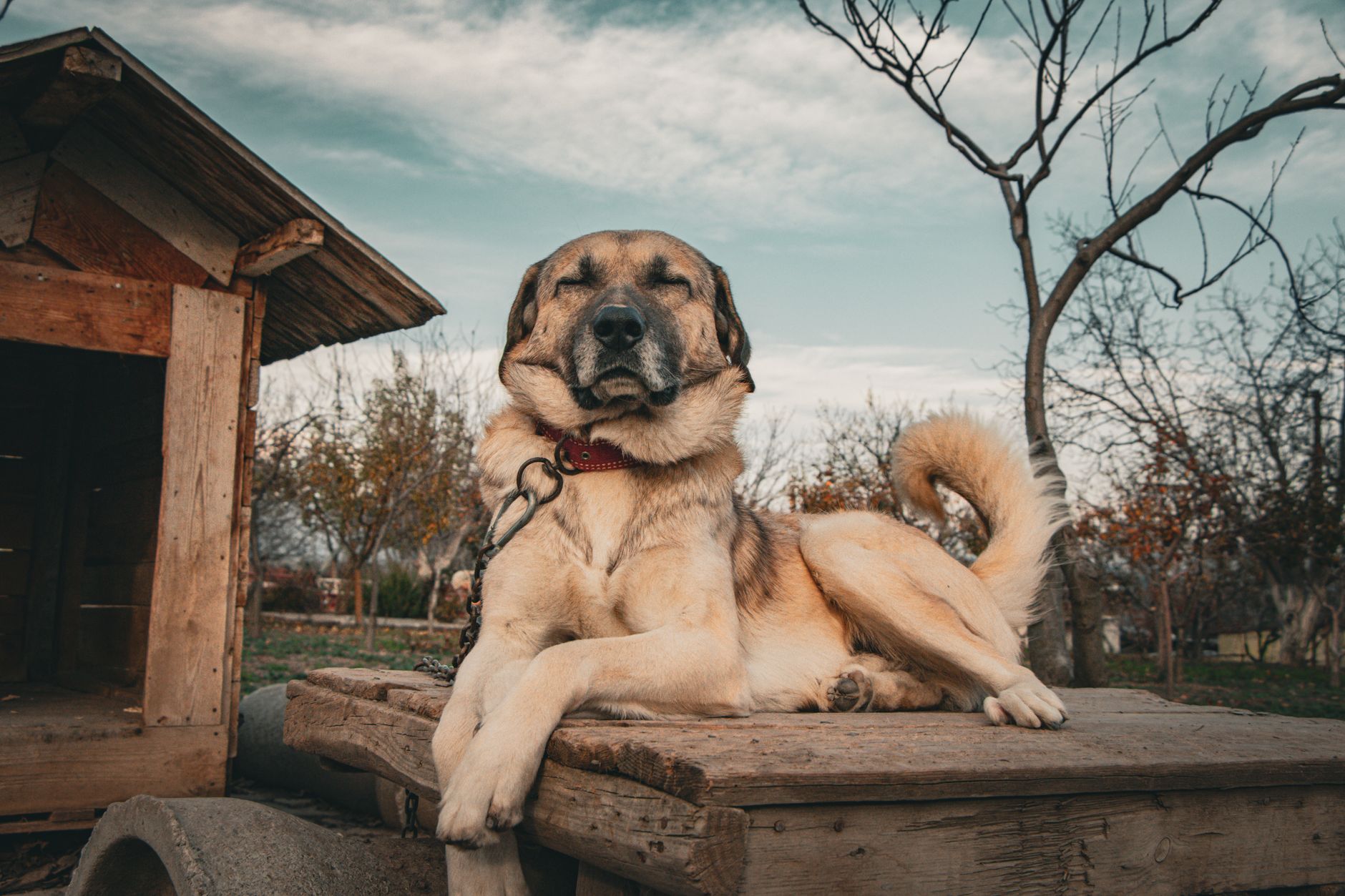
The Anatolian Shepherd’s temperament is defined by a calm, watchful, and highly independent nature. They are not eager-to-please dogs; instead, they act as partners who make their own decisions regarding what constitutes a threat. While peaceful and affectionate with their immediate pack, they remain aloof, reserved, and highly vigilant around outsiders. In my years treating this breed, I have found that their protective instinct is completely hardwired, not taught.
Is an Anatolian Shepherd Dog good with other pets?
They can coexist wonderfully with family pets and livestock if raised alongside them from puppyhood. However, their natural prey and guardian drives mean they are highly likely to treat strange animals entering their territory as predators.
How much attention does an Anatolian Shepherd Dog need?
They are highly independent and do not crave constant human affection or velcro-like attachment. While they love being near their family, they are perfectly content spending hours patrolling the perimeter or resting quietly in their designated spot.
Training & Behavior
Training an Anatolian Shepherd requires a firm, consistent handler who commands respect rather than using brute force. Traditional obedience training can be challenging because these dogs are bred to ignore commands if they believe their protective instincts are more relevant to the situation. What I see most often in practice is that early, intensive socialization is the single most critical factor in preventing dangerous over-guarding behaviors as they mature.
Training Tips
- Begin intensive socialization before 16 weeks of age, exposing them to friendly strangers and new environments.
- Establish leadership through calm, consistent, positive-reinforcement methods; never use physical punishment.
- Train leash manners early, before the puppy grows to weigh over 100 pounds.
- Accept that they will never have a 100% reliable recall off-leash due to their independent nature.
Fun Activities
- Property patrolling and perimeter walks
- Draft work or cart pulling
- Scent work and basic tracking games
- Weighted backpack hikes (once growth plates are fully closed at 2 years old)
Is an Anatolian Shepherd Dog easy to train?
No, they are highly intelligent but incredibly stubborn. They will evaluate your commands and decide whether they are worth obeying, which requires owners to maintain patient, lifelong leadership.
Anatolian Shepherd Dog Health Issues
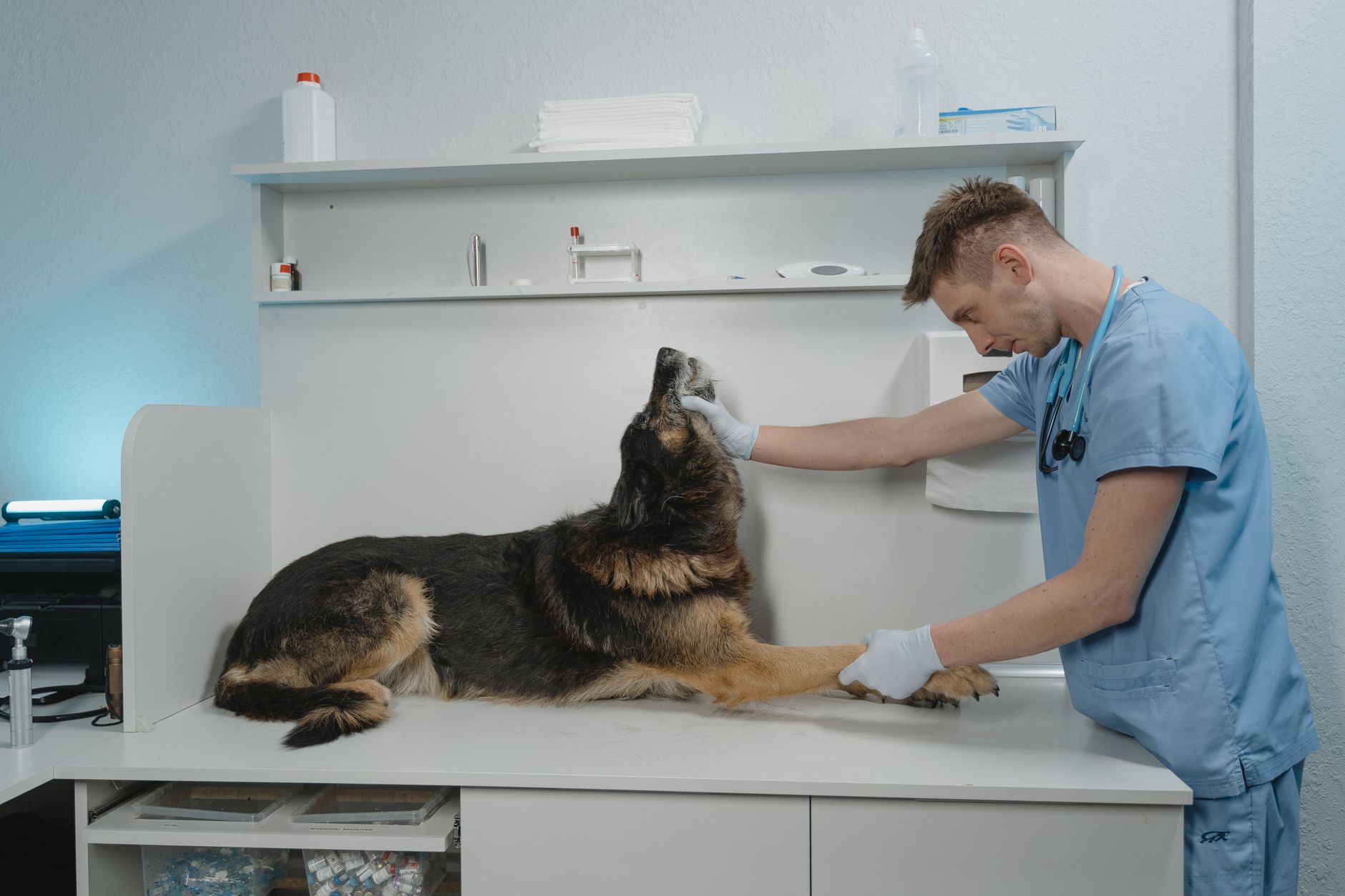
As giant breeds go, Anatolians are exceptionally robust and healthy, having developed through centuries of harsh natural selection. However, their rapid growth rate and giant size predispose them to specific orthopedic and physiological conditions that owners must proactively monitor.
Hip and Elbow Dysplasia
A genetic developmental condition where the joint ball and socket do not fit together smoothly, leading to progressive arthritis and mobility loss.
Anesthesia Sensitivity
Anatolians possess a unique metabolism and lower body-fat ratio compared to other giant breeds, making them highly sensitive to standard doses of barbiturate anesthetics.
Gastric Dilation-Volvulus (Bloat)
A life-threatening emergency where the deep chest allows the stomach to fill with gas and twist on its axis, cutting off blood supply.
Entropion
An inherited defect where the eyelids roll inward, causing the eyelashes to constantly rub against the sensitive cornea, potentially causing ulcers.
Hypothyroidism
An underactive thyroid gland that fails to produce adequate hormones, slowing down the dog’s metabolism.
How long do Anatolian Shepherd Dogs typically live?
They live remarkably long for a giant breed, with a typical lifespan of 11 to 13 years. In my clinical experience, maintaining a lean body weight is the single most effective way to protect their joints and extend their lifespan.
What to Feed a Anatolian Shepherd Dog
Proper nutrition is critical during their rapid growth phase to prevent developmental bone and joint disease. Because they are a giant breed, their metabolic rate is surprisingly slow, meaning they require fewer calories per pound than smaller, highly active breeds.
Best Diet
I highly recommend feeding a high-quality, large-breed or giant-breed specific puppy food for the first 18 to 24 months to ensure slow, controlled bone growth, transitioning to an adult formula designed for large, low-activity dogs.
How to Feed
To minimize the risk of bloat, always divide their daily intake into two or three smaller meals rather than one large feeding, and avoid intense exercise for at least 60 minutes before and after meals.
How Much to Feed
Adults generally require 3 to 5 cups of high-quality dry food per day, though this varies significantly depending on their activity level. Owners must consult their veterinarian to establish a feeding schedule based on body condition score rather than feeding guidelines on the bag.
Nutritional Tips
Avoid calcium and phosphorus supplements during puppyhood, as excess minerals can disrupt bone development and cause permanent joint deformities.
Anatolian Shepherd Dog Grooming Guide
The Anatolian Shepherd is surprisingly low-maintenance when it comes to grooming. Their naturally dirt-repellent coat does not retain odors and requires minimal intervention aside from seasonal shedding periods.
Coat Care
Regular brushing with a slicker brush and an undercoat rake once a week is sufficient for most of the year. During their biannual shedding seasons, expect to brush them daily to remove massive amounts of dead undercoat.
Skin Care
Because they have a weather-resistant coat, bathing should only be done when absolutely necessary, as frequent bathing strips the natural protective oils from their skin.
Eye Care
Wipe the corners of the eyes with a damp, clean cloth weekly; check regularly for any signs of irritation or inward-rolling eyelids (entropion).
Ear Care
Inspect their drop ears weekly for wax buildup, moisture, or redness, and clean them with a veterinarian-approved ear cleaner to prevent infections.
Nail & Dental Care
Trim their heavy-duty nails every 3-4 weeks to prevent splayed feet, and brush their teeth at least three times a week to prevent periodontal disease.
Considerations for Pet Parents
Pros
- Unmatched natural guardian and deterrent to intruders
- Very low indoor energy levels and calm demeanor
- Highly adaptable to extreme weather conditions
- Extremely loyal and affectionate with their own family pack
- Naturally healthy and remarkably long-lived for a giant breed
- Low-maintenance, dirt-resistant double coat
Cons
- Extremely independent and difficult to train to formal obedience
- Prone to loud, persistent nocturnal barking if they perceive outside noises
- Highly suspicious of strangers, requiring rigorous lifetime socialization
- Incredibly strong and capable of overpowering an unprepared owner
Best For
The ideal owner is an experienced dog handler living on a rural property, farm, or ranch with secure, tall fencing, who understands and respects the independent psychology of livestock guardian breeds.
Not Recommended For
I strongly advise against this breed for apartment dwellers, suburban neighborhoods with close neighbors, first-time owners, or families who want a highly social, off-leash park dog.
Cost
- purchase price$1,000 to $2,500
- monthly cost$150 to $250
- initial setupUpfront costs can exceed $3,000 when accounting for robust, high-tensile 6-foot fencing, giant-sized crates, orthopedic bedding, and initial veterinary joint screenings.
Similar Breeds
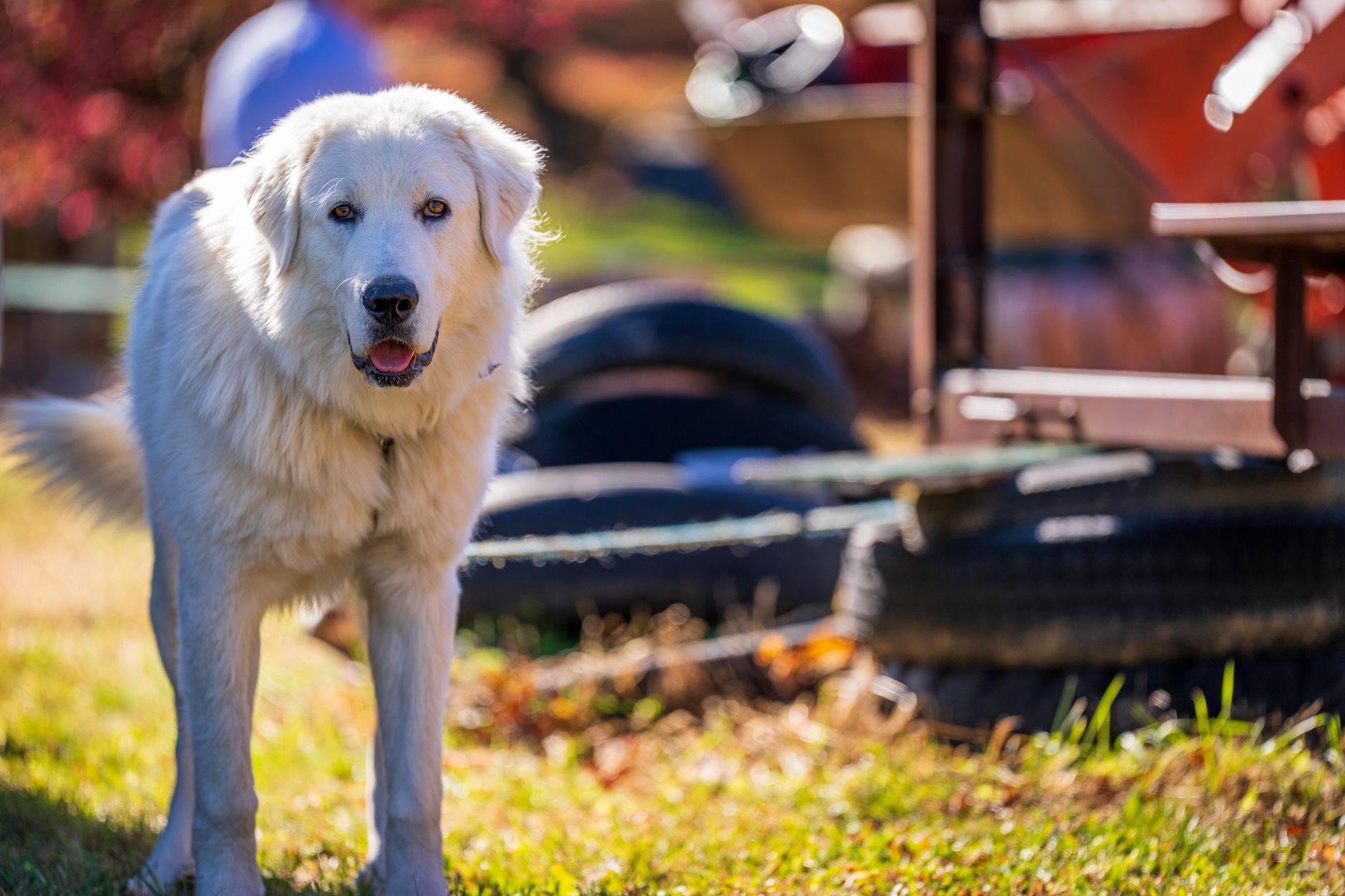
Great Pyrenees
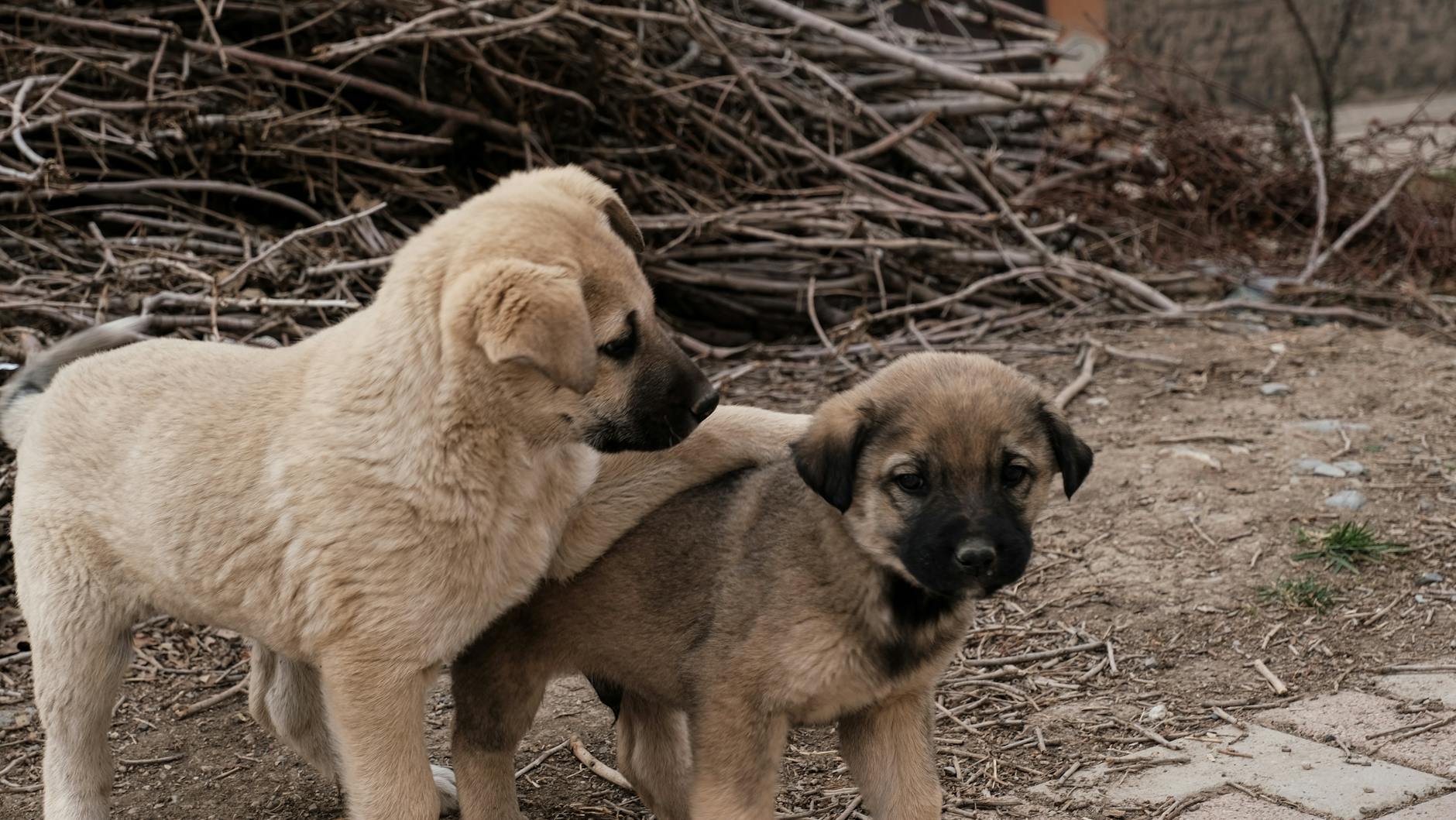
Kangal Shepherd Dog
Anatolian Shepherd Dog FAQs
Are Anatolian Shepherds aggressive?
They are not randomly aggressive, but they are naturally highly protective and territorial. Without proper training and socialization, they will react aggressively to anyone or anything they perceive as an intruder on their territory.
Do they bark a lot at night?
Yes, they are nocturnal guardians by nature. In rural areas, they will bark loudly to warn off predators; in suburban settings, this nocturnal barking can quickly lead to neighbor complaints if the dog is kept outside at night.
Can Anatolian Shepherds live in hot climates?
Yes, their double coat is highly insulating and protects them from extreme heat just as effectively as it does from sub-zero winter temperatures. They must always have access to shade and clean water, however.
Are they good with children?
They are typically incredibly protective, gentle, and tolerant of children within their own family. However, because of their massive size and protective instincts, they should always be supervised around children, especially visiting friends.
How fast do they grow?
Anatolians grow incredibly fast in height, but they do not fully mature physically and mentally until they are between 2 and 3 years old. I advise keeping their exercise low-impact during this long growth phase to protect their joints.
Do they need a lot of exercise?
They do not need high-intensity cardio like a Border Collie, but they do require daily physical and mental stimulation. A long, structured walk around their ‘territory’ is usually sufficient to keep them content.
Are they easy to housebreak?
Yes, they are naturally very clean animals and tend to housebreak quickly. In my experience, establishing a consistent outdoor routine early makes the process very straightforward with this breed.
How do they handle being left alone?
They are highly independent and tolerate being left alone much better than many other breeds, as long as they have a secure space to monitor. They are not prone to separation anxiety, though boredom can lead to digging.
Can they be kept off-leash in public?
I strongly advise against ever letting an Anatolian Shepherd off-leash in unsecured public areas. Their instinct to patrol and protect is too strong, and their recall is rarely reliable when they perceive a threat.
Why do they dig so much?
Digging is a natural behavior for Anatolians, who originally dug shallow pits in the Turkish soil to keep cool in the summer and warm in the winter. Providing a designated digging spot can help protect your yard.
Are they sensitive to veterinary drugs?
Yes, they have a documented sensitivity to certain pre-anesthetic agents and barbiturate-based sedatives. I always instruct my clients to ensure their vet is experienced with giant breeds and sighthound-like metabolic sensitivities.
What is the difference between an Anatolian and a Kangal?
While the AKC registers them under the single breed standard of Anatolian Shepherd Dog, in Turkey, the Kangal is considered a distinct breed with stricter color standards (solid dun/fawn with a black mask) and a slightly different build.
Sources & Further Reading
- American Kennel Club (AKC)
- Merck Veterinary Manual
- American Veterinary Medical Association (AVMA)
- PetMD