
Ojos Azules Breed Guide
Quick Summary
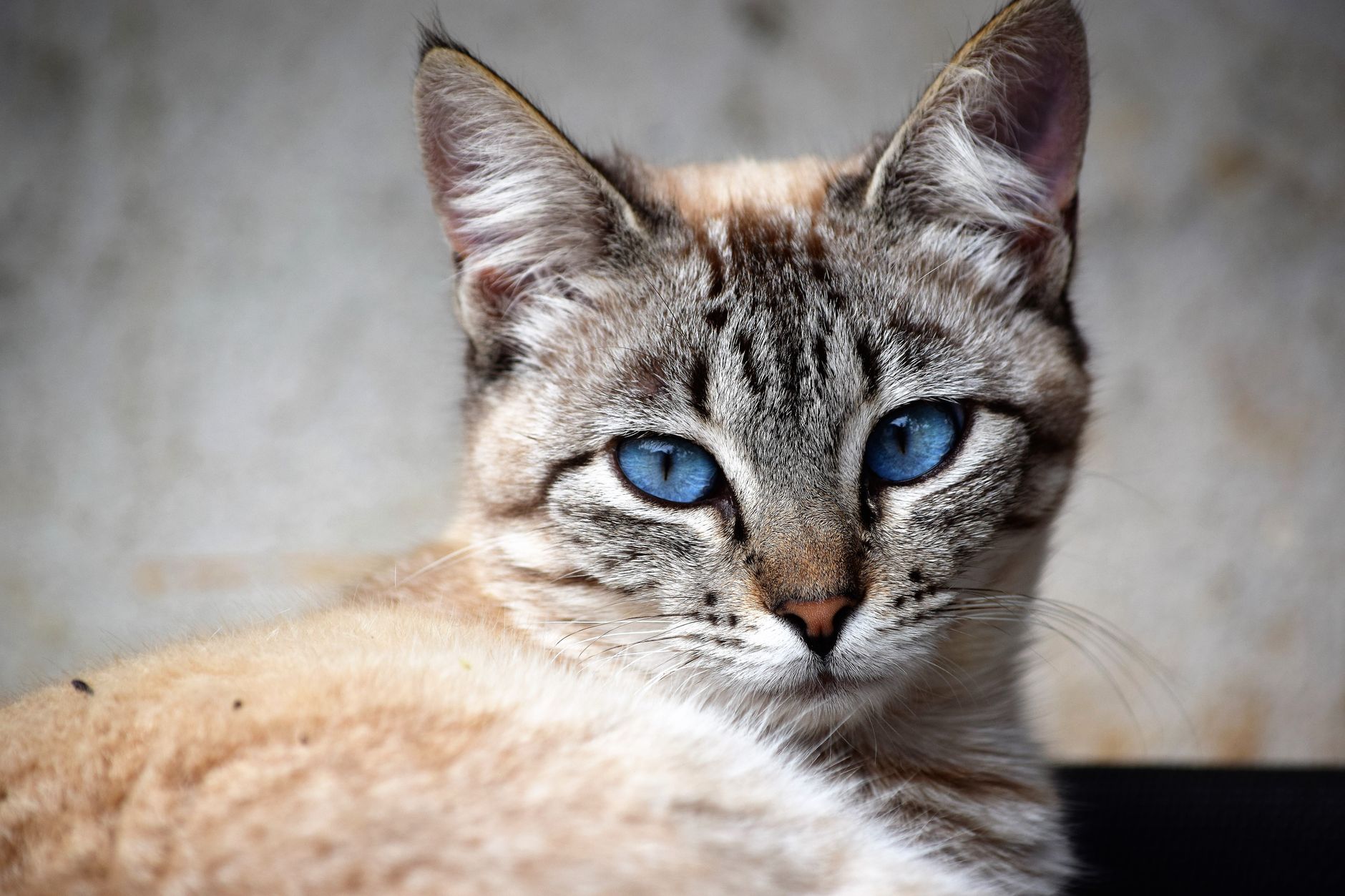
The Ojos Azules is an exceptionally rare, medium-sized cat breed defined by its mesmerizing, deep cornflower-blue eyes that occur independently of coat color or white spotting genes. In my practice, I emphasize that because of severe genetic risks associated with homozygous breeding, they require highly specialized, ethical breeding protocols and are incredibly hard to find. For the fortunate owner, they offer an affectionate, active, and highly adaptable companion that thrives in interactive households.
Quick Facts
- origin countryUnited States
- breed groupShorthair / Longhair (Rare/Experimental)
- sizeMedium
- weight range9 to 12 lbs (4.1 to 5.4 kg)
- height range8 to 10 inches (20 to 25 cm)
- lifespan10 to 14 years
- coat typeShort, silky, or medium-long, close-lying coat
- common colorsAll colors except solid white and point-restricted; frequently dark-colored with white patches on the muzzle, paws, and tail tip.
- other namesNone
- recognized byTICA (Registration currently suspended due to genetic health concerns)
Caring for a Ojos Azules
Living with an Ojos Azules is a lesson in enjoying a classic domestic cat with a striking physical twist. In my years treating these rare cats, I have found that they adapt beautifully to indoor life, requiring standard physical and mental enrichment to keep their active minds occupied. Because of their extreme rarity, owners must focus heavily on preventative veterinary care and maintaining a close relationship with a vet who understands their unique genetic lineage. They do not have high-maintenance daily needs, but their physical safety and emotional security must be prioritized.
Is a Ojos Azules a good family pet?
Yes, their gentle and affectionate demeanor makes them excellent family companions for households with respectful children. I always advise parents to supervise young kids to ensure they handle the cat gently, as stress can impact their health. They bond deeply with their family members and enjoy participating in daily household routines.
Do Ojos Azuless shed a lot?
They are moderate shedders, particularly the shorthaired variety, which requires only weekly brushing to manage loose hairs. During seasonal changes in the spring and autumn, you may notice increased shedding that requires more frequent grooming. Regular brushing not only keeps their coat silky but also significantly reduces the incidence of hairballs in my patients.
Is a Ojos Azules good for first-time owners?
While their temperament is highly suitable for beginners, their extreme rarity and complex genetic background mean they are better suited for dedicated, informed owners. A first-time owner must be prepared for the veterinary vigilance required to monitor their health. If you are lucky enough to adopt one, their friendly and adaptable nature makes day-to-day care relatively straightforward.
Temperament & Personality
The Ojos Azules is known for a balanced, sweet, and highly affectionate temperament that sits comfortably between active playfulness and serene relaxation. What I see most often in practice is their deep desire to be near their human companions, often following owners from room to room without being overly demanding or vocal. They possess a quiet confidence and are generally very welcoming to visitors, making them highly social but not hyperactive. This emotional intelligence makes them wonderful emotional support companions for those seeking a close feline bond.
Is a Ojos Azules good with other pets?
In my clinical experience, Ojos Azules cats coexist very peacefully with other household pets, including dog-friendly canines and other cats. They lack highly territorial or aggressive tendencies, making integrations relatively smooth when done gradually over a two-week period. Providing vertical spaces and separate resources ensures they feel secure during multi-pet interactions.
How much attention does a Ojos Azules need?
They are highly social cats that crave daily interaction, but they are not excessively needy or prone to vocal demands. I recommend dedicating at least 20 to 30 minutes daily to active play and snuggle sessions to keep them emotionally fulfilled. If left alone for long periods, they can become lonely, so having a feline companion or interactive toys is highly beneficial.
Training & Behavior
Training an Ojos Azules is a highly rewarding experience because of their sharp intelligence and natural desire to interact with their owners. They respond exceptionally well to positive reinforcement techniques, such as clicker training paired with high-value treats like freeze-dried chicken. In my practice, I find that teaching them simple cues helps channel their curiosity and keeps them mentally stimulated, preventing boredom-related behaviors like scratching furniture.
Training Tips
- Use positive reinforcement with high-value, low-calorie treats.
- Keep training sessions short and engaging, around 3 to 5 minutes.
- Introduce a clicker to precisely mark desired behaviors.
- Begin training early in life to establish positive routines.
- Never use physical punishment, as they are highly sensitive and will withdraw.
Fun Activities
- Clicker training for basic tricks like sit and high-five
- Interactive puzzle feeders to stimulate natural foraging instincts
- Feather wand games to mimic predatory chase sequences
- Exploring the house via secure window perches and cat trees
- Leash walking in a secure backyard using a specialized harness
Is a Ojos Azules easy to train?
Yes, they are highly receptive to training due to their cognitive capacity and cooperative nature. I always tell owners that consistency and patience are key; starting with basic litter box training and moving to clicker tricks yields excellent results. They love the mental challenge, making them much easier to train than more independent or stubborn breeds.
Ojos Azules Health Issues
The primary clinical concern for the Ojos Azules revolves around the genetic mutation that creates their famous blue eyes, which is homozygous lethal. When bred responsibly (heterozygous Ojos Azules crossed with non-blue-eyed domestic cats), the surviving kittens are generally physically robust, but they still require standard feline preventative care. Regular veterinary screenings are essential to monitor for common domestic cat issues as they age.
Homozygous Cranial Deformities
This is a severe, lethal genetic condition that occurs when two Ojos Azules cats are bred together, resulting in offspring homozygous for the dominant So gene. Affected kittens suffer from severe skull malformations, brain defects, and spina bifida, and are typically stillborn or die shortly after birth.
Hypertrophic Cardiomyopathy (HCM)
A common cardiovascular disease in cats where the muscular walls of the left ventricle become abnormally thickened. Over time, this decreases the heart’s efficiency and can lead to congestive heart failure or arterial thromboembolism.
Periodontal Disease
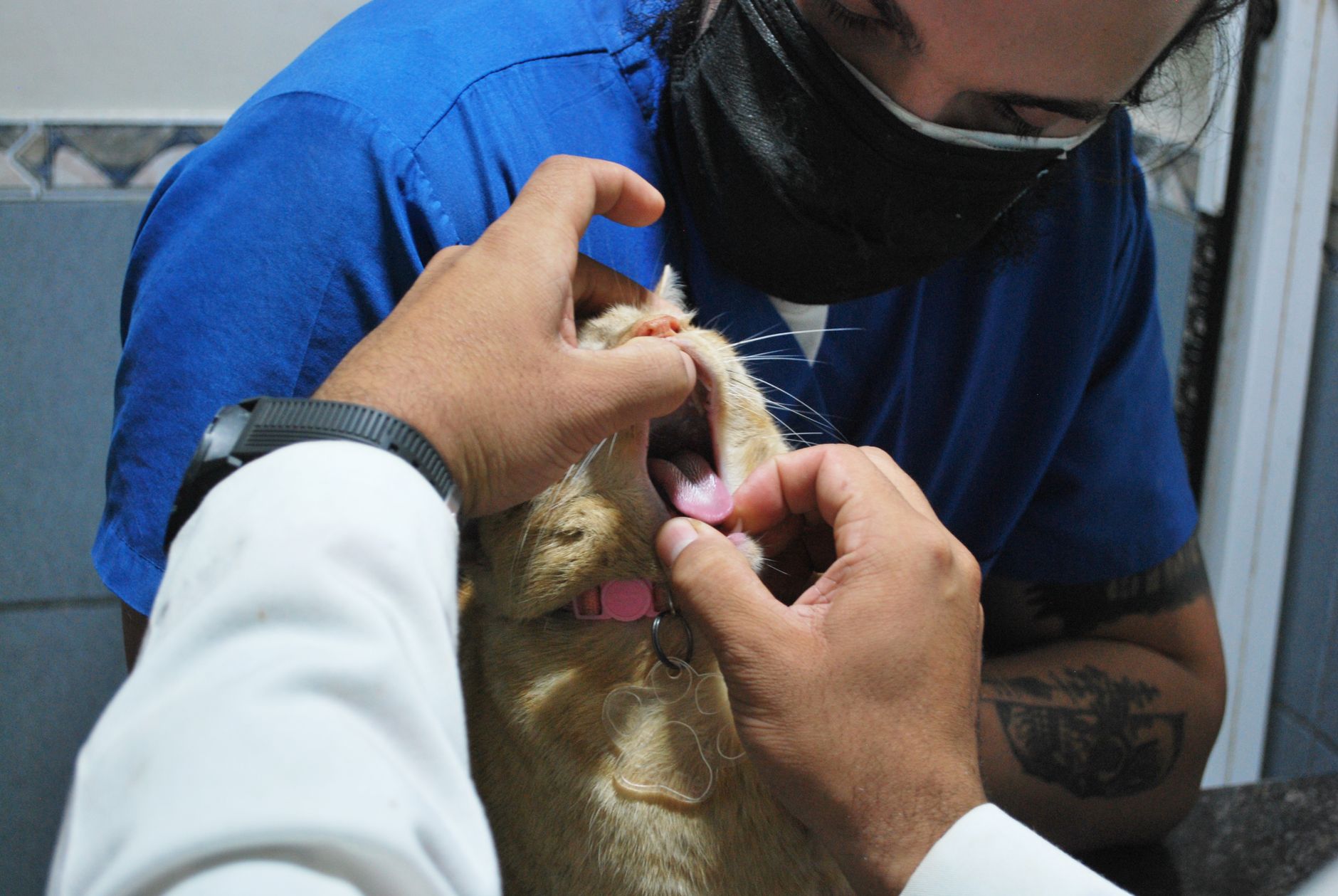
An inflammatory disease of the supporting structures of the teeth caused by plaque and tartar accumulation. In my practice, I see mild to moderate gingivitis in many domestic cats by age three if preventive oral care is neglected.
Obesity
An excessive accumulation of body fat that places undue stress on joints, cardiovascular systems, and metabolic pathways, significantly increasing the risk of Feline Diabetes Mellitus.
Feline Lower Urinary Tract Disease (FLUTD)
An umbrella term for conditions affecting the bladder and urethra, often triggered by stress, low water intake, or sterile cystitis. It is a critical emergency if a male cat becomes fully obstructed.
How long do Ojos Azuless typically live?
Heterozygous Ojos Azules cats that do not inherit the homozygous genetic defects typically live a normal domestic feline lifespan of 10 to 14 years. To maximize their longevity, I emphasize keeping them strictly indoors, maintaining a healthy body weight, and attending bi-annual veterinary checkups. Excellent dental hygiene and preventative blood screenings after age seven are also vital.
What to Feed a Ojos Azules
Feeding an Ojos Azules requires a balanced, species-appropriate diet designed to support their lean muscle mass and maintain a healthy weight. Since they are prone to standard domestic cat obesity, portion control and high-quality ingredients are paramount to their long-term health.
Best Diet
A high-protein, moderate-fat, and low-carbohydrate wet diet is ideal to mimic their natural nutritional needs and support optimal hydration. I strongly advocate for diets where the first three ingredients are high-quality animal proteins, such as chicken, turkey, or salmon, tailored to their specific life stage.
How to Feed
I highly recommend feeding measured portions twice daily rather than free-feeding dry kibble, which frequently leads to overeating. Utilizing interactive puzzle feeders can slow down fast eaters and provide valuable mental enrichment during meal times.
How Much to Feed
Portion sizes should be calculated based on your cat’s specific target weight, age, and activity level, typically ranging from 200 to 250 calories per day for an average 10-pound adult. Always consult your veterinarian to customize these amounts, especially if your cat needs to lose or gain weight.
Nutritional Tips
Incorporate fresh, clean water sources like a pet fountain to encourage drinking, as cats have a low natural thirst drive and are prone to urinary issues. Adding a high-quality omega-3 fatty acid supplement can support their skin health and keep their coat looking exceptionally glossy.
Ojos Azules Grooming Guide
Grooming an Ojos Azules is a straightforward process that does not require professional intervention, making it a wonderful bonding activity. Their coat is naturally silky and resistant to matting, but routine maintenance is still essential for overall hygiene.
Coat Care
Weekly brushing with a soft slicker brush or rubber grooming mitt is sufficient to remove loose hairs and distribute natural skin oils. During seasonal shedding cycles, increasing this to twice weekly will keep their coat looking immaculate and minimize hairball formation.
Skin Care
Their skin is generally healthy, but regular checks during grooming sessions are recommended to spot any unusual dryness, flaking, or external parasites. If bathing is ever required, always use a mild, vet-approved, soap-free feline shampoo to avoid stripping their natural oils.
Eye Care
Because their striking blue eyes are their defining feature, wipe the corners gently with a damp, warm cotton ball if any mild discharge accumulates. Do not use the same cotton ball for both eyes to prevent cross-contamination, and consult a vet if you notice redness or squinting.
Ear Care
Inspect their ears weekly for signs of wax buildup, redness, or an unpleasant odor, which can indicate an infection. If dirty, clean them gently using a veterinarian-recommended ear cleaning solution and a cotton round, never inserting cotton swabs into the ear canal.
Nail & Dental Care
Trim their nails every two to three weeks to prevent splitting and protect your furniture, while introducing daily tooth brushing with feline-safe enzymatic toothpaste. Dental disease is incredibly common, and starting brushing early in life is the single most effective home preventive measure.
Considerations for Pet Parents
Pros
- Striking and unique deep cornflower-blue eyes
- Highly affectionate and companionable temperament
- Generally quiet and well-suited for apartment living
- Low maintenance coat that is easy to groom
- Coexists peacefully with other family pets
- Highly intelligent and receptive to basic training
Cons
- Extremely rare and exceptionally difficult to source ethically
- Severe, lethal genetic risks if bred incorrectly
- Currently not widely recognized by major cat registries
- Prone to standard domestic feline health issues like HCM
Best For
An ideal owner is an experienced cat lover who is deeply committed to ethical breeding education, keeps their pets strictly indoors, and can provide a stable, loving environment. They are perfect for individuals or quiet families who want an affectionate, intelligent companion to share their daily life.
Not Recommended For
They are not recommended for busy owners who are away from home for long stretches or those looking for a low-cost, readily available pet. They are also unsuitable for anyone considering breeding cats without extensive genetic knowledge and veterinary oversight.
Cost
- purchase price$1,500 to $3,000 (Note: Finding an ethical, registered breeder is exceptionally rare)
- monthly cost$100 to $150
- initial setupInitial setup costs, including high-quality carriers, scratchers, litter boxes, genetic screening, and initial vaccinations, typically range from $600 to $1,000.
Similar Breeds

Ojos Azules FAQs
What is the genetic cause behind the Ojos Azules cat’s blue eyes?
Unlike other blue-eyed cats whose eye color is linked to white coats or temperature-sensitive point patterns, the Ojos Azules eye color is caused by a unique dominant gene (So) that acts independently. This means cats with dark, non-white coats can display striking cornflower-blue eyes. This unique genetic pathway is what makes the breed so biologically distinct.
Why is breeding Ojos Azules cats so controversial?
Breeding them is highly controversial because the gene responsible for the blue eyes is dominant and homozygous lethal. When two Ojos Azules cats mate, 25% of the offspring will inherit two copies of the gene, resulting in severe cranial deformities, brain malformations, and stillbirth. To avoid this, breeders must only cross Ojos Azules cats with non-blue-eyed cats, which yields a mix of blue-eyed and non-blue-eyed kittens.
Are Ojos Azules cats prone to deafness like other blue-eyed cats?
No, they are not prone to deafness. In dominant white or white-spotted cats, blue eyes are often linked to degeneration of the inner ear, leading to congenital deafness. The Ojos Azules gene does not affect hearing, meaning these cats have normal auditory function despite their vibrant blue eyes.
What color coats can an Ojos Azules cat have?
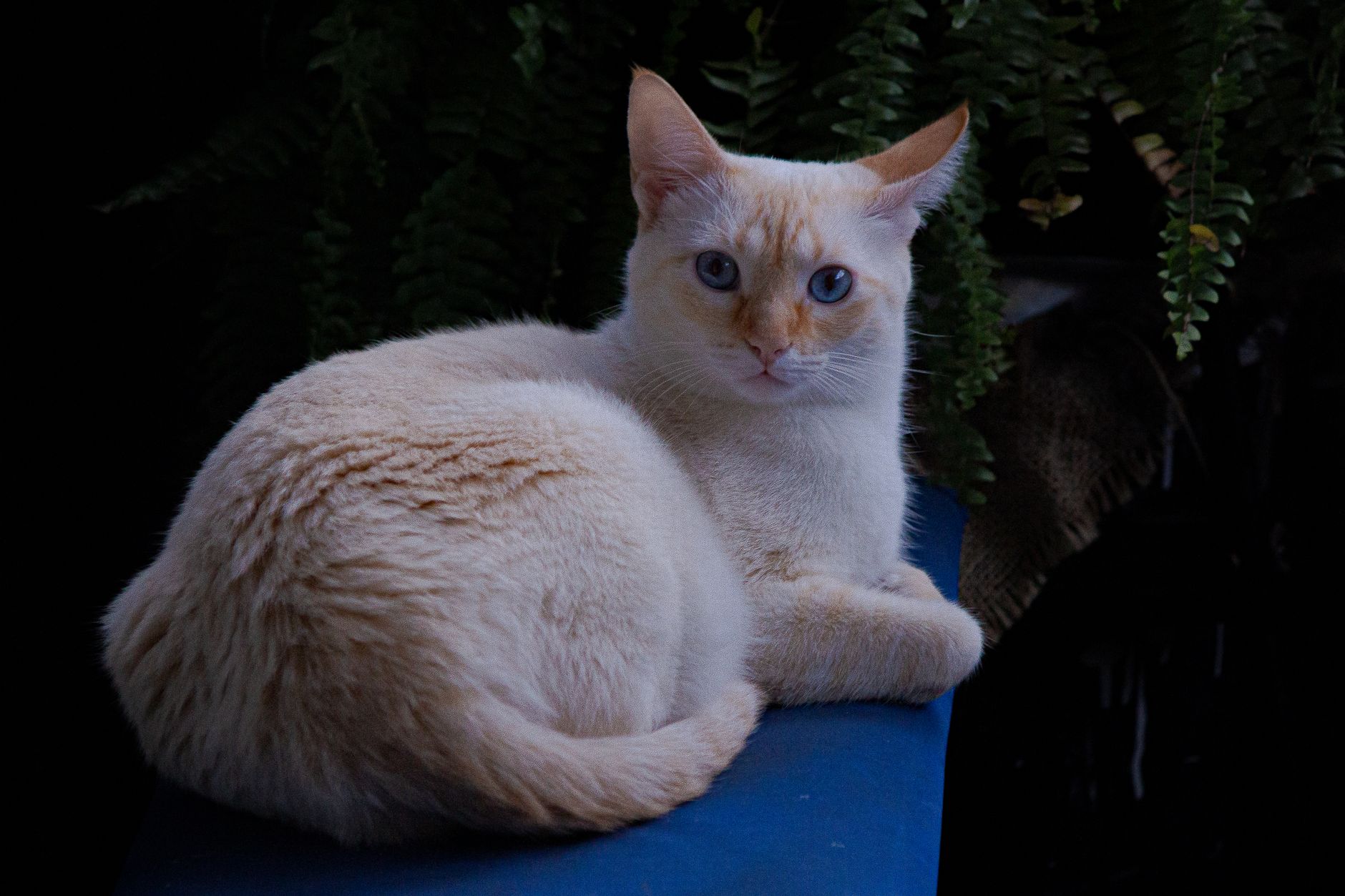
The Ojos Azules can display almost any coat color and pattern except solid white or point-restricted (like the Siamese pattern), as those already naturally cause blue eyes. They are frequently seen in beautiful tortoiseshell, solid black, or bicolor patterns, often with unique white patches on the muzzle, paws, and tail tip, which is a common expression of the gene.
Is the Ojos Azules breed recognized by TICA?
TICA (The International Cat Association) initially recognized the breed in 1991, but registration was later suspended due to the severe health risks associated with the homozygous gene. Because breeding programs must be extremely limited to prevent lethal deformities, the breed remains largely experimental and unrecognized by most other major registries.
How rare is the Ojos Azules cat?
The Ojos Azules is one of the rarest cat breeds in the world, with very few documented individuals in existence today. Due to the genetic risks of breeding them, most breeding programs have been halted or highly restricted. Prospective owners should be extremely cautious, as many cats advertised as Ojos Azules are simply domestic mixed-breed cats with blue eyes.
How can I tell if a cat is a true Ojos Azules?
A true Ojos Azules can only be verified through documented genetic lineage or genetic testing, as their physical appearance (dark coat with blue eyes) can occasionally occur through other rare spontaneous mutations. They typically exhibit deep cornflower-blue eyes and often have white markings on the tail tip, muzzle, and paws. I always caution my clients that physical traits alone are not definitive proof of this specific breed.
Do Ojos Azules cats make good indoor pets?
Yes, they are exceptional indoor pets who thrive in a controlled, safe environment. Keeping them indoors protects them from infectious diseases, traffic, predators, and theft, which is a high risk for such a rare breed. They are perfectly content with indoor life as long as they are provided with ample vertical space and mental stimulation.
What is the history of the Ojos Azules breed?
The breed originated in New Mexico, USA, in 1984, when a feral tortoiseshell female cat named ‘Connie’ was discovered to have striking deep blue eyes despite her dark coat. She was bred to non-blue-eyed male cats, proving that the trait was dominant as her kittens also inherited the blue eyes. This discovery sparked the initial, though brief, interest in developing the breed.
Are Ojos Azules cats hypoallergenic?
No, Ojos Azules cats are not hypoallergenic. They produce the Fel d 1 protein in their saliva, skin, and dander, which is the primary allergen responsible for cat allergies in humans. Regular grooming, vacuuming, and using HEPA filters can help manage mild allergy symptoms, but they are not an allergy-safe breed.
What should I feed my Ojos Azules cat to keep them healthy?
I recommend feeding a premium, high-protein wet food diet that matches their life stage to prevent obesity and support urinary tract health. Portion control is vital, so avoid free-feeding dry kibble. Always consult your veterinarian to establish an accurate caloric intake based on their body condition score.
Do Ojos Azules cats have behavioral issues?
They do not have any breed-specific behavioral issues and are generally known for being sweet, gentle, and highly social. However, like any intelligent breed, they can develop frustration or destructive scratching behaviors if they are chronically under-stimulated. Providing scratching posts, cat trees, and daily interactive play keeps their behavior positive and balanced.
Can non-blue-eyed kittens born to an Ojos Azules parent carry the gene?
No, because the Ojos Azules gene is dominant, any kitten that inherits the gene will physically display the blue eyes. Kittens born from an Ojos Azules outcross that have normal yellow or green eyes do not carry the mutation. These ‘non-blue-eyed’ offspring are completely free of the Ojos Azules gene and can be safely bred without any risk of homozygous cranial deformities.