
Australian Kelpie Breed Guide
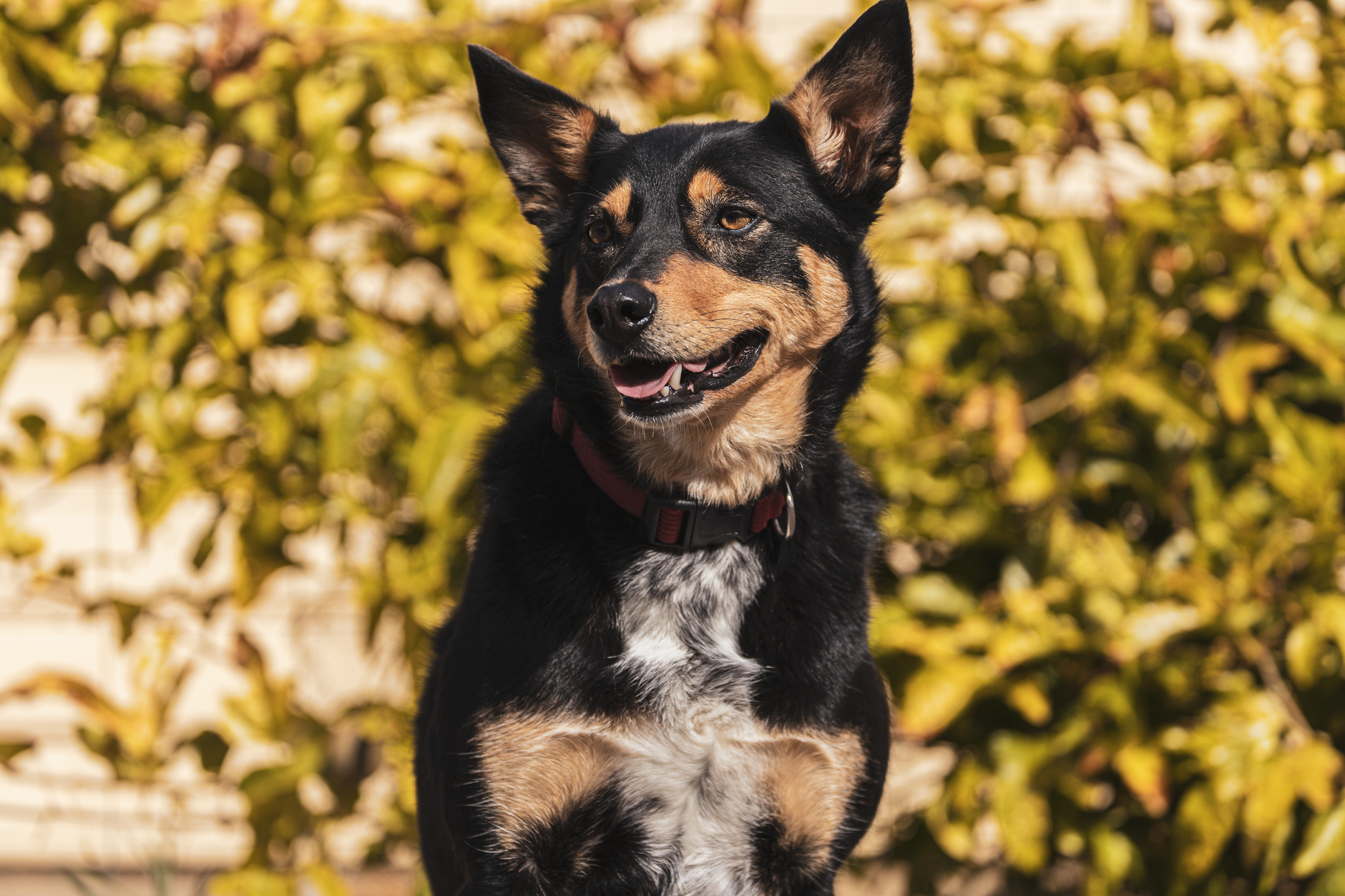
Quick Summary
The Australian Kelpie is an elite, high-octane working breed engineered for relentless stamina, intense mental engagement, and independent problem-solving. Best suited for farmers, ranchers, or highly active sports competitors, they require a dedicated job to prevent severe behavioral issues stemming from boredom.
Quick Facts
- origin countryAustralia
- breed groupHerding / Working
- sizeMedium
- weight range31 to 46 lbs (14 to 21 kg)
- height range17 to 20 inches (43 to 51 cm)
- lifespan12 to 15 years
- coat typeDouble coat: short, dense, weather-resistant outer coat with a soft undercoat
- common colorsBlack, chocolate, red, fawn, blue, and tan-point variations
- other namesWorking Kelpie, Barb
- recognized byFCI, UKC, AKC (Foundation Stock Service)
Caring for a Australian Kelpie
Living with a Kelpie is a lifestyle, not just pet ownership; they require an average of two hours of vigorous physical and mental exercise daily to thrive. In my clinic, the happiest Kelpies are those who spend their days working stock, competing in agility, or running miles with their owners. Neglecting their exercise needs almost always results in destructive chewing, hyper-vigilance, and obsessive-compulsive behaviors.
Is an Australian Kelpie a good family pet?
They can be excellent for highly active, outdoor families, but their intense herding instinct means they may nip at heels or try to corral running children. I advise close supervision and early training to manage these working drives around kids.
Do Australian Kelpies shed a lot?
Yes, they have a dense double coat that sheds moderately year-round and blows heavily twice a year during seasonal transitions. Expect to brush them at least twice a week, and daily during heavy shedding seasons to manage the undercoat.
Is an Australian Kelpie good for first-time owners?
Absolutely not. In my clinical experience, novice owners are quickly overwhelmed by the Kelpie’s extreme energy and high intelligence, which can easily manifest as reactivity or destructive behavior without skilled guidance.
Temperament & Personality
What I see most often in practice is a dog with a near-limitless drive and an analytical mind. Kelpies possess an incredible, almost human-like focus when given a task. They form deep, cooperative partnerships with their chosen handlers, though they remain somewhat independent and naturally watchful.
Is an Australian Kelpie good with other pets?
They can coexist peacefully with other dogs if socialized early, but their strong herding drive often compels them to chase cats and small animals. I highly recommend supervised introductions and training to establish firm boundaries with household pets.
How much attention does an Australian Kelpie need?
They need near-constant mental engagement and a close partnership with their handler. Leaving a Kelpie alone in a backyard with no physical or mental outlet for hours will inevitably lead to severe anxiety and destructive habits.
Training & Behavior
Training a Kelpie is incredibly rewarding because they learn complex commands in just a few repetitions, but they will easily outsmart an inconsistent handler. Their working heritage makes them highly responsive to positive reinforcement and clear, directional cues. However, they are independent thinkers who require training sessions that mimic ‘jobs’ rather than repetitive, boring drills.
Training Tips
- Use positive reinforcement and high-value rewards.
- Keep training sessions dynamic, short, and mentally challenging.
- Introduce early, structured socialization to minimize stranger aloofness.
- Teach a reliable ‘settle’ or ‘off-switch’ command from puppyhood.
- Incorporate clicker training to stimulate their analytical minds.
Fun Activities
- Canine Agility trials
- Sheep herding or stockwork trials
- Flyball and disc dog competitions
- Canicross or long-distance trail running
- Scent work and search-and-rescue training
Is an Australian Kelpie easy to train?
They are exceptionally easy to train in terms of raw intellect, but they require a skilled trainer who understands working dog drive. If you don’t provide consistent, structured boundaries, they will easily manipulate situations to do what they want.
Australian Kelpie Health Issues

From a clinical perspective, Kelpies are exceptionally robust, bred for decades for functional working soundness rather than aesthetic trends. However, their high-impact lifestyle means we must watch for developmental joint issues and genetic markers.
Cerebellar Abiotrophy (CA)
A rare, genetic neurological disease where cells in the cerebellum prematurely die off, leading to a loss of coordination and balance. Symptoms are usually progressive and can vary in severity.
Hip Dysplasia
An inherited skeletal condition where the ball-and-socket joint of the hip fails to fit together smoothly, causing gradual wear, inflammation, and arthritis over time. Maintaining a lean body weight is crucial.
Progressive Retinal Atrophy (PRA)
A family of genetic eye diseases that cause the gradual degeneration of the retina, eventually leading to complete blindness. There is no cure, but DNA screening can identify carriers.
Luxating Patella
A condition where the kneecap slips out of its normal anatomical groove, common in active working dogs and sometimes requiring surgical correction if it becomes frequent or painful.
How long do Australian Kelpies typically live?
An Australian Kelpie typically lives between 12 and 15 years. With proper preventative veterinary care, a high-quality diet, and joint support to mitigate wear-and-tear, many remain active and alert deep into their senior years.
What to Feed a Australian Kelpie
Because Kelpies burn an immense number of calories through daily activity, their nutritional requirements are distinct from typical companion dogs. I emphasize to my clients that their diet must dynamically match their current workload to prevent either muscle wasting or unnecessary obesity.
Best Diet
I recommend a high-quality, high-protein formula (around 26-30% protein) designed for active or working breeds, using life-stage appropriate formulas. Look for diets rich in omega-3 fatty acids to support joint and cognitive health.
How to Feed
Divide their daily caloric intake into two meals to maintain stable energy levels and prevent digestive distress. For working or highly active dogs, avoid feeding right before or immediately after intense exercise to lower the risk of bloat.
How Much to Feed
Portion sizes vary widely, ranging from 2 to 3.5 cups of premium kibble daily depending on their activity level. It is vital to consult your veterinarian to calculate exact caloric needs based on a body condition score (BCS).
Nutritional Tips
Incorporate joint supplements containing glucosamine, chondroitin, and EPA early in life to support their heavily worked joints. Always ensure they have access to fresh, clean water, especially during hot field days.
Australian Kelpie Grooming Guide
The Kelpie’s double coat is highly efficient and designed to shed dirt and resist water naturally, making them a low-maintenance breed regarding professional grooming. However, routine home care is essential to keep their coat and skin in top condition.
Coat Care
Brush them twice a week with a slicker brush and undercoat rake to remove dead hair and distribute skin oils. During the seasonal spring and fall ‘blows,’ daily brushing is necessary to control the shedding.
Skin Care
Baths should only be given when they are physically muddy or smelly, as over-bathing strips the coat of its natural protective, water-repellent oils.
Eye Care
Routinely check eyes for dust, debris, or plant seeds after outdoor work, but they do not require specialized ophthalmic grooming.
Ear Care
Clean their upright ears bi-weekly with a vet-approved ear cleaner to prevent dirt accumulation, though their ear structure naturally promotes good airflow.
Nail & Dental Care
Trim their fast-growing nails every 2-3 weeks to prevent painful splitting or postural strain, and brush their teeth at least three times a week.
Considerations for Pet Parents
Pros
- Extremely intelligent and highly trainable
- Unmatched stamina and physical capabilities
- Naturally loyal and protective companion
- Low-maintenance grooming requirements
- Generally a very healthy and hardy breed
Cons
- Requires immense amounts of daily physical exercise
- Can become highly destructive if mentally understimulated
- Strong herding instincts may lead to nipping at heels
- Not suited for apartment living or sedentary lifestyles
Best For
An experienced handler, rancher, or competitive sports enthusiast who can dedicate several hours a day to structured training, exercise, and mental stimulation.
Not Recommended For
First-time dog owners, apartment dwellers, or busy families who are away from home for long periods and cannot provide an active, outdoor lifestyle.
Cost
- purchase price$1,000 to $2,500
- monthly cost$150 to $250
- initial setupInitial setup costs, including high-quality crates, herding/agility training fees, vaccines, and spay/neuter surgery, typically range from $1,500 to $2,500.
Similar Breeds


Australian Kelpie FAQs
Can an Australian Kelpie live in an apartment?
I strongly advise against this. Kelpies have an incredibly high energy drive and spatial awareness that makes confined spaces stressful, leading to barking, pacing, and destructive behaviors.
Why does my Kelpie nip at my heels?
This is their natural herding instinct. In the wild or on farms, they use heel-nipping to move livestock; in a home, this behavior must be redirected immediately into appropriate toys or structured herding sports.
Do Australian Kelpies bark a lot?
They are vocal when they have a job to do or when they are bored. While they aren’t recreational barkers like some smaller breeds, a bored Kelpie will bark or whine to express frustration.
How fast can an Australian Kelpie run?
Kelpies are incredibly fast and agile, capable of reaching speeds up to 25 to 30 miles per hour. This speed, paired with their ability to stop on a dime, makes them stellar athletic competitors.
Are Kelpies prone to separation anxiety?
Yes, because they bond so intensely with their primary handler and thrive on teamwork, they can develop severe separation anxiety if left alone for extended periods without mental tasks.
At what age does an Australian Kelpie settle down?
In my practice, I observe that Kelpies do not truly ‘settle down’ in the traditional sense, but they do mature and become more focused around 2 to 3 years of age once they outgrow puppy adolescence.
Can Australian Kelpies swim?
Yes, most Kelpies are strong, confident swimmers. However, because they lack natural buoyant body fat, they should always be supervised, and you should consider a canine life jacket for deep or fast-moving water.
How do I mentally stimulate my Kelpie?
Incorporate food puzzle toys, scent detection games, complex command training, agility courses, and ‘hide-and-seek’ games. Simply walking them on a leash is never enough to satisfy their analytical brains.
Are Australian Kelpies aggressive?
They are not naturally aggressive, but they are highly protective of their family and territory. Without proper, extensive socialization, their natural alertness can progress into fear-based reactivity or defensiveness.
How do Kelpies tolerate hot weather?
Bred for the harsh Australian outback, Kelpies tolerate dry heat remarkably well. However, they are still susceptible to heatstroke, so I always caution owners to provide ample shade and hydration during summer.
What is the ‘Kelpie crouch’?
This is a characteristic herding stance where the dog lowers its front end, keeping its eyes fixed intensely on the stock. It is a natural, instinctual body language used to control and direct movement.
Do Kelpies make good guard dogs?
They make excellent watchdogs because of their high vigilance and tendency to bark at intruders. However, they are generally too medium-sized and focused on herding to be used as actual protection or guard dogs.
What genetic tests should I ask a Kelpie breeder for?
Always ask for DNA screening results for Progressive Retinal Atrophy (PRA), cerebellar abiotrophy (CA), and hip evaluation scores from the OFA or PennHIP to ensure the parents are free from hereditary defects.