
Australian Mist Breed Guide
Quick Summary
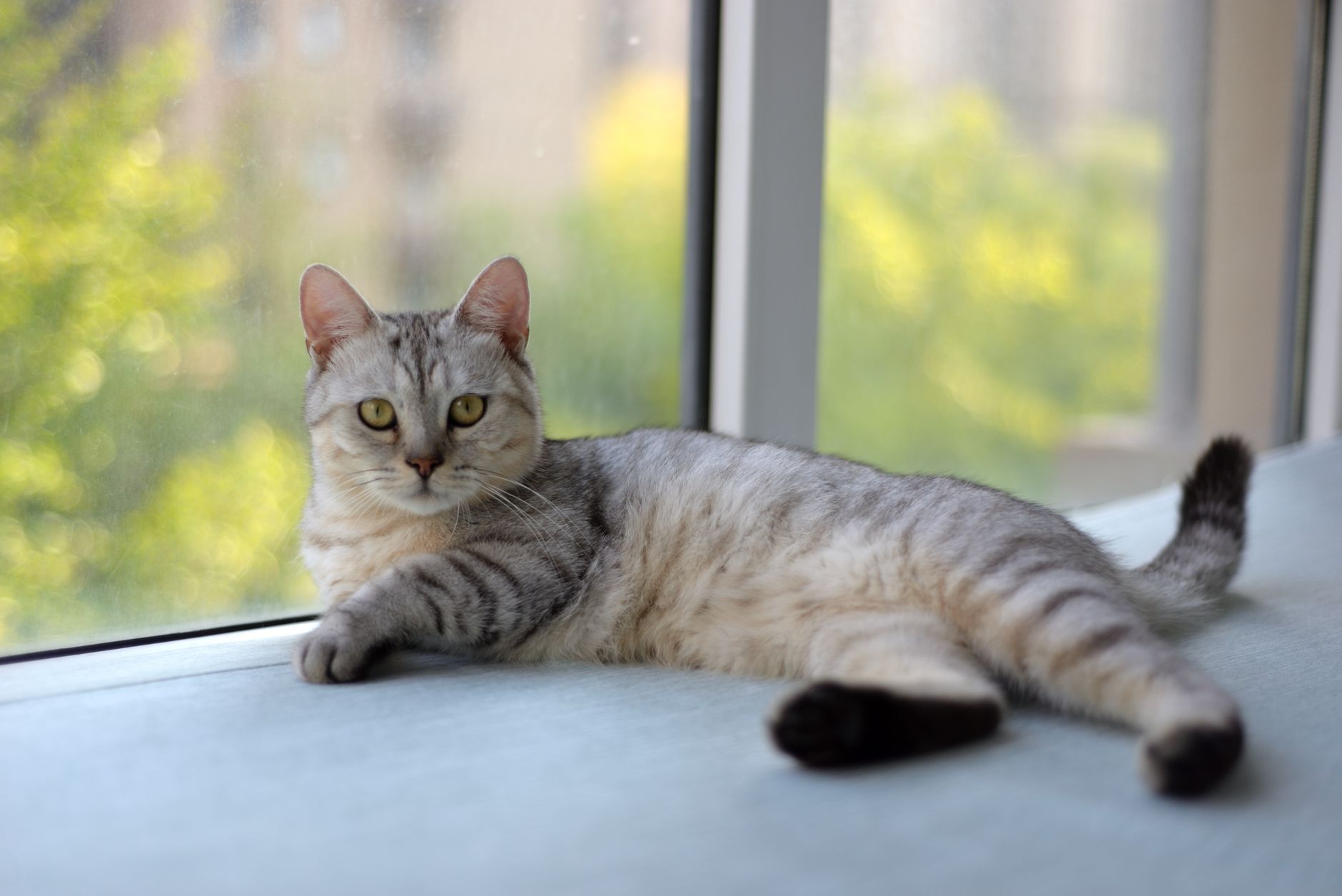
The Australian Mist is an exceptionally social, affectionate, and laid-back breed developed to be the ultimate indoor companion. Combining the robust, loving nature of the Burmese with the intelligence of the Abyssinian, they are outstandingly gentle pets that thrive in active, multi-pet households and families with young children.
Quick Facts
- origin countryAustralia
- breed groupShorthair
- sizeMedium
- weight range8 to 15 lbs (3.6 to 6.8 kg)
- height range9 to 11 inches (23 to 28 cm)
- lifespan12 to 15+ years
- coat typeShort, dense, glossy, and resilient with a distinct misted pattern
- common colorsBrown, Blue, Chocolate, Lilac, Caramel, Gold, Peach
- other namesSpotted Mist
- recognized byACF, GCCF, TICA (Experimental)
Caring for a Australian Mist
Living with an Australian Mist is incredibly rewarding due to their remarkably cooperative, home-body nature. In my practice, I find they adjust better to strict indoor living than almost any other breed, as they have been systematically bred to cherish human companionship over outdoor roaming. They do, however, require daily interactive play and mental stimulation to keep their quick minds busy. Because they are highly social, they do best when they are not left alone for long stretches without a playmate.
Is an Australian Mist a good family pet?
They are arguably one of the finest family pets in the feline world. In my years treating this breed, I have found them to be exceptionally tolerant, gentle, and highly resistant to scratching or biting, even when handled by enthusiastic toddlers.
Do Australian Mists shed a lot?
No, they shed very minimally. Their short, dense single coat lacks a heavy undercoat, meaning weekly brushing is all that is required to keep loose hairs under control and off your furniture.
Is an Australian Mist good for first-time owners?
Yes, I highly recommend them to novices. Their forgiving, highly adaptable nature and low-maintenance grooming routine make them exceptionally easy to manage compared to more high-maintenance or independent breeds.
Temperament & Personality

The Australian Mist is celebrated for its incredibly loving, people-centric personality. In my clinical experience, these cats retain a joyful, kitten-like curiosity well into their senior years, yet they maintain a remarkably calm and stable temperament. They genuinely crave human contact, often following their owners from room to room to participate in household activities, and they love curling up on a lap the moment you sit down.
Is an Australian Mist good with other pets?
Yes, they are outstandingly social and typically view other cats and dog companions as instant friends. Their lack of territorial aggression makes integrating them into a multi-pet home remarkably smooth.
How much attention does an Australian Mist need?
They require a moderate-to-high level of daily emotional engagement. While they do not cry constantly for attention, they can develop separation anxiety and depression if left entirely alone for long workdays without another pet or human companion.
Training & Behavior
Thanks to their intelligent Abyssinian and cooperative Burmese heritage, Australian Mists are highly trainable. They are eager to please and respond brilliantly to gentle, positive reinforcement methods. In my practice, I have seen owners successfully train their Mists to perform complex behaviors that are usually reserved for highly obedient dogs.
Training Tips
- Use high-value, low-calorie treats to reward immediate compliance.
- Incorporate clicker training early to teach basic commands like sit and come.
- Introduce a harness and leash inside the home before attempting quiet backyard walks.
- Keep training sessions short and engaging, ideally under 5 minutes, to match their focus.
- Never use physical corrections, as this sensitive breed will quickly shut down and withdraw.
Fun Activities
- Interactive puzzle toys containing kibble
- Playing fetch with soft, crinkly toys
- Navigating basic indoor agility courses
- Supervised leash walks in quiet, secure yards
- Chasing feather wands and laser pointers
Is an Australian Mist easy to train?
Yes, they are exceptionally easy to train compared to most felines. Their natural curiosity, combined with a strong desire to bond with their human handlers, makes them very receptive to learning tricks and house rules.
Australian Mist Health Issues
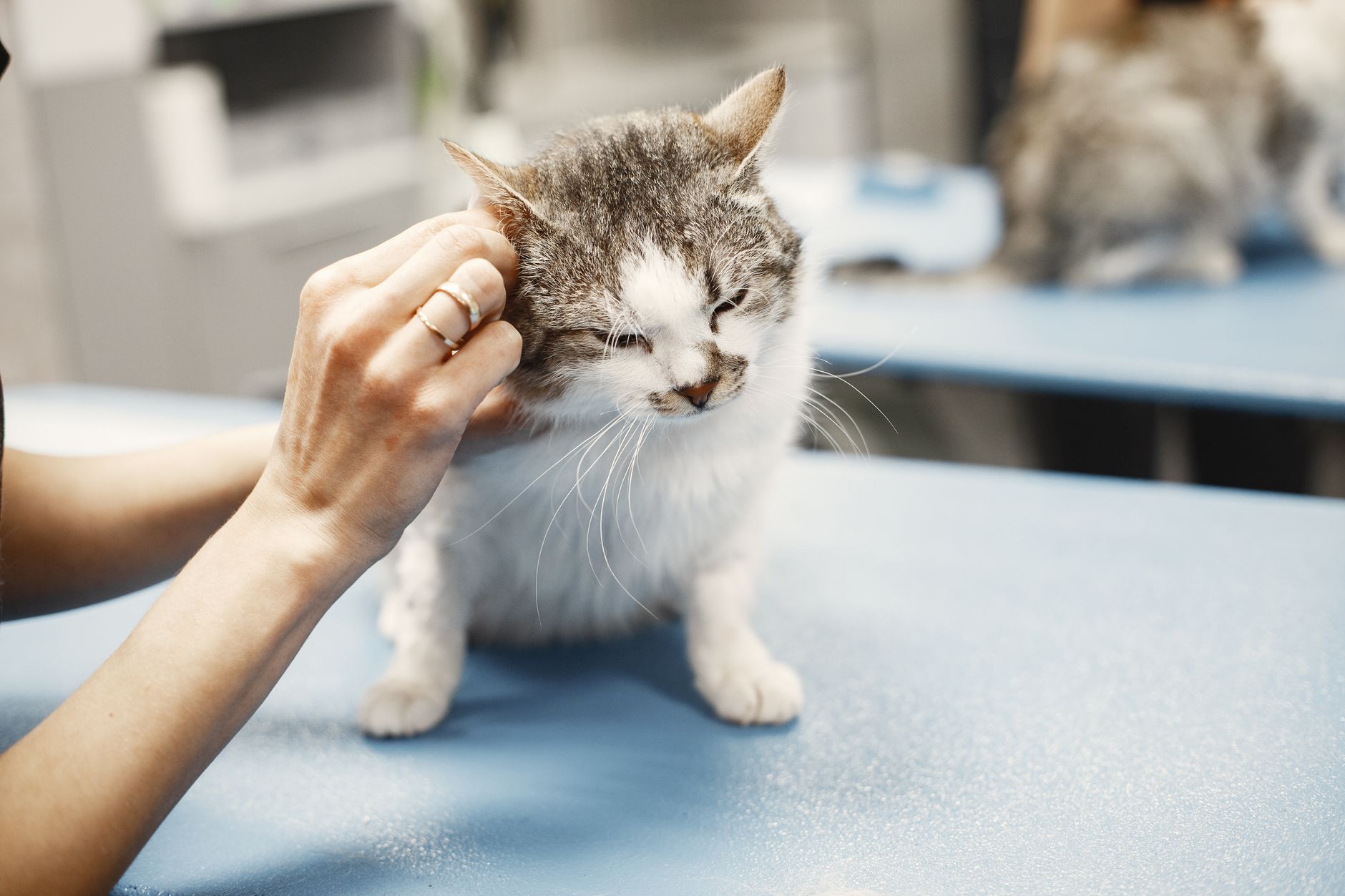
Due to their diverse genetic background, which includes Domestic Shorthair outcrosses, Australian Mists are generally a robust and healthy breed. However, like all cats, they are prone to specific genetic predispositions that require proactive, preventive veterinary care.
Periodontal Disease
Inherited from their Burmese ancestry, Australian Mists have a higher predisposition to early-onset gingivitis and periodontal disease. Left unchecked, this can lead to painful tooth resorption, tooth loss, and secondary systemic infections affecting the kidneys and heart.
Obesity
Because they are so content living an inactive, indoor lifestyle, Mists are highly prone to post-neutering weight gain. Obesity drastically increases their risk of feline diabetes, osteoarthritis, and hepatic lipidosis.
Hypertrophic Cardiomyopathy (HCM)
While not rampant, HCM, a genetic thickening of the heart walls, is a potential concern inherited from their Burmese and Abyssinian ancestors. Routine veterinary monitoring and cardiac ultrasounds for breeding cats are recommended.
Chronic Kidney Disease (CKD)
As with many domestic shorthair breeds, kidney function can decline with age. Regular geriatric screenings starting at age 7 are essential to catch renal decline early and initiate dietary management.
How long do Australian Mists typically live?
With proper indoor housing, routine annual veterinary checkups, and a balanced diet, Australian Mists routinely live between 12 to 15 years, with many robust individuals reaching 18 years or older.
What to Feed a Australian Mist
Managing the nutritional intake of your Australian Mist is vital, as their relaxed indoor lifestyle puts them at high risk for excessive weight gain. In my clinic, I emphasize strict portion control rather than free-feeding.
Best Diet
A high-quality, high-protein, and moderate-fat diet is ideal. I strongly recommend a mix of wet canned food (to provide hydration and protect kidney health) and high-quality, veterinary-approved dental kibble to help manage plaque.
How to Feed
Avoid leaving food out all day. Instead, divide their calculated daily portion into two or three measured meals. I always tell owners to feed them using interactive puzzle feeders to slow their eating and burn calories.
How Much to Feed
An average 10-pound adult Australian Mist requires roughly 200 to 240 calories per day, depending on their physical activity level. Because individual metabolic rates vary, always consult your veterinarian to establish a precise portion size based on a body condition score evaluation.
Nutritional Tips
Incorporate omega-3 fatty acid supplements to keep their unique misted coat glossy and support joint health. Ensure they have access to fresh, flowing water via a pet fountain to encourage drinking and deter urinary crystal formation.
Australian Mist Grooming Guide
Grooming an Australian Mist is wonderfully simple and requires very little time. Their coat is short and dense, with minimal shedding, making them a dream to care for.
Coat Care
Brush their coat once a week using a rubber grooming mitt or a soft-bristled brush to remove dead hairs and stimulate the natural oils of their skin. This simple routine keeps their misted coat glossy and vibrant.
Skin Care
Their skin is naturally healthy and rarely requires bathing unless they get into something unusually dirty. Routine brushing is typically more than enough to maintain skin health.
Eye Care
Wipe the corners of their eyes with a damp, soft cloth if any minor sleep crusts accumulate, though they rarely suffer from excessive eye discharge.
Ear Care
Inspect their ears bi-weekly for any wax buildup, redness, or unusual odor. Clean them gently only if necessary using a vet-approved feline ear cleaner.
Nail & Dental Care
Trim their nails every 2 to 3 weeks to prevent snagging. To combat their genetic predisposition to dental disease, I strongly advise introducing daily toothbrushing with feline enzymatic toothpaste starting in kittenhood.
Considerations for Pet Parents
Pros
- Extremely affectionate, people-oriented, and loving personality
- Incredibly gentle and tolerant with young children
- Adapts perfectly to strict, indoor-only living
- Low-maintenance coat that sheds very minimally
- Highly social and gets along brilliantly with other household pets
- Intelligent and highly receptive to basic clicker training
Cons
- Can suffer from severe separation anxiety if left alone for long periods
- Highly prone to obesity if diet and portions are not strictly regulated
- Genetically predisposed to early-onset dental and periodontal disease
- Extremely trusting nature makes them unsafe for unsupervised outdoor access
Best For
Active families, multi-pet households, and owners who work from home or can dedicate ample time to interactive play and companionship.
Not Recommended For
Individuals who travel frequently, work very long hours outside the home without other pets, or those who want an independent, hands-off pet.
Cost
- purchase price$800 to $1,500 USD
- monthly cost$60 to $100 USD
- initial setupInitial setup will range from $300 to $550, which covers essential items like a high-quality scratching post, litter box, carriers, toys, and initial veterinary vaccinations and microchipping.
Similar Breeds

Australian Mist FAQs
Are Australian Mists hypoallergenic?
No, they are not hypoallergenic. While they shed very little and produce less airborne dander than some thick-coated breeds, they still produce the Fel d 1 protein in their saliva and skin, which is the primary trigger for cat allergies.
Do Australian Mists vocalize a lot?
No, they are generally quiet cats. They will communicate with quiet, soft chirrups and gentle meows when they want to greet you or remind you it is dinner time, but they do not possess the loud, persistent voice of their Siamese ancestors.
How big do Australian Mists get?
They are medium-sized cats with a surprisingly heavy, muscular build. Adult males typically weigh between 11 to 15 pounds, while adult females are slightly smaller, usually weighing between 8 to 11 pounds.
Why are they called ‘Australian Mist’?
The breed was developed in Australia by Dr. Truda Straede. The name ‘Mist’ refers to their unique coat pattern, where the beautiful spots or marbled swirls are overlaid with ticking, giving the coat a distinct, misted or fogged appearance.
Can an Australian Mist go outside?
I strongly advise keeping them as indoor-only pets. Their trusting, non-aggressive nature means they lack the defensive instincts to protect themselves against street traffic, stray dogs, and outdoor pathogens.
Are Australian Mists lap cats?
Yes, they are highly famous for being exceptional lap cats. They love physical contact and will happily spend hours curled up in your lap, purring loudly while you read or watch television.
At what age do Australian Mists fully mature?
While they reach sexual maturity early, Australian Mists do not achieve their full physical size, muscular weight, and final eye color until they are approximately 2 years of age.
Do they get along well with dogs?
Yes, they excel in households with dogs. Because of their confident, relaxed, and non-territorial temperament, they readily accept cat-friendly dogs and will often curl up to nap with them.
What are the key coat patterns of the Australian Mist?
The breed features two primary coat patterns: spotted and marbled. Both patterns must display a distinct ‘misted’ effect, which is caused by delicate ticking over a lighter background color.
Are they prone to skin allergies?
No, they are not particularly prone to skin issues. However, ensuring a high-quality diet rich in essential fatty acids will protect their skin barrier and keep their misted coat soft and shiny.
How often should I take my Australian Mist to the vet?
I recommend annual wellness exams for Mists under the age of 7 to monitor their dental health and weight. For senior cats over 7, bi-annual visits with blood panels are recommended to monitor kidney and thyroid function.
Do Australian Mists like water?
While they do not typically enjoy being submerged in a bath, many Mists are highly fascinated by running water. It is very common to find them playing with dripping faucets or splashing water from their drinking bowls.
Do they climb a lot?
They enjoy moderate climbing and appreciate a sturdy cat tree, but they are generally less frantic about vertical spaces than breeds like the Abyssinian. They prefer to stay closer to human eye level.
Are they destructive if left alone?
They are generally very well-behaved, but if left alone for extended periods without toys or a companion, they can engage in minor destructive behaviors like scratching furniture out of sheer boredom and anxiety.
Are they recognized by major cat registries?
They are fully recognized by the Australian Cat Federation (ACF) and the Governing Council of the Cat Fancy (GCCF) in the UK. In North America, they are gaining recognition and can be registered with TICA under experimental status.