
Sphynx Breed Guide

Quick Summary
The Sphynx is a highly energetic, intensely social, and velcro-like companion known for its lack of a traditional coat and striking, alien-like appearance. Far from a low-maintenance pet, this breed requires dedicated weekly grooming, heated environments, and constant human companionship, making them best suited for highly attentive owners who view pet care as an active hobby.
Quick Facts
- origin countryCanada
- breed groupChampionship (CFA) / Hairless
- sizeMedium-sized, surprisingly heavy and muscular
- weight range6 to 12 pounds (2.7 to 5.4 kg)
- height range8 to 10 inches (20 to 25 cm)
- lifespan8 to 14 years
- coat typeHairless (fine peach-fuzz down)
- common colorsAll colors and patterns (pointed, solid, tabby, tortoiseshell)
- other namesCanadian Hairless
- recognized byCFA, TICA, FIFe, CCA, ACFA
Caring for a Sphynx
Living with a Sphynx is a full-time commitment that feels more like living with an affectionate, mischievous toddler than an independent cat. In my experience, their lack of insulating fur means they actively seek out heat sources, requiring a reliable rotation of sweaters, heated beds, and sunny spots to stay comfortable. You must also prepare for the daily reality of body oils transferring to your furniture, bedding, and clothes if you skip their hygiene routine. They are incredibly social animals, meaning they do not tolerate being left alone for long workdays without a buddy or plenty of interaction.
Is a Sphynx a good family pet?
Yes, they make exceptional family pets because they are highly outgoing, friendly, and robust enough for active households. In my experience, their fearless nature makes them fantastic companions for children who know how to handle animals gently.
Do Sphynxs shed a lot?
They do not shed hair, but they do shed skin dander and natural body oils. Instead of vacuuming fur, you will spend your time wiping down oily spots on light-colored furniture and washing their blankets frequently.
Is a Sphynx good for first-time owners?
Generally, no, unless you are fully prepared for the commitment. The intensive weekly grooming routine and their intense demand for human attention can easily overwhelm someone used to low-maintenance pets.
Temperament & Personality

The Sphynx is famously described as part cat, part dog, part monkey, and part child, and I find that comparison incredibly accurate. They are relentless attention-seekers who will drape themselves around your neck, ride on your shoulders, and follow you from room to room. They possess an infectious, clownish energy and absolutely love showing off for an audience. If you want a quiet, aloof cat who sits beautifully in the corner, the Sphynx is definitely not the breed for you.
Is a Sphynx good with other pets?
They are exceptionally social and typically love the company of other cats and friendly dogs. I always advise pairing them with an active companion to keep them company when you are away from home.
How much attention does a Sphynx need?
They need an immense amount of interaction and do not tolerate isolation well. Plan to spend several hours a day playing, cuddling, and interacting with them directly to keep them happy.
Training & Behavior
Sphynxs are highly intelligent and remarkably food-motivated, making them highly trainable compared to most other cat breeds. I have successfully trained several to fetch, sit on command, and even walk comfortably on a harness. Because they are so clever, they require mental stimulation to prevent them from opening cabinets or knocking items off counters out of sheer boredom.
Training Tips
- Use high-value, smelly treats like freeze-dried chicken
- Keep training sessions short and upbeat (2 to 5 minutes)
- Incorporate clicker training for complex tricks
- Set clear boundaries early to discourage counter-jumping
- Teach target training to guide them gently
Fun Activities
- Interactive puzzle feeders
- Fetching small crinkle balls
- Agility courses or obstacle navigation
- Harness training for secure indoor/outdoor walks
- Learning interactive tricks like ‘high-five’ or ‘spin’
Is a Sphynx easy to train?
Yes, they are highly responsive to positive reinforcement and clicker training. Their natural curiosity and high food drive make them much easier to train than your average domestic cat.
Sphynx Health Issues
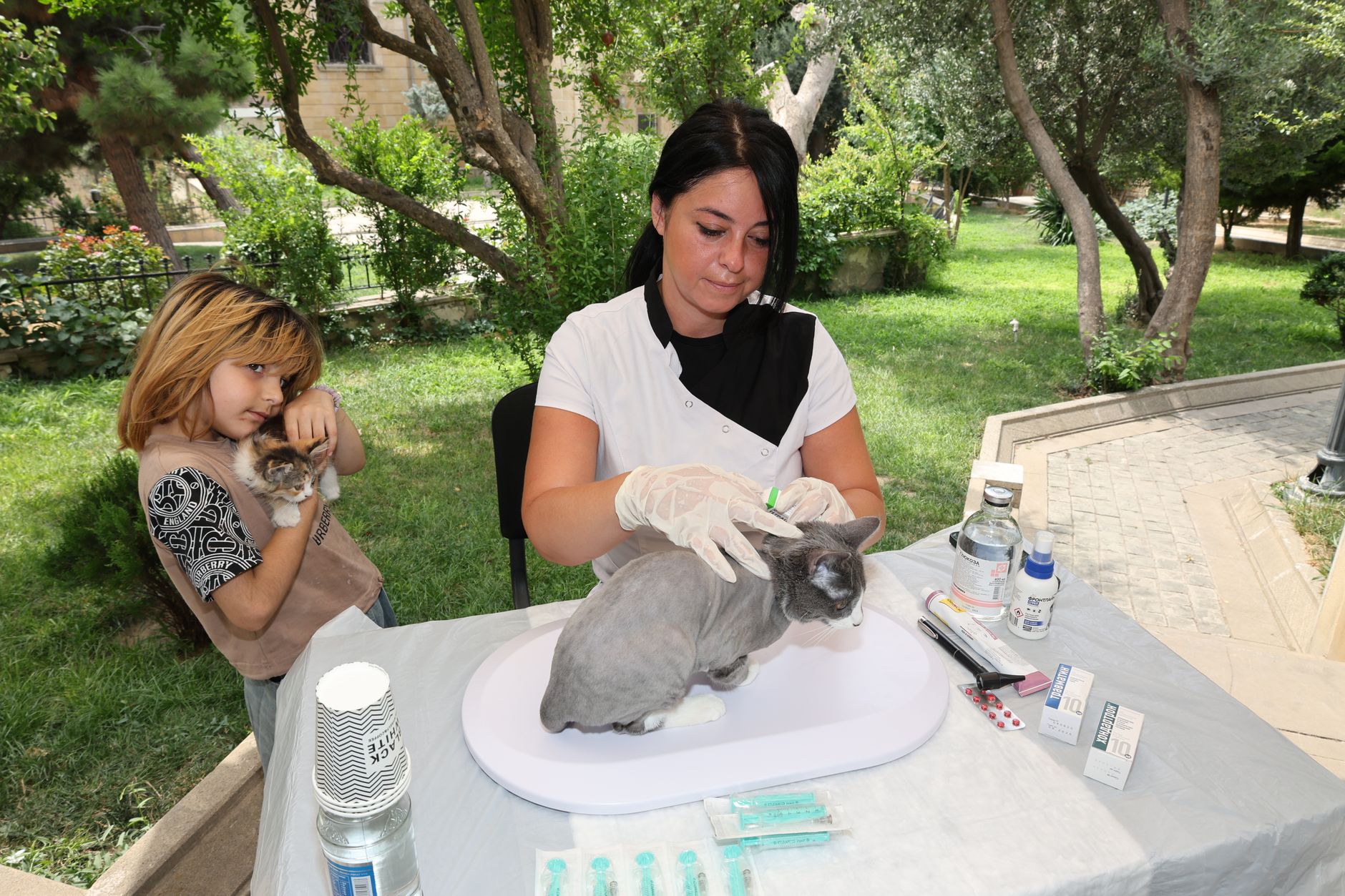
While they are generally robust, muscular cats, Sphynx cats have specific genetic vulnerabilities that require proactive veterinary screening. I always stress the importance of purchasing from breeders who perform annual cardiac scans, as heart issues can run silently in certain genetic lines.
Hypertrophic Cardiomyopathy (HCM)
A genetic condition where the heart muscle thickens, potentially leading to heart failure or blood clots. I highly recommend annual echocardiograms by a board-certified veterinary cardiologist to screen for this.
Hereditary Myopathy
An inherited muscle weakness disorder that affects their ability to walk, jump, and hold their head up properly, caused by a genetic defect affecting neuromuscular transmission.
Periodontal (Gum) Disease
Sphynx cats are highly prone to rapid tartar buildup and gum inflammation. Daily brushing and professional veterinary dental cleanings are crucial to prevent early tooth loss.
Urticaria Pigmentosa
A dermatological condition causing itchy, crusty sores or dark spots on the body due to an excess of mast cells in the skin, often triggered by stress or poor skin hygiene.
Ear Infections
Without protective hair inside the ears to filter out dust, combined with excessive dark wax production, they are highly susceptible to painful yeast and bacterial infections.
How long do Sphynxs typically live?
With diligent care, a high-quality diet, and regular veterinary checkups, Sphynxs typically live between 8 and 14 years. Many can reach 15 or more if kept strictly indoors and screened regularly for heart conditions.
What to Feed a Sphynx
Because they lack an insulating fur coat, Sphynx cats have a significantly higher metabolic rate than haired cats to keep their body temperature stable. They burn calories quickly and require more food, meaning you’ll see a hearty, sometimes insatiable appetite.
Best Diet
I recommend a high-protein, moderate-to-high fat diet, ideally composed of premium wet food or balanced raw formulations to help support their skin health. Consult your vet to tailor the diet, especially if they have sensitive digestion.
How to Feed
Feed them multiple small meals throughout the day (3-4 times) or use a microchip-activated feeder to keep food fresh. Avoid leaving massive bowls of dry food out, as they can gorge themselves and vomit.
How Much to Feed
On average, a Sphynx requires 30% to 50% more calories per pound of body weight than a haired cat. A typical adult Sphynx needs roughly 250 to 350 calories daily, but always adjust based on your vet’s assessment of their body condition score.
Nutritional Tips
Adding a high-quality omega-3 fatty acid supplement can support their skin barrier and cardiac health. Always ensure they have multiple clean water sources, as their high metabolism increases hydration needs.
Sphynx Grooming Guide
Do not be fooled by the lack of fur; the Sphynx is one of the most high-maintenance breeds when it comes to grooming. Their skin naturally produces oils that are normally absorbed by fur, leading to a greasy buildup if neglected.
Coat Care
They don’t have a traditional coat, but they need a sponge bath or full bath every 1 to 2 weeks using a gentle, fragrance-free pet shampoo. Be sure to rinse thoroughly to avoid skin irritation.
Skin Care
Wipe down their skin folds daily with a warm, damp washcloth or unscented baby wipes to prevent acne and fungal infections. Always apply pet-safe sunscreen if they sit in sunny windows.
Eye Care
Because they lack eyelashes, dust easily gets into their eyes, causing a jelly-like discharge. Gently wipe their eyes daily with a damp cotton ball using warm water or saline solution.
Ear Care
Their ears produce a thick, black, waxy buildup that must be cleaned weekly using a vet-recommended ear cleaner and cotton balls—never insert Q-tips deep into the canal.
Nail & Dental Care
Wipe the oily black buildup from their nail beds and claw sheaths weekly, and brush their teeth daily to combat aggressive plaque formation.
Considerations for Pet Parents
Pros
- Extremely affectionate and loving ‘velcro’ cats
- Highly intelligent and easy to train
- Great for multi-pet and active households
- No shedding or fur on your clothes/furniture
- Incredibly social and entertaining personalities
- Very loyal, dog-like devotion to owners
Cons
- High-maintenance grooming and bathing needs
- Prone to serious genetic health issues like HCM
- Can leave oily spots on furniture and bedding
- Highly sensitive to extreme cold and sunburn
- Do not tolerate being left alone for long periods
Best For
Dedicated owners who have plenty of time to spend at home, enjoy hands-on grooming, and want an intensely affectionate, interactive companion.
Not Recommended For
Busy professionals who are out of the house all day, those looking for a low-maintenance pet, or anyone who dislikes regular bathing routines and oily residues.
Cost
- purchase price$1,500 to $3,500 USD
- monthly cost$150 to $250 USD
- initial setupExpect to spend $500 to $800 initially on high-quality heated cat beds, specialized grooming shampoos, winter sweaters, and veterinary screening exams.
Similar Breeds
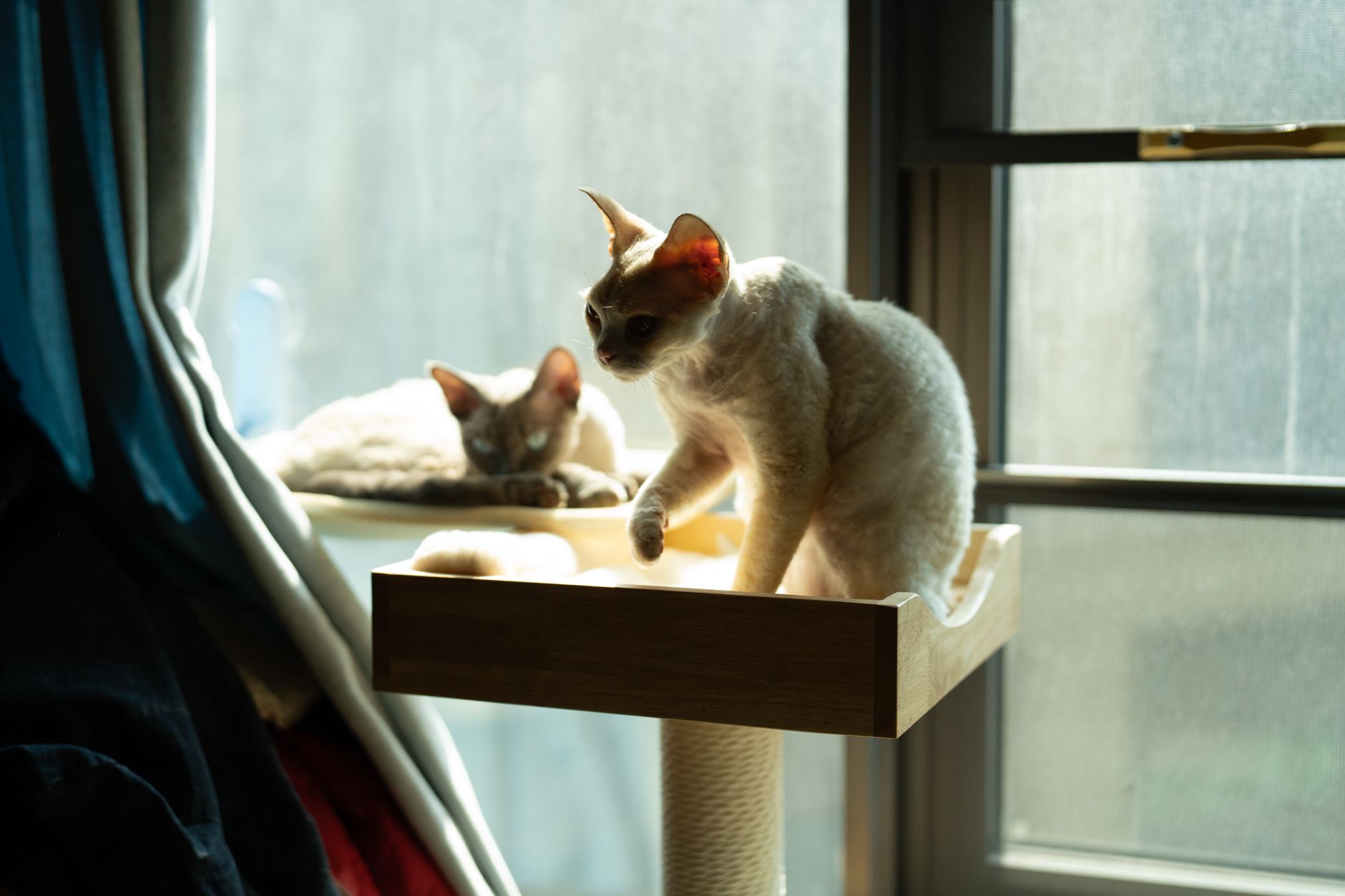
Devon Rex

Peterbald
Sphynx FAQs
Are Sphynx cats completely hypoallergenic?
No cat is entirely hypoallergenic. While Sphynx cats don’t shed fur, they still produce dander, saliva, and skin oils containing the Fel d 1 allergen. Many allergy sufferers do better with them, but I always recommend spending time around one before committing.
Why do Sphynx cats feel so warm?
Their normal body temperature is around 102°F (38.9°C), and because there is no fur insulating their body, you are feeling their direct skin temperature. They feel like a warm peach or a hot water bottle to the touch.
Do Sphynx cats need to wear sweaters?
Yes, during cooler months or in air-conditioned homes, they absolutely need sweaters to help regulate their body temperature. However, ensure sweaters are made of breathable fabrics and washed frequently to prevent oil buildup against their skin.
How often should I bathe my Sphynx cat?
In my experience, a bath every 1 to 2 weeks is ideal. Bathing too frequently can strip their skin and cause it to overproduce oil, while waiting too long leads to greasy residue, skin irritation, and unpleasant odors.
Do Sphynx cats get acne?
Yes, Sphynx cats are highly prone to blackheads and acne, particularly on their chins and tails. This is usually caused by clogged pores from excess oil, so keeping these areas clean and using ceramic or metal food bowls is essential.
Can Sphynx cats go outside?
They should be strictly indoor cats. Their lack of fur makes them highly susceptible to sunburn, skin cancer, heatstroke, and extreme hypothermia, not to mention their lack of defense against predators or parasites.
Why does my Sphynx have black gunk on its nails?
This black buildup is a mixture of natural skin oils and dirt that accumulates in the nail folds and under the sheath. You should gently wipe this gunk away during weekly nail trims using a damp cloth or pet wipe.
Are Sphynx cats talkative?
Yes, they are moderately vocal. While they aren’t quite as loud as Siamese cats, they will definitely chirp, trill, and meow to get your attention, especially when they are hungry or want to be let under your blankets.
Why does my Sphynx cat smell like mushroom soup or potatoes?
Many owners notice a distinct, yeast-like smell that resembles mushrooms, potatoes, or corn chips. This is normal and comes from their skin oils and natural bacteria, but a sour or foul odor indicates it’s time for a bath.
Can Sphynx cats jump high?
Yes, they are incredibly athletic and muscular. They have powerful hind legs and love to jump to the very tops of doors, refrigerators, and high shelves, so providing tall cat trees is highly recommended.
Why does my Sphynx have some hair on its face and tail?
It is perfectly normal for Sphynx cats to have fine, short hair on the bridge of their nose, ears, feet, and the tip of their tail. Hormonal changes, temperature shifts, and genetics can also cause them to grow a bit more peach fuzz over time.
Do Sphynx cats get sunburned?
Yes, they can sunburn very easily through windows or during brief outdoor sessions. I advise placing UV-blocking film on sunny windows or limiting their sunbathing to shady indoor spots.
Is a Sphynx cat friendly with dogs?
In my experience, Sphynx cats are incredibly outgoing and typically view dogs as large, warm heating pads. As long as the dog is cat-friendly, they will usually become fast friends and snuggle together.
What kind of bowls should I use for a Sphynx?
Always use stainless steel, ceramic, or glass bowls for their food and water. Plastic bowls harbor bacteria in micro-scratches, which can easily trigger severe feline acne on their sensitive chins.
Should I clean my Sphynx cat’s eyes daily?
Yes. Because they lack eyelashes, dirt and dust easily irritate their eyes, leading to a dark, jelly-like tear discharge. Wiping their eyes daily with a warm, damp cotton pad prevents irritation and crusting.