
Treeing Walker Coonhound Breed Guide
Quick Summary
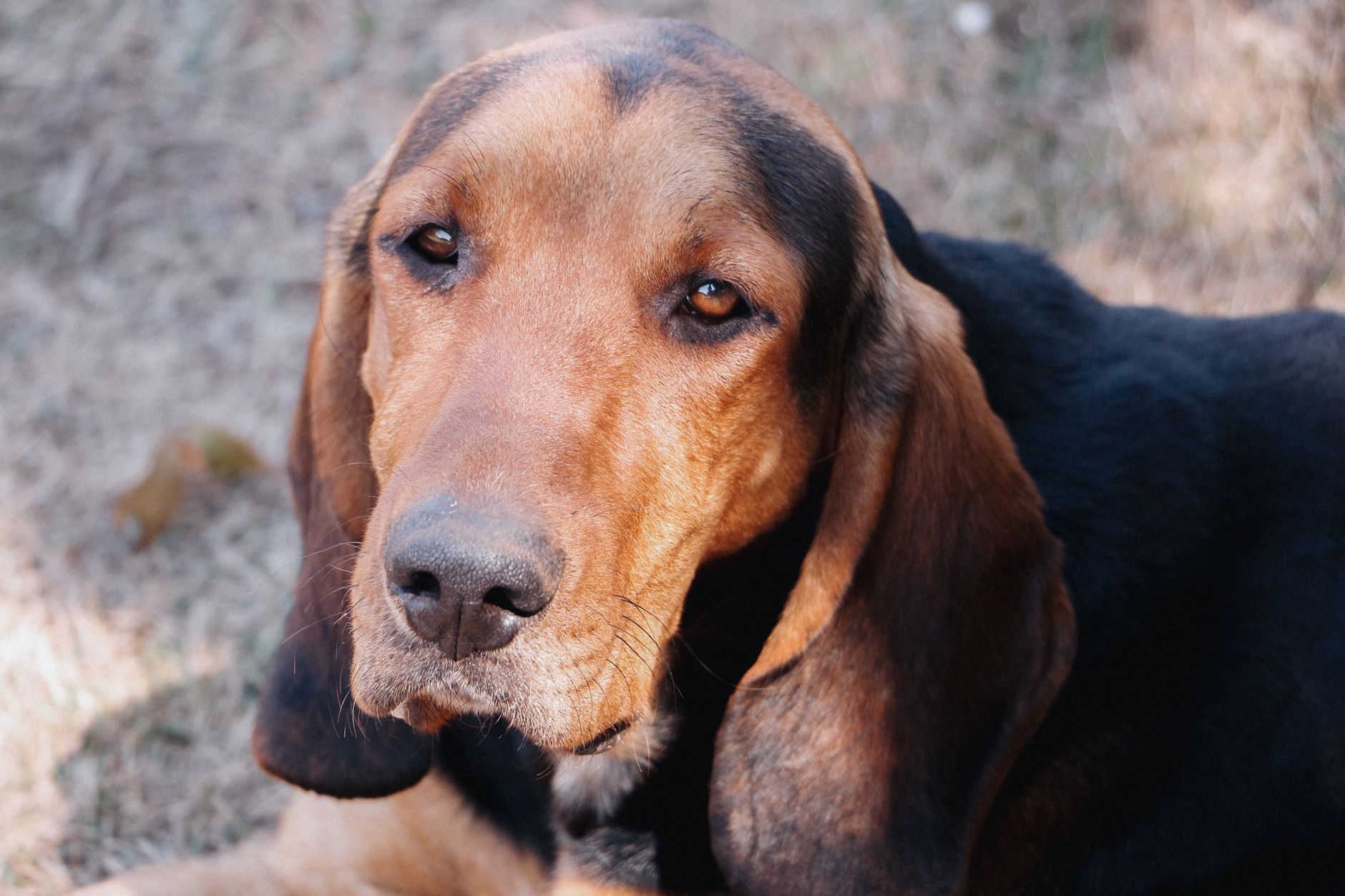
The Treeing Walker Coonhound is a high-octane, deeply affectionate athlete that transitions seamlessly from an intense, scent-driven hunter to a docile, couch-loving family companion. Best suited for active, outdoor-loving households, this breed requires dedicated mental stimulation and secure containment to manage its profound tracking instincts.
Quick Facts
- origin countryUnited States
- breed groupHound
- sizeLarge
- weight range50 to 70 pounds
- height range20 to 27 inches
- lifespan12 to 14 years
- coat typeShort, smooth, and glossy
- common colorsTri-color (black, white, and tan) is classic; bi-colors also occur
- other namesWalker Coonhound, TWC
- recognized byAKC, UKC
Caring for a Treeing Walker Coonhound
Living with a Treeing Walker Coonhound is a lesson in managing raw, athletic power and profound scent drive. In my clinic, I always warn new owners that a standard four-foot fence is merely a suggestion to this breed; they can easily clear high barriers when a scent beckons. They require at least 60 to 90 minutes of vigorous daily exercise, but once their energy is spent, they are surprisingly gentle couch potatoes. They need consistent mental stimulation to prevent destructive chewing and chronic baying.
Is a Treeing Walker Coonhound a good family pet?
Yes, they are exceptionally gentle, patient, and loving with children. However, their large size and exuberant play style mean they can accidentally knock over toddlers, so supervision is always recommended.
Do Treeing Walker Coonhounds shed a lot?
They are moderate, year-round shedders. Their short, stiff hairs tend to weave into fabric and upholstery, requiring regular brushing and frequent vacuuming to keep under control.
Is a Treeing Walker Coonhound good for first-time owners?
Generally, no. Their intense scent drive, vocal nature, and independent streak require an experienced owner who understands hound behavior and positive-reinforcement training techniques.
Temperament & Personality
In my years treating this breed, I have found TWCs to be incredibly sweet-tempered, outgoing, and deeply loyal. They possess a distinct dual personality: focused, tireless, and loud when on a scent trail, but calm, affectionate, and somewhat goofy at home. They are highly social pack animals that thrive on human companionship and can easily suffer from separation anxiety if left isolated for long periods.
Is a Treeing Walker Coonhound good with other pets?
They typically get along wonderfully with other dogs due to their pack heritage. However, their high prey drive means they should not be trusted around cats, rabbits, or other small pocket pets without strict supervision and careful socialization.
How much attention does a Treeing Walker Coonhound need?
They are highly social and require significant daily interaction with their family. If left alone in a backyard for hours, they will express their loneliness through destructive digging and relentless, booming baying.
Training & Behavior
Training a TWC requires patience, consistency, and an understanding of their genetic wiring. They are highly intelligent but possess a strong independent streak; if their nose catches a scent, their brain temporarily ‘turns off’ to human commands. I always emphasize that off-leash reliability in an unsecured area is virtually impossible with this breed, regardless of training level.
Training Tips
- Use high-value, smelly treats like freeze-dried liver to compete with outdoor scents.
- Keep training sessions short, fast-paced, and fun to prevent boredom.
- Start recall training from day one, but never rely on it in unfenced areas.
- Practice quiet commands early to manage their natural instinct to bay.
Fun Activities
- Scent work and tracking trials
- Hiking on a long, secure lead
- Canicross or running companion
- Agility training
- Lure coursing
Is a Treeing Walker Coonhound easy to train?
They are intelligent but independent-minded, meaning they are not ‘eager to please’ in the way a Golden Retriever is. They require creative, positive-reinforcement training methods that work with, rather than against, their natural instincts.
Treeing Walker Coonhound Health Issues

As a veterinarian, I consider the Treeing Walker Coonhound to be a remarkably robust and structurally sound breed. Most of the health issues I treat in these dogs are either orthopedic conditions related to their athletic lifestyle or preventative ear issues stemming from their anatomical design.
Otitis Externa (Ear Infections)
Their long, heavy, pendulous ear flaps trap moisture, dirt, and yeast in the ear canal, making them highly prone to painful, chronic infections.
Hip Dysplasia
A genetic condition where the ball and socket of the hip joint do not fit together smoothly, eventually leading to arthritis and mobility issues.
Gastric Dilation-Volvulus (GDV or Bloat)
A life-threatening medical emergency common in deep-chested breeds where the stomach fills with gas and twists on its axis, cutting off blood supply.
Coonhound Paralysis (Acute Polyradiculoneuritis)
An immunological reaction, sometimes triggered by contact with raccoon saliva, that causes inflammation of the spinal nerves and rapid-onset paralysis.
Ectropion or Entropion
Eyelid structural defects where the lid either rolls outward (ectropion), exposing the eye to debris, or rolls inward (entropion), causing eyelashes to rub against the cornea.
How long do Treeing Walker Coonhounds typically live?
With proper nutrition, regular exercise, and preventative veterinary care, they typically enjoy a lifespan of 12 to 14 years, remaining active well into their senior years.
What to Feed a Treeing Walker Coonhound
Because these dogs are elite athletes, their nutritional demands depend heavily on their activity level. In my practice, I see a sharp divide between working hounds, who require high-calorie performance diets, and family pets, who can easily become overweight if overfed.
Best Diet
An AAFCO-compliant, high-quality large-breed formula is ideal. For highly active dogs, a diet richer in proteins and fats (e.g., a 30/20 formula) supports joint health and muscle recovery.
How to Feed
I strongly advise feeding at least two separate meals per day rather than one large meal to reduce the risk of life-threatening bloat. Always avoid vigorous exercise for one hour before and after feeding.
How Much to Feed
Generally, an adult pet TWC requires 2.5 to 4 cups of high-quality kibble daily, depending on weight and metabolism. Always consult your veterinarian to establish a precise caloric plan based on body condition score.
Nutritional Tips
Incorporate joint supplements like glucosamine, chondroitin, and Omega-3 fatty acids early in life to support their hardworking joints. Monitor their weight closely; you should easily feel, but not see, their ribs.
Treeing Walker Coonhound Grooming Guide
Grooming a Treeing Walker Coonhound is relatively straightforward, but it cannot be neglected. Their short, dense coat is built to shed water and dirt, making skin and ear care the primary focal points of their routine.
Coat Care
A weekly brushing with a rubber curry brush or hound glove is sufficient to remove loose hair and distribute skin oils. Bathing is only necessary once every 4 to 6 weeks, or when they roll in something smelly.
Skin Care
Regularly check their skin for cuts, scrapes, or ticks after outdoor excursions, as their active nature makes them prone to minor field injuries.
Eye Care
Wipe away any discharge from the corners of their eyes with a damp, soft cloth, watching for signs of irritation or drooping lids.
Ear Care
Clean their ears weekly using a veterinarian-approved, drying ear cleanser. Gently squeeze the cleanser into the ear, massage the base, and wipe out the debris with a cotton ball; never use Q-tips.
Nail & Dental Care
Trim their nails every 3 to 4 weeks using heavy-duty clippers or a dremel. Brush their teeth at least three times a week with dog-safe enzymatic toothpaste to prevent periodontal disease.
Considerations for Pet Parents
Pros
- Incredibly gentle, friendly, and family-oriented
- Low-maintenance grooming routine
- Excellent, tireless companion for outdoor adventures
- Highly social and generally great with other dogs
- Robust, healthy, and structurally sound breed
Cons
- Profoundly vocal with a loud, carrying ‘bay’
- Very high prey drive; cannot be trusted off-leash
- Requires intense, daily physical and mental exercise
- Can easily jump high fences if motivated by a scent
Best For
Active families, runners, or hikers living in a home with a large, securely fenced yard who want a loving, loyal companion and don’t mind a vocal dog.
Not Recommended For
Apartment dwellers, sedentary individuals, or those who require a quiet household. It is also not recommended for homes with small pets like cats or rabbits.
Cost
- purchase price$600 to $1,200
- monthly cost$120 to $200
- initial setupInitial costs should include a high-quality, inescapable harness, microchipping, preventative ear cleaners, and heavy-duty, chew-proof toys.
Similar Breeds

Related Dog Guides
Treeing Walker Coonhound FAQs
Do Treeing Walker Coonhounds bark a lot?
Yes, they are highly vocal. Instead of a typical bark, they possess a loud, ringing ‘bay’ and a ‘chop’ (a short, rhythmic bark) designed to carry over miles of dense woods. They will vocalize when excited, bored, or when they spot wildlife.
Can they live in an apartment?
I strongly advise against keeping a TWC in an apartment. Their booming voices can easily disturb neighbors, and their intense need for daily, vigorous exercise is difficult to satisfy without a secure, private yard.
Are they easy to housebreak?
They can be somewhat slow to housebreak compared to some other breeds. Consistency, a strict routine, crate training, and immediate positive reinforcement when they go outside are key to successful housetraining.
How high can a Treeing Walker Coonhound jump?
These dogs are incredibly athletic and can easily clear a 5-foot or even a 6-foot fence from a standing position if they spot a squirrel or catch an intriguing scent trail.
What does ‘treeing’ mean?
Treeing is a hunting instinct where the dog tracks game (like raccoons) up into a tree and bays continuously at the base of the trunk to alert the hunter of the animal’s location.
Are they prone to separation anxiety?
Yes. Because they are bred to work closely in packs and alongside humans, they are highly social and can become destructive or bay endlessly if left alone for long periods.
How do I handle their intense scent drive during walks?
I always recommend using a front-clip harness or a head halter to maintain control, and keeping them on a sturdy leash. Never use retractable leashes, as a sudden surge after a scent can snap the line or cause injury.
Do they smell like ‘hounds’?
Yes, they have a natural, oily coat that produces a distinct, musty ‘hound odor’ designed to protect them from weather and moisture. Regular bathing and ear cleaning can help minimize this smell.
Are they aggressive?
No. Despite their loud voices and hunting prowess, they are exceptionally sweet, gentle, and peaceful dogs that typically show zero aggression toward humans or other dogs.
Can they be trained to coexist with cats?
While some TWCs can learn to tolerate a household cat if raised with them from early puppyhood, their high prey drive makes this a risky living situation. They should never be left unsupervised with small animals.
Why does my Coonhound dig so much?
Digging is a natural outlet for their physical energy and scenting instincts. If they smell moles, voles, or bugs underground, they will enthusiastically dig to unearth them.
How often should I clean their ears?
In my clinic, I tell TWC owners to check their dog’s ears daily and clean them thoroughly once a week, or anytime the dog goes swimming or gets wet, to prevent painful yeast infections.
Sources & Further Reading
- American Kennel Club (AKC)
- Merck Veterinary Manual
- American Veterinary Medical Association (AVMA)
- PetMD