
Dragon Li Breed Guide
Quick Summary
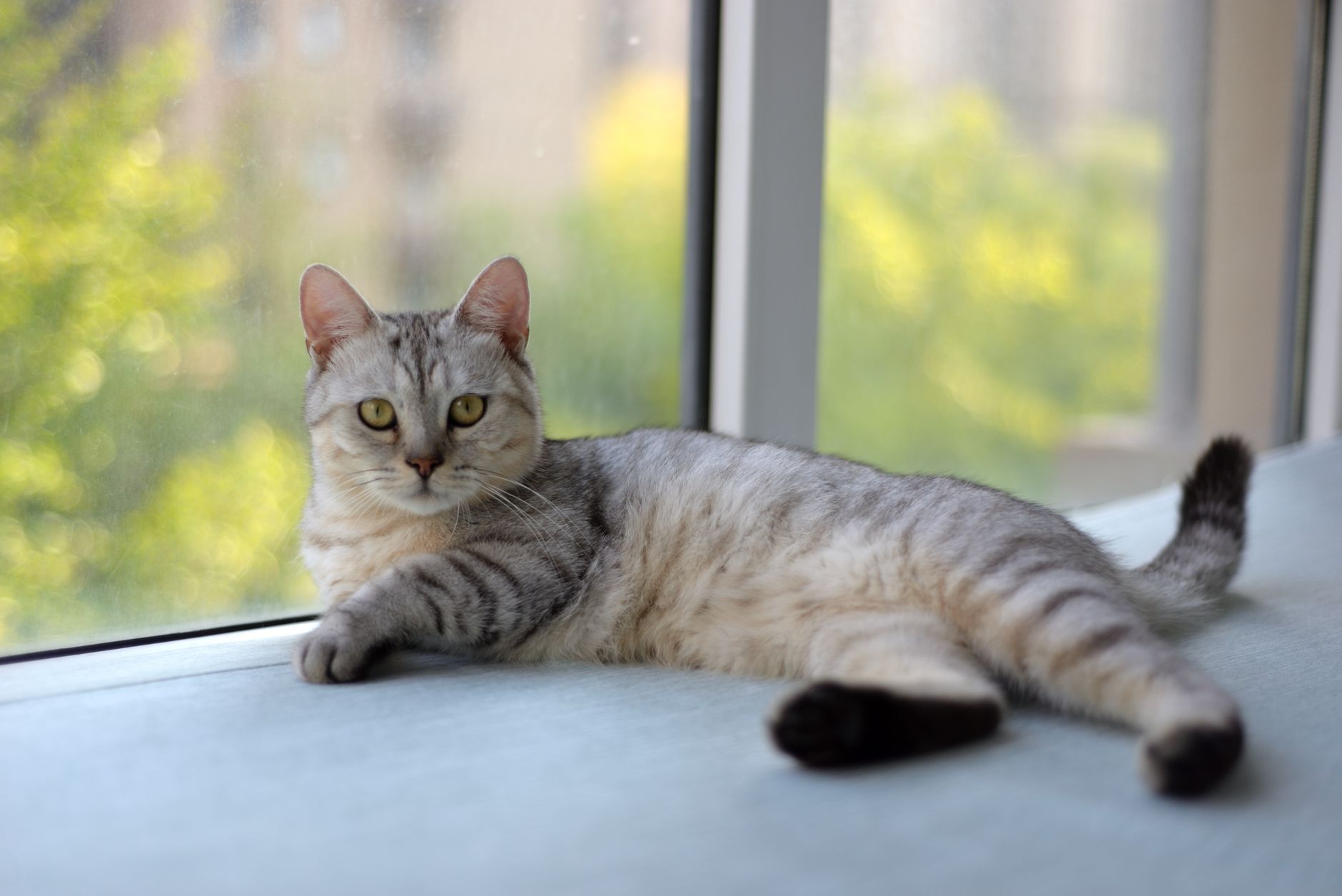
The Dragon Li is an ancient, highly active, and exceptionally robust natural landrace breed from China that thrives with experienced owners who can satisfy its intense intelligence and hunting drive. In my years treating this breed, I have found they are intensely loyal partners who view their humans as equals rather than lap decorations, requiring substantial vertical space and daily mental enrichment. They are perfect for active households looking for an independent, wild-looking feline companion.
Quick Facts
- origin countryChina
- breed groupNatural Breed
- sizeMedium to Large
- weight range8 to 12 lbs (3.6 to 5.4 kg)
- height range10 to 12 inches (25 to 30 cm)
- lifespan12 to 15 years
- coat typeShort, dense, single coat with a firm texture
- common colorsBrown ticked tabby (golden-brown agouti with black rings and stripes)
- other namesChinese Li Hua, Li Hua Mao, Lu Hua Mao
- recognized byCFA, CAA (Cat Aficionado Association)
Caring for a Dragon Li
Living with a Dragon Li is like sharing your home with a small, dignified wildcat who has genuinely chosen to bond with you. In my clinical experience, these cats do not tolerate tight confinement well; they require vertical runways, tall cat trees, and daily interactive play to prevent boredom-induced behavior problems. They are incredibly observant and will quickly learn how to open doors, cabinets, and puzzle feeders. Keeping them indoors is vital for their safety, but you must actively compensate with a highly enriched indoor environment.
Is a Dragon Li a good family pet?
They make excellent family pets for households with older children who understand how to respect animal boundaries. They are incredibly loyal and protective of their family but do not enjoy being held like a baby or handled roughly, preferring to interact on their own terms.
Do Dragon Lis shed a lot?
They are moderate shedders with a dense, single coat that lacks a thick undercoat, meaning they do not drop massive amounts of fur. Weekly brushing is generally all that is needed to keep their coat healthy and minimize hairballs in your home.
Is a Dragon Li good for first-time owners?
Generally, no. Their high energy, intense intelligence, and strong independent streak can easily overwhelm a beginner looking for a quiet, low-maintenance lap cat. They do best with owners experienced in high-energy, working-type feline breeds.
Temperament & Personality
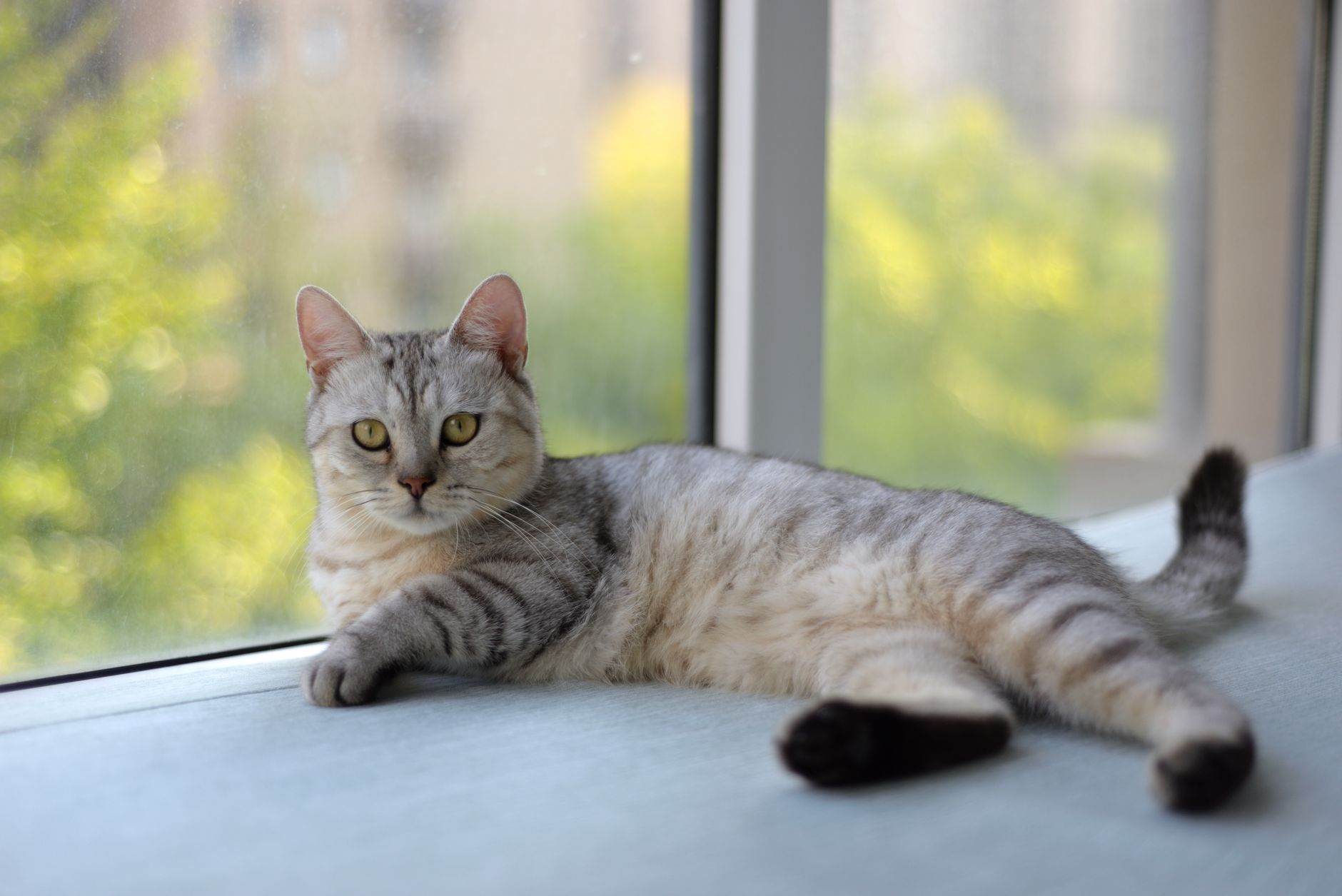
The Dragon Li is defined by its quiet dignity, high independence, and highly active mind. Unlike highly dependent lap breeds, they prefer to supervise your day-to-day activities from a elevated perch, offering quiet affection rather than demanding constant physical petting. In my practice, I’ve observed that they have a remarkably strong, historic prey drive, which reflects their history as highly capable natural hunters. They are slow to mature, often keeping their energetic, highly playful kitten behavior until they are three years old.
Is a Dragon Li good with other pets?
They can coexist harmoniously with other active cats and cat-friendly dogs if introduced slowly and socialized early. However, due to their exceptionally high, historic prey drive, they should never be trusted around small pocket pets, birds, or reptiles.
How much attention does a Dragon Li need?
While they do not demand constant physical holding, they require significant mental and physical engagement. Leaving a Dragon Li alone for 12 hours a day without interactive toys or environmental stimulation will likely result in destructive scratching and frustration.
Training & Behavior
With their sharp analytical minds, Dragon Lis are highly trainable when approached with positive reinforcement. They respond exceptionally well to clicker training, which serves as a vital clinical tool for burning off excess mental energy. What I see most often in practice is that these cats can easily be taught to walk on a harness, fetch toys, and navigate home agility courses.
Training Tips
- Utilize clicker training to engage their problem-solving skills early on.
- Use high-value, single-ingredient freeze-dried meat treats as positive reinforcement.
- Keep sessions brief, around 3 to 5 minutes, to match their high-energy focus.
- Never use physical corrections; this independent breed will shut down and lose trust.
- Direct their strong scratching instincts onto tall, heavy-duty sisal posts early in life.
Fun Activities
- Harness training for secure outdoor walks in quiet areas
- Playing active games of fetch with small felt or wool balls
- Navigating vertical climbing walls and ceiling-mounted cat walkways
- Solving level-3 sliding food puzzles to earn their daily meals
- Interactive play with heavy-duty wand toys that mimic bird flight
Is a Dragon Li easy to train?
Yes, they are highly trainable because they love mental challenges. However, they are not eager-to-please lap dogs; you must use consistent, reward-based motivation and make the training feel like a collaborative hunt.
Dragon Li Health Issues
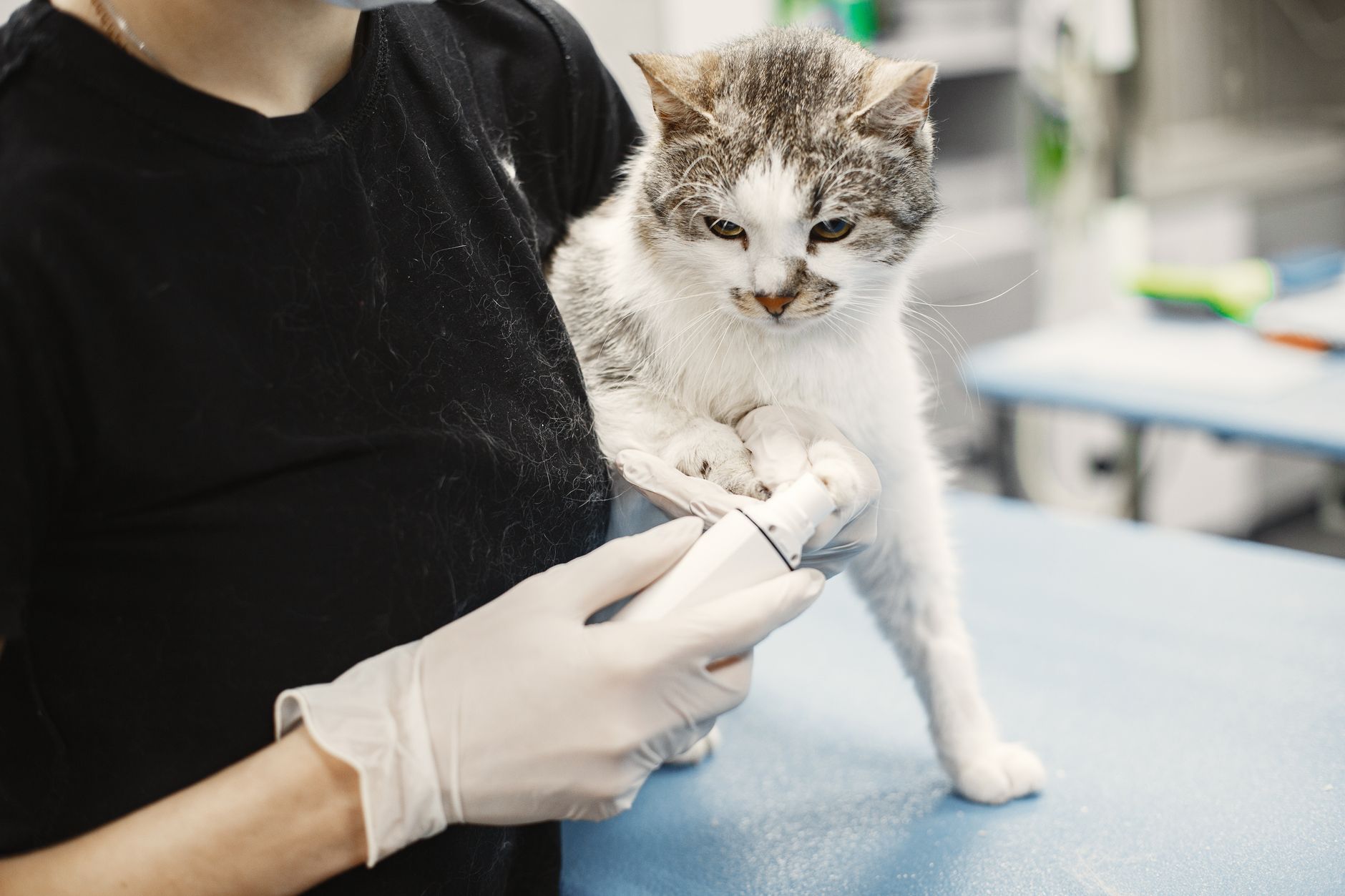
As a natural landrace breed, the Dragon Li is remarkably hardy and does not suffer from the extensive list of genetic anomalies seen in highly managed breeds. However, keeping them healthy requires standard veterinary preventative care, including annual blood panels, routine vaccines, and diligent parasite prevention.
Periodontal Disease
Like many domestic felines, Dragon Lis are prone to plaque and tartar accumulation which leads to gingivitis, bone loss, and systemic bacteria spread. Daily dental care and regular professional dental cleanings under anesthesia are essential to prevent painful tooth resorptive lesions.
Hypertrophic Cardiomyopathy (HCM)
While not genetically predisposed, HCM is the most common cardiac disease in all domestic cats, characterized by a progressive thickening of the heart’s left ventricular wall. I recommend an annual veterinary exam to listen for murmurs or arrhythmias.
Obesity
Because of their highly active metabolism and athletic frame, a sedentary indoor lifestyle without enough physical stimulation can cause rapid weight gain. This excess weight puts unnecessary strain on their joints and predisposes them to feline diabetes.
Feline Upper Respiratory Infections (URIs)
In cats that are imported or rescued from high-density environments, chronic herpesvirus or calicivirus flare-ups can occur during times of physiological or environmental stress. Maintaining up-to-date core vaccinations (FVRCP) is critical.
How long do Dragon Lis typically live?
With high-quality nutrition, strict indoor housing, and routine biannual veterinary checks as they enter senior years, a Dragon Li typically enjoys a robust lifespan of 12 to 15 years, with some reaching 17.
What to Feed a Dragon Li
To support their lean, highly muscular physique, the Dragon Li requires a diet rich in high-quality animal proteins. I tell owners to avoid foods heavy in grain or carbohydrate fillers, which can lead to unwanted weight gain and digestive issues in this active breed.
Best Diet
A premium diet with real, named meat sources (such as chicken, turkey, or rabbit) as the primary ingredients. Combining wet food to maintain optimal kidney hydration with high-protein dry kibble works best for their metabolic needs.
How to Feed
I highly recommend feeding measured, scheduled meals twice a day rather than free-feeding. Serving their meals inside puzzle feeders or food-dispensing toys is an excellent way to slow down fast eaters and provide mental stimulation.
How Much to Feed
Portion sizes should be carefully calibrated based on their weight and activity levels, averaging about 240 to 300 calories per day for an active 10-pound adult. Consult your veterinarian to calculate your cat’s specific caloric requirements based on their Body Condition Score.
Nutritional Tips
Encourage optimal hydration by installing a flowing pet fountain, as cats naturally prefer moving water. Adding an omega-3 fatty acid supplement, like wild-caught salmon oil, helps maintain their dense coat and supports joint health.
Dragon Li Grooming Guide
Grooming a Dragon Li is straightforward and simple, making them an excellent choice for owners who prefer a low-maintenance grooming routine. Their unique coat is single-layered and firm, meaning it does not tangle, mat, or trap dirt easily.
Coat Care
Brush their short, firm coat once a week with a rubber curry brush or soft slicker brush to remove loose hairs and distribute skin oils. During the spring shed, increase this to twice weekly to minimize hairballs.
Skin Care
Their skin is naturally healthy and rarely requires bathing unless they get dirty. Use only vet-approved, hypoallergenic cat shampoo to avoid stripping their natural protective skin barrier.
Eye Care
Check their eyes weekly for minor tear staining; wipe gently with a damp, warm cotton ball using a separate clean section of the pad for each eye.
Ear Care
Inspect their ears bi-weekly for wax buildup, dirt, or redness. Clean only if dirty using a vet-approved ear cleaning solution and a cotton round, never inserting cotton swabs into the canal.
Nail & Dental Care
Trim their nails every 2 to 3 weeks using sharp pet clippers to prevent painful splitting. Brush their teeth at least three times a week with veterinary-enzymatic toothpaste to actively prevent periodontal disease.
Considerations for Pet Parents
Pros
- Extremely robust and physically hardy with very few genetic diseases
- Highly intelligent and highly trainable with positive reinforcement
- Low-maintenance coat that requires minimal weekly grooming
- Highly independent and less prone to separation anxiety
- Exceptional natural playfulness and athletic coordination
- Formidable, quiet companion that forms deep bonds with their chosen humans
Cons
- Extremely rare outside of China, making them difficult and expensive to acquire
- High energy levels require substantial daily physical and mental outlets
- Not suited for cramped apartments lacking vertical enrichment structures
- Possess a strong historic prey drive that is unsafe around small pets
- Can be aloof, quiet, or wary of strangers if not socialized early
Best For
Experienced cat owners with large, vertically enriched homes, active families, and individuals who appreciate a self-sufficient, highly intelligent feline companion who thrives on puzzle toys and interactive play.
Not Recommended For
First-time cat owners, busy households away for long periods, or apartment renters who cannot provide tall cat trees, wall climbs, and dedicated daily playtime.
Cost
- purchase price$1,500 to $2,500 USD (highly rare internationally)
- monthly cost$80 to $130 USD
- initial setupPlan to spend $500 to $800 initially on high-quality veterinary vaccines, microchipping, heavy-duty vertical cat trees, scratching posts, and spay or neuter services.
Similar Breeds
Dragon Li FAQs
Where does the Dragon Li breed originate?
The Dragon Li is a natural landrace breed originating in China, where it evolved over centuries. It is widely considered one of the earliest domesticated cat breeds in Chinese history.
Is the Dragon Li recognized by major registries?
The breed was recognized in the Miscellaneous class by the Cat Fanciers’ Association (CFA) in 2010, though they are currently very rare in Western registries. They are fully recognized by China’s Cat Aficionado Association (CAA).
What is the difference between a Dragon Li and a standard brown tabby?
A purebred Dragon Li has a distinct golden-brown agouti ticked coat, a thick, firm-textured coat, a muscular build, distinctive green or yellow almond-shaped eyes, and a wild, fox-like head shape that sets them apart from random-bred tabbies.
Are Dragon Lis high-maintenance cats?
In terms of grooming, they are low-maintenance, but in terms of mental and physical energy, they are high-maintenance. They require daily interactive play and vertical climbing spaces to keep them happy and out of trouble.
Do Dragon Lis make good lap cats?
Generally, no. They are deeply loyal and love to be in the same room with their humans, but they value their physical independence and prefer sitting nearby rather than cuddling directly on your lap.
Are Dragon Lis hypoallergenic?
No, they are not hypoallergenic. They produce standard Fel d 1 proteins in their saliva and skin, and they shed moderately, which can trigger allergies in sensitive individuals.
Can a Dragon Li live safely outdoors?
I strongly advise keeping them strictly indoors to prevent vehicle accidents, exposure to infectious diseases like FeLV, and to protect local bird populations from their formidable, natural hunting skills.
Why is this breed called the ‘Dragon Li’?
The name is derived from the Chinese ‘Li Hua Mao,’ which translates to ‘Fox Flower Cat.’ The term ‘Dragon’ was added internationally to evoke strength, majesty, and its deep roots in Chinese culture.
Are they vocal cats?
No, they are generally very quiet cats. When they do communicate, they tend to use soft, short chirps or low meows rather than persistent, demanding vocalizations.
At what age does a Dragon Li reach full physical maturity?
They are a slow-maturing breed, often taking up to 3 years to reach their full skeletal size, muscular density, and adult coat texture.
What kind of toys are best for a Dragon Li?
They love toys that mimic hunting, such as complex food puzzle boards, automated rolling mice, heavy-duty kicker toys, and wand toys that allow them to jump and climb.
How do I find a reputable Dragon Li breeder?
Because of their extreme rarity outside of China, you must perform exhaustive research. Ensure any breeder you work with provides certified registration pedigree papers, genetic health clearances, and veterinary health certs.
Do they get along well with dogs?
Yes, their confident, active, and sturdy nature allows them to get along very well with energetic, cat-friendly dogs, provided they are introduced slowly and with positive reinforcement.
Do they have any specific dietary requirements?
They do not have unique genetic dietary issues, but they require high-protein, low-carbohydrate carnivore diets to maintain their intense energy, strong muscles, and healthy weight.