
Peterbald Longhair Breed Guide

Quick Summary
The Peterbald Longhair is an ultra-social, highly active, and vocal companion that possesses the elegant silhouette of the Siamese-Oriental family combined with a soft, low-maintenance straight semi-long coat. Best suited for dynamic households where they will receive constant companionship, these ‘dog-like’ felines thrive when integrated fully into daily family activities. As a veterinarian, I find they are ideal for owners who want the deeply affectionate, conversational personality of a Peterbald without the intensive skin-care regimen of the hairless variety.
As an Amazon Associate, we earn from qualifying purchases.
Popular with Peterbald Longhair owners: Pet Camera · Puzzle Toys · Cat Tree
Quick Facts
- origin countryRussia
- breed groupSiam-Oriental (TICA)
- sizeMedium
- weight range6 to 10 lbs (2.7 to 4.5 kg)
- height range8 to 10 inches (20 to 25 cm)
- lifespan12 to 15 years
- coat typeSemi-long, fine, straight coat (lacking a dense undercoat)
- common colorsAll colors and patterns, including point, solid, tabby, and bi-color
- other namesPeterbald Straight Coat Longhair, Straight-Coated Peterbald
- recognized byTICA (The International Cat Association)
Caring for a Peterbald Longhair
Living with a Peterbald Longhair is akin to sharing your home with an extremely intelligent, highly inquisitive toddler who never quite grows up. In my clinical experience, these cats are intensely social and will follow you from room to room, riding on your shoulders or supervising your chores. Unlike their hairless counterparts, their straight coats protect them from typical skin micro-abrasions, making daily management highly rewarding. They require an immense amount of mental stimulation, interactive play, and social interaction to prevent stress-induced behaviors like psychogenic licking.
Is a Peterbald Longhair a good family pet?
Absolutely, they thrive in active family environments and are exceptionally good with children who respect their boundaries. Their outgoing, highly social nature means they welcome the hustle and bustle of a busy household rather than hiding away.
Do Peterbald Longhairs shed a lot?
No, they shed very minimally. Because they lack a dense, insulating undercoat, their silky straight hair sheds much less than typical domestic longhairs, making coat maintenance remarkably easy for busy owners.
Is a Peterbald Longhair good for first-time owners?
Generally, I do not recommend them for novice owners. Their intense demand for attention, vocal nature, and high energy levels can easily overwhelm someone unprepared for their dog-like devotion and need for constant interaction.
Temperament & Personality
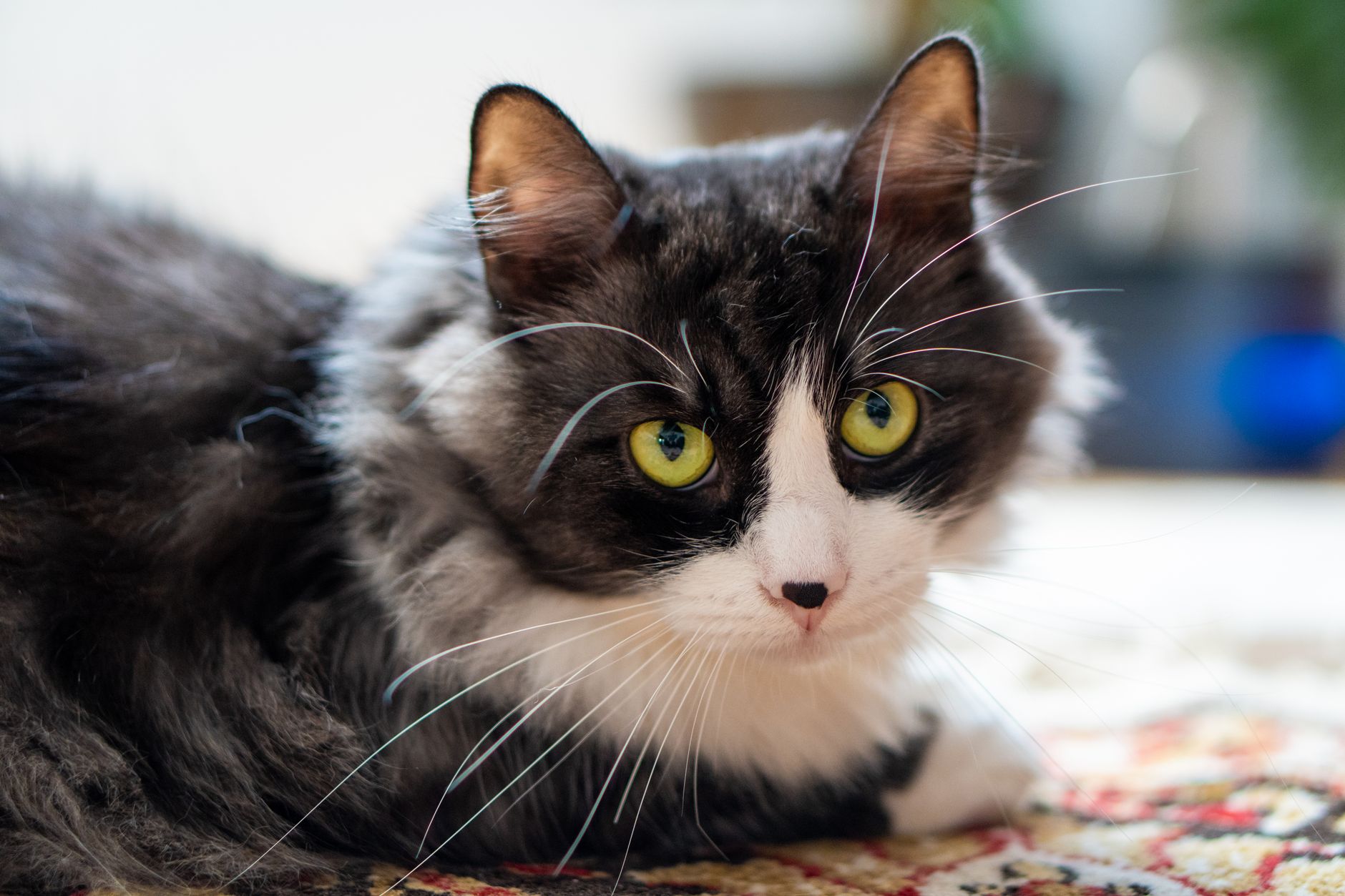
The temperament of a Peterbald Longhair is defined by an intense, shadow-like loyalty and a high-voltage energy reserve. They do not merely live alongside you; they actively participate in your life, engaging in constant vocal dialogue. In my years treating this breed, I have observed that they exhibit a highly developed social curiosity, welcoming visitors at the door and integrating seamlessly into multi-pet dynamics.
Is a Peterbald Longhair good with other pets?
Yes, they are highly gregarious and generally get along beautifully with other cats and cat-friendly dogs. In fact, having a companion pet is highly recommended to help keep them stimulated and prevent separation anxiety.
- ✓1080p 360° rotating camera
- ✓Two-way audio and treat toss
- ✓Core features without a subscription
- Lets you check in, talk to your pet and spot problems while you’re out
How much attention does a Peterbald Longhair need?
They require a significant amount of daily interaction. This is not a breed that can be left alone for 10 hours a day; they need active playtime, puzzle toys, and physical closeness to stay emotionally healthy.
Training & Behavior
Highly intelligent and eager to please, the Peterbald Longhair is exceptionally receptive to positive reinforcement training. Because they possess a high drive for mental engagement, they can easily learn tricks, retrieve toys, and even walk on a harness and leash. Without a proper behavioral outlet, however, their sharp minds can lead to mischievous problem-solving, like opening cabinet doors or drawers.
Training Tips
- Use high-value, low-calorie treats to reward positive behaviors during short, 5-minute training sessions.
- Incorporate clicker training early to help focus their high energy and intelligence.
- Provide vertical territory like cat trees to satisfy their instinct to climb and observe from high vantage points.
- Introduce a harness and leash gradually indoors before attempting quiet, outdoor walks.
Fun Activities
- Fetch with lightweight crinkle balls or felt toys
- Interactive food puzzle toys to stimulate foraging instincts
- Leash training and safe outdoor exploration in quiet areas
- Agility course training using clickers and targets
- Learning ‘sit’, ‘stay’, and ‘high-five’ commands
Is a Peterbald Longhair easy to train?
Yes, they are among the easiest cat breeds to train due to their high intelligence and desire to interact with their owners. They respond exceptionally well to clicker training and positive reinforcement.
Peterbald Longhair Health Issues
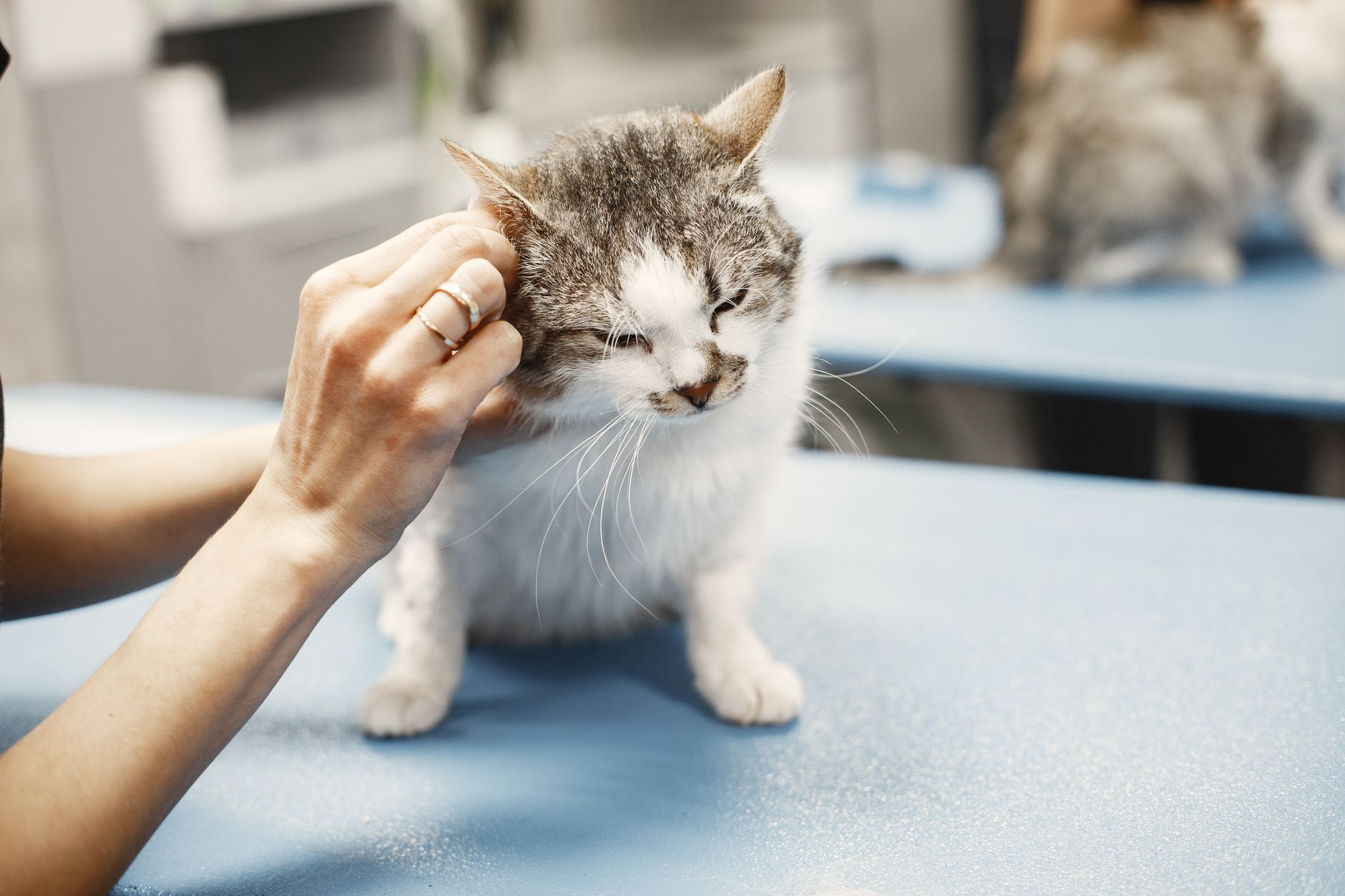
The Peterbald Longhair is generally a robust and structurally sound breed, benefiting from the genetic diversity of its outcrosses. However, their Siamese and Oriental ancestry predisposes them to several hereditary health conditions that require proactive veterinary monitoring.
Hypertrophic Cardiomyopathy (HCM)
An inherited cardiac disease characterized by the abnormal thickening of the left ventricular heart muscle, which can eventually lead to heart failure or arterial thromboembolism.
Progressive Retinal Atrophy (PRA)
A genetic ocular disorder that causes the progressive degeneration of photoreceptor cells in the retina, eventually leading to complete, irreversible blindness.
Potaroma 3-in-1 Automatic Cat Toy
- ✓Pop-up feather, flying butterfly and ball track
- ✓Auto shut-off after 5 minutes
- ✓Battery or USB powered
- Food puzzles turn mealtime into a brain game, burning mental energy in clever, easily bored pets
Early-Onset Periodontal Disease
Due to their narrow, wedge-shaped head structure, Peterbalds are highly prone to dental overcrowding, rapid plaque accumulation, and severe gingivitis at an early age.
Systemic Amyloidosis
A familial disease seen in Oriental and Siamese bloodlines where abnormal amyloid proteins deposit in organs, primarily the liver or kidneys, leading to progressive organ failure.
Upper Respiratory Infections (URIs)
While physically active, their fine-boned structure and high metabolic rate make them sensitive to drafts, leaving them more vulnerable to viral pathogens if vaccine schedules are not maintained.
How long do Peterbald Longhairs typically live?
With proper nutrition, regular veterinary screenings, and an indoor-only lifestyle, Peterbald Longhairs typically live between 12 and 15 years, with some reaching older ages.
What to Feed a Peterbald Longhair
Like all members of the Siamese and Oriental family, Peterbald Longhairs have an exceptionally fast metabolic rate. They burn calories quickly and require highly digestible, nutrient-dense nutrition to maintain their lean, muscular physique without developing digestive issues.
Best Diet
A high-protein, moderate-fat wet or canned diet is ideal to support their lean muscle mass and promote optimal hydration. I recommend a premium diet formulated for active breeds, avoiding fillers like corn, wheat, or soy.
How to Feed
I highly recommend split feedings, offering three to four small meals a day to match their fast metabolism, or utilizing puzzle feeders to keep them mentally stimulated while eating.
How Much to Feed
While general guidelines suggest 250 to 300 calories daily for an active 8-pound cat, your veterinarian should calculate exact portions based on body condition score (BCS) to prevent unwanted weight gain.
Nutritional Tips
Incorporate omega-3 fatty acids (like wild-caught salmon oil) to support their skin and coat health, and ensure they always have access to fresh, running water via a pet fountain to encourage drinking.
Peterbald Longhair Grooming Guide
While hairless Peterbalds require rigorous bathing schedules, the Longhair (straight coat) variant is remarkably low-maintenance. Their semi-long, silky coat lacks a dense undercoat, meaning it rarely mats.
Coat Care
A weekly gentle brushing with a soft-bristled brush or greyhound comb is all that’s required to remove loose hairs and maintain shine. This lack of undercoat means shedding is minimal and easily managed.
Skin Care
Unlike their hairless siblings, they do not produce excess sebum on their skin, meaning routine bathing is unnecessary unless they get physically dirty.
Eye Care
Wipe any minor discharge from the corners of the eyes with a damp, soft cloth, using a separate section of the cloth for each eye to prevent any potential spread of low-grade infections.
Ear Care
Check their large, open ears weekly for wax buildup or redness; clean gently with a vet-approved ear flush if needed, never using cotton swabs in the canal.
Nail & Dental Care
Trim nails every 10 to 14 days and establish a daily enzymatic toothpaste routine, as their Siamese heritage makes them highly prone to early-onset periodontal disease.
Considerations for Pet Parents
Pros
- Extremely affectionate and deeply bonded to their owners
- Highly intelligent and easily trained to perform tricks
- Silky, beautiful coat that requires very little grooming
- Minimal shedding compared to other longhaired breeds
- Excellent social skills with other pets and active children
- Playful and entertaining personality that lasts well into senior years
Cons
- Highly vocal and demand constant attention
- Prone to separation anxiety if left alone for long periods
- High metabolic rate requires premium, costlier nutrition
- Susceptible to genetic health conditions like HCM and dental disease
Best For
This breed is best for active, multi-pet households, families with older children, or individuals who work from home and want a highly interactive, talkative, and constantly present companion.
Not Recommended For
They are not recommended for busy professionals who travel frequently, quiet households that cannot tolerate loud vocalizations, or first-time owners looking for an independent, low-maintenance pet.
Cost
- purchase price$1,500 to $3,000 USD
- monthly cost$100 to $200 USD
- initial setupInitial setup costs include high-quality scratchers, vertical cat trees, puzzle feeders, interactive toys, veterinary wellness exams, and spaying or neutering, which can range from $500 to $1,000.
-
Globlazer XXL Cat Tower for Multiple CatsGives cats vertical space to climb, scratch and nap, which reduces stress and keeps them off your shelves
-
Swihauk Self-Cleaning Slicker BrushFine wire pins lift loose undercoat and work out small tangles before they turn into mats
-
Purina Friskies Pate Wet Cat Food Variety PackA high-protein, complete diet suits cats’ needs as obligate carnivores
Similar Breeds
Related Cat Guides
Peterbald Longhair FAQs
What exactly is a Peterbald Longhair?
A Peterbald Longhair is a straight-coated variation of the Peterbald breed. Because the breed was developed by outcrossing to Siamese and Oriental cats, some kittens inherit a normal, semi-long straight coat that does not carry the hair-loss gene, resulting in a fully coated cat with Peterbald traits.
Do Peterbald Longhairs have the hairless gene?
No, straight-coated Peterbald Longhairs do not carry the dominant hair-loss gene (hr) that causes hairlessness, which is why their coat remains intact throughout their lives.
Are Peterbald Longhairs hypoallergenic?
No, they are not hypoallergenic. They produce the Fel d 1 allergen in their saliva, dander, and sebaceous glands just like other cats, and they still shed a small amount of fur.
How active are Peterbald Longhairs?
They are extremely active and high-energy cats. They require daily physical play, climbing structures, and mental stimulation to prevent them from becoming bored or destructive.
Can Peterbald Longhairs be left alone during the day?
No, they do not tolerate isolation well. If left alone for long periods, they can develop severe separation anxiety, depression, or compulsive behaviors like over-grooming.
How vocal are Peterbald Longhairs?
They are highly vocal. Much like their Siamese ancestors, they will ‘talk’ to you in a loud, raspy voice to tell you about their day, demand food, or ask for attention.
Do they get along well with dogs?
Yes, their outgoing and bold personalities make them excellent companions for cat-friendly dogs, with whom they will often play and curl up for naps.
What temperature is best for a Peterbald Longhair?
While they are more resilient to the cold than their hairless siblings, they still prefer warm environments and should be kept strictly indoors, away from drafts and extreme cold.
How do you groom a Peterbald Longhair?
Unlike hairless Peterbalds, they do not need frequent baths. A simple weekly brushing with a soft-bristled brush, regular ear cleanings, and daily dental care are all that are required.
Are they recognized by major cat registries?
Yes, TICA (The International Cat Association) fully recognizes the Peterbald in all coat variations, including the straight-coated longhair, for championship status.
Why does my Peterbald Longhair have such a high appetite?
They possess an incredibly high metabolism, which means they burn energy much faster than average cats. They require high-calorie, nutrient-dense meals to maintain their weight.
How can I prevent dental disease in this breed?
I always tell owners that daily brushing with a veterinary-approved enzymatic toothpaste, alongside regular professional dental cleanings under anesthesia, is non-negotiable for this breed due to their genetic predisposition to gingivitis.
What is the difference between a Peterbald Longhair and a Balinese?
While they share similar ancestry, the Peterbald Longhair is part of the Peterbald breed lineage (originating in Russia) and possesses a slightly different genetic background and head structure than the Balinese, although their appearances and temperaments are closely related.
Sources & Further Reading
- The Cat Fanciers’ Association (CFA)
- International Cat Care
- Cornell University College of Veterinary Medicine
- Merck Veterinary Manual