
Russian Blue Breed Guide
Quick Summary
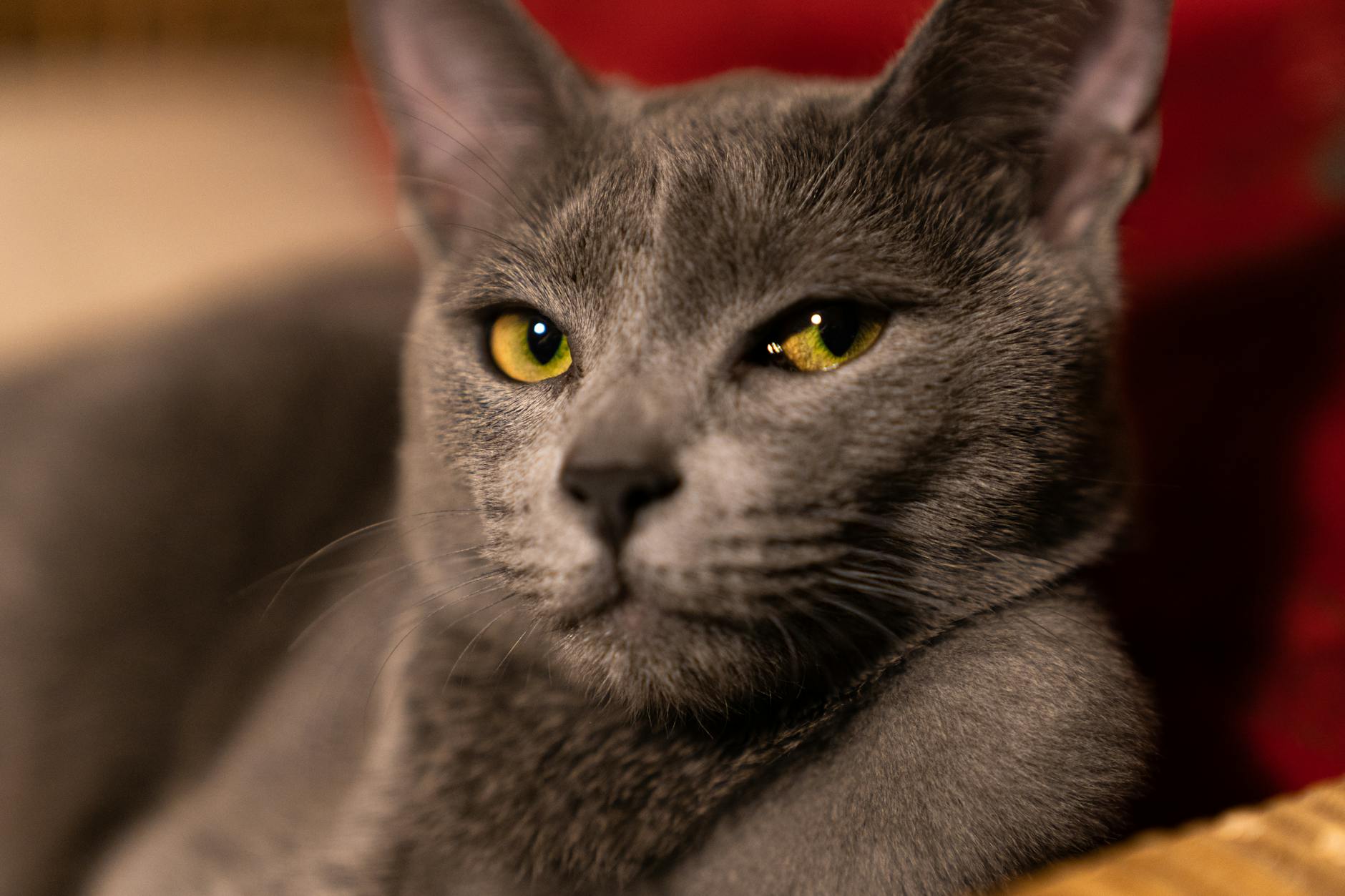
The Russian Blue is an elegant, reserved, and highly intelligent companion known for its shimmering silver-blue coat and striking green eyes. While they can be shy with strangers, they form deep, loyal bonds with their chosen humans, making them perfect for quiet households seeking a calm, affectionate, and low-maintenance feline partner.
Quick Facts
- origin countryRussia
- breed groupShorthair
- sizeMedium
- weight range7 to 15 lbs (3.2 to 6.8 kg)
- height range9 to 11 inches (23 to 28 cm)
- lifespan15 to 20 years
- coat typeDouble coat, short, dense, plush
- common colorsSolid blue with silver-tipped guard hairs; eyes are vivid green in adulthood.
- other namesArchangel Blue, Archangel Cat, Foreign Blue
- recognized byCFA, TICA, FIFe, GCCF, ACFA
Caring for a Russian Blue
Living with a Russian Blue means sharing your space with a quiet, polite roommate who operates on a strict schedule. In my years of working with them, I’ve noticed they thrive on routine—they expect breakfast at the exact same minute and do not tolerate sudden household upheavals. They are moderately active, enjoying short bursts of play before retreating to a high perch to observe. Providing a stable, peaceful environment with designated vertical spaces is key to helping this sensitive breed feel secure.
Is a Russian Blue a good family pet?
Yes, but they do best in calmer, more predictable households. While they are incredibly gentle, they can easily become overwhelmed by loud noises or rough, unpredictable handling from very young children.
Do Russian Blues shed a lot?
Surprisingly little, thanks to their unique, ultra-dense double coat. While they do shed slightly during seasonal transitions in spring and fall, a quick weekly brushing is usually more than enough to manage loose hairs.
Is a Russian Blue good for first-time owners?
They can be excellent for first-time owners who are naturally quiet, patient, and respect a cat’s boundaries. However, those looking for an instantly outgoing, highly gregarious lap cat right out of the box might find their initial shyness discouraging.
Temperament & Personality
The Russian Blue is the ultimate feline introvert: highly observant, cautious with outsiders, but deeply affectionate with their chosen family. I’ve found that once you earn their trust, they will shadow you from room to room, sit quietly by your keyboard, and even pat your cheek to show affection. They are sensitive souls who easily pick up on human emotions and prefer a serene environment over a chaotic one.
Is a Russian Blue good with other pets?
They generally get along well with other polite pets, including cat-friendly dogs and other calm felines. The key is a slow, controlled introduction, as their sensitive nature makes them easily startled by high-energy or aggressive animals.
How much attention does a Russian Blue need?
They need moderate, high-quality attention. While they are perfectly content to snooze alone while you are at work, they expect dedicated interactive play and cuddle sessions once you return home.
Training & Behavior
Russian Blues are highly intelligent and surprisingly trainable, often behaving more like dogs when it comes to learning tricks or fetching toys. In my experience, they respond exceptionally well to positive reinforcement, but will shut down instantly if met with harsh tones. They love mentally stimulating puzzles and can easily learn to open doors or drawers if not properly occupied.
Training Tips
- Use clicker training paired with high-value treats like freeze-dried chicken.
- Keep training sessions short, around 3 to 5 minutes, to match their focus span.
- Never raise your voice; their sensitive nature means they will hide if they sense anger.
- Teach them a ‘come’ command early to help retrieve them if they find a clever hiding spot.
Fun Activities
- Fetching small, soft toys or paper balls
- Navigating indoor agility courses
- Solving level 2 or 3 food puzzle toys
- Learning to walk on a leash and harness
- Climbing floor-to-ceiling cat trees
Is a Russian Blue easy to train?
Yes, they are highly receptive to training because of their intelligence and desire to please their owners. I’ve successfully taught several Russian Blues to fetch, sit, and high-five using consistent positive reinforcement.
Russian Blue Health Issues
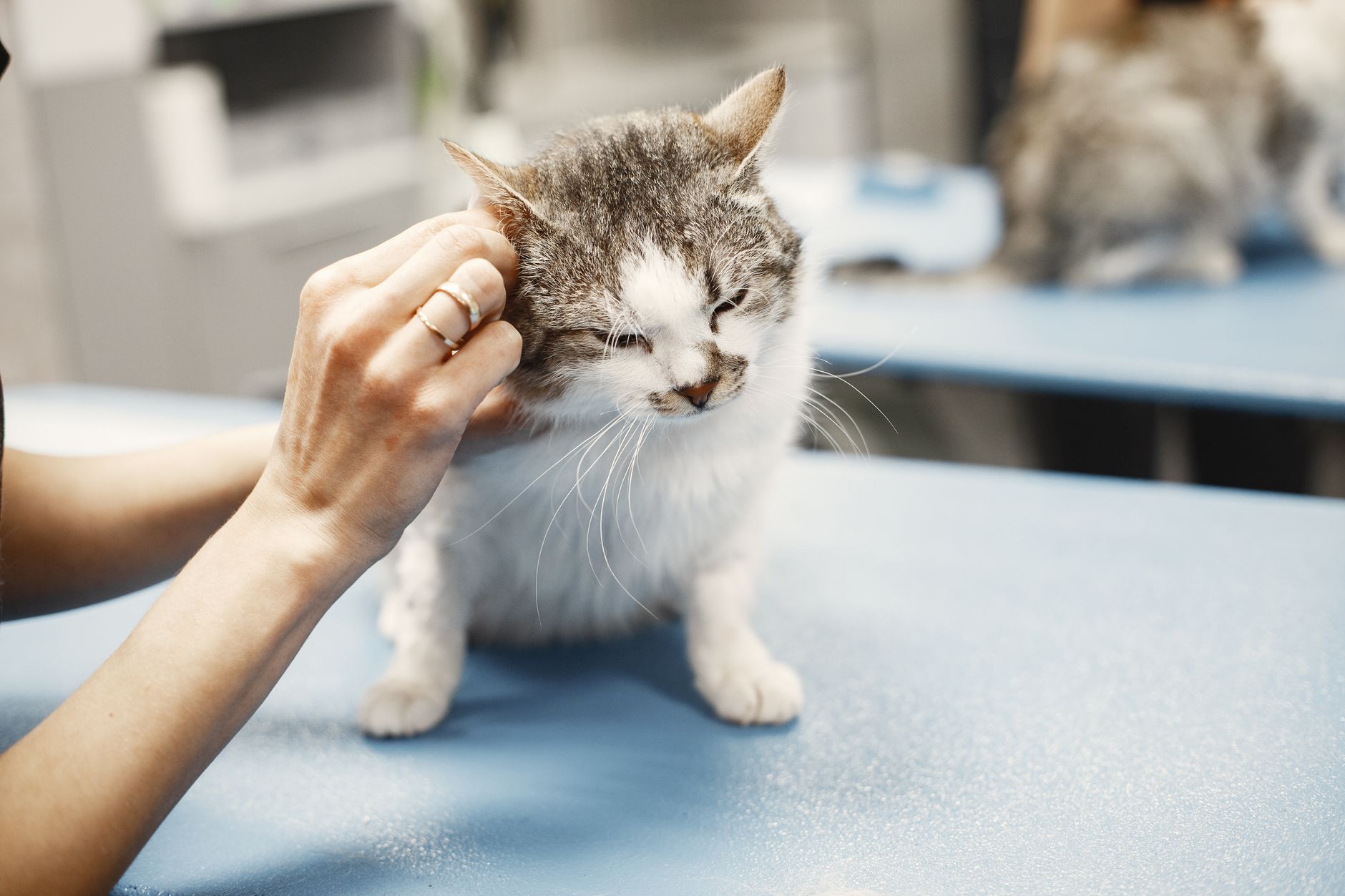
The Russian Blue is naturally a highly robust and healthy breed with few genetic predispositions, largely due to their historical development without heavy crossbreeding. However, like any breed, they are prone to standard feline issues, particularly those accelerated by indoor lifestyles and overfeeding.
Obesity
Because of their quiet demeanor and love for routine, Russian Blues can easily become sedentary, leading to rapid weight gain. Excess weight increases their risk of diabetes, joint issues, and hepatic lipidosis.
Progressive Retinal Atrophy (PRA)
A degenerative eye disease that can lead to gradual, painless blindness. It affects the photoreceptor cells in the retina and can sometimes occur in the breed.
Hypertrophic Cardiomyopathy (HCM)
A genetic heart disease where the heart muscle thickens, making it harder for the heart to pump blood. Routine echocardiograms are recommended for breeding cats.
Feline Lower Urinary Tract Disease (FLUTD)
This condition, which includes bladder stones and cystitis, is common in male Russian Blues and is often exacerbated by stress or a low-moisture diet.
Periodontal Disease
Like many domestic cats, Russian Blues are prone to plaque buildup, which can lead to painful gingivitis and tooth loss if left untreated.
How long do Russian Blues typically live?
With proper care, a high-quality diet, and regular veterinary checkups, Russian Blues are incredibly long-lived, frequently reaching 15 to 20 years of age.
What to Feed a Russian Blue
Russian Blues are notorious food lovers with an appetite that often outpaces their caloric needs. I always warn owners that their elegant, svelte silhouette can easily disappear under a layer of fat if free-feeding is allowed.
Best Diet
I highly recommend a diet rich in high-quality animal proteins and low in unnecessary carbohydrates. Wet food is ideal as it provides the essential hydration needed to prevent urinary tract issues, though high-quality kibble can be used in moderation.
How to Feed
Establish a strict twice-daily feeding routine and avoid free-feeding at all costs. Using puzzle feeders or microchip-activated bowls can help slow down fast eaters and keep them mentally stimulated during mealtime.
How Much to Feed
Portion sizes should be carefully calculated based on your cat’s weight, age, and activity level. Always consult your veterinarian to determine the exact caloric intake, but generally, an average 10-pound adult requires about 200 to 250 calories per day.
Nutritional Tips
Incorporate omega-3 fatty acid supplements, such as wild-caught salmon oil, to keep their signature double coat shimmering and healthy. Always ensure they have access to fresh, filtered water, ideally from a circulating pet fountain to encourage drinking.
Russian Blue Grooming Guide
Grooming a Russian Blue is delightfully low-maintenance. Their unique, plush double coat is naturally resilient and rarely mats, making them an absolute dream to care for compared to longhaired breeds.
Coat Care
Brush their coat once a week with a soft bristle brush or a rubber grooming mitt to remove loose hairs and distribute natural skin oils. Avoid wire slicker brushes, which can damage their delicate undercoat.
Skin Care
Keep an eye out for dry skin, especially during dry winter months. Ensuring a diet rich in essential fatty acids is the best way to maintain their skin health.
Eye Care
Their striking green eyes are generally trouble-free, but you should wipe away any occasional discharge with a damp, warm, lint-free cloth.
Ear Care
Check their ears weekly for wax buildup or redness. Clean them only when necessary using a vet-approved ear cleaner and a cotton round, never a cotton swab.
Nail & Dental Care
Trim their nails every two to three weeks, and brush their teeth daily (or at least three times a week) using cat-safe enzymatic toothpaste to prevent periodontal disease.
Considerations for Pet Parents
Pros
- Extremely loyal and affectionate with family
- Very quiet with a soft, melodious voice
- Low-shedding and easy-to-groom double coat
- Highly intelligent and easily trained
- Long lifespan and generally robust health
- Sleek, exceptionally elegant appearance
Cons
- Can be excessively shy and nervous around strangers
- Highly sensitive to changes in routine or environment
- Prone to obesity due to a love of food
- Can be demanding of attention from their favorite person
- Hard to find from reputable breeders, with long waitlists
Best For
The Russian Blue is perfect for single professionals, quiet couples, or calm families with older children who respect boundaries. They thrive in peaceful environments where schedules are predictable and their quiet devotion is reciprocated.
Not Recommended For
They are not recommended for loud, chaotic households with frequent guests, or families with very young, energetic children who may startle or roughly handle this highly sensitive cat.
Cost
- purchase price$1,500 to $3,000
- monthly cost$80 to $150
- initial setupExpect to spend between $400 and $800 initially on high-quality cat trees, scratching posts, litter boxes, grooming tools, and initial veterinary checkups.
Similar Breeds
Korat

Chartreux
Russian Blue FAQs
Are Russian Blues hypoallergenic?
While no cat is truly hypoallergenic, many allergy sufferers find they tolerate Russian Blues better. This is because they produce lower levels of the Fel d 1 protein (the primary feline allergen) and shed very little dander compared to other breeds.
Why are Russian Blues born with blue eyes?
All kittens, including Russian Blues, are born with blue eyes. Their eyes will transition to yellow or amber during adolescence, eventually developing into the vibrant, deep green characteristic of the mature adult by about one year of age.
Do Russian Blues like to swim or play in water?
While they are generally cautious cats, many Russian Blues have a strange fascination with running water. It’s not uncommon to find them batting at water dripping from a faucet or dipping their paws into their water bowl, though they rarely enjoy full baths.
How do I know if my Russian Blue is real or a mix?
A true pedigree Russian Blue will have a distinct double coat that stands out at a 45-degree angle, vivid green eyes, mauve or lavender paw pads, and a distinctive ‘smile’ caused by the shape of their mouth. The only way to guarantee pedigree status is through registration papers from a recognized organization like TICA or CFA.
Can Russian Blues be left alone during the day?
Yes, they are relatively independent and can handle being left alone for an 8-to-10-hour workday. However, they need mentally stimulating toys to keep them occupied, and they will expect plenty of affection and play when you return.
What color are a Russian Blue’s paw pads?
One of the quickest ways to identify a true Russian Blue is by their paw pads, which are a unique lavender-pink or mauve color. This contrasts with the grey or black pads commonly found on generic blue domestic shorthair cats.
Are Russian Blues vocal cats?
No, they are notoriously quiet. When they do speak, their voice is a tiny, soft squeak or a gentle chirp rather than a loud meow. They prefer to communicate with their eyes, body language, and soft purrs.
Do Russian Blues get along with dogs?
They can get along wonderfully with dogs, provided the dog is calm, cat-friendly, and respects their space. A high-energy, chasing dog will cause a Russian Blue to hide constantly and live in a state of stress.
Why does my Russian Blue follow me everywhere?
This is classic ‘shadow’ behavior. Russian Blues form intense, singular bonds with their primary caretakers. They show their love by quietly accompanying you to the bathroom, kitchen, or desk, wanting to be close to the person they trust most.
How can I tell if my Russian Blue is stressed?
A stressed Russian Blue will typically hide in high or dark places, avoid eye contact, over-groom themselves (sometimes leading to bald spots), or urinate outside their litter box. Because they are highly sensitive, even minor routine changes can trigger this.
Are Russian Blues prone to ear infections?
No, their upright ears are generally healthy and self-cleaning. However, you should still inspect them weekly for any signs of wax buildup, dirt, or redness, which could indicate mites or an underlying issue.
Should I get a male or female Russian Blue?
In my experience, male Russian Blues tend to be slightly more outgoing, laid-back, and demanding of affection. Females are often highly intelligent, a bit more independent, and can be more selective about when and how they want to cuddle.
Do Russian Blues need a scratching post?
Absolutely. Like all cats, they need to scratch to shed their outer nail sheaths and stretch their muscles. Providing vertical sisal scratching posts and horizontal cardboard scratchers will protect your furniture from their claws.
What is the difference between a Russian Blue and a Korat?
While they look similar, the Korat has a heart-shaped face, a single coat (no undercoat), and a more compact, muscular body. The Russian Blue has a wedge-shaped head, a distinct, plush double coat, and a longer, more elegant, foreign body type.
Are Russian Blues good for apartments?
They are fantastic apartment cats. Their quiet voices, moderate exercise needs, and tidy habits make them well-suited for smaller living spaces, provided they have a high cat tree and plenty of vertical space to explore.