
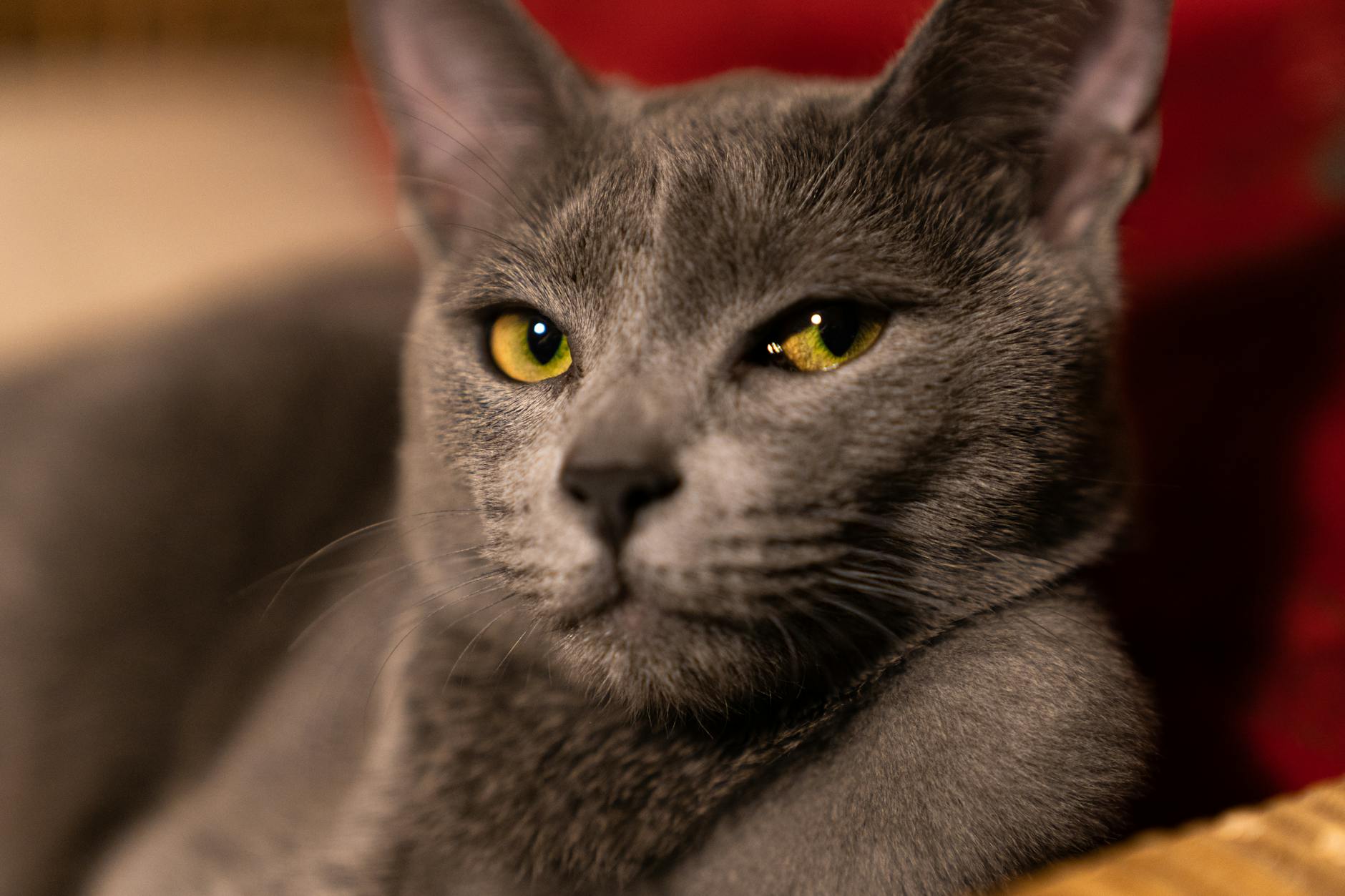
 Russian Blue Cats and Allergies: What Owners Should Know” loading=”lazy”>
Quick Summary
Russian Blue cats are often labeled ‘hypoallergenic’ because they naturally produce lower levels of the allergen protein Fel d 1. However, no cat breed is completely allergen-free, and sensitive individuals may still experience reactions. Managing allergies successfully requires a combination of home hygiene, feline dietary adjustments, and personal medical strategies.
In my twenty years of veterinary practice, few topics generate as many hopeful phone calls as the hypoallergenic status of the Russian Blue. I often see clients who desperately want a feline companion but suffer from debilitating sneezes and watery eyes.
They come to my clinic asking if this striking, silver-blue breed is the magic solution to their allergy struggles.
The short answer is both encouraging and complex: while they are better tolerated, the truth requires a deeper look at feline biology.
Key Takeaways
- No cat breed, including the Russian Blue, is 100% hypoallergenic.
- Russian Blues naturally produce lower baseline levels of the Fel d 1 protein than many other breeds.
- The Fel d 1 protein is found in saliva, skin glands, and tears, rather than just the fur itself.
- The unique, dense double coat of the Russian Blue helps trap dander close to the skin.
- Feline dietary interventions can neutralize active allergen proteins in the saliva.
- Testing your sensitivity via breeder visits before adopting is highly recommended.
In This Article
- The Hypoallergenic Myth vs. Reality
- The Science of Fel d 1 in Russian Blues
- Physical Traits That Help the Russian Blue
- Clinical Symptoms: Is Your Cat Triggering You?
- The Pre-Adoption Compatibility Test
- Vet-Approved Environmental Control Strategies
- Dietary and Grooming Interventions
- Medical Management for the Owner
The Hypoallergenic Myth vs. Reality
In my exam room, I regularly have to gently bust the myth of the ‘allergen-free’ cat. The term ‘hypoallergenic’ actually means ‘less allergenic,’ not completely free of allergens.
Russian Blues are highly sought after because they tend to produce fewer reactions, but they still produce the proteins that trigger human allergies.
If a breeder promises you a guaranteed allergy-free Russian Blue, they are not being clinically accurate. I always tell my clients that every cat is an individual, and protein levels can vary even among littermates of the exact same breed.
In my years treating various breeds, I have seen patients react strongly to one Russian Blue while having zero symptoms around another. You must approach this breed with open eyes and a clear understanding of feline biology rather than relying on marketing labels.
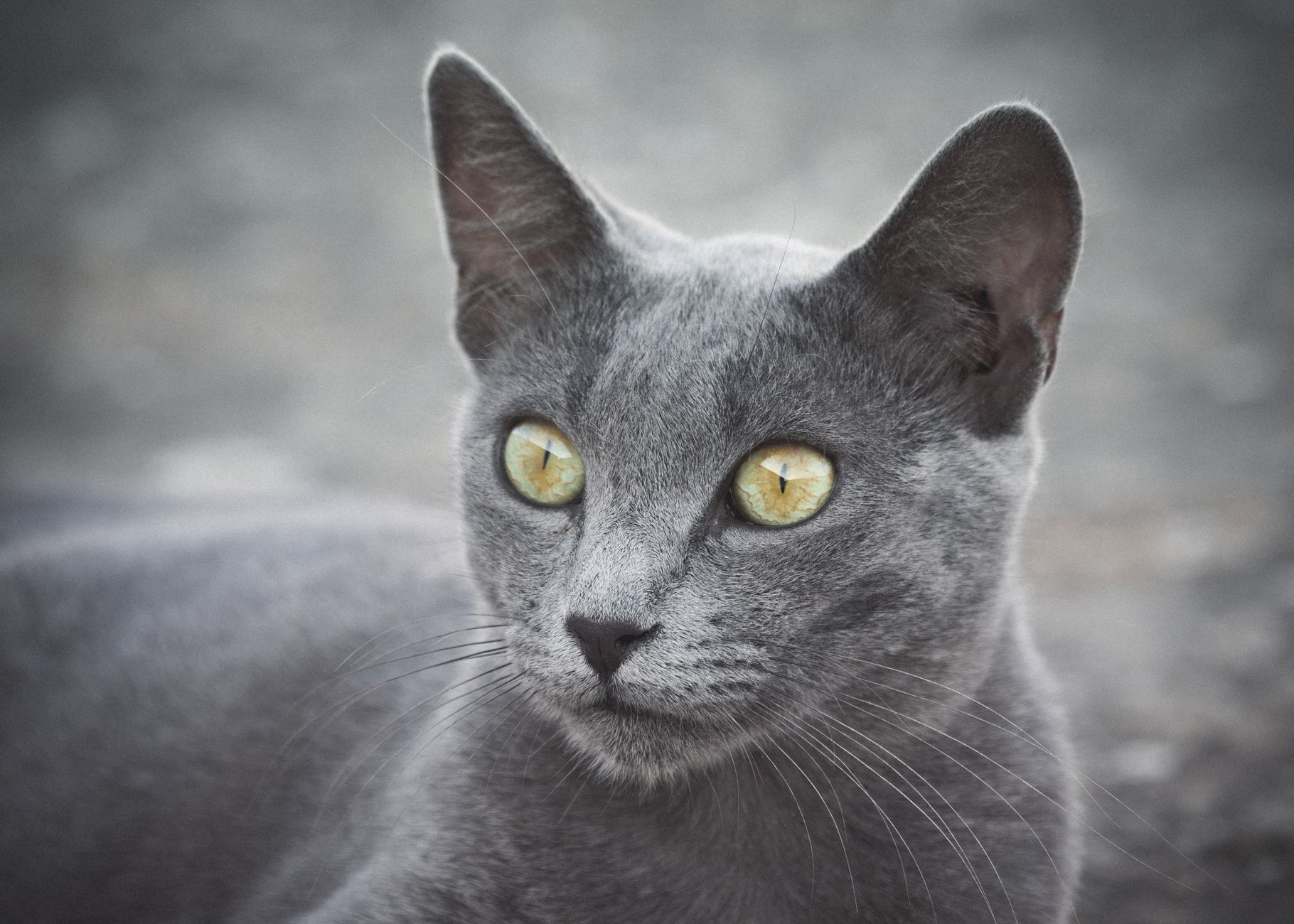
The Science of Fel d 1 in Russian Blues
To understand why Russian Blues are easier on the sinuses, we have to look at the microscopic level. The primary culprit behind feline allergies in humans is a protein called Fel d 1.
This protein is not actually found in the cat’s hair itself, though hair is the vehicle that spreads it around your home. It is secreted by the cat’s salivary, sebaceous (skin), and perianal glands.
When a Russian Blue grooms itself, it coats its dense double coat with saliva containing this protein, which then dries and becomes airborne dander.
In my clinical experience, clients who understand this distinction have much better success managing their home environments. Instead of focusing solely on shedding fur, they target the invisible dander and saliva deposits that accumulate on surfaces.
- Salivary glands: The Fel d 1 protein is deposited directly onto the fur during daily grooming sessions.
- Sebaceous glands: Skin glands secrete the protein, which flakes off as dry dander into your living environment.
- Lacrimal glands: Tears also contain small amounts of the allergenic protein.
- Perianal glands: Grooming of the hindquarters further spreads the protein across the cat’s coat.
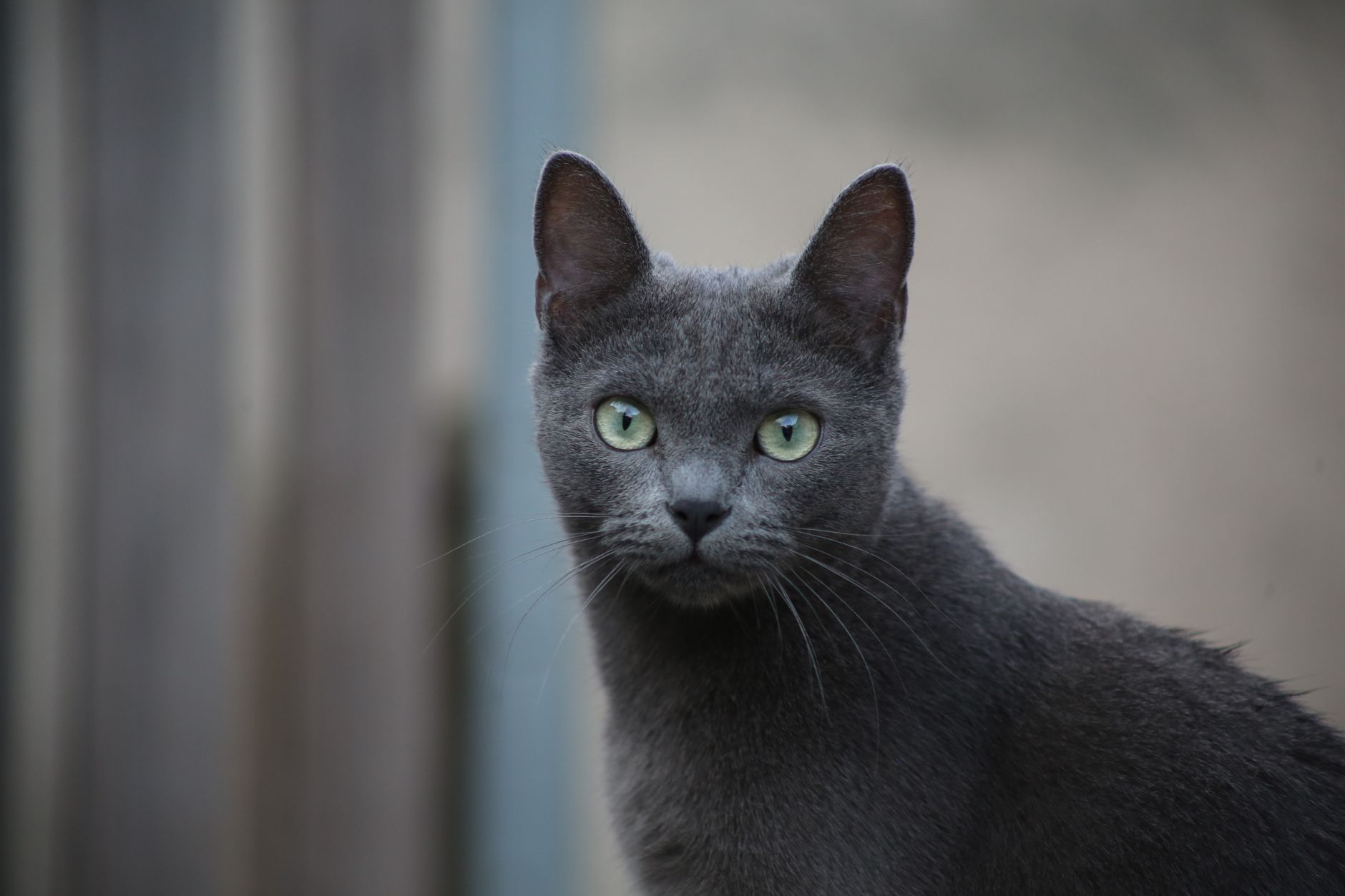
Physical Traits That Help the Russian Blue
Aside from lower baseline protein production, the physical anatomy of the Russian Blue’s coat plays a huge role in allergen management. They possess a dense, plush double coat that stands out at a distinct 45-degree angle.
This unique coat structure tends to trap dander close to the skin rather than letting it float freely into your living space.
Additionally, because their coat is so thick, they shed less intensely throughout the year compared to single-coated breeds. This means fewer allergen-coated hairs land on your furniture, carpets, and clothing.
It is a fascinating example of how breed standard physical traits can have a direct, positive impact on human health. However, this trapping effect also means that when they do shed, the accumulated dander is released all at once.
Clinical Symptoms: Is Your Cat Triggering You?
I always tell my clients to watch for subtle signs of allergy flare-ups that go beyond the obvious sneezing fits. Sometimes, a low-grade allergy doesn’t look like a full-blown attack but rather a chronic, mild inflammation.
If you already own a Russian Blue or are fostering one, paying close attention to your body’s daily signals is crucial for long-term health.
Over the years, I have seen owners attribute their chronic fatigue or mild throat tickles to season changes when, in reality, it was a slow-burn reaction to their pet.
Recognizing these symptoms early allows you to adjust your cleaning and care routines before the inflammation becomes a chronic respiratory issue. Here are the most common symptoms my clients report when they are reacting to feline dander in their homes.
- Itchy, red, or watery eyes immediately after petting or grooming the cat.
- Frequent nasal congestion, sneezing, or a persistent runny nose indoors.
- Localized hives, redness, or itching on areas of the skin touched directly by the cat.
- Mild wheezing, coughing, or chest tightness, especially in dusty or poorly ventilated rooms.
- Frequent throat clearing or a scratchy sensation in the back of your throat.
The Pre-Adoption Compatibility Test
If you are considering bringing a Russian Blue into your home, please do not skip the trial phase. I have seen too many heartbreaking situations where a family had to rehome a beloved kitten due to severe, unexpected allergies.
Your individual immune system is unique, and what works for one allergic owner might not work for you.
Before making a decade-long commitment, take deliberate steps to test your biological compatibility with the breed.
It is far better to discover your sensitivity before the kitten has integrated into your family and captured your heart. I always advise my clients to set up exposure tests that mimic real-world living conditions as closely as possible.
The T-Shirt Breeder Test
Ask a reputable breeder to send you a clean t-shirt or a small blanket that has been rubbed thoroughly on their breeding Russian Blue cats. Wear or sleep near this item for a few days to monitor your body’s reaction in a controlled environment.
This simple test has saved many families from making a premature adoption decision.
In-Person Cattery Visits
Spend at least an hour inside a purebred Russian Blue cattery if the breeder allows it. Avoid visiting homes with other cat breeds during this window, as this will muddy the results of your exposure test and give you a false reading.
Vet-Approved Environmental Control Strategies
Managing allergies is rarely about fixing one single thing; it is about reducing the overall allergen load in your home. I recommend my clients adopt a multi-layered approach to environmental control.
By tackling the physical space where dander accumulates, you can drastically lower your daily exposure.
This is what we call ‘environmental hygiene’ in the veterinary world, and it is highly effective when done consistently.
Think of your home as a container; if you can reduce the sources of allergen accumulation, you can keep your symptoms below your personal clinical threshold. Here is a high-yield checklist of environmental chores that will make your home a safe haven for both you and your Russian Blue.
- Install a High-Efficiency Particulate Air (HEPA) filter in your bedroom and main living areas to capture airborne dander.
- Establish a strict ‘no-cats’ policy in the bedroom to ensure your sleeping environment remains entirely allergen-free.
- Swap out heavy carpets for hard flooring like hardwood or tile, which do not trap protein allergens.
- Wash all bedding, drapes, and couch slipcovers on a weekly basis in hot water of at least 140 degrees Fahrenheit.
- Use a vacuum cleaner equipped with a certified HEPA filter to prevent blowing fine dander back into your breathing space.
Dietary and Grooming Interventions
Modern veterinary medicine has given us incredible new tools to address allergies directly at the feline source. We no longer have to rely solely on human antihistamines to manage the symptoms.
By modifying what your Russian Blue eats and how they are groomed, you can safely neutralize active Fel d 1 proteins.
In my practice, I have seen these combined interventions completely transform the relationship between allergic owners and their cats.
It is a true game-changer that makes cohabitation not just possible, but highly comfortable for the long haul. Let us look at the most scientifically validated ways to reduce allergen shedding from your cat.
Neutralizing Diets
Feeding your Russian Blue a diet coated with specific egg-product antibodies (like Purina Pro Plan LiveClear) can neutralize Fel d 1 in their saliva. Clinical trials show a significant reduction in active allergens on the hair within three to four weeks of consistent feeding.
I have seen excellent results with this in my clinical practice.
Grooming and Wiping Protocols
Rather than stressful weekly baths which dry out the cat’s skin and trigger more dander production, use allergen-reducing dander wipes. Gently wiping your Russian Blue daily with a damp microfiber cloth or commercial pet wipe physically removes loose dander and saliva without damaging their skin barrier.
Medical Management for the Owner
While we do everything we can for the cat, you must also care for your own immune system. Working closely with a human allergist is a critical piece of the puzzle.
Many of my clients find that a combination of veterinary-guided feline care and human medical therapy allows them to live completely symptom-free.
Do not hesitate to seek professional human medical advice to build a personalized allergy management plan.
Your health is just as important as your cat’s wellness, and the two are deeply interconnected in any household. When we treat both ends of the leash—or in this case, both ends of the cat toy—we get the best results.
- Daily non-drowsy oral antihistamines to block the body’s overactive inflammatory response.
- Nasal corticosteroid sprays to reduce localized sinus inflammation and ongoing congestion.
- Allergen immunotherapy (allergy shots) to gradually desensitize your immune system over several years.
- Saline nasal rinses to physically flush out inhaled dander particles from your nasal passages after grooming sessions.
Frequently Asked Questions
Are Russian Blue cats 100% hypoallergenic?
No, there is no such thing as a 100% hypoallergenic cat. While Russian Blues produce less Fel d 1 protein than other breeds, they still produce enough to trigger reactions in highly sensitive individuals.
How long does it take for a Russian Blue’s diet to reduce allergens?
If you feed your cat an allergen-reducing diet, you can expect to see a noticeable reduction in active Fel d 1 protein on their coat within three to four weeks of daily feeding.
Do male or female Russian Blues produce fewer allergens?
Generally, female cats and neutered males produce lower levels of Fel d 1 than intact male cats. If allergies are a concern, I recommend choosing a female or ensuring your male kitten is neutered early.
Can a Russian Blue mix be hypoallergenic?
It is highly unlikely. The reduced allergen production of a Russian Blue is a genetic trait preserved through controlled breeding, and crossing them with other breeds usually dilutes this beneficial characteristic.
How often should I bathe my Russian Blue to reduce allergies?
I do not recommend frequent bathing, as it dries out their skin and can actually increase dander production. Instead, wipe your cat daily with a damp cloth or specialized allergen-reducing pet wipes.
Does brushing a Russian Blue help with allergies?
Yes, but brushing should be done by a non-allergic family member, preferably outdoors or in a well-ventilated room. Regular brushing removes loose, allergen-coated hair before it sheds into your home.
Sources & Further Reading
Final Thoughts
Living happily with a Russian Blue when you suffer from allergies is entirely possible, but it requires realistic expectations and proactive management. As a veterinarian, I love seeing the deep bond that develops when an owner successfully navigates these challenges.
Remember that managing your symptoms is a multi-step process involving home cleanliness, proper feline nutrition, and personal medical care. Do not rely on the ‘hypoallergenic’ label alone to do the heavy lifting for your immune system.
With a dedicated routine and a bit of patience, a Russian Blue can be a wonderfully comfortable and loving addition to your home.