
Shetland Sheepdog Breed Guide

Quick Summary
Highly intelligent, intensely loyal, and striking to look at, the Shetland Sheepdog (Sheltie) is a world-class companion and canine athlete. However, their vocal nature and high grooming demands mean they thrive best with active families who can provide daily mental stimulation and don’t mind a lot of brushing.
Quick Facts
- origin countryScotland
- breed groupHerding Group (AKC)
- sizeSmall to Medium
- weight range15 – 25 lbs (6.8 – 11.3 kg)
- height range13 – 16 inches (33 – 41 cm) at the shoulder
- lifespan12 – 14 years
- coat typeDouble coat; long, harsh outer coat with a short, dense undercoat
- common colorsSable (ranging from golden to mahogany), Black (tri-color or bi-black), and Blue Merle, often with white and/or tan markings
- other namesSheltie, Shetland Collie
- recognized byAKC, UKC, KC (UK), FCI
Caring for a Shetland Sheepdog
Living with a Sheltie is like having a tiny, incredibly smart shadow that watches your every move and anticipates your next step. In my experience, these dogs don’t just exist in your home; they actively participate in your daily routine, constantly checking in for direction. You must be prepared for daily brushing sessions to prevent painful mats behind their ears and in their ‘trousers’, alongside a commitment to channeling their intense mental energy. If you don’t give them a job, they will invent one—which usually involves herding your kids, cats, or the vacuum cleaner while barking enthusiastically.
Is a Shetland Sheepdog a good family pet?
Absolutely, as they are incredibly affectionate, gentle, and highly attuned to their human family’s emotions. I’ve found they do exceptionally well with respectful children, though their herding instinct might tempt them to nip at heels during active running games. Early socialization is key to ensuring their natural sensitivity doesn’t translate into shyness around strangers.
Do Shetland Sheepdogs shed a lot?
Yes, Shelties are heavy shedders, especially during their bi-annual ‘blow out’ seasons in the spring and fall when the undercoat sheds in dense clumps. I always tell owners that weekly line-brushing is a non-negotiable requirement to keep their magnificent double coats healthy. Expect to find fine, silvery tumbleweeds of hair on your floors and furniture year-round.
Is a Shetland Sheepdog good for first-time owners?
They can be, provided the owner is committed to active mental stimulation and understands their highly sensitive nature. Because they are so eager to please and highly trainable, they don’t present the stubbornness of some other herding breeds, but their high vocalization and sensitivity to harsh training methods can sometimes overwhelm an unprepared novice. Working with a positive-reinforcement trainer can help set first-time owners up for success.
Temperament & Personality
The Sheltie temperament is a beautiful mix of intense devotion, sharp intelligence, and a sweet, sensitive nature. They are fiercely loyal to their immediate family, often acting reserved or aloof with strangers rather than immediately outgoing. I’ve noticed they are highly empathetic dogs that pick up on the emotional climate of the home, meaning they thrive in calm, harmonious environments. However, their alert herding heritage means they are always on duty, quick to alarm-bark at any perceived change in their surroundings.
Is a Shetland Sheepdog good with other pets?
Yes, Shelties generally cohabitate beautifully with other dogs and are particularly fond of other Shelties. They can get along well with cats too, though their strong herding drive might inspire them to chase or herd running felines. Consistent, supervised introductions and redirecting herding behaviors early on are crucial for a peaceful multi-pet household.
How much attention does a Shetland Sheepdog need?
They need a tremendous amount of human interaction and do not do well when left alone for long stretches of time. They are classic ‘velcro dogs’ who want to accompany you from room to room, and leaving them isolated can quickly lead to severe separation anxiety and destructive barking. Expect to dedicate several hours a day to interactive play, training, grooming, and companionship.
Training & Behavior
Shelties are one of the most brilliant breeds in the canine world, ranking sixth in canine intelligence metrics, which makes training them a joy. They learn commands incredibly fast—often in fewer than five repetitions—but this intelligence is a double-edged sword: they will also pick up bad habits just as quickly. Because of their deep sensitivity, they shut down immediately under harsh corrections, requiring soft, rewards-based training methods to truly shine.
Training Tips
- Use positive reinforcement, high-value treats, and plenty of praise to motivate their sensitive minds.
- Keep training sessions short, fast-paced, and varied to prevent them from getting bored with repetitive drills.
- Proactively train a ‘quiet’ or ‘shush’ command from puppyhood to manage their natural instinct to alarm-bark.
- Incorporate clicker training; Shelties excel at precise, shaped behaviors due to their rapid cognitive processing.
Fun Activities
- Agility trials (where Shelties absolutely dominate small-to-medium classes)
- Competitive Obedience and Rally
- Flyball and Nosework
- Herding trials and instinct tests
- Interactive puzzle games and hide-and-seek at home
Is a Shetland Sheepdog easy to train?
Yes, they are exceptionally easy to train due to their high intelligence and intense desire to cooperate with their owners. They excel in advanced trick training and dog sports, making them a favorite for competitive handlers. The challenge is not getting them to learn, but keeping their busy minds occupied so they don’t use that brainpower for mischief.
Shetland Sheepdog Health Issues

Overall, the Shetland Sheepdog is a relatively robust and healthy breed, but their gene pool carries several hereditary conditions that dedicated breeders screen for. Working closely with a veterinarian and purchasing from a breeder who performs OFA and genetic clearances is vital to ensuring a healthy companion.
Collie Eye Anomaly (CEA)
An inherited congenital bilateral eye disease that affects the retina, choroid, and sclera, potentially leading to blindness.
MDR1 Gene Mutation
A genetic mutation making the dog highly sensitive to certain common medications, including ivermectin, loperamide, and specific anesthetics, which can cause severe neurological toxicosis.
Hypothyroidism
An endocrine disorder where the thyroid gland does not produce enough thyroid hormone, slowing down the dog’s metabolism.
Dermatomyositis (Sheltie Skin Syndrome)
An inherited autoimmune disease that affects the skin, muscles, and blood vessels, often triggered by stress or UV exposure.
Hip Dysplasia
An orthopedic condition where the hip joint’s ball and socket do not fit together properly, leading to progressive arthritis.
How long do Shetland Sheepdogs typically live?
Shelties have a relatively long lifespan, typically living between 12 and 14 years. Many well-cared-for individuals can live even longer, reaching 15 or 16 years of age. Keeping them at a lean, healthy weight and scheduling regular veterinary wellness checkups are the best ways to maximize their lifespan.
What to Feed a Shetland Sheepdog
Feeding your Sheltie high-quality, portion-controlled nutrition is critical, as this breed has a notorious tendency to gain weight easily. Because their thick double coat can easily mask a layer of excess fat, you cannot rely on sight alone to evaluate their body condition; you must regularly feel for their ribs.
Best Diet
I recommend a high-quality, age-appropriate dry kibble formulated for small-to-medium breeds with moderate-to-high energy levels. For Shelties with sensitive skin or dry coats, a diet rich in omega-3 and omega-6 fatty acids (such as wild-caught salmon formulations) works wonders.
How to Feed
Divide their daily food allotment into two structured meals per day rather than free-feeding, which invites overeating. Using puzzle feeders or slow-bowls is an excellent way to provide mental stimulation during mealtime while slowing down eager eaters.
How Much to Feed
Generally, an adult Sheltie requires between 3/4 to 1.5 cups of dry kibble per day, split across two meals, depending on their weight, age, and activity level. Since caloric needs vary widely based on individual metabolism, always consult your veterinarian to establish a precise feeding plan.
Nutritional Tips
Keep treats to a minimum and ensure they do not exceed 10% of their daily caloric intake, as even an extra ounce or two of weight can strain a Sheltie’s joints. Adding a joint supplement containing glucosamine and chondroitin can be beneficial as they age.
Shetland Sheepdog Grooming Guide
Grooming a Sheltie is a labor of love that requires commitment, patience, and the right tools to maintain that iconic, glamorous look. It is a mistake to shave a Sheltie, as their double coat insulates them from both heat and cold, and shaving can permanently damage the hair follicle structure.
Coat Care
Brush their coat thoroughly at least two to three times a week using a slicker brush and a long-pinned undercoat rake, making sure to mist the hair with a water-and-conditioner mix first to prevent breakage. During the heavy shedding seasons of spring and autumn, daily line-brushing down to the skin is necessary to prevent dense mats from forming.
Skin Care
Regularly inspect the skin during grooming sessions for signs of redness, dryness, or hot spots, which can quickly hide beneath their thick fur. Bathe them only when necessary (every 6 to 8 weeks) using a high-quality, soap-free oatmeal shampoo, ensuring they are completely blow-dried afterward to prevent moisture from getting trapped against the skin.
Eye Care
Check their eyes weekly for any excessive tearing, discharge, or squinting, especially given their genetic predisposition to eye conditions like Collie Eye Anomaly and progressive retinal atrophy.
Ear Care
Shelties have naturally semi-erect ears that need regular inspection for wax buildup, foul odor, or redness, which can indicate an infection. Keep the long, fine hair behind and below the ears brushed out daily, as this is the most common spot for tight, painful mats to develop.
Nail & Dental Care
Trim their nails every 2 to 3 weeks to prevent splayed feet and joint discomfort, using a grinder or clippers. Brush their teeth at least three times a week with a dog-safe enzymatic toothpaste to combat periodontal disease.
Considerations for Pet Parents
Pros
- Incredibly intelligent and exceptionally easy to train
- Intensely loyal, affectionate, and deeply devoted to family
- Excellent, alert watchdogs who will warn you of any visitors
- Highly versatile and absolute superstars in dog sports like agility
- Naturally gentle and generally wonderful with respectful children
Cons
- Prone to excessive, high-pitched barking if not strictly trained
- Very high grooming demands and heavy year-round shedding
- Can be overly sensitive to loud noises, tension, and chaotic environments
- Strong herding instinct may lead to chasing children, pets, or cars
Best For
Active, dedicated owners or families who want a highly interactive companion, enjoy routine grooming, have a relatively calm home environment, and are excited to participate in dog sports, trick training, or daily structured activities.
Not Recommended For
Those who live in strict apartment settings with thin walls (due to barking), busy households that cannot dedicate time to coat maintenance, or owners who must leave their dog home alone for long, consecutive hours daily.
Cost
- purchase price$1,500 – $3,000 USD
- monthly cost$100 – $200 USD (higher if utilizing professional grooming)
- initial setupInitial costs including quality grooming tools (slicker brush, undercoat rake, high-velocity dryer), a crate, genetic testing (like MDR1 screening), and basic veterinary care typically range from $800 to $1,500.
Similar Breeds
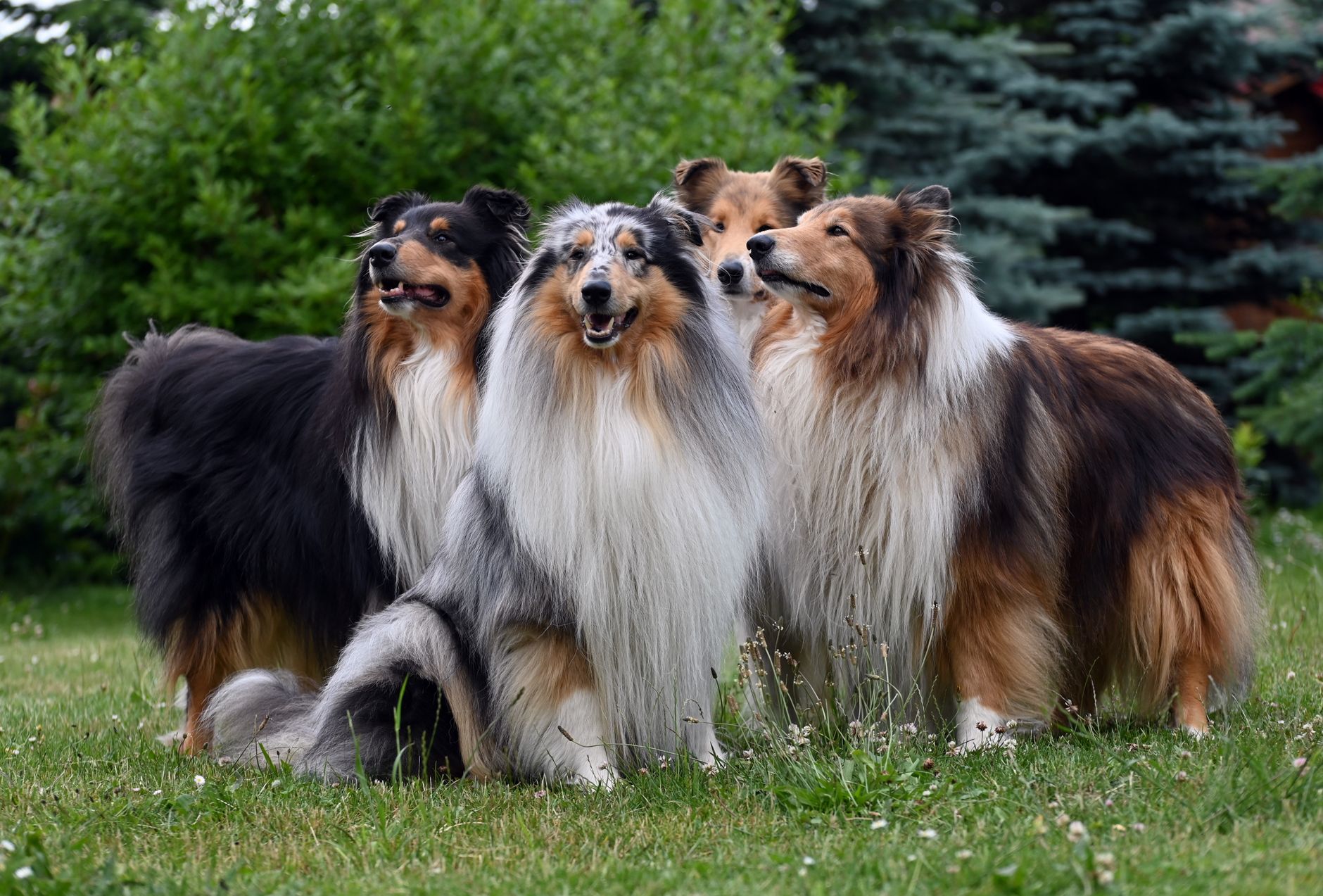
Collie (Rough)

Border Collie
Shetland Sheepdog FAQs
Are Shelties the same as miniature Rough Collies?
While they look very similar, the Shetland Sheepdog is a distinct breed with its own unique history and temperament. They are not simply shrunken Collies, though they share ancestors. Shelties tend to be more energetic, intense, and reactive than their larger, more laid-back Collie cousins.
Why does my Sheltie bark so much, and how can I stop it?
Shelties were bred to protect Shetland farms and use their voices to warn of intruders or move livestock. This makes barking a deeply ingrained genetic trait. To manage it, avoid yelling (which they think is you barking along), teach a reliable ‘quiet’ command using positive rewards, and ensure they get enough mental stimulation so they don’t bark out of boredom.
Can Shetland Sheepdogs live in apartments?
They can adapt to apartment living, but it requires significant effort on your part. Their high-pitched alarm barking can easily disturb neighbors, so proactive quiet training is essential. You will also need to provide them with multiple dedicated outdoor exercise and mental stimulation sessions daily to prevent indoor restlessness.
Do Shelties have a strong prey drive?
While they don’t typically possess a predatory ‘kill’ drive, they have an incredibly strong herding instinct. This manifests as an urge to chase and control moving objects, including running children, cats, bicycles, and cars. Keeping them safely leashed in unfenced areas is non-negotiable to prevent them from bolting after a moving target.
Is the MDR1 gene mutation common in Shelties?
Yes, the MDR1 (Multi-Drug Sensitivity) gene mutation is highly prevalent in herding breeds, including Shelties. This mutation prevents the normal clearance of certain drugs from the brain, making them highly toxic. I strongly recommend getting a simple DNA test done so you and your vet know your dog’s status before administering medications.
How much exercise does a Sheltie need daily?
An adult Sheltie typically needs at least 1 to 1.5 hours of exercise daily, but physical running isn’t enough. They need structured activities that engage their minds, such as trick training, puzzle toys, fetching, or agility practice. A physically exhausted but mentally understimulated Sheltie will still find ways to get into mischief.
Do Sheltie ears need to be taped or ‘tipped’?
Naturally, Sheltie ears should be semi-erect with the tips breaking forward. While show breeders often use special adhesive or tape on puppies’ ears during teething to ensure they bend correctly, this is purely cosmetic. If your Sheltie is a beloved family pet, fully erect or floppy ears do not affect their health or wonderful personality in any way.
Are Shelties prone to separation anxiety?
Yes, because of their intensely loyal and social nature, Shelties are highly prone to separation anxiety if left alone for extended periods. They bond very deeply with their owners and thrive on being part of the daily action. Crate training early on, offering puzzle toys when you leave, and practicing short departures can help prevent distress.
Are Shelties good water dogs? Do they like to swim?
Individual preferences vary, but most Shelties are not natural water-loving dogs like retrievers. Their heavy double coat becomes incredibly heavy when wet, making swimming exhausting and potentially dangerous without a lifejacket. Some may enjoy splashing in shallow water, but many prefer to keep their paws dry.
How do I deal with my Sheltie’s fear of loud noises?
Due to their sensitive nervous systems, Shelties are notoriously prone to sound sensitivities, such as fear of thunder, fireworks, or garbage trucks. Avoid comforting them with high-pitched, anxious energy, as this validates their fear. Instead, use systematic desensitization, provide a dark, secure crate ‘den’ with a white noise machine, and consult your vet about anxiety wraps or medication for severe cases.
Should I get a male or female Sheltie?
In my experience, male Shelties tend to be slightly more affectionate, intensely focused on pleasing their owners, and happy-go-lucky, though they can be a bit more goofy. Females are often highly intelligent, independent, and sweet, but they can sometimes be more strong-willed and ‘in charge’ of the household dynamic. Both make absolutely wonderful companions.
What brush is best for a Sheltie’s coat?
A high-quality slicker brush (with long, flexible pins) and a sturdy undercoat rake with rotating pins are the two most essential tools. You should also have a steel greyhound comb to check for hidden mats behind the ears and in the feathering on their legs. Never brush a dry coat; always mist it with a diluted leave-in conditioner spray first.
Do Shelties smell bad or get smelly easily?
Generally, no; Shelties are relatively clean dogs who lack the typical ‘doggy odor’ associated with some oily-coated breeds. If your Sheltie has a strong smell, it is usually due to trapped moisture in their undercoat, dirty ears, dental disease, or a skin infection. Regular grooming and ensuring they are dried completely after baths or wet weather will keep them smelling fresh.