
Cesky Terrier Breed Guide
Quick Summary
A rare, low-slung gem from the Czech Republic, the Cesky Terrier is a remarkably calm and cooperative companion compared to its more fiery terrier cousins. Perfectly suited for families seeking a loyal, affectionate, and medium-energy dog, they thrive in both houses and apartments when provided with regular grooming and daily walks. As a vet, I highly recommend this breed for those who want terrier intelligence without the typical hyper-active edge.
As an Amazon Associate, we earn from qualifying purchases.
Popular with Cesky Terrier owners: Omega-3 Fish Oil · Slicker Brush · Training Treats
Quick Facts
- origin countryCzech Republic
- breed groupTerrier Group
- sizeSmall
- weight range16 to 22 pounds
- height range10 to 13 inches
- lifespan12 to 15 years
- coat typeLong, fine, wavy, and soft
- common colorsBlue-grey (born black) and light coffee-brown (born chocolate)
- other namesBohemian Terrier, Cesky Teriér
- recognized byAKC, UKC, FCI
Caring for a Cesky Terrier
Living with a Cesky Terrier is a highly rewarding experience, blending the compact size of a lapdog with the robust nature of a working breed. In my clinic, I emphasize that while they are relaxed indoors, they still possess a moderate prey drive and require structured daily exercise. Their unique clipped coat catches yard debris easily, making post-walk paw and underbelly checks a daily necessity. I always tell owners to prepare for a dog that is deeply devoted to its family but naturally polite yet reserved with strangers.
Is a Cesky Terrier a good family pet?
Absolutely, they are exceptionally good family pets. Unlike more reactive terriers, they are patient, gentle, and highly affectionate with children, though playtime should always be supervised to protect their elongated spines.
Do Cesky Terriers shed a lot?
No, they are very low shedders because their fine coat is clipped regularly rather than hand-stripped. However, they do require frequent brushing to prevent their soft, wavy furnishings from matting.
Is a Cesky Terrier good for first-time owners?
Yes, they are one of the best terrier breeds for novices. Their cooperative nature and desire to please make them far more manageable and less stubborn than Scotties or Westies.
Temperament & Personality
The Cesky Terrier is a peaceful, sensitive, and stable companion. They lack the aggressive spark or hyper-reactivity of many traditional working terriers, preferring a harmonious household environment. In my years treating this breed, I have observed that they act as sensitive barometers of family dynamics, responding poorly to shouting or tension. They are protective of their pack but express this through quiet alertness rather than excessive aggression.
Is a Cesky Terrier good with other pets?
Generally yes, especially when raised together. While they have a moderate chase instinct for outdoor rodents, they tend to coexist peacefully with household cats and other dogs.
Zesty Paws Wild Alaskan Salmon Oil
- ✓Omega-3 EPA and DHA from wild Alaskan salmon
- ✓Supports skin, coat, joints and heart
- ✓Easy pump onto food, no capsules
- Omega-3 fatty acids support skin, coat and joints from the inside out
How much attention does a Cesky Terrier need?
They are highly social and form incredibly strong bonds with their human family. They do not do well when left isolated in yards and can develop separation anxiety if left completely alone for long stretches.
Training & Behavior
Training a Cesky Terrier is a refreshing experience because they are highly intelligent and genuinely eager to cooperate. However, they possess a sensitive soul, meaning punitive or harsh training methods will cause them to shut down entirely. I advise using positive reinforcement, high-value treats, and short, engaging sessions to keep their interest focused.
Training Tips
- Use positive, reward-based training with high-value food rewards
- Keep training sessions under 10 minutes to prevent mental fatigue
- Begin socialization at 8 weeks to curb natural reserve around strangers
- Incorporate gentle crate training to establish a safe retreat space
- Avoid harsh corrections, as this breed easily shuts down under pressure
Fun Activities
- Scent work and tracking games
- Earthdog trials and instinct testing
- Basic agility and obstacle courses
- Daily neighborhood scent-walks
- Interactive puzzle-toy solving
Is a Cesky Terrier easy to train?
Yes, compared to other terriers, they are remarkably easy to train. They possess a cooperative spirit and pick up commands quickly, though they still require consistent, lifelong reinforcement.
Cesky Terrier Health Issues

Overall, the Cesky Terrier is a robust and hardy breed, largely thanks to the meticulous breeding practices of its creator, František Horák. However, like all purebreds, they are predisposed to specific genetic conditions that owners must proactively monitor with their veterinarian.
Scotty Cramp
An inherited neuromuscular disorder inherited from their Scottish Terrier ancestry, causing a temporary, harmless hyper-flexion of the hind limbs during excitement or exercise.
Progressive Retinal Atrophy (PRA)
A genetic ocular disease that causes the progressive degeneration of the retina, eventually leading to complete blindness.
Patellar Luxation
A common orthopedic issue where the kneecap temporarily slips out of its normal anatomical groove, causing discomfort and joint wear.
Hertzko Self-Cleaning Slicker Brush
- ✓Fine bent wire bristles reach through to the undercoat
- ✓Retractable bristles: one click drops the collected hair
- ✓Comfort-grip handle for longer grooming sessions
- ✓Works on long and short coats, dogs and cats
- Removes loose hair, tangles and dirt before they become mats
- Quick to clean, so regular brushing actually happens
Hereditary Cataracts
An inherited clouding of the eye’s lens that can occur at an early age, impairing vision and potentially requiring surgery.
Cardiac Disease (Mitral Valve Disease)
A progressive degeneration of the heart valves, which is occasionally seen in older Cesky Terriers.
How long do Cesky Terriers typically live?
With excellent care, regular veterinary checkups, and a healthy weight, a Cesky Terrier typically enjoys a long lifespan of 12 to 15 years.
What to Feed a Cesky Terrier
As a veterinarian, I closely monitor the body condition score of my Cesky patients because their long backs and short legs make them highly vulnerable to the dangers of obesity. Even one extra pound can place undue stress on their spine and joints.
Best Diet
An ideal diet consists of high-quality, portion-controlled small-breed kibble formulated for their specific life stage (puppy, adult, or senior). Avoid high-fat diets unless the dog is actively working or highly athletic.
How to Feed
I highly recommend feeding them two measured meals per day rather than free-feeding. Use interactive slow-feeders to keep them mentally stimulated and prevent rapid swallowing.
How Much to Feed
Typically, an adult Cesky needs about 3/4 to 1 and 1/4 cups of dry food daily, split into two meals. Always consult your vet to adjust this based on exact weight, activity level, and body condition score.
Nutritional Tips
Incorporate omega-3 fatty acid supplements (like wild-caught fish oil) to support their skin and coat health, and strictly limit table scraps to prevent pancreatitis.
Cesky Terrier Grooming Guide
The Cesky Terrier has a unique coat that does not require hand-stripping; instead, it is clipped with electric clippers, leaving long furnishings on the legs and belly. This makes professional or home clipping a vital, lifelong commitment.
Coat Care
Brush the long body furnishings 2 to 3 times a week with a slicker brush and metal comb to prevent painful matting. The body coat should be clipped every 6 to 8 weeks to maintain the breed’s signature look.
Skin Care
Bathe them every 3 to 4 weeks using a gentle, oatmeal-based dog shampoo to keep their soft hair and skin free of debris and allergens.
Eye Care
Trim the hair around the eyes regularly to prevent irritation and discharge, and wipe the area daily with a damp cloth.
Ear Care
Pluck excess hair from the ear canals as recommended by your vet, and clean them weekly with a vet-approved drying solution to prevent yeast infections.
Nail & Dental Care
Trim their strong, dark nails every 3 to 4 weeks, and brush their teeth daily with dog-safe toothpaste to combat periodontal disease, which is highly common in small breeds.
Considerations for Pet Parents
Pros
- Much calmer and more cooperative than most other terrier breeds
- Very low-shedding coat, making them great for clean homes
- Affectionate, patient, and highly loyal family companions
- Adaptable size that fits perfectly in apartment settings
- Generally quiet and not prone to nuisance barking
- Eager to please and highly responsive to gentle training
Cons
- Requires professional clipping every 6 to 8 weeks
- Can be reserved or aloof with strangers if not heavily socialized
- Prone to weight gain, which threatens their long spines
- Rare breed that can be difficult and expensive to source
Best For
Active families, retirees, or apartment dwellers who want a loving, low-shedding companion and are fully committed to regular professional grooming and veterinary care.
Not Recommended For
Busy owners who cannot commit to regular coat maintenance, or those who want an guard dog that is instantly outgoing with strangers.
Cost
- purchase price$1,500 – $2,500 USD
- monthly cost$100 – $180 USD
- initial setupInitial costs including crates, vaccines, spay/neuter surgery, and high-quality grooming tools range from $1,200 to $2,000.
-
Zuke’s Mini Naturals Training Treats, Peanut Butter & OatsSmall, soft treats are quick to eat, so you can reward the right moment and keep training sessions moving
-
Wag Wholesome Grains Dry Dog Food, Chicken & Brown RiceA complete, balanced diet matched to your dog’s size and age is the foundation of a healthy coat, gut and energy level
-
EHEYCIGA Foam Dog Stairs for Bed, 18 inPet stairs save small, senior and long-backed dogs from jumping on and off beds and sofas
Similar Breeds
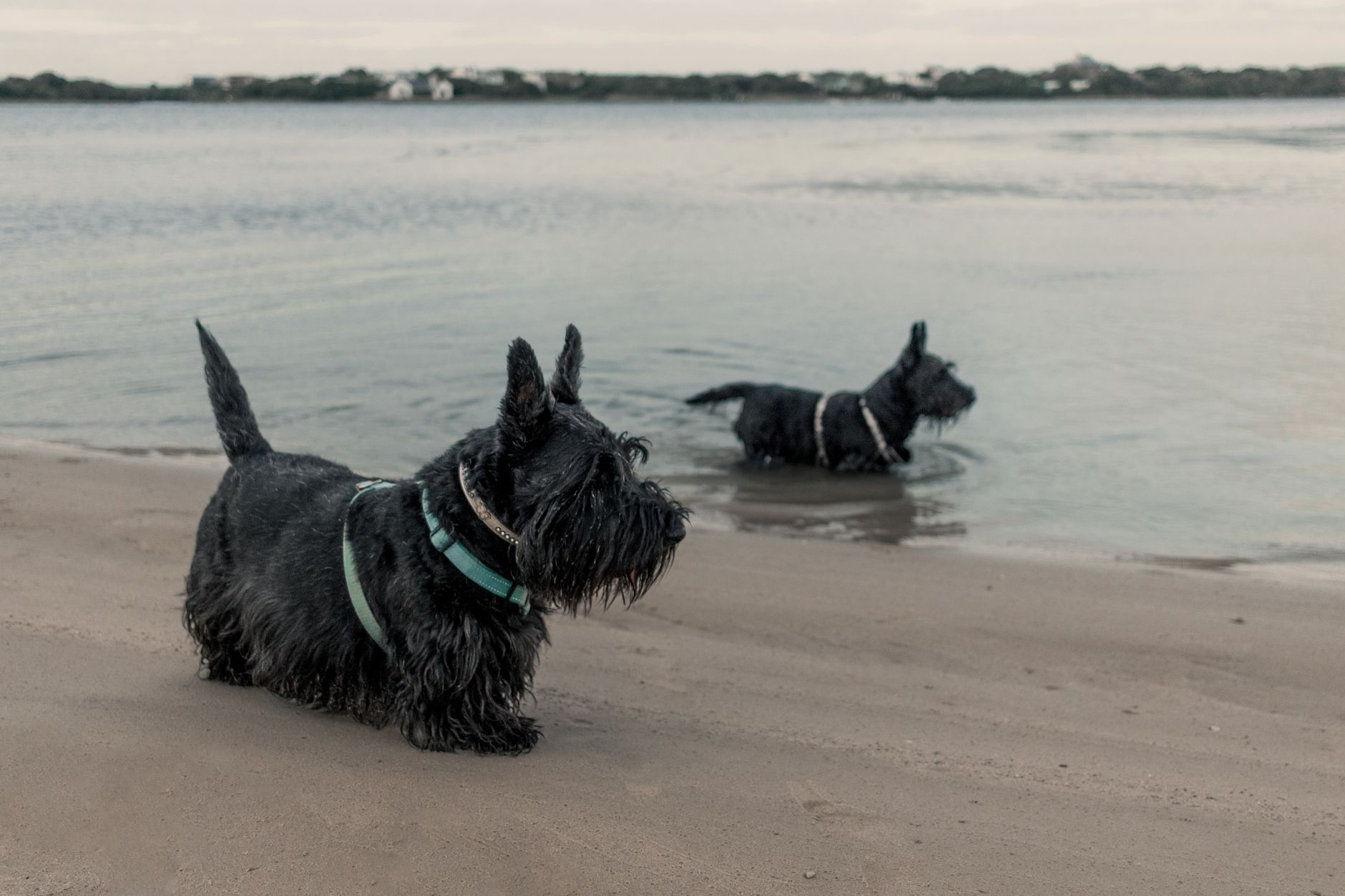
Scottish Terrier
Sealyham Terrier
Related Dog Guides
Cesky Terrier FAQs
Are Cesky Terriers hypoallergenic?
While no dog is 100% hypoallergenic, the Cesky Terrier is very low-shedding and produces less dander than many other breeds. Regular clipping and bathing help keep allergen levels very low, making them a good option for mild allergy sufferers.
What is ‘Scotty Cramp’ in Cesky Terriers?
It is an inherited neuromuscular condition where a temporary lack of serotonin causes the dog’s legs to stiffen or cramp when they are overly excited or stressed. It is not painful, does not shorten their life, and usually passes after a few minutes of calm.
How often do they need to be groomed?
Their coats should be brushed at least 2 to 3 times a week to prevent painful mats. Additionally, they require a professional clipping every 6 to 8 weeks to maintain their distinct breed silhouette.
Do Cesky Terriers bark a lot?
Compared to other terrier breeds, Cesky Terriers are remarkably quiet. They will bark to alert you of a visitor at the door, but they do not typically engage in repetitive or nuisance barking.
Can they live in small apartments?
Yes, they are highly adaptable and excel in apartment living. Because of their moderate energy levels, a couple of brisk daily walks and some indoor playtime are more than enough to keep them happy.
Are Cesky Terriers born blue-grey?
No, Cesky Terrier puppies are actually born completely black (or chocolate brown) and gradually lighten to their beautiful blue-grey (or coffee-brown) adult shade over their first two years of life.
Are they prone to back or spinal problems?
Yes, because of their elongated bodies and short legs (achondroplastic build), they are more prone to spinal strain. I advise using ramps for high furniture and avoiding high-impact jumping.
Are they easy to housebreak?
They are generally cooperative, but like many small breeds, housebreaking can take a little time due to their small bladders. Consistency, positive reinforcement, and a set schedule will get the job done.
How are they with cats and other small animals?
They can coexist very peacefully with indoor cats, especially if introduced as puppies. However, their terrier hunting instincts mean they should never be trusted around small pocket pets like hamsters or gerbils.
Do they tolerate cold or hot weather better?
They tolerate cooler weather well due to their protective furnishings, but their dark coats and short muzzles mean they can overheat quickly in hot, humid weather. Limit intense exercise on hot summer days.
How much exercise do they need daily?
A Cesky Terrier needs about 45 to 60 minutes of daily exercise. This can be split between two brisk walks and a fun play session in a securely fenced yard.
Why are Cesky Terriers so rare?
They were originally developed in Czechoslovakia behind the Iron Curtain, which restricted their distribution. Even today, they remain a well-kept secret preserved by a small, dedicated group of global breeders.
Sources & Further Reading
- American Kennel Club (AKC)
- Merck Veterinary Manual
- American Veterinary Medical Association (AVMA)
- PetMD