
 Yorkshire Terrier vs Silky Terrier: How to Tell Them Apart” loading=”lazy”>
Quick Summary
While Yorkshire Terriers and Silky Terriers look remarkably similar at first glance, they differ significantly in size, head structure, and temperament. Silkys are larger, more muscular, and retain a stronger terrier prey drive, whereas Yorkies are true toy-sized companions with a finer, floor-length coat. Understanding these physical and behavioral nuances is key to choosing the right companion for your lifestyle.
As an Amazon Associate, we earn from qualifying purchases.
Popular with dog owners: Senior Dog Food · Dog Toothbrush · Orthopedic Dog Bed
As a veterinarian, I cannot tell you how many times a client has walked into my clinic holding a gorgeous blue-and-tan toy breed, proudly introducing their ‘Yorkie,’ only for me to gently point out they actually own a Silky Terrier.
It is an incredibly common mix-up because these two breeds share a closely intertwined ancestral branch.
However, distinguishing between them is not just a matter of semantics; it affects their medical care, exercise needs, and training requirements.
Let us break down the physical, behavioral, and clinical differences that set these two remarkable terriers apart. In my years of treating these wonderful companions, I have seen how understanding these distinctions can transform the way owners care for them.
Key Takeaways
- Yorkshire Terriers are smaller, weighing under 7 pounds, whereas Silky Terriers are larger and sturdier, weighing 8 to 10 pounds.
- Silky Terriers have wedge-shaped heads with a distinct stop, while Yorkies have flatter skull structures.
- The Yorkie coat is fine, glossy, and falls straight to the floor, whereas the Silky coat is denser, follows the body’s contours, and stops short of the ground.
- Silky Terriers retain a much higher working terrier prey drive, requiring more mental stimulation and physical exercise.
- Both breeds are prone to patellar luxation and dental crowding, but Yorkies suffer more frequently from tracheal collapse.
In This Article
- A Shared History: The Ancestral Split
- The Tale of the Tape: Size, Weight, and Proportions
- Coat Comparative Analysis: Texture, Length, and Color
- Facial Features: Heads, Ears, and Expressions
- Temperament and Energy: The True Terrier vs. The Toy Companion
- Clinical Profiles: Health Concerns I See in Practice
- Grooming and Skin Care Demands
- Practical Living: Which Breed Fits Your Lifestyle?
- Lifespan and Senior Care Considerations
A Shared History: The Ancestral Split
To understand why these dogs look so similar, we have to look back at their history. The Yorkshire Terrier originated in industrial England, bred specifically to hunt down rats in cramped textile mills and coal mines.
In the late 19th century, some of these working-class Yorkies were brought to Australia, where breeders crossed them with the native Australian Terrier. This deliberate crossbreeding created the Silky Terrier we know today.
Their goal was to combine the beautiful, fine coat of the Yorkie with the robust, hardy build of the Australian Terrier. In my clinical practice, I see these ancestral lines play out every single day in their physical builds.
The Silky is physically built for the rugged, open Australian outback, while the Yorkie remains a refined, compact companion designed for indoor life.
The Tale of the Tape: Size, Weight, and Proportions
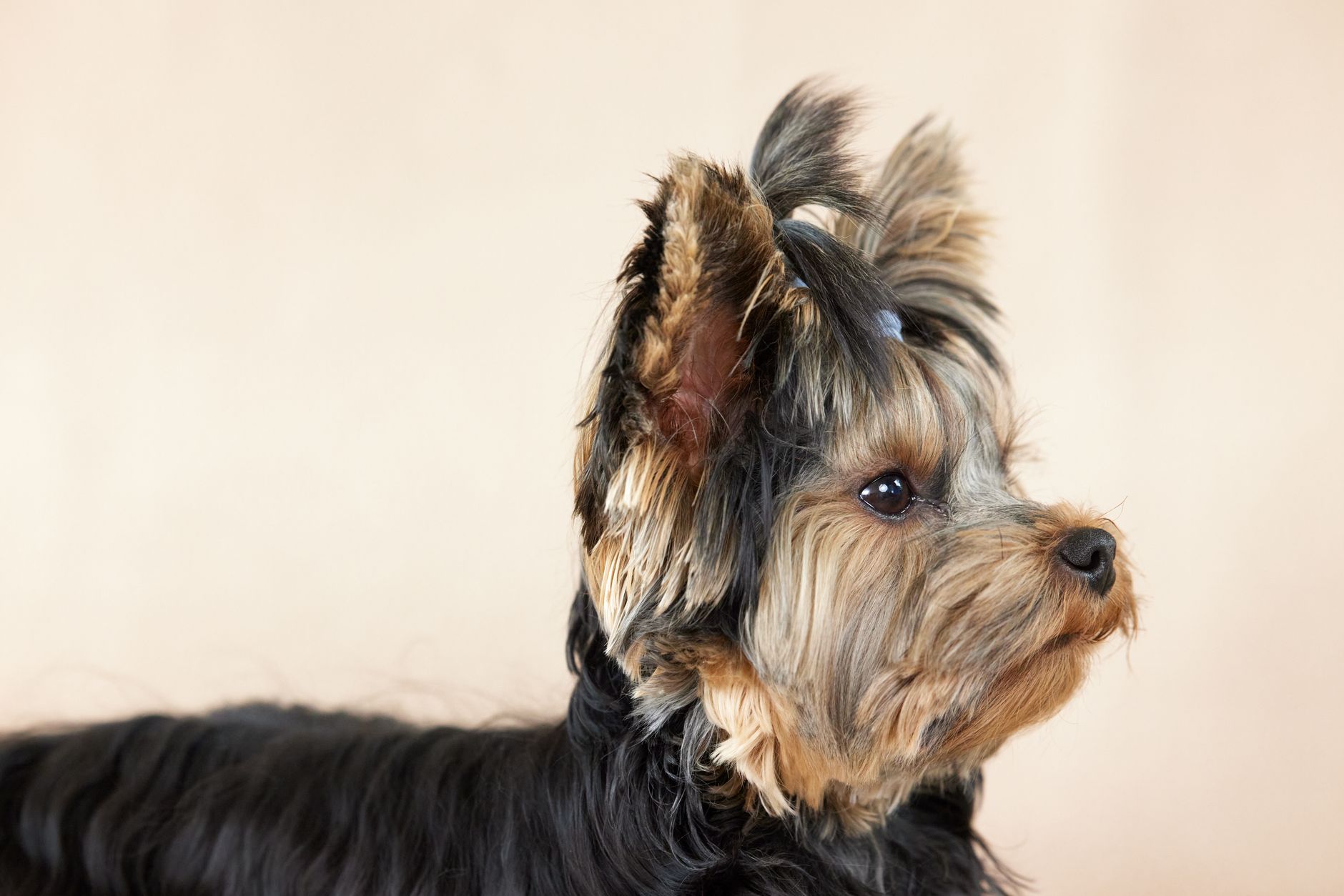
The easiest way to tell these breeds apart in my exam room is simply by lifting them onto the scale. Size and structural proportions are the primary physical distinctions between these two closely related dogs.
Yorkies are a true toy breed, designed to be ultra-compact and perfectly square in their proportions. Silkys, on the other hand, are longer than they are tall, presenting a more athletic and low-slung silhouette.
When a client brings in a dog they believe is a Yorkie, but it weighs over nine pounds and has a long back, my veterinary instincts immediately suspect a Silky.
Hill’s Science Diet Senior Adult 7+ Dry Dog Food
- ✓Antioxidants and balanced minerals for heart, kidney and bladder health
- ✓High-quality protein for lean muscle
- ✓Made in the USA
- Fewer calories and added joint support help older dogs stay lean and mobile
If you are looking at a dog and trying to determine its breed, keeping these precise physical measurements and proportions in mind is the most reliable starting point.
- Yorkshire Terrier Weight: Ideally under 7 pounds, with many pet-quality Yorkies weighing between 4 and 6 pounds.
- Silky Terrier Weight: Typically ranges reliably between 8 and 10 pounds, occasionally reaching up to 12 pounds.
- Yorkshire Terrier Height: Stands about 7 to 8 inches tall at the shoulder, with a compact, square body shape.
- Silky Terrier Height: Stands slightly taller at 9 to 10 inches, with a body length that is about one-fifth longer than their height.
- Bone Structure: Silkys have a much more robust bone structure and deeper chest cavity compared to the delicate, fine-boned Yorkie.

Coat Comparative Analysis: Texture, Length, and Color
Many clients think all blue-and-tan long-coated dogs are Yorkies, but the coat texture and growth patterns differ wildly between the two breeds. A Yorkie’s coat is incredibly fine, feeling almost like human hair when you pet them.
It grows continuously and, if left unclipped, will sweep the floor as they walk. The Silky’s coat is also single and fine, but it is noticeably denser and does not grow long enough to cover its feet.
As a vet, I notice these differences during physical exams because they dictate the types of skin issues each breed is prone to.
For instance, the denser coat of the Silky can hide skin lesions more easily than the sparse, fine hair of a Yorkie, requiring a more thorough hands-on inspection during checkups.
- Texture: Yorkie hair is perfectly straight and glossy; Silky hair is smooth and soft but has more volume and body.
- Length: Yorkie coats can reach the floor; Silky coats stop around the ankles and do not drag.
- Color Distribution: Yorkies are born black and tan, clearing to a dark steel blue on the body with gold on the head; Silkys have a lighter silver-blue or slate-blue body.
- Parting: A Yorkie coat is parted down the spine from head to tail; a Silky coat is parted from the skull down to the tail but is often styled differently around the face.
- Head Fall: Yorkie hair on the head is so long it must be tied up in a topknot; Silky head hair is shorter and naturally falls to the sides, forming a clean parting.

Facial Features: Heads, Ears, and Expressions
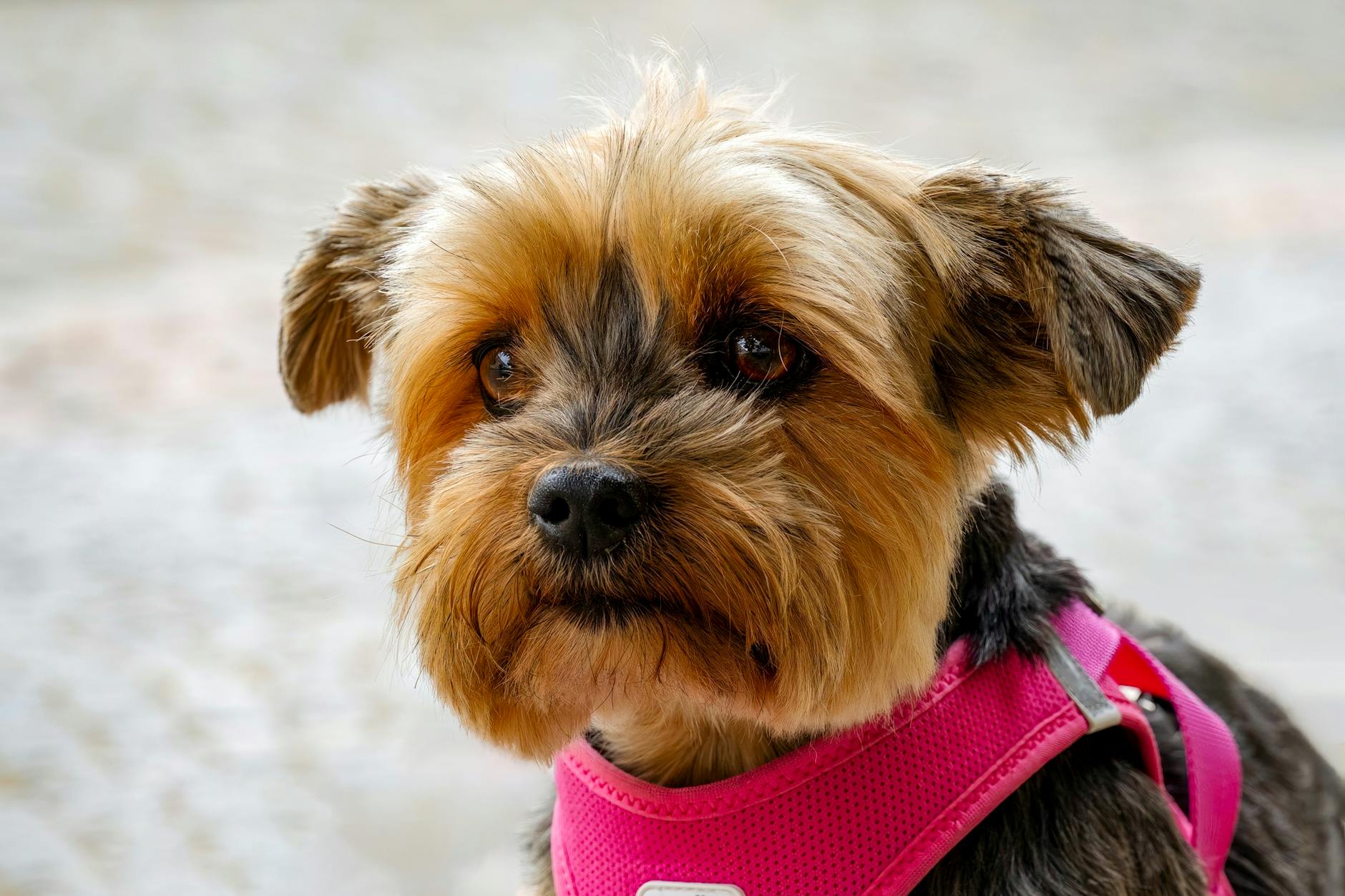
When I perform a physical exam, I spend a lot of time analyzing the head and facial structure of my patients. A Yorkie has a very distinct, sweet, almost doll-like face with a flat skull and a very short muzzle.
In contrast, the Silky Terrier has a strong, wedge-shaped head that clearly reveals its active hunting heritage. This structural difference is not just cosmetic; it has significant clinical implications.
The shortened muzzle of the Yorkie contributes to a higher incidence of dental crowding and airway issues. The Silky’s slightly longer jaw gives their teeth more room, resulting in fewer dental issues in my experience, though they still require routine dental care.
Arm & Hammer Dog Toothbrush Kit
- ✓Enzymatic toothpaste helps fight tartar
- ✓Dual-ended toothbrush plus finger brush
- ✓Banana-mint flavor
- Brushing a few times a week is the most effective way to prevent painful dental disease
- Skull Shape: Yorkies have a small, flat skull; Silkys have a moderately long, wedge-shaped skull.
- Stop: Yorkies have a gradual, subtle stop; Silkys have a highly defined, deep stop between the forehead and muzzle.
- Ear Placement: Yorkies have small, V-shaped ears set high on the head; Silkys have larger, sharply pointed, erect ears set moderately high.
- Eyes: Yorkies have medium-sized, dark, sparkling eyes looking straight ahead; Silkys have small, almond-shaped, dark eyes with a keen, piercing expression.
- Muzzle Length: Yorkies have a short, neat muzzle; Silkys have a strong, slightly longer muzzle designed for catching prey.
Temperament and Energy: The True Terrier vs. The Toy Companion
I always tell my clients that while both breeds are spirited, their energy profiles and behavioral needs are quite different. The Yorkie is a toy breed with a terrier soul, but they are generally happy to cuddle on a lap after a short walk.
They thrive on human contact and can sometimes suffer from separation anxiety if left alone too long.
The Silky, however, is a working terrier at heart and requires a much higher level of physical and mental stimulation.
They possess an intense prey drive, high intelligence, and an independent streak that requires firm, consistent boundaries. If you have a yard, a Silky will happily spend hours hunting lizards and digging, whereas a Yorkie would rather stay by your side indoors.
Training Challenges
In my years treating these dogs, I have noticed that Silkys need much more structured mental stimulation. If bored, they will find jobs to do, which often involves digging or barking at the fence.
Yorkies are highly trainable but can be stubborn, especially during housebreaking due to their tiny bladders.

Clinical Profiles: Health Concerns I See in Practice
From a veterinary perspective, these two breeds face distinct genetic health challenges that every potential owner should understand. Because Yorkies have been bred down to such a small size, they suffer from toy-dog syndromes much more frequently.
Silkys benefit from their larger, sturdier frames, but they still have their own list of hereditary health risks. In my practice, recognizing these breed-specific patterns allows me to catch warning signs early.
Whether it is a collapsing airway or a joint issue, staying proactive with annual diagnostic screenings can add years of comfort to your dog’s life. I always encourage clients to request genetic health screenings from breeders before bringing a puppy home.
- Tracheal Collapse: Extremely common in Yorkies; characterized by a honking cough when excited or pulling on a collar.
- Patellar Luxation: Both breeds can suffer from loose kneecaps, but I see it more frequently in ultra-small Yorkies.
- Portosystemic Shunts (PSS): A liver blood flow abnormality that is a known genetic concern in Yorkshire Terriers.
- Diabetes Mellitus: Silky Terriers have a statistically higher risk of developing diabetes as they age compared to Yorkies.
- Dental Disease: Due to their tiny mouths, Yorkies regularly suffer from severe tartar buildup, retained deciduous teeth, and early tooth loss.

Grooming and Skin Care Demands
I spend a significant portion of my clinic days advising clients on skin health, and both of these breeds require intense maintenance. Because their coats are single-layered and behave like human hair, they do not shed like typical double-coated dogs.
However, this means their natural skin oils easily travel down the hair shaft, leading to greasy skin, blackheads, and secondary yeast infections if they are not bathed regularly.
I frequently see dogs with severe mats that pull tightly against their skin, causing painful abrasions. Implementing a strict, clinical grooming routine is not just about looks; it is a critical component of their preventative healthcare.
- Daily Brushing: Essential for both breeds to prevent painful mats, especially in high-friction areas like the armpits and behind the ears.
- Bathing Frequency: Bathe every 2 to 3 weeks using a high-quality, soap-free veterinary shampoo and a deep conditioner to maintain coat elasticity.
- Ear Cleaning: Silkys and Yorkies have narrow ear canals that collect hair; keep them plucked and dry to prevent painful otitis externa.
- Nail Trimming: Perform every 3 to 4 weeks; active Silkys may wear their nails down naturally, but indoor Yorkies rarely do.
- Professional Styling: Unless you are committed to hours of daily brushing, ask your groomer for a ‘puppy cut’ to keep the coat short and manageable.
Practical Living: Which Breed Fits Your Lifestyle?
Choosing between a Yorkie and a Silky comes down to your daily routine, physical environment, and family structure. I always tell my clients to look past the cute faces and evaluate their actual home environment honestly.
If you live in a small apartment and want a constant lap companion, the Yorkie is often the better fit. Their small size makes them incredibly portable, and they adapt well to indoor living.
If you are an active individual who loves hiking, gardening, and has older children, the Silky is a fantastic match. They are sturdy enough to handle rough-and-tumble play and have the stamina for long outdoor adventures.
Lifespan and Senior Care Considerations
Both of these breeds are known for their impressive longevity, often living well into their mid-teens. In my clinic, I regularly treat Yorkies and Silkys that are 15 or 16 years old.
However, a long life means we must be vigilant about senior healthcare and early intervention for chronic conditions. As they age, both breeds benefit from tailored senior care plans to address cognitive decline and arthritis.
Managing their weight is critical in their senior years, as extra weight puts pressure on fragile joints and compromised airways. I recommend bi-annual senior blood work panels starting around age eight to monitor liver and kidney function closely.
- Joint Support: Introduce high-quality glucosamine and chondroitin supplements early, around age seven, to protect their cartilage.
- Cognitive Health: Keep senior dogs mentally engaged with puzzle toys and scent games to combat canine cognitive dysfunction.
- Dietary Adjustments: Transition to a senior diet with lower fat and highly digestible proteins to support aging kidneys and prevent obesity.
- Home Modifications: Use ramps or steps to help senior dogs reach beds or couches without putting stress on their joints.
- Frequent Vet Visits: Shift to twice-yearly veterinary checkups to monitor for age-related changes like cataracts, heart murmurs, and dental decay.
-
BFPETHOME Orthopedic Washable Large Dog BedSupportive foam cushions hips and joints, ideal for large, senior or dysplasia-prone dogs
-
Hertzko Self-Cleaning Slicker BrushRemoves loose hair, tangles and dirt before they become mats
-
Tractive Smart Dog GPS TrackerShows your dog’s location on your phone, a real safeguard for escape artists and dogs with a strong prey drive
Related Dog Guides
Frequently Asked Questions
Are Silky Terriers bigger than Yorkies?
Yes, Silky Terriers are noticeably larger. A standard Silky Terrier weighs between 8 to 10 pounds, whereas a healthy adult Yorkshire Terrier should ideally weigh under 7 pounds.
Do Silky Terriers bark as much as Yorkshire Terriers?
Both breeds are vocal, but they bark for different reasons. Yorkies often bark out of alarm or to seek attention, while Silkys bark due to their high prey drive and alert watchdog instincts.
Which breed is easier to housebreak?
Silky Terriers are generally easier to housebreak because they have larger bladders and a higher drive to please. Yorkies have tiny bladders, requiring more frequent trips outside and immense patience.
Do Yorkies and Silky Terriers shed?
Neither breed sheds significantly because they have single coats of hair-like fur. However, they do require daily brushing and regular bathing to prevent matting and skin infections.
Can a Yorkie and a Silky Terrier breed together?
Yes, they can breed because they are the same species, and their puppies are often called ‘Silkshire Terriers.’ However, responsible breeders keep the lines pure to maintain breed standards and predictable health profiles.
Sources & Further Reading
Final Thoughts
In my years of clinical practice, I have come to deeply appreciate the unique charm of both the Yorkshire Terrier and the Silky Terrier. While they look like twins at a distance, their differences in size, history, and temperament make them suited for very different homes.
Whether you choose the compact, devoted Yorkie or the robust, adventurous Silky, you are bringing home a dog with immense personality.
Remember to partner with a trusted veterinarian to navigate their specific developmental and physical health needs throughout their life stages.
With the right care and understanding, either breed will make a wonderful, life-enriching companion.