
 Chihuahua vs Pomeranian: Comparing Two Popular Toy Breeds” loading=”lazy”>
Quick Summary
While both Chihuahuas and Pomeranians are beloved toy breeds weighing under 10 pounds, they possess vastly different evolutionary histories, coat care demands, and genetic health profiles. Chihuahuas are ancient, single-coated Mexican companions prone to dental crowding and heart disease, while Pomeranians are double-coated Arctic descendants susceptible to alopecia and tracheal collapse. Choosing between them requires weighing grooming commitment against climate adaptability and temperament.
In my twenty years of clinical practice, few patients bring as much vibrant energy to my exam tables as Chihuahuas and Pomeranians. Clients often lump these two popular toy breeds together simply because of their tiny, under-ten-pound stature.
However, from a veterinary perspective, they are two entirely different creatures under the skin. Their genetic histories, physiological vulnerabilities, and daily care requirements could not be more distinct.
Whether you are a prospective owner or looking to better care for your current toy companion, understanding these differences is critical to their long-term health and well-being.
Key Takeaways
- Chihuahuas are ancient Mexican companions with a low-tolerance threshold for cold weather.
- Pomeranians are downsized Arctic Spitz dogs requiring intensive daily coat maintenance to prevent matting.
- Both breeds are highly susceptible to severe dental disease and require daily home brushing.
- Chihuahuas frequently suffer from patellar luxation and degenerative mitral valve disease.
- Pomeranians are genetically prone to tracheal collapse and a cosmetic skin disorder known as Alopecia X.
- Toy breed puppies of both varieties are highly vulnerable to life-threatening hypoglycemic episodes.
- Both breeds possess long lifespans, often reaching 15 to 20 years with proper clinical care.
In This Article
- Evolutionary Roots: Sacred Companions vs. Arctic Working Dogs
- Coat Maintenance and Grooming Realities
- Temperament, Socialization, and the Toy Dog Myth
- Clinical Focus: Primary Health Risks for Chihuahuas
- Clinical Focus: Primary Health Risks for Pomeranians
- The Small-Breed Mouth: Severe Dental Vulnerabilities
- Pediatric Fragility and Juvenile Hypoglycemia
- Nutritional Needs and Caloric Management
Evolutionary Roots: Sacred Companions vs. Arctic Working Dogs
Understanding the history of these breeds explains much of their modern-day behavior and physical needs in my clinic.
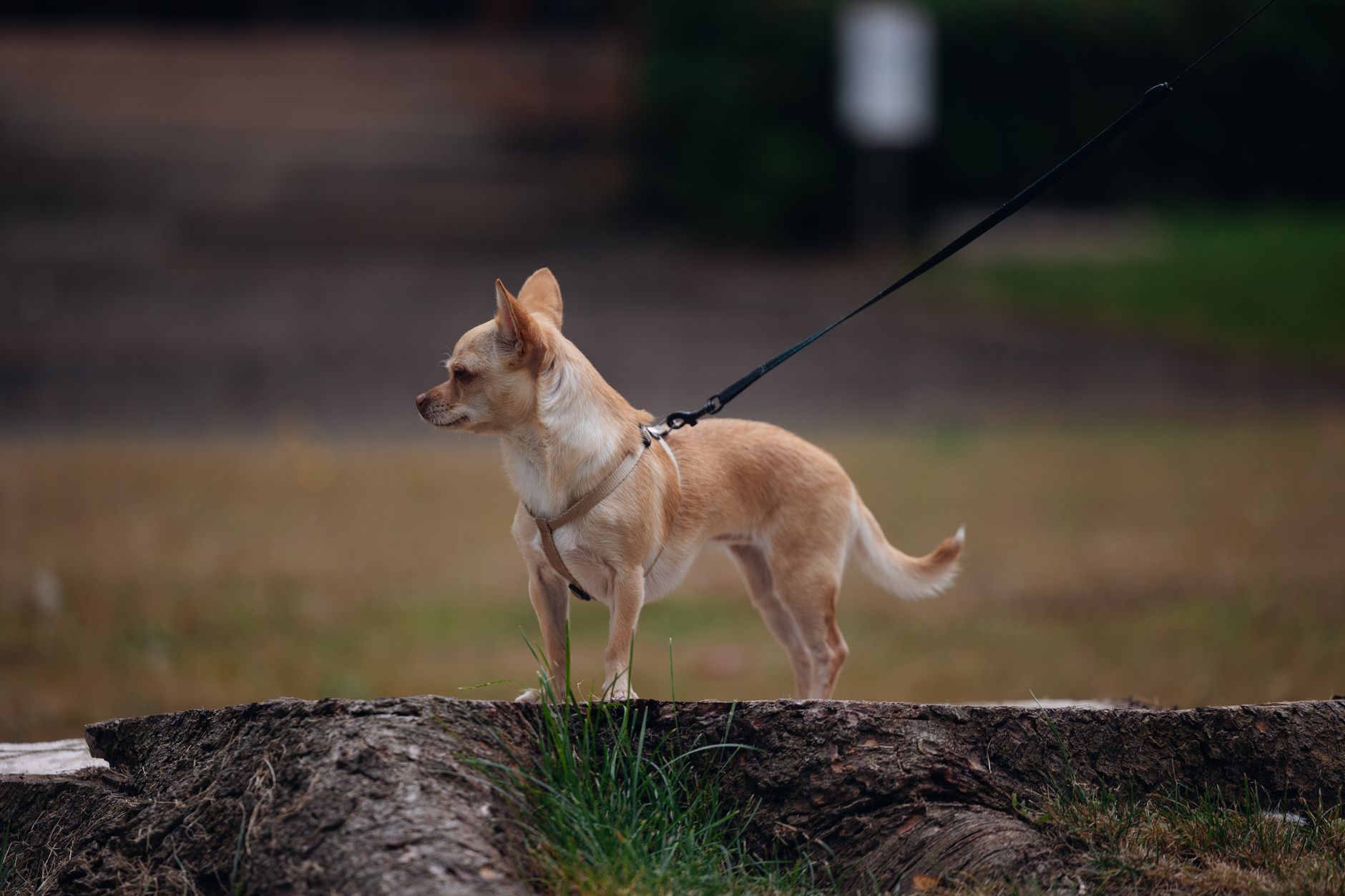
Chihuahuas trace their lineage back to the Techichi, a sacred companion dog kept by the Toltec and Aztec civilizations of ancient Mexico. Because they were bred solely for companionship in a warm climate, they lack the protective undercoat found in northern dogs.
In contrast, the Pomeranian is a Spitz-type dog originating from the snowy region of Pomerania, located in modern-day Poland and Germany. These dogs are direct descendants of much larger Arctic sledding and herding breeds.
The Chihuahua’s Warm-Climate Legacy
Because their ancestors lived in tropical climates, Chihuahuas have zero biological defense against the cold. They shiver easily to generate body heat, which is a physiological response, not just a sign of nervousness.
The Pomeranian’s Spitz Ancestry
Pomeranians retain the heavy double-coat, pricked ears, and curled tail of their sled-dog ancestors. They thrive in colder weather but struggle significantly in high heat and humidity.
Coat Maintenance and Grooming Realities
I frequently have to counsel clients on the sheer volume of grooming these dogs require. A mismatch here leads to severe skin conditions that I see far too often in my practice.
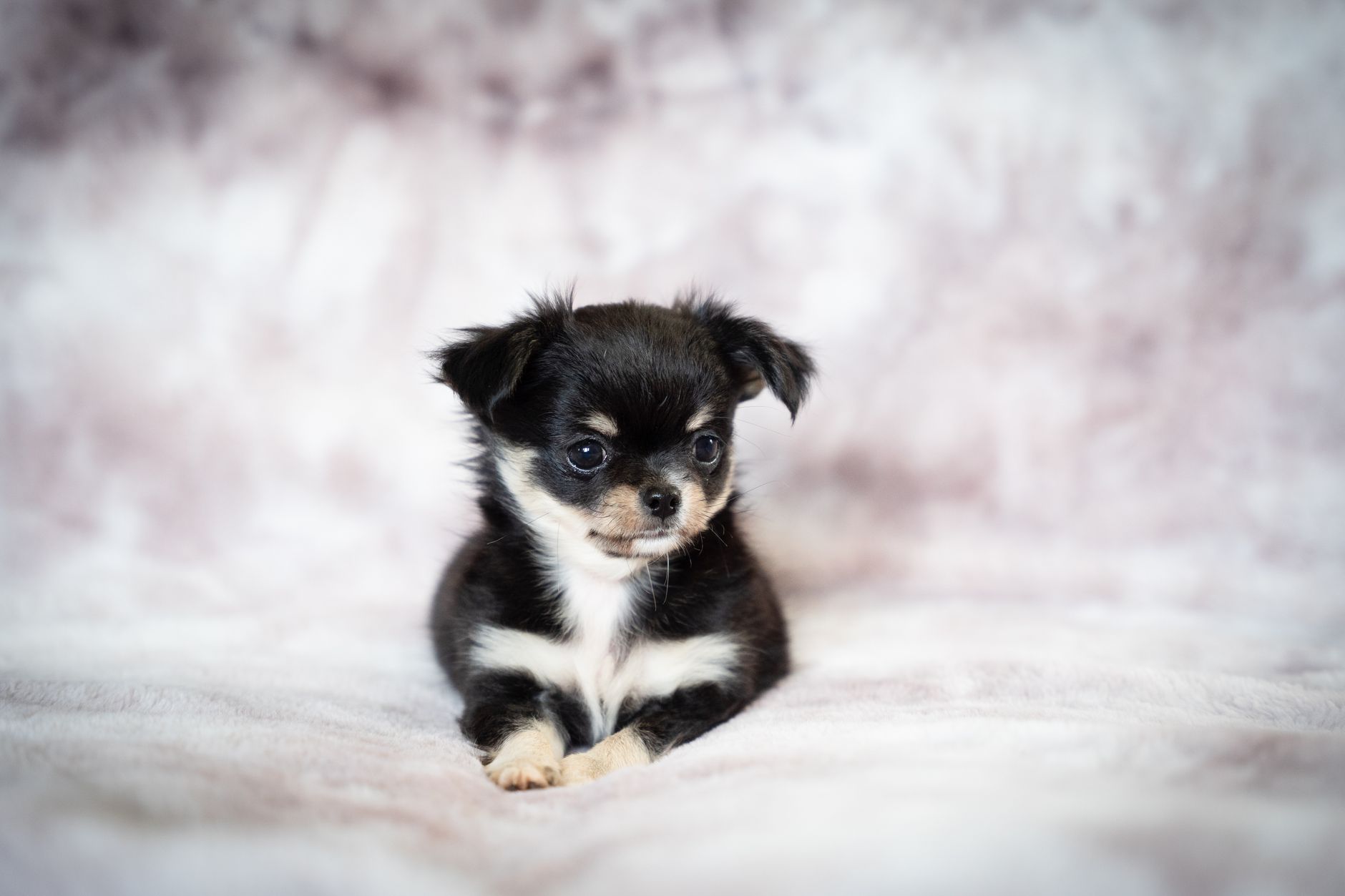
Chihuahuas come in two coat varieties: smooth and long. Smooth-coated Chihuahuas require minimal brushing, while long-coated varieties need basic weekly detangling.
Pomeranians possess a dense, harsh outer coat and a soft, thick undercoat that mats easily. Without diligent daily care, these mats can trap moisture, urine, and feces against the skin, leading to painful hot spots.
- Daily pin-brushing to the skin to prevent dense undercoat matting
- Bi-weekly bath schedule using soap-free, moisturizing canine shampoo
- Professional sanitary trims around the perianal area to prevent fecal staining
- Never shave a Pomeranian, as it can permanently damage the coat follicle structure
- Weekly deshedding sessions during the spring and autumn coat blow
Temperament, Socialization, and the Toy Dog Myth
Many people expect toy dogs to behave like inanimate stuffed animals. In reality, both of these breeds possess big, active canine personalities that require structured guidance.
Chihuahuas are famous for forming intense, exclusive bonds with a single human. This can quickly manifest as resource-guarding behavior if you do not actively socialize them from puppyhood.
Pomeranians behave like tiny, extroverted cheerleaders. They are naturally social, highly inquisitive, and possess a strong, high-pitched alarm bark that can quickly become a nuisance if left unchecked.
Managing Chihuahua Reactivity
I always urge my Chihuahua clients to avoid carrying their dogs everywhere. Allowing them to walk on their own four feet builds confidence and reduces fear-based reactivity.
Curbing Pomeranian Vocalization
Pomeranians are highly alert and will bark at every passing leaf. Early positive-reinforcement training is essential to teach them a reliable ‘quiet’ cue.

Clinical Focus: Primary Health Risks for Chihuahuas
In my years treating Chihuahuas, I have developed a keen eye for their specific genetic vulnerabilities. Knowing these signs early can save your dog’s life.
These tiny dogs are highly prone to heart conditions, specifically Myxomatous Mitral Valve Disease. Over time, the heart valves thicken, leading to a murmur and eventual congestive heart failure.
They also commonly present with patellar luxation, where the kneecap slips out of its groove, and a persistent molera, which is a soft spot on the top of the skull.
- A dry, hacking cough, especially at night or after exercise (early sign of heart disease)
- Sudden skipping or holding up of a hind leg while running (patellar luxation)
- Sensitivity to touch on the head, which can indicate a persistent molera or hydrocephalus
- Sudden fainting spells or lethargy, indicating a cardiac output deficiency

Clinical Focus: Primary Health Risks for Pomeranians
Pomeranians present their own distinct set of medical challenges in the clinic. Their issues are often a mix of structural abnormalities and endocrine-related skin disorders.
Tracheal collapse is incredibly common in Pomeranians. The cartilage rings of the windpipe weaken, causing the airway to flatten when the dog inhales or gets excited.
Pomeranians are also uniquely prone to Alopecia X, a genetic condition causing progressive, non-itchy hair loss that leaves the skin hyperpigmented.
- A harsh, honking goose-like cough triggered by excitement or collar pressure
- Symmetrical hair loss starting on the thighs and trunk, leaving the head intact
- Exercise intolerance and blue-tinged gums during bouts of coughing
- Severe dry skin and secondary bacterial infections due to loss of protective undercoat

The Small-Breed Mouth: Severe Dental Vulnerabilities
If there is one thing I wish I could scream from the rooftops, it is that both of these breeds have terrible teeth. Their tiny jaws must accommodate 42 adult teeth, leading to severe crowding.
This crowding traps food particles, hair, and bacteria. Without daily intervention, plaque hardens into tartar within 24 hours, initiating rapid periodontal disease.
I regularly extract 15 to 20 teeth from five-year-old toy dogs who have never had their teeth brushed. This is entirely preventable with consistent home care.
- Daily brushing with enzymatic canine-formulated toothpaste
- Bi-annual veterinary dental assessments starting at one year of age
- Prompt extraction of retained deciduous (baby) teeth to prevent adult misalignment
- Use of veterinary-approved dental chews that physically scrub the tooth surface
- Monitoring for bad breath, which is always a sign of active oral infection
Pediatric Fragility and Juvenile Hypoglycemia
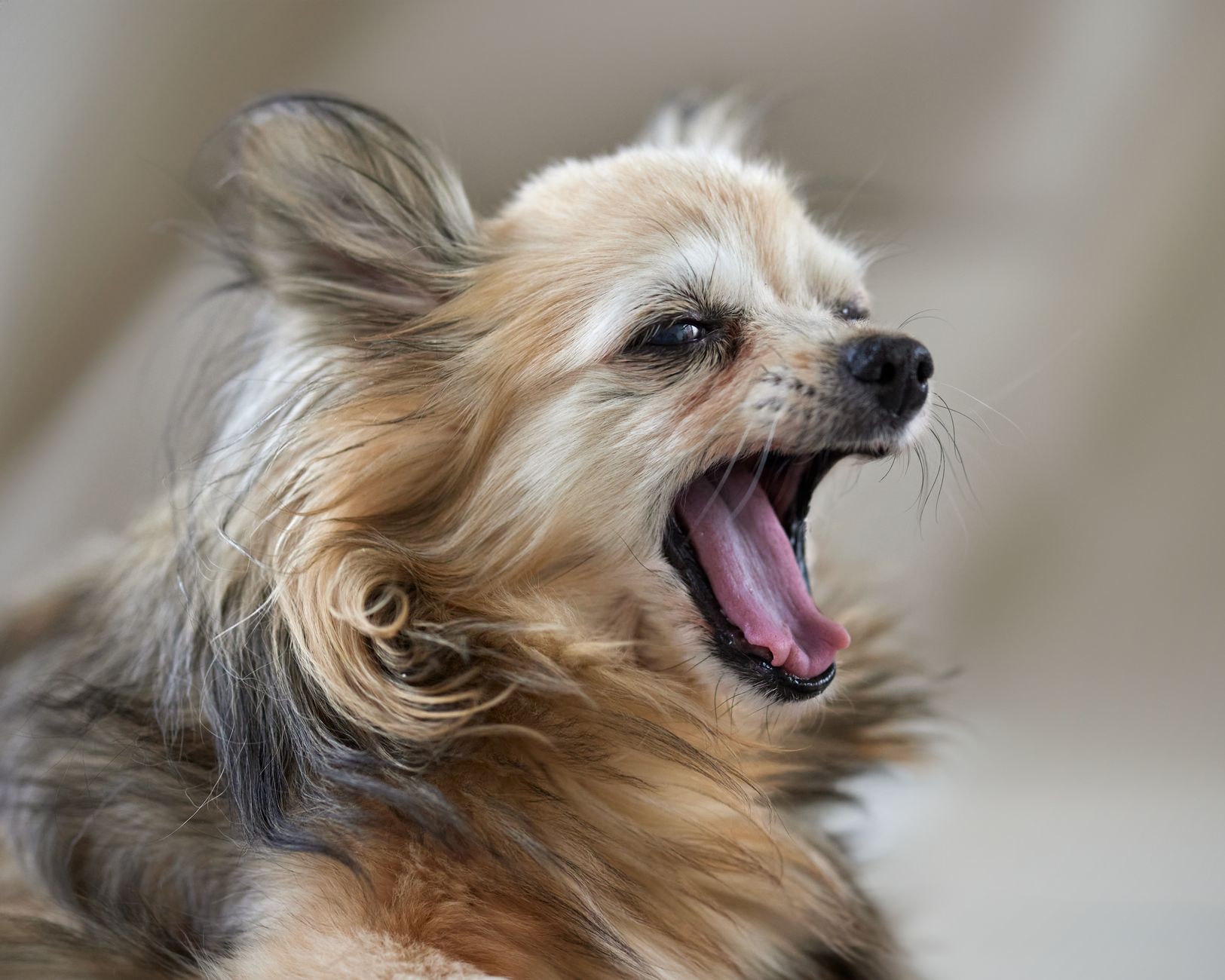
When clients bring home a new toy puppy, I always give them a stern lecture on safety and metabolism. These puppies are incredibly fragile and can crash in a matter of hours.
Because they have tiny muscles and livers, they cannot store glycogen efficiently. A missed meal, a stressful car ride, or a cold room can cause their blood sugar to drop to dangerous levels.
Additionally, their bones are no thicker than a toothpick. Jumping off a standard couch can easily fracture their front legs.
- Feed toy puppies 4 to 6 small meals a day to maintain stable glucose levels
- Keep Nutri-Cal or organic maple syrup on hand to rub on gums in an emergency
- Provide steps or ramps up to sofas and beds to prevent devastating growth plate fractures
- Supervise all interactions with larger pets and children under the age of ten
- Ensure puppy wears a harness instead of a collar to protect the delicate trachea
Nutritional Needs and Caloric Management
It is incredibly easy to accidentally overfeed a toy dog. I tell my clients to remember that one extra ounce of food to a Chihuahua is like a whole pizza to a human.
Obesity is a major problem for both breeds. It puts immense stress on their tiny joints, exacerbates patellar luxation, and makes breathing much harder for dogs with collapsing tracheas.
Because of their fast metabolisms, they require nutrient-dense kibble designed specifically for toy breeds. Avoid generic dog foods that have kibble sizes too large for their small jaws to chew safely.
- Weigh food on a digital kitchen scale rather than using a standard measuring cup
- Limit treats to no more than 10% of their total daily caloric intake
- Use low-calorie fresh vegetables like green beans as healthy training rewards
- Maintain a visible waistline and easily palpable ribs when feeling their sides
- Transition to senior formulations early (around age seven) to protect kidney function
Frequently Asked Questions
Which breed is easier to housebreak: Chihuahuas or Pomeranians?
Both breeds are notoriously difficult to housebreak due to their tiny bladders and susceptibility to cold or wet weather. Pomeranians tend to be slightly easier to train because of their eager-to-please Spitz intelligence, while Chihuahuas frequently refuse to go outside if it is raining or cold. Consistent crate training and puppy pads for inclement weather are highly recommended for both.
Can Chihuahuas and Pomeranians live in cold climates?
Pomeranians thrive in cold climates thanks to their thick, insulating double coat. Chihuahuas struggle immensely in the cold and will require sweaters, coats, and indoor heating pads to remain comfortable in winter temperatures. If you live in a very cold region, a Pomeranian is biologically much better suited to your environment.
How long do Chihuahuas and Pomeranians typically live?
Both of these toy breeds are highly long-lived compared to larger dogs. Chihuahuas regularly live 15 to 20 years with proper veterinary care and nutrition. Pomeranians have a slightly shorter but still impressive lifespan, typically living between 12 and 16 years.
Are Chihuahuas or Pomeranians better for families with young children?
Neither breed is ideal for households with very young children due to their physical fragility. A toddler can easily drop and injure these small dogs, and a frightened Chihuahua may nip in self-defense. If you have children under eight, I strongly recommend waiting or choosing a sturdier breed.
Do Pomeranians shed more than Chihuahuas?
Yes, Pomeranians shed significantly more than smooth-coated Chihuahuas. They blow their undercoat twice a year, releasing large clumps of hair, and require daily brushing to manage loose fur. Even long-haired Chihuahuas shed less than Pomeranians because they lack the extremely dense undercoat.
Why does my Chihuahua or Pomeranian make a honking noise?
This ‘honking’ noise is usually caused by either a collapsing trachea or a reverse sneeze. Reverse sneezing is common and relatively harmless, but a persistent goose-like honk during excitement or exercise suggests tracheal collapse. You must have this evaluated by your veterinarian to prevent progressive airway damage.
Sources & Further Reading
- American Kennel Club (AKC)
- Merck Veterinary Manual
- American Veterinary Medical Association (AVMA)
- PetMD
Final Thoughts
Choosing between a Chihuahua and a Pomeranian ultimately comes down to your lifestyle, climate, and how much time you can dedicate to grooming. If you want a low-maintenance coat and do not mind a dog that bonds intensely to one person, the ancient Chihuahua is a wonderful, long-lived partner.
If you prefer a highly social, fluffy companion and are willing to brush them daily, the energetic Pomeranian is a joy to own. Whichever breed you choose, remember that proactive dental care, weight management, and gentle handling are the secrets to keeping these tiny dogs healthy.
By partnering closely with your veterinarian, you can ensure your little companion enjoys a long, vibrant, and pain-free life by your side.