
 Chihuahua Care Guide: Small Dog, Big Personality” loading=”lazy”>
Quick Summary
The Chihuahua is a highly loyal, energetic toy breed with a remarkably long lifespan that requires specialized pediatric, dental, and orthopedic care. Due to their unique anatomy and fast metabolism, these tiny dogs are prone to conditions like periodontal disease, tracheal collapse, and sudden hypoglycemia. Managing these risks through early training, proper nutrition, and protective gear ensures they live a healthy life of up to twenty years.
In my years treating toy breeds, I have found that Chihuahuas are often profoundly misunderstood. Many people view them simply as fragile accessories or hyperactive lap dogs, but biologically, they are complex athletes built on a miniature scale.
What I see most often in practice is that their bold personalities can overshadow their very real physical vulnerabilities. Understanding their highly specialized medical and behavioral needs is the key to giving them a long, thriving life.
Key Takeaways
- Chihuahuas are highly prone to severe dental disease and require daily brushing and professional cleanings.
- Young Chihuahua puppies face a high risk of life-threatening hypoglycemia (low blood sugar) from missed meals or stress.
- Tracheal collapse is common in this breed, meaning they must always walk on a harness, never a neck collar.
- Their tiny bodies struggle to regulate temperature, requiring extra warmth in climates below sixty degrees Fahrenheit.
- Preventive joint care is essential to manage patellar luxation, a genetic kneecap instability common in toy breeds.
- Socialization and structured boundaries are critical to prevent fear-based aggression and ‘Small Dog Syndrome’.
In This Article
- The Unique Dental and Skull Anatomy of the Chihuahua
- Hypoglycemia: The Sudden and Silent Pediatric Threat
- Patellar Luxation and Joint Integrity
- Feeding the High-Metabolism Toy Breed
- Tracheal Collapse: Preventing the ‘Honking’ Cough
- Behavior and ‘Small Dog Syndrome’
- Thermoregulation: Why Chihuahuas Shiver
- Preventive Care for a Long, Healthy Lifespan
The Unique Dental and Skull Anatomy of the Chihuahua
Chihuahuas have the exact same number of teeth as a Great Dane, but those forty-two teeth are crowded into a tiny fraction of the skull space. This anatomical overcrowding creates tight gaps where food, plaque, and bacteria gather quickly.
In my clinical experience, I diagnose active periodontal disease in nearly ninety percent of adult Chihuahuas over the age of three. If left untreated, this oral bacteria can enter the bloodstream, causing irreversible damage to their heart valves, kidneys, and liver.
- Daily brushing with a pet-safe enzyme toothpaste is mandatory, not optional.
- Annual professional veterinary dental cleanings under anesthesia are required to clean beneath the gum line.
- VOHC-approved dental chews and water additives can help slow down plaque accumulation.
- Regular home checks are vital; look for red gums, heavy drooling, bleeding, or exceptionally bad breath.
The Molera (Open Fontanelle)
Many Chihuahuas are born with a soft spot on their skull where the parietal bones have not fully fused. While this often closes over their first year, some retain a permanent molera, leaving their brain highly vulnerable to blunt head trauma.

Hypoglycemia: The Sudden and Silent Pediatric Threat
Toy breed puppies have incredibly high metabolic rates but very small livers with limited glycogen storage capacity. If a young Chihuahua puppy misses a single meal, undergoes a stressful event, or gets too cold, their blood sugar can drop dangerously low in a matter of hours.
I always tell my clients that recognizing the early signs of hypoglycemia can literally save their puppy’s life. Left untreated, severe hypoglycemia can lead to irreversible brain damage or coma.
- Extreme lethargy, sleepiness, or a refusal to stand up or walk.
- A glassy-eyed, vacant stare or general disorientation.
- Loss of motor control, showing a wobbly, drunken gait.
- Involuntary muscle tremors, shivering, or twitching that does not stop when warmed.
- Seizures, loss of consciousness, or cold extremities in emergency stages.
Immediate Emergency Action
If your puppy shows these signs, rub a small amount of Karo syrup, maple syrup, or honey directly onto their gums. This allows the sugar to absorb instantly through the mucous membranes before you rush them to the nearest veterinary clinic.
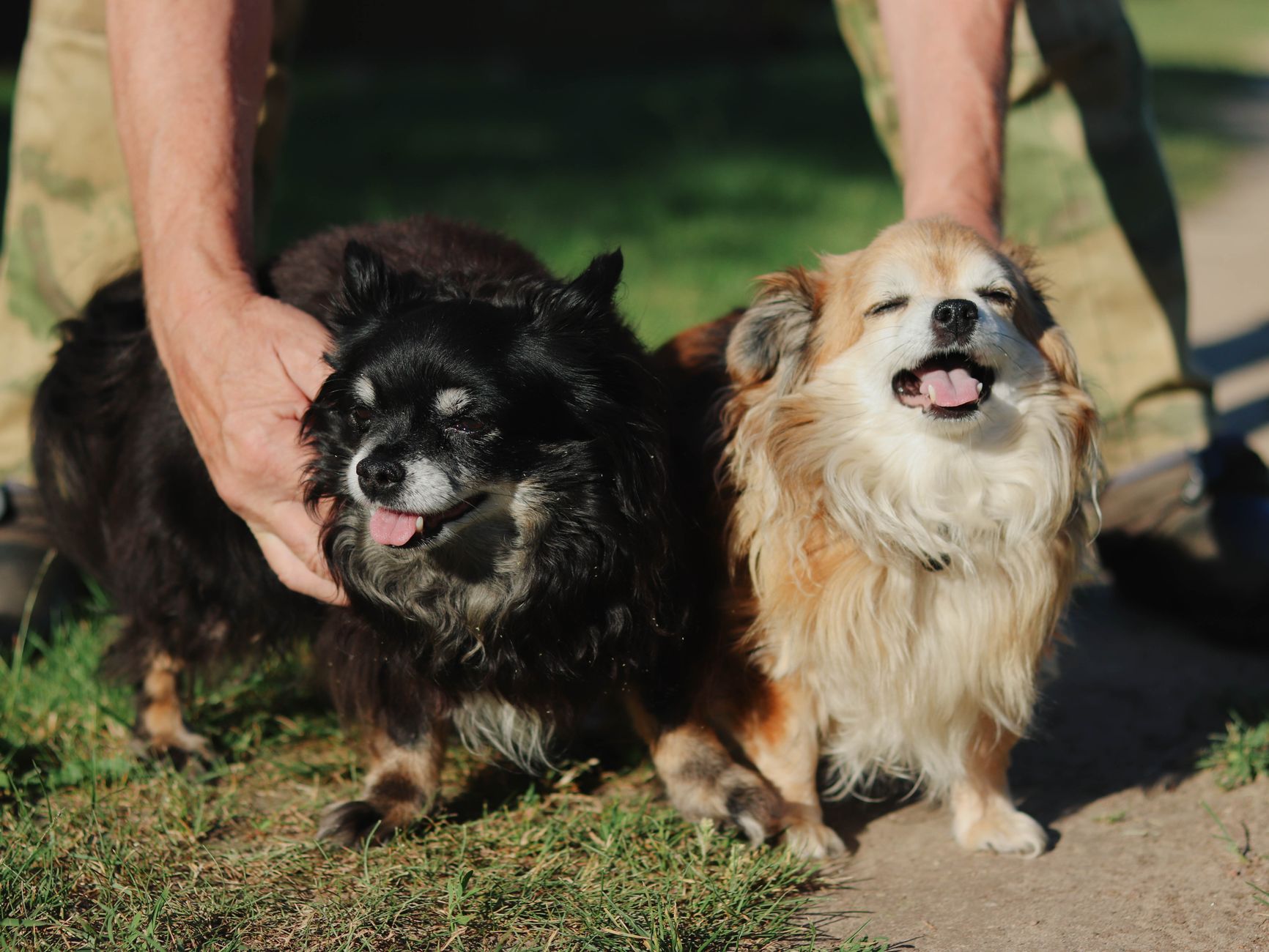
Patellar Luxation and Joint Integrity
One of the most frequent orthopedic issues I treat in small breeds is patellar luxation. This genetic condition occurs when the kneecap slips out of its normal anatomical groove on the femur, causing the leg to lock up.
Over time, this constant slipping wears away the protective joint cartilage, leading to painful, chronic osteoarthritis. Keeping your Chihuahua at a lean weight is the absolute best way to protect these delicate joints.
Understanding the Warning Signs
You may see your Chihuahua running, suddenly hold up one back leg for a few steps, and then put it down and walk normally again. This characteristic ‘skipping’ step is a classic indicator of a luxating patella.
Grading and Treatment Options
This condition is graded from Grade I (mild, occasional slipping) to Grade IV (permanently dislocated kneecap). Mild cases can often be managed with joint supplements and weight control, while severe cases require corrective surgery.
Feeding the High-Metabolism Toy Breed
Feeding a Chihuahua is a delicate balancing act. They require more calories per pound of body weight than a large-breed dog, yet their tiny stomachs can only hold a small amount of food at one time.
I frequently see well-meaning owners accidentally overfeed their pets. A single extra ounce of food for a six-pound dog is equivalent to an entire extra meal for a human, easily leading to clinical obesity.
- Feed growing puppies three to four small, nutrient-dense meals every day.
- Transition healthy adult Chihuahuas to two strictly measured meals daily.
- Use a digital kitchen scale to weigh food in grams rather than guessing with a measuring cup.
- Avoid high-fat table scraps entirely, as small dogs are highly susceptible to acute, life-threatening pancreatitis.

Tracheal Collapse: Preventing the ‘Honking’ Cough
The trachea, or windpipe, is supported by rings of cartilage that keep the airway open. In Chihuahuas, these cartilage rings can be naturally weak and prone to flattening over time, a condition known as tracheal collapse.
When the trachea flattens, air cannot flow smoothly, triggering a harsh cough that sounds exactly like a goose honk. This condition is progressive, meaning prevention and early management are critical to keeping their airway open.
- Never attach a leash to a collar; always use a properly fitted step-in harness for walks.
- Maintain a strictly smoke-free and dust-free home environment to prevent airway irritation.
- Keep your Chihuahua in a cool, air-conditioned environment during hot summer months.
- Seek veterinary care immediately if coughing spells become frequent or if their gums turn pale or blue.
Behavior and ‘Small Dog Syndrome’
Chihuahuas are incredibly intelligent, fiercely loyal, and naturally brave. However, because they are small, owners often allow bad behaviors—like growling, snapping, or resource guarding—that they would never tolerate in a large dog.
This lack of consistent boundaries leads to what we call ‘Small Dog Syndrome.’ It is not an inherent breed trait, but rather a manifestation of fear and insecurity caused by a lack of proper training.
Early, Controlled Socialization
Expose your puppy to a wide variety of people, sounds, and vaccinated dogs before sixteen weeks of age. This builds natural confidence and prevents defensive, fear-based aggression later in life.
Positive Reinforcement Training
Use tiny, low-calorie training treats to teach basic commands like ‘sit,’ ‘stay,’ and ‘leave it.’ This mental stimulation prevents boredom and establishes clear communication between you and your dog.
Thermoregulation: Why Chihuahuas Shiver
If you have ever owned a Chihuahua, you know they are professional sun-bathers and frequent blanket-burrowers. Their tiny body mass, lack of an insulating undercoat, and high surface-area-to-volume ratio make them highly vulnerable to the cold.
When a Chihuahua shivers, it is often a physiological attempt to raise their core body temperature. However, shivering can also be a sign of stress, intense excitement, or underlying physical pain.
- Dress your dog in a fleece or sweater when indoor or outdoor temperatures drop below sixty degrees.
- Limit winter bathroom breaks to quick, efficient trips outdoors.
- Provide heated pet beds or safe, self-warming blankets inside your home.
- Never leave your Chihuahua unattended in a cold car, drafty room, or damp area.
Preventive Care for a Long, Healthy Lifespan
With proper veterinary care, Chihuahuas are among the longest-living dog breeds, frequently reaching fifteen to twenty years of age. Achieving this milestone requires a proactive approach to their health.
In my practice, I advocate for semi-annual wellness exams for senior Chihuahuas over the age of eight. This allows us to catch age-related conditions early, ensuring their golden years are comfortable and pain-free.
Screening for Heart Disease
Mitral valve disease is highly prevalent in older Chihuahuas. Regular chest auscultation by your vet can detect murmurs early, allowing for timely medication that can delay heart failure.
Tailored Vaccine Schedules
Toy breeds can sometimes be more sensitive to multiple vaccines given at once. Talk to your vet about spacing out required immunizations to minimize the risk of mild allergic reactions.
Frequently Asked Questions
How often should I clean my Chihuahua’s teeth?
Why is my Chihuahua coughing like a goose?
How do I know if my Chihuahua is too cold?
What is a ‘molera’ and is it dangerous?
Are Chihuahuas difficult to housebreak?
How much exercise does a Chihuahua actually need?
Sources & Further Reading
- American Kennel Club (AKC)
- American Veterinary Medical Association (AVMA)
- Merck Veterinary Manual
- PetMD
Final Thoughts
Caring for a Chihuahua requires a deep appreciation of their unique toy-breed physiology. By staying vigilant about their dental health, protecting their delicate airways with harnesses, and managing their body temperature, you can prevent the most common health pitfalls of this breed.
While they may be small in physical stature, their fierce loyalty and enormous personalities make them incredibly rewarding companions. With a proactive veterinary partner and consistent, loving boundaries at home, your Chihuahua can easily remain a vibrant part of your family for up to two decades.