
French Bulldog Heat Safety: Keeping a Flat-Faced Dog Cool in Summer
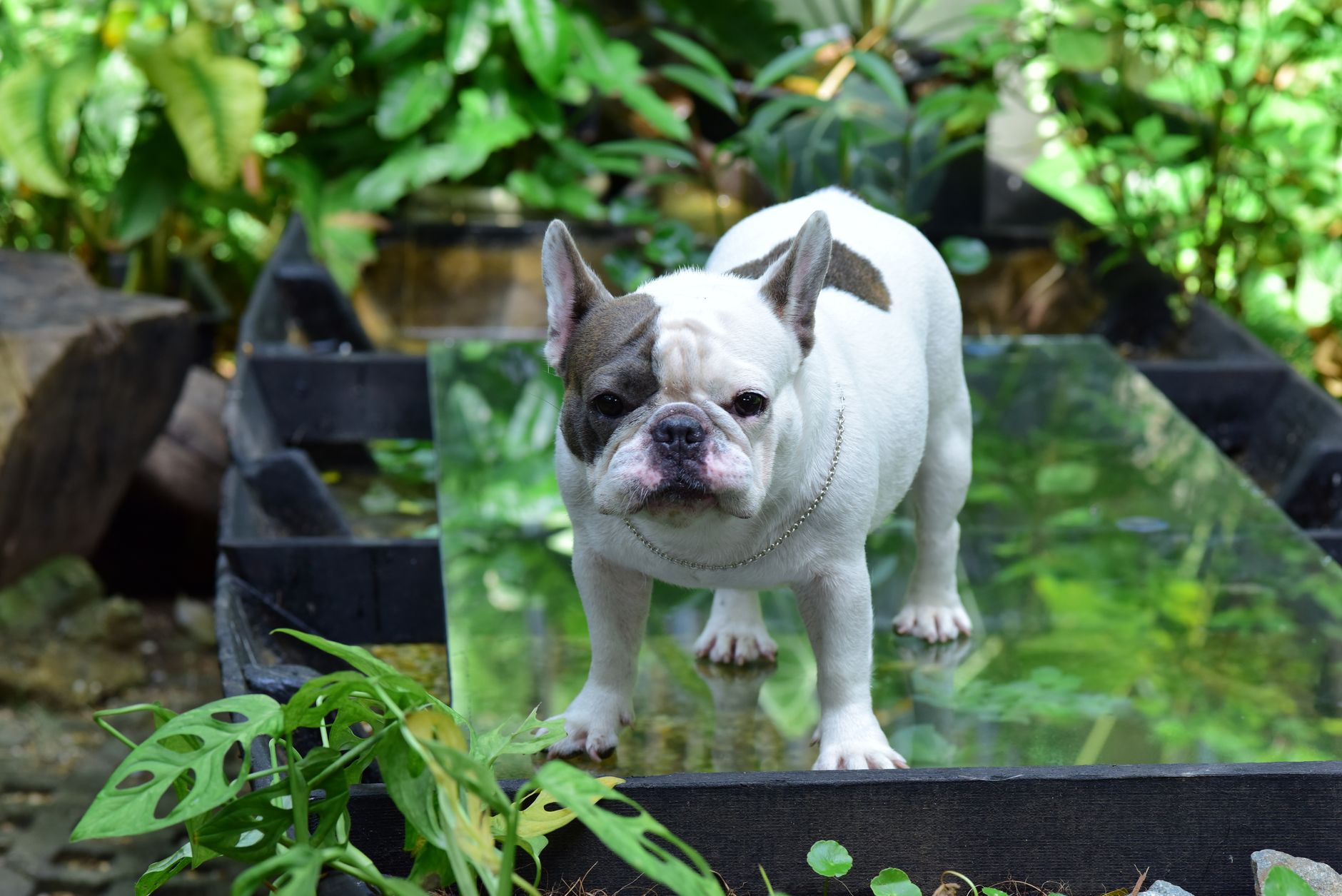 French Bulldog Heat Safety: Keeping a Flat-Faced Dog Cool in Summer” loading=”lazy”>
Quick Summary
French Bulldogs are highly susceptible to life-threatening heatstroke due to their brachycephalic anatomy, which limits their ability to cool down through panting. To keep them safe, owners must avoid outdoor activity when temperature and humidity combined exceed 150, provide active indoor air conditioning, and recognize early signs of respiratory distress. Immediate first aid—using cool water, not ice—can save a flat-faced dog’s life before reaching the veterinary clinic.
As an Amazon Associate, we earn from qualifying purchases.
Popular with dog owners: Dog Cooling Mat · Dog Harness · Pet Water Fountain
In my years treating dogs with brachycephalic airway syndrome, summer is always the busiest and most stressful season in our clinic. I have seen far too many flat-faced dogs rushed through our doors in acute respiratory distress because their owners did not realize how fast they can overheat.
French Bulldogs cannot cool themselves like normal dogs, and a warm day that feels pleasant to you can easily be fatal to them. Understanding their unique physical limits is the first and most critical step in saving your dog’s life.
Key Takeaways
- French Bulldogs are anatomically compromised, making panting a highly inefficient cooling method.
- The ‘Rule of 150’ (temperature + humidity) is a reliable guide to determine safe outdoor activity.
- Traditional neck collars should be replaced with a harness to avoid windpipe compression during hot weather.
- Household fans do not cool dogs down; active air conditioning is required to prevent indoor overheating.
- Never use ice-cold water to cool an overheating dog, as it restricts blood vessels and traps internal heat.
- Airway evaluation surgery (BOAS surgery) can dramatically improve a Frenchie’s heat tolerance and quality of life.
In This Article
- The Brachycephalic Anatomy: Why Frenchies Struggle in the Heat
- Recognizing the Warning Signs of Overheating
- The Danger Zone: Understanding Temperature and Humidity
- Essential Summer Walk Rules for Frenchies
- Keeping Your Frenchie Cool Indoors
- Emergency First Aid: How to Save Your Overheating Frenchie
- Hydration Hacks and Safe Summer Treats
- Long-Term Medical Management for High-Risk Frenchies
The Brachycephalic Anatomy: Why Frenchies Struggle in the Heat
In my years treating dogs with BOAS, I have found that anatomy is destiny when it comes to heat tolerance. French Bulldogs are bred to have highly compressed facial structures, which severely compromises their upper respiratory tract.
This flat-faced design is directly responsible for their inability to cool themselves efficiently.
Unlike humans who sweat, dogs rely almost entirely on the movement of air over the wet surfaces of their nasal passages and tongue. When a Frenchie pants, the air cannot pass smoothly through their crowded airways.
This means the cooling process of evaporation is highly restricted.
What I see most often in practice is that owners assume their dog can tolerate heat just because they are energetic. In reality, their bodies are working twice as hard just to draw a single breath of warm air.
This structural disadvantage is why Frenchies can succumb to heatstroke in minutes.
Stenotic Nares
Stenotic nares are pinched or narrow nostrils that restrict airflow. Imagine trying to run a marathon while breathing only through a pinched straw.
Elongated Soft Palate
The soft palate is the tissue at the roof of the mouth. In Frenchies, this tissue is often too long, dangling into the airway and physically blocking the flow of oxygen.
Rywell Dog Cooling Mat 2.0, 44 x 32 in
- ✓Color shifts as it absorbs your dog’s heat
- ✓Chew-resistant, reinforced stitching
- ✓Large 44 x 32 inch size
- Pressure-activated cooling helps dogs that struggle in the heat stay comfortable on warm days

Recognizing the Warning Signs of Overheating
I always tell my clients that recognizing the early signs of heat distress is a critical lifesaving skill. With a Frenchie, you cannot afford to wait until they collapse before taking action.
The transition from minor heat stress to fatal heatstroke happens incredibly fast in this breed.
You must learn to look and listen closely to your dog during warm weather. Normal dog panting is quiet and rhythmic, but a Frenchie in distress sounds entirely different.
Their panting becomes loud, raspy, and may sound like a desperate roaring noise.
Additionally, look at the physical appearance of their mouth and tongue. Healthy gums should be a soft, light pink color.
If you see dark red, purple, or blue tissues, your dog’s organs are starved for oxygen.
- Heavy, loud panting that sounds like dry, raspy roaring
- Thick, pasty saliva or white foaming at the corners of the mouth
- Dark red, purple, or blue gums and tongue
- Wide, panicked eyes and a reluctance to walk or move
- Vomiting, diarrhea, or sudden instability on their legs
The Danger Zone: Understanding Temperature and Humidity
Many owners are surprised to learn that ambient air temperature is only half of the equation. High humidity is a silent killer for flat-faced dogs because it halts their ability to cool down.
When the air is saturated with moisture, panting loses its evaporative power completely.
I advise my clients to use the ‘Rule of 150’ as a simple mathematical safety test. Add the temperature in Fahrenheit to the relative humidity percentage.
If the sum of these two numbers exceeds 150, your Frenchie must remain indoors.
For example, a seventy-five-degree day with eighty percent humidity equals 155, which is highly dangerous. Under these conditions, limit outdoor exposure to quick bathroom breaks only.
- Temp + Humidity over 150: Extreme danger for flat-faced breeds
- Temp over 80 degrees: Strict indoor confinement with active air conditioning
- Temp between 75 and 80 degrees: Exercise only during early morning or late evening
- The Five-Second Test: If asphalt is too hot for your hand, it will blister paws

Essential Summer Walk Rules for Frenchies
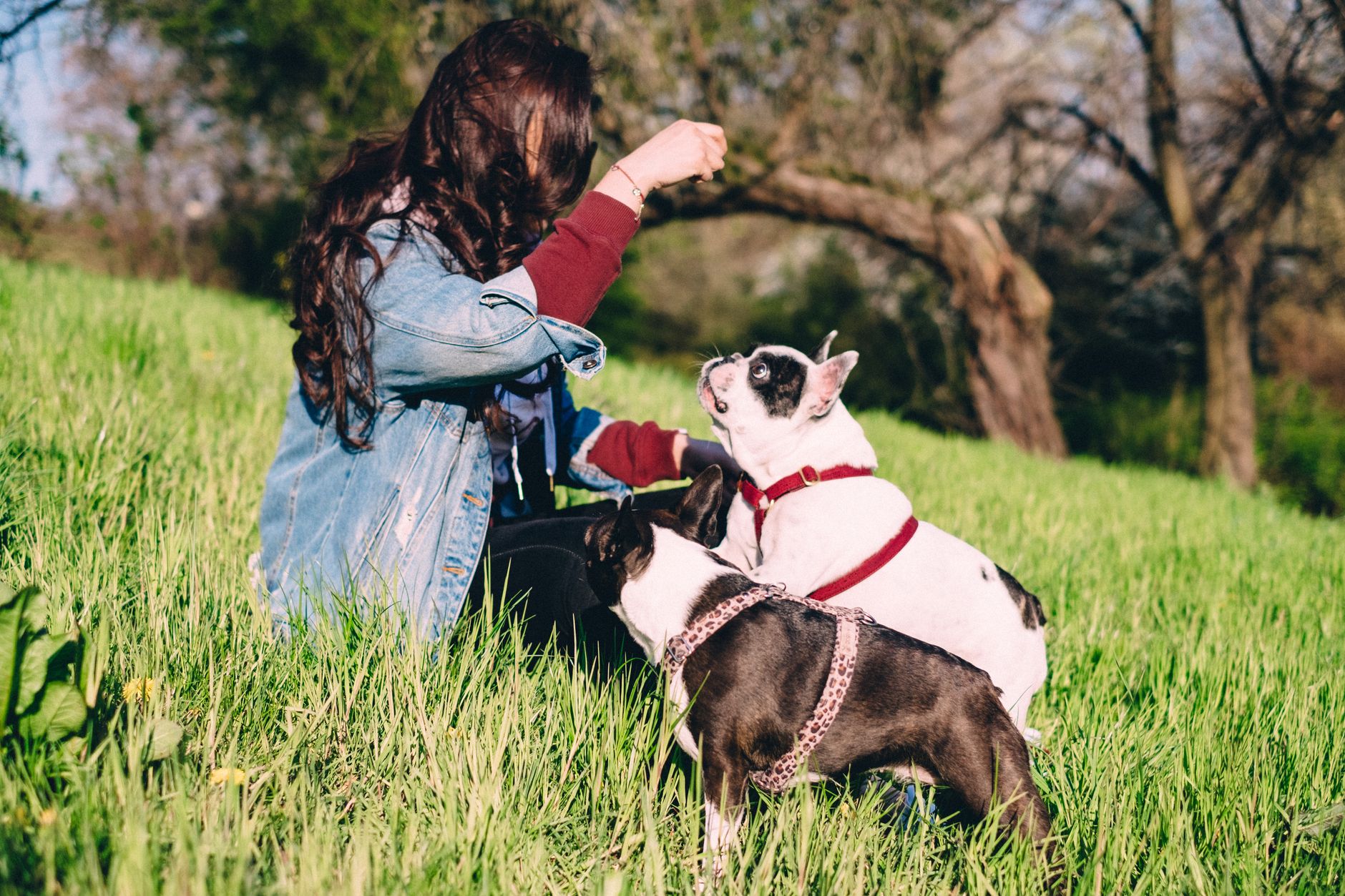
Adjusting your walking routine is non-negotiable during the summer months. I always insist that my clients ditch traditional collars and switch to a supportive harness.
Collars press directly against the windpipe, which can trigger airway collapse in a panting Frenchie.
The Green Pet Shop Self-Cooling Pet Pad
- ✓Pressure-activated cooling gel
- ✓No water, electricity or freezing needed
- ✓Recharges automatically when not in use
- Helps flat-faced and thick-coated pets stay comfortable in the heat
- Use it on the floor, in a crate or in the car
Plan your outings around the sun’s schedule to avoid the hottest hours of the day. Sunrise and late evening are the only safe times for outdoor exercise.
Even then, you must keep the physical exertion to an absolute minimum.
I also tell owners to perform the asphalt test before letting their dog step outside. Place the back of your hand on the pavement for five full seconds.
If it is too hot for your skin, it will blister your dog’s sensitive paw pads.
- Walk only during the coolest parts of the day, specifically sunrise or late dusk
- Carry a cold bottle of water and a portable bowl on every single walk
- Choose shady, grassy routes rather than hot concrete or asphalt streets
- Keep walks under ten minutes when temperatures exceed seventy-five degrees
Keeping Your Frenchie Cool Indoors
Do not make the mistake of assuming your Frenchie is safe just because they are inside. I have treated several heartbreaking cases where home cooling systems failed while owners were away.
Ensuring your indoor environment is secure and cool is a primary responsibility.
It is important to understand that standard household fans do not cool a dog down. Fans rely on sweat evaporation to cool human skin, which does not work on a dog’s fur-covered body.
Your home must have active, functioning air conditioning during hot spells.
I recommend setting your thermostat to seventy-two degrees Fahrenheit or lower. Keep your blinds closed during the afternoon to block intense sunlight from warming up your living spaces.
- Keep the home air conditioner set to seventy-two degrees or lower
- Provide pressurized gel cooling mats in their favorite sleeping spots
- Close blinds and curtains during the peak hours of sunlight to block radiant heat
- Ensure multiple water bowls are filled with fresh, cool water daily

Emergency First Aid: How to Save Your Overheating Frenchie
If your Frenchie begins to overheat, your immediate response can save their life. Many owners panic and make critical mistakes that can worsen the dog’s condition.
The golden rule is to cool the dog down gradually before you transport them.
Never submerge your dog in ice-cold water or apply ice packs directly to their skin. This sudden temperature drop causes their surface blood vessels to constrict rapidly.
This trapping of heat inside their core organs can lead to rapid organ failure.
Instead, use tepid or cool water and apply it gently to their underbelly and paws. Keep a fan blowing directly over them to mimic the evaporative cooling process they desperately need.
- Move the dog into an air-conditioned room or directly in front of a fan
- Pour tepid or cool water over their body, focusing on the groin, armpits, and neck
- Place wet, cool towels under them, but do not drape wet towels over them
- Offer cool water to drink, but never force water down their throat if they are struggling
The Golden Rule of Triage
Cool the dog first, then transport them immediately to the nearest veterinary hospital. Call the clinic on your way so they can prepare an oxygen cage and cold IV fluids.
Hydration Hacks and Safe Summer Treats
Hydration is another crucial element in preventing heat-related emergencies. However, many flat-faced dogs are notoriously sloppy or reluctant drinkers due to their throat anatomy.
You must find creative ways to encourage them to take in fluids.
I often suggest adding water directly to their meals to create a hydrating broth. This ensures they receive adequate hydration without having to gulp air while drinking from a bowl.
Gulping air can cause painful gas or lead to dangerous stomach bloat.
You can also offer healthy, water-rich treats that double as cooling mechanisms. Simple, vet-approved ingredients can be frozen into delicious snacks that keep them occupied and hydrated simultaneously.
- Freeze pet-safe bone broth or coconut water into ice cubes for a hydrating treat
- Add warm water to dry kibble to create a gravy that increases fluid intake
- Offer frozen wet food stuffed inside a rubber toy to slow down their eating and cool them
- Avoid sugary treats or human ice creams, which can upset their sensitive stomachs
Long-Term Medical Management for High-Risk Frenchies
For some French Bulldogs, lifestyle adjustments are not enough to keep them safe in summer. If your dog struggles to breathe even in mild weather, they may need surgical correction.
These procedures are designed to physically open up their restricted airways.
I frequently recommend evaluating young Frenchies for airway widening surgeries. Opening their nostrils and shortening an elongated palate can dramatically improve their quality of life.
It allows them to pant effectively and survive warmer climates.
Additionally, maintaining a lean body weight is absolutely vital for their survival. Every extra ounce of fat acts as insulating blankets and puts pressure on their windpipe, making breathing much harder.
- Schedule a BOAS evaluation with your veterinarian before the summer heat hits
- Maintain an ideal body weight, as excess fat acts as insulation and worsens breathing
- Discuss anti-inflammatory or mild sedative medications for highly anxious, panting dogs
- Consider a professional allergy treatment plan to prevent seasonal airway swelling
-
IVY&LANE No-Pull Small Dog Harness SetSpreads pressure across the chest instead of the neck, which is safer for small and flat-faced breeds
-
Veken 95oz Pet Water FountainMoving, filtered water encourages pets to drink more, which supports kidney and urinary health
-
AMZNOVA Dog Treat PouchA clip-on treat pouch keeps rewards at hand so you can mark good behaviour instantly
Related Dog Guides
Frequently Asked Questions
What temperature is too hot for a French Bulldog?
Generally, any temperature above seventy-five degrees Fahrenheit with moderate humidity is considered dangerous for French Bulldogs. If the combined sum of the temperature and relative humidity percentage is over 150, your dog should remain indoors in the air conditioning.
Can I use a fan to keep my Frenchie cool?
No, household fans are not sufficient to cool a Frenchie. Dogs do not sweat through their skin like humans, so moving warm air over their fur does not lower their core temperature; they require active air conditioning to stay safe.
How long does it take for a Frenchie to get heatstroke?
A French Bulldog can experience severe heat distress or heatstroke in as little as ten to fifteen minutes under extreme heat or high humidity. Because of their compromised airways, their internal temperature climbs much faster than other breeds.
Why does my Frenchie pant so loudly in summer?
Loud, raspy panting indicates that your Frenchie’s airways are struggling to process oxygen and regulate their body temperature. This is a sign of Brachycephalic Obstructive Airway Syndrome (BOAS) and means your dog is working too hard to breathe.
What should I do if my Frenchie collapses in the heat?
If your Frenchie collapses, immediately move them to a cool, shaded area and begin pouring cool water over their body. Do not use ice water, and transport them to the nearest emergency veterinary hospital immediately after starting the cooling process.
Is swimming safe for French Bulldogs in summer?
Swimming is generally unsafe for French Bulldogs because their heavy bones and short snouts make them poor swimmers. While wading in a shallow splash pool under close supervision can help them cool down, they must never be left unattended near water.
Sources & Further Reading
Final Thoughts
Caring for a French Bulldog in the summer requires constant vigilance, but it is entirely manageable when you understand their limits. As a veterinarian, my goal is always prevention rather than emergency treatment.
By modifying their routine, monitoring temperatures, and knowing the warning signs, you can protect your companion from silent dangers.
Never hesitate to contact your vet clinic if you suspect your Frenchie is struggling. With the right care and proactive measures, you can enjoy a safe, happy, and cool summer together.