
Birman Breed Guide

Quick Summary
The Birman is a gentle, blue-eyed companion legendary for its silky single coat and pure white ‘gloves’. They offer the perfect balance of affectionate cuddles and quiet playfulness, making them an exceptional choice for families, retirees, and multi-pet households.
Quick Facts
- origin countryMyanmar (Burma), developed in France
- breed groupPointed (Semi-Longhair)
- sizeMedium to Large
- weight range6 to 12 pounds for females, 10 to 15 pounds for males
- height range8 to 10 inches
- lifespan12 to 16 years
- coat typeSemi-long, silky single coat
- common colorsSeal, Blue, Chocolate, Lilac, Red, Cream, and Tortoiseshell points, always with white gloves on the paws
- other namesSacred Cat of Burma, Sacre de Birmanie
- recognized byCFA, TICA, FIFe, GCCF, ACFA
Caring for a Birman
Living with a Birman is an absolute joy because of their easygoing, highly adaptable nature. Unlike some high-energy breeds, they won’t swing from your curtains, but they will follow you from room to room to participate in your day. I find their semi-long coat surprisingly simple to maintain because they lack a dense undercoat, meaning fewer mats and less vacuuming for you. Their social appetite is high, so they do best when they aren’t left entirely alone for long stretches.
Is a Birman a good family pet?
Yes, Birmans are world-class family cats who thrive on gentle human interaction. In my experience, they are highly patient with respectful children and prefer to join in on family activities rather than hide away.
Do Birmans shed a lot?
While they have a luxurious semi-long coat, they actually shed moderately compared to other long-haired breeds. Because they lack a thick undercoat, a thorough twice-weekly brushing is usually all it takes to keep shedding under control.
Is a Birman good for first-time owners?
Absolutely, I frequently recommend Birmans to beginners because of their forgiving, docile temperament. They lack the demanding attitude of some Oriental breeds and the intense grooming requirements of Persians, making them highly manageable.
Temperament & Personality
Birmans possess a calm, sweet-tempered personality that immediately puts visitors at ease. They are deeply affectionate without being overly clingy, often greeting you at the door with soft, melodic chirps rather than loud demands. I’ve noticed they have a unique way of ‘helping’ with tasks, whether that’s sitting on your paperwork or watching you fold laundry. They are peace-seekers who prefer a harmonious, stable home environment.
Is a Birman good with other pets?
Yes, they are incredibly social and typically welcome the company of other cats and cat-friendly dogs. In my years of matches, I’ve found they prefer to make friends rather than fight for dominance, provided introductions are handled slowly.
How much attention does a Birman need?
While not aggressively demanding, Birmans genuinely crave companionship and don’t do well as solitary outdoor-only or isolated indoor cats. If you work long hours, I highly suggest getting them a feline companion to prevent loneliness.
Training & Behavior
Birmans are highly intelligent and eager to please, which makes them surprisingly trainable for a cat. They respond beautifully to positive reinforcement and love the mental stimulation of learning new things. I’ve seen them master tricks like retrieving toys and walking on harnesses much quicker than most owners expect.
Training Tips
- Use high-value lickable treats
- Keep sessions short (3-5 minutes)
- Incorporate clicker training early
- Never use physical or verbal discipline
Fun Activities
- Interactive feather wand play
- Scent work with catnip toys
- Puzzle feeder challenges
- Harness walking in quiet yards
Is a Birman easy to train?
Yes, compared to many cat breeds, they are quite cooperative and receptive to training. Their desire to be near you means they will happily participate in training games if you make it a rewarding bonding experience.
Birman Health Issues
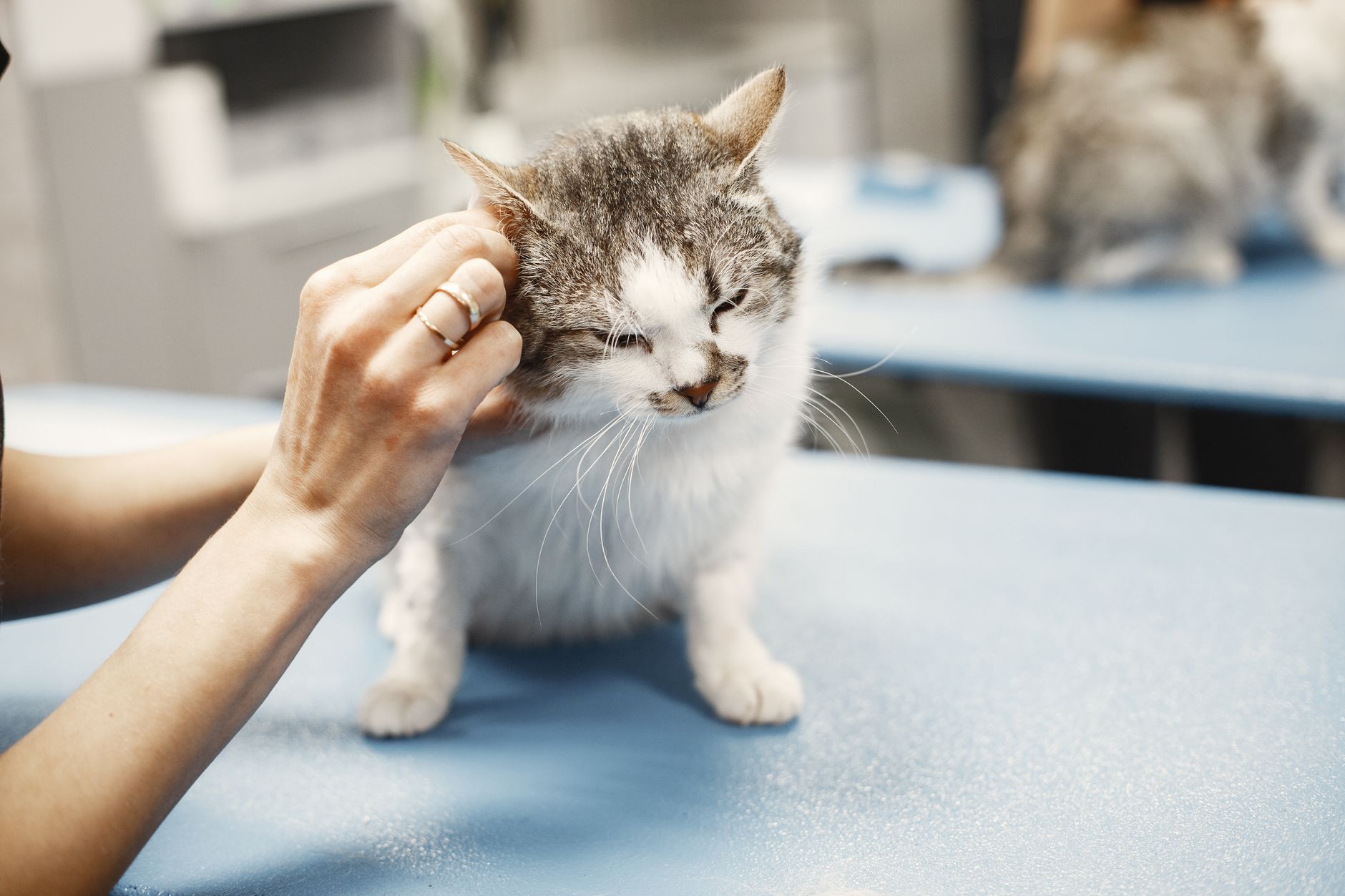
Generally, Birmans are a robust and long-lived breed, but they do have a few hereditary vulnerabilities that owners should monitor closely. Working with a breeder who performs genetic screening is your first line of defense, but regular vet checkups are essential.
Hypertrophic Cardiomyopathy (HCM)
The most common form of heart disease in cats, characterized by the thickening of the heart walls, which can lead to heart failure or blood clots.
Polycystic Kidney Disease (PKD)
A slow-progressing, inherited condition where fluid-filled cysts form in the kidneys, eventually crowding out healthy tissue and leading to renal failure.
Corneal Dermoids
A congenital defect where skin, hair, or fat tissues grow on the surface of the cornea, causing continuous irritation and potential vision impairment.
Neonatal Erythrolysis
A life-threatening condition in newborn kittens where the mother’s antibodies (often Type B blood) attack the kitten’s red blood cells (Type A blood) through her colostrum.
How long do Birmans typically live?
With high-quality nutrition, regular veterinary care, and an indoor lifestyle, Birmans routinely live between 12 and 16 years. Some well-cared-for individuals can even reach 18 to 20 years of age.
What to Feed a Birman
Birmans are notoriously enthusiastic eaters, which makes them prone to middle-age weight gain if their diet isn’t carefully managed. I always emphasize nutritional balance and strict portion control to protect their joints.
Best Diet
A diet high in animal protein and moisture is best, preferably a mix of premium canned wet food and high-quality dry kibble. Formulations that support urinary tract health are highly recommended, especially as they age.
How to Feed
I strongly advise against ‘free-feeding’ dry kibble, which easily leads to obesity. Instead, establish a schedule of 2 to 3 measured meals per day using ceramic or stainless steel bowls.
How Much to Feed
On average, an adult Birman requires around 200 to 250 calories per day, but this varies. Always consult your veterinarian to calculate exact portions based on their current body condition score and activity level.
Nutritional Tips
Incorporate puzzle feeders to slow down fast eaters and provide mental stimulation. Always ensure fresh, filtered water is available; many Birmans prefer cat water fountains over standard bowls.
Birman Grooming Guide
Despite their long, silky appearance, grooming a Birman is delightfully straightforward. Since they have a single coat with virtually no undercoat, they rarely suffer from the severe matting seen in Persians.
Coat Care
Brush their silky coat twice a week with a high-quality steel comb to prevent minor tangles, especially behind the ears and legs. During their moderate seasonal shedding cycles in spring and fall, increase this to daily brushing.
Skin Care
Birmans rarely require regular baths unless they get dirty, but if you do bathe them, use a mild, cat-specific oatmeal shampoo to preserve their skin’s natural oils.
Eye Care
Use a damp, warm cotton pad to gently wipe away any minor sleep or discharge from the corners of their eyes, using a fresh pad for each eye.
Ear Care
Inspect ears weekly for wax buildup or redness; clean them gently with a vet-approved ear flush and a cotton ball, never inserting cotton swabs into the canal.
Nail & Dental Care
Trim their nails every 2-3 weeks, and brush their teeth daily (or at least 3 times a week) with cat-safe enzymatic toothpaste to prevent periodontal disease.
Considerations for Pet Parents
Pros
- Extremely gentle and affectionate temperament
- Low-matting silky coat compared to other longhairs
- Highly social and great with kids and other pets
- Quiet, sweet, melodic voice
- Striking, beautiful appearance with white paws
- Highly adaptable to apartment living
Cons
- Can become lonely if left alone for long periods
- Prone to obesity if diet is not strictly managed
- Susceptible to genetic heart and kidney issues
- Requires regular attention and emotional engagement
Best For
Individuals or families who are home often or have other pets, and want an affectionate, low-drama companion who loves to share their space and routines.
Not Recommended For
Busy professionals who travel frequently or work long hours away from home without other pets, or anyone looking for an entirely independent, low-interaction cat.
Cost
- purchase price$1,000 to $2,500+
- monthly cost$80 to $150
- initial setupExpect to spend $300 to $600 on essential items like high-quality scratching posts, cat trees, veterinary checks, vaccines, microchipping, and high-quality grooming tools.
Similar Breeds
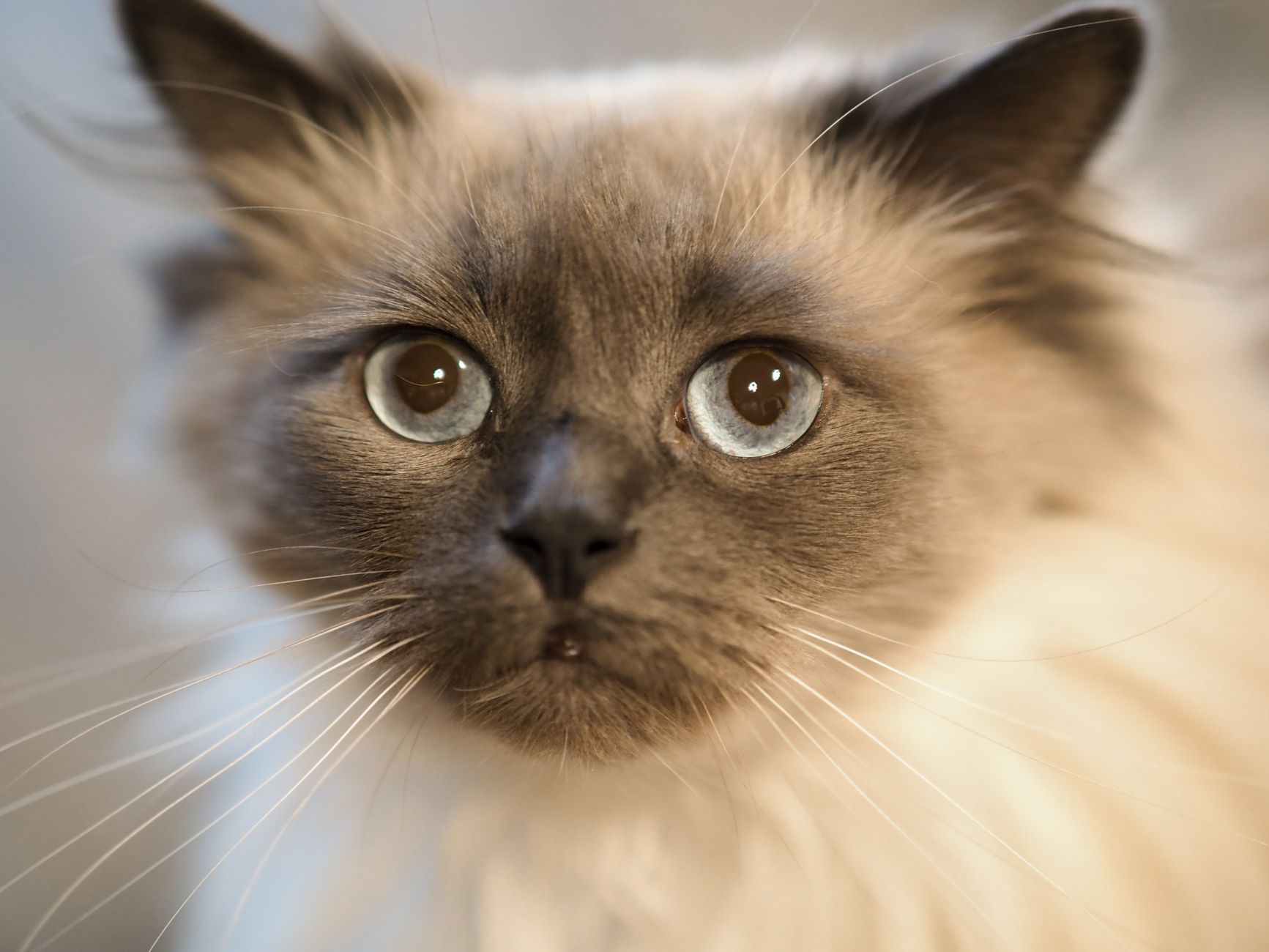
Ragdoll
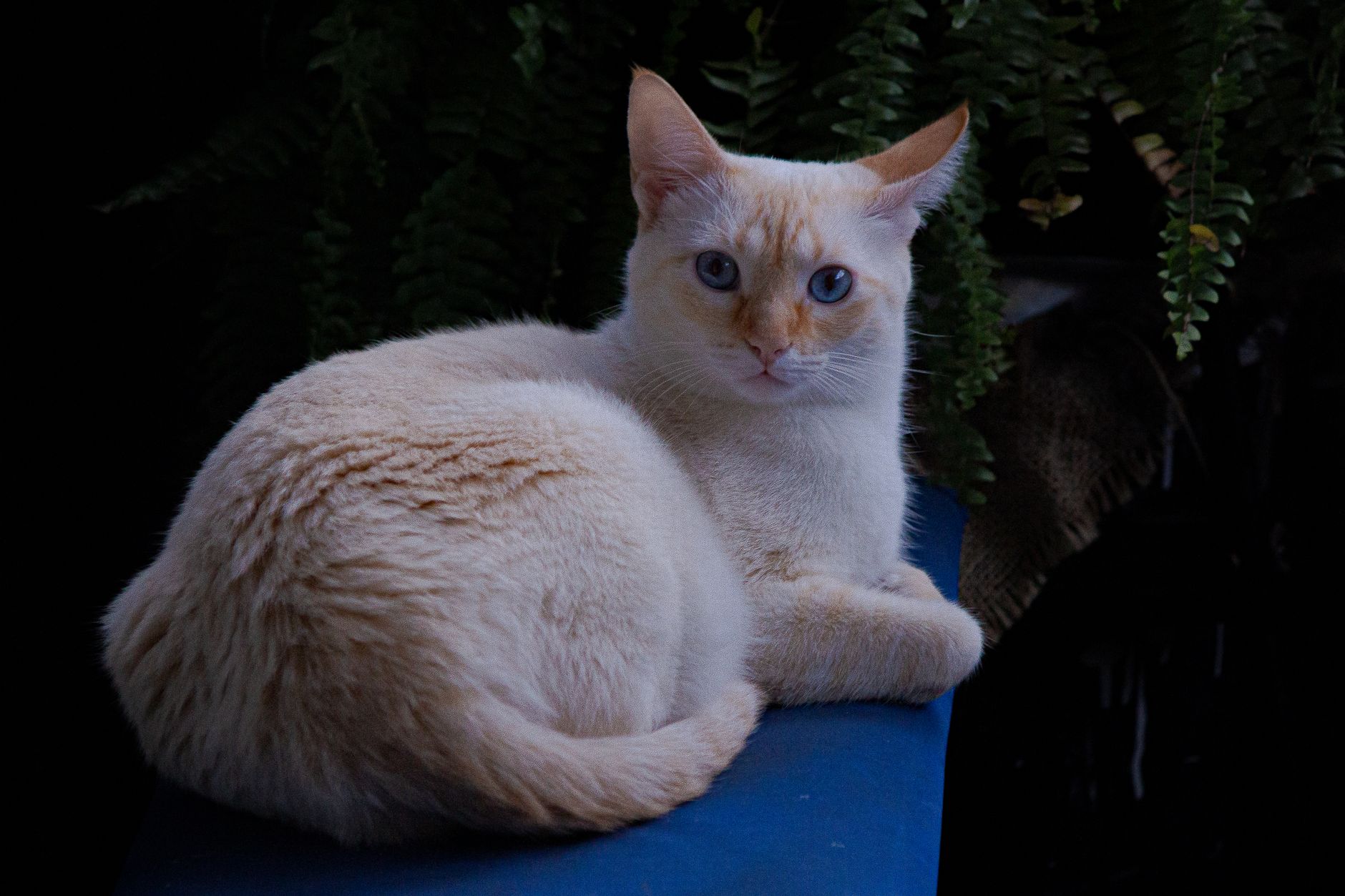
Balinese
Birman FAQs
What is the legend behind the Birman cat?
Legend says Birmans were temple cats in Burma, where a golden goddess transformed a loyal white cat into a beautiful cream-colored protector with sapphire blue eyes and pure white paws (the sign of purity) after his master’s temple was attacked.
How do Birmans differ from Ragdolls?
While visually similar, Birmans are generally smaller and more active than Ragdolls. Structurally, Birmans have a Roman nose profile and distinct white ‘gloves’ and ‘laces’ on their paws, whereas Ragdolls are larger and can have white on many parts of their body depending on the pattern.
Why do Birmans have white paws?
This is a defining breed standard known as ‘gloving’ on the front paws and ‘lacing’ on the back. It is a recessive genetic trait that must be present on all four paws for a Birman to be considered show-quality.
Are Birman cats hypoallergenic?
No, Birmans are not hypoallergenic. While they lack a thick undercoat, which means fewer floating dander-laden hairs, they still produce the Fel d 1 protein in their saliva, skin, and urine that triggers allergic reactions.
Do Birmans like to be held?
Generally, yes, they are famous for being highly cooperative and relaxed when picked up. While they might not go completely limp like a Ragdoll, they genuinely enjoy physical closeness and will happily cuddle in your lap for hours.
Are Birman cats vocal?
Birmans are not loud or demanding like Siamese, but they are communicative. They speak in soft, pleasant, bird-like chirps and trills to get your attention or say hello when you walk into the room.
At what age are Birman cats fully grown?
Birmans are a slow-maturing breed that takes quite a long time to reach their full size and coat development. They typically do not reach their full physical size, weight, and coat color maturity until they are about 3 years old.
Are Birmans indoor-only cats?
Yes, I strongly recommend keeping Birmans exclusively indoors. Their trusting, docile nature makes them ill-equipped to handle outdoor threats like traffic, predators, diseases, or theft due to their highly prized appearance.
Why is my Birman kitten changing color?
Birman kittens are born pure white. Their color points (on the face, ears, legs, and tail) begin to develop around one week of age and will continue to darken and refine until they reach maturity at around 3 years old.
Do Birmans jump on high counters?
While they can jump, Birmans are generally ‘low-altitude’ cats compared to more athletic breeds like Abyssinians. They prefer to stay at floor, sofa, or bed level, though they will occasionally scale a sturdy cat tree.
Can a Birman be left alone during the workday?
A Birman can handle a standard 8-hour workday, but they will be lonely if it is a daily occurrence without company. I always recommend having a second cat or a pet-friendly dog to keep your Birman mentally stimulated and secure while you are away.
Are Birmans prone to hairballs?
Because of their silky, single coat, they suffer from fewer hairballs than other longhairs, but they are not immune. Regular brushing and a diet with adequate fiber are highly effective at minimizing hairball issues.
Do Birmans get along with dogs?
In my experience, Birmans are exceptionally good with dogs. Their calm demeanor prevents them from running away in panic (which triggers a dog’s prey drive), allowing them to form peaceful, close friendships with polite dogs.