
Kerry Blue Terrier Breed Guide

Quick Summary
The Kerry Blue Terrier is a spirited, highly intelligent, and strikingly beautiful working terrier that demands an active, experienced owner. In my clinical experience, they are robust and incredibly loyal companions, but their sharp minds and classic terrier ‘fire’ require consistent, positive boundaries. This is not a passive pet, but for those who commit to their mental and physical needs, they are deeply rewarding.
Quick Facts
- origin countryIreland
- breed groupTerrier Group
- sizeMedium
- weight range33 to 40 pounds (15 to 18 kg)
- height range17.5 to 19.5 inches (44 to 50 cm)
- lifespan12 to 15 years
- coat typeDense, wavy, single coat with no undercoat; soft and silky texture
- common colorsAny shade of blue-gray, ranging from deep slate to light silver-blue (born solid black)
- other namesIrish Blue Terrier
- recognized byAKC, UKC, KC, FCI
Caring for a Kerry Blue Terrier
Living with a Kerry Blue means embracing daily mental and physical challenges to keep their sharp minds occupied. In my practice, I find that a bored Kerry is a destructive Kerry; they require at least an hour of vigorous exercise daily, coupled with puzzle toys or agility training. Their unique, single coat does not shed but grows continuously, demanding strict adherence to a professional grooming schedule. Owners must also be vigilant about early socialization to manage their strong prey drive and potential dog-directed reactivity.
Is a Kerry Blue Terrier a good family pet?
Yes, they can be wonderful family dogs for active households with older, respectful children. Their intense loyalty makes them excellent watchdogs, though their high energy and boisterous play style can sometimes overwhelm toddlers.
Do Kerry Blue Terriers shed a lot?
Practically not at all. Their single coat is low-dander and non-shedding, which makes them a fantastic choice for allergy sufferers, though this benefit comes at the cost of high grooming demands.
Is a Kerry Blue Terrier good for first-time owners?
I generally advise against this breed for novices. Their independent nature, high intelligence, and strong-willed terrier temperament require an owner who understands canine pack dynamics and positive reinforcement training.
Temperament & Personality

The Kerry Blue is a complex blend of fierce devotion, clownish humor, and classic terrier tenacity. In the clinic, they are often the class clowns, eager to show off tricks, but they maintain a watchful, protective eye on their owners. They possess a high prey drive and can be easily stimulated by fast movement or other dogs, meaning they require focused leadership. When properly socialized, their default state is one of alert, cheerful engagement with their human family.
Is a Kerry Blue Terrier good with other pets?
They can co-exist with other family dogs if socialized intensively from puppyhood, but they have a strong tendency toward dog-directed aggression and a very high prey drive that makes them unsafe around small pocket pets or cats.
How much attention does a Kerry Blue Terrier need?
They are highly people-oriented and do not tolerate being left alone in a yard or crate for long periods. They thrive on being integrated into daily family activities and will shadow you from room to room.
Training & Behavior
Training a Kerry Blue is an exercise in consistency, creativity, and patience. They are incredibly smart, meaning they learn new commands rapidly, but they will easily bore of repetitive drills and will seek to exploit any inconsistency in your rules. I always tell owners to focus on positive reinforcement techniques rather than harsh corrections, which will only cause a proud terrier to shut down or push back.
Training Tips
- Keep training sessions short, fast-paced, and fun.
- Use high-value food rewards and play to motivate.
- Establish clear, unwavering house rules from day one.
- Socialize heavily in controlled environments during puppyhood.
- Practice impulse control exercises to manage their prey drive.
Fun Activities
- Agility trials
- Barn Hunt competitions
- Dock diving
- Advanced obedience and trick training
- Scent work and tracking games
Is a Kerry Blue Terrier easy to train?
They are highly capable but not ‘easy’ in the traditional sense. While they understand commands quickly, their independent streak means they will constantly evaluate whether they want to comply, requiring a confident, engaging handler.
Kerry Blue Terrier Health Issues

As a veterinarian, I consider the Kerry Blue Terrier to be a remarkably hardy breed, but like all purebreds, they are genetically predisposed to specific hereditary conditions. Responsible breeders screen their lines carefully, and proactive veterinary care is essential for maintaining their lifelong vitality.
Cerebellar Abiotrophy (Factor XI Deficiency Associated)
A progressive genetic neurological disease where cells in the cerebellum prematurely die off, leading to a loss of coordination and balance.
Keratoconjunctivitis Sicca (KCS or ‘Dry Eye’)
An autoimmune destruction of the tear glands, resulting in a severe lack of natural tear production and subsequent corneal inflammation.
Factor XI Deficiency
An inherited bleeding disorder characterized by a deficiency in blood clotting Factor XI, which can cause abnormal hemorrhaging.
Otitis Externa (Chronic Ear Infections)
Inflammation and infection of the external ear canal, highly common in this breed due to heavy, continuous hair growth inside the canal.
Sebaceous Cysts and Epitheliomas
Kerries are notorious for developing benign skin growths, including clogged oil glands (cysts) and hair follicle tumors.
How long do Kerry Blue Terriers typically live?
With proper nutrition, regular veterinary care, and genetic screening, a healthy Kerry Blue Terrier typically enjoys a lifespan of 12 to 15 years.
What to Feed a Kerry Blue Terrier
Proper nutrition is the cornerstone of keeping an active Kerry Blue’s coat lustrous and their joints healthy. Because they are highly active athletes, their caloric intake must be carefully balanced against their daily energy expenditure to prevent obesity.
Best Diet
I highly recommend a premium, life-stage appropriate dry kibble formulated for active, medium-sized breeds. Ensure the diet is rich in high-quality animal proteins and contains balanced omega-3 and omega-6 fatty acids to support their unique, single coat and skin health.
How to Feed
Divide their daily portion into two equal meals, feeding once in the morning and once in the evening. Avoid feeding immediately before or after heavy exercise to minimize the risk of gastrointestinal upset.
How Much to Feed
Typically, an adult Kerry Blue requires between 1.5 to 2.25 cups of high-quality dry food per day, but this varies. Always consult your veterinarian to calculate a precise caloric budget based on your dog’s exact weight, body condition score, and activity level.
Nutritional Tips
Incorporate a high-quality wild-caught salmon oil supplement if your Kerry’s coat feels dry. Be mindful of training treats; they are smart and will work for food, but those calories must be subtracted from their daily meal allowance.
Kerry Blue Terrier Grooming Guide
Grooming a Kerry Blue is not optional; it is a rigorous, lifelong commitment. Their unique, non-shedding coat behaves more like human hair and will quickly become a matted mess without dedicated, skilled care.
Coat Care
Expect to thoroughly brush and comb your Kerry’s coat at least three to four times a week down to the skin to prevent mats. Additionally, they require a professional clipping and bath every 6 to 8 weeks to maintain their classic, stylized silhouette.
Skin Care
Because they are prone to sebaceous cysts and dry skin, inspect their skin thoroughly during grooming sessions. Use a gentle, soap-free oatmeal shampoo during baths to preserve natural skin oils.
Eye Care
The signature ‘fall’ of hair over their eyes can collect dirt and debris; wipe their eyes daily with a damp cloth and check for signs of dry eye.
Ear Care
This is critical: Kerries grow thick hair deep inside their ear canals that must be regularly plucked or closely trimmed by a professional to allow airflow and prevent chronic yeast infections.
Nail & Dental Care
Trim their strong, black nails every 3 to 4 weeks, and brush their teeth daily with dog-safe enzymatic toothpaste to combat periodontal disease.
Considerations for Pet Parents
Pros
- Virtually non-shedding and highly hypoallergenic
- Incredibly loyal, loving, and dedicated to their family
- Extremely intelligent and highly capable of advanced training
- Excellent watchdog with a natural, protective instinct
- Vibrant, playful personality that keeps you entertained
- Sturdy, athletic companion for outdoor adventures
Cons
- Extremely high grooming requirements that are costly and time-consuming
- Strong propensity for dog-directed reactivity and aggression
- High prey drive makes them unsuitable for homes with small pets
- Requires persistent, creative mental stimulation to prevent destructiveness
- Not recommended for novice or first-time dog owners
Best For
Active individuals or families who have prior experience with working terriers, enjoy outdoor activities, and are fully prepared to commit to the professional grooming costs and structured training this breed demands.
Not Recommended For
Sedentary owners, those who are away from home for long hours, households with small animals or multiple dominant dogs, or individuals looking for a low-maintenance, easy-to-train first pet.
Cost
- purchase price$1,800 to $3,000
- monthly cost$150 to $250
- initial setupInitial costs including quality crates, high-velocity blow dryers, grooming brushes, veterinary vaccines, and spay/neuter surgery average $1,200 to $2,000.
Similar Breeds

Airedale Terrier
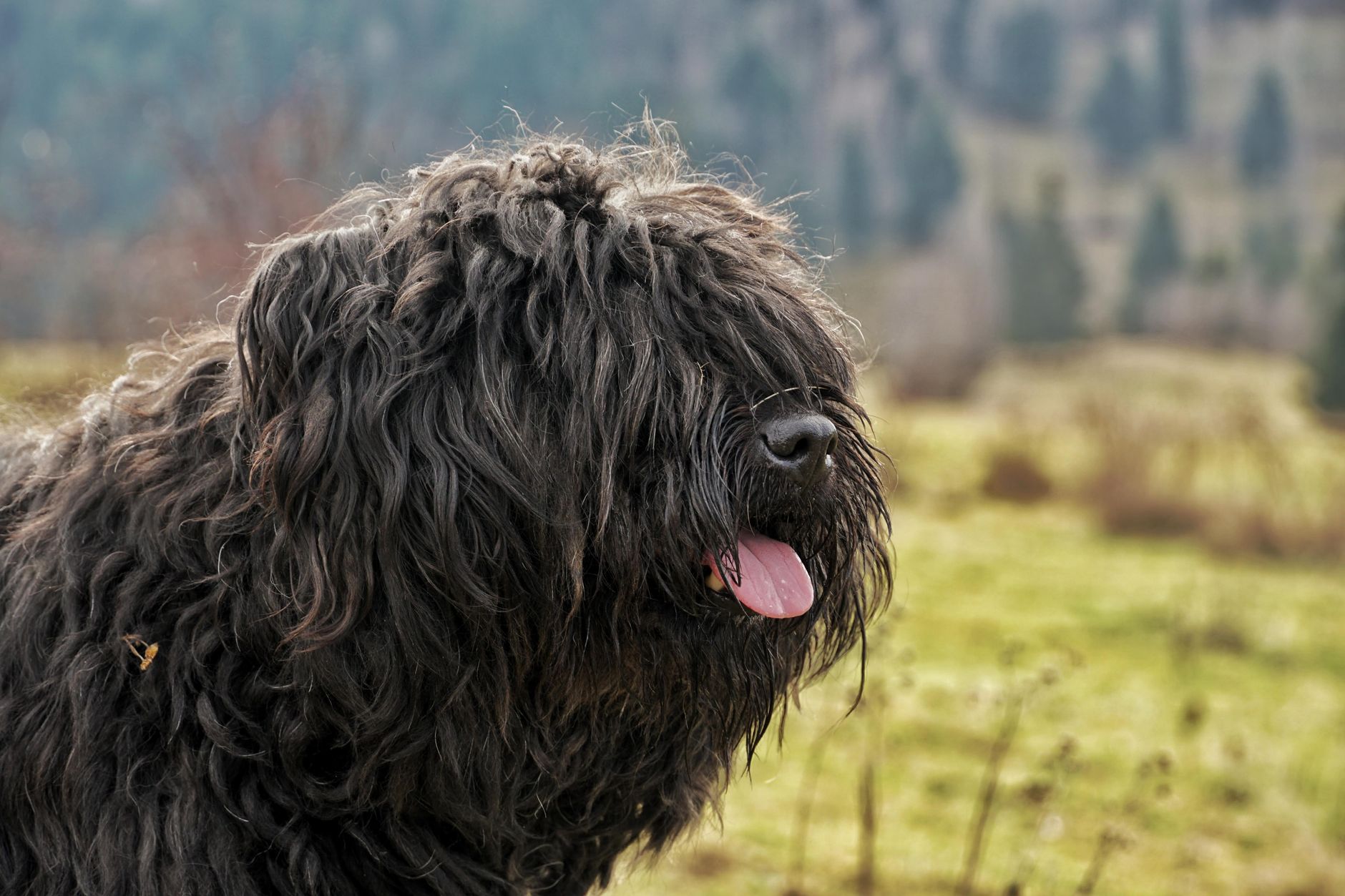
Bouvier des Flandres
Kerry Blue Terrier FAQs
Are Kerry Blue Terriers born blue?
No, Kerry Blues are actually born solid black. Their coat undergoes a genetic ‘clearing’ process over their first 18 months, gradually transitioning through shades of dark brown and charcoal before settling into their mature blue-gray color.
Do I need to pluck my Kerry Blue’s ears?
Yes, they grow heavy hair inside their ear canals which traps moisture and wax, leading to chronic otitis externa. I recommend having your vet or groomer regularly pluck or trim this hair and clean the ears weekly with a drying solution.
Are they prone to barking a lot?
They are natural watchdogs and will certainly bark to alert you of intruders or changes in their environment. However, if they are sufficiently exercised and mentally stimulated, they are not nuisance barkers.
Can Kerry Blue Terriers live in an apartment?
They can adapt to apartment living successfully, but only if their owners are strictly committed to several long walks, runs, or training sessions daily. Without a yard, their indoor stimulation needs are much higher.
What is the ‘fall’ on a Kerry Blue Terrier?
The ‘fall’ is the long, stylized section of coat left over their forehead and eyes during grooming. While beautiful, it must be kept clean and combed regularly to prevent food, water, and debris from collecting.
Is the Kerry Blue Terrier hypoallergenic?
While no dog is 100% hypoallergenic, the Kerry Blue is close. Because they do not shed and produce very little dander, they are often highly tolerated by individuals with dog allergies.
Are they prone to bloat?
As a medium-sized breed with a relatively deep chest, they can be at risk for Gastric Dilatation-Volvulus (GDV or bloat). I advise using slow feeders and avoiding heavy, vigorous running for one hour before and after meals.
How do they handle hot weather?
Because of their dense, single coats, they can overheat in hot, humid weather. Always provide plenty of fresh water, seek shade during summer walks, and consider keeping their coat trimmed shorter during the hotter months.
Do Kerry Blue Terriers like to swim?
Many Kerry Blues love the water and are excellent swimmers, historically used for retrieving in marshes. However, always supervise their swims and thoroughly rinse and dry their coat and ears afterward to prevent hot spots and ear infections.
How much does professional grooming cost for a Kerry Blue?
Because of the specialized pattern cut and the dense nature of the coat, professional grooming typically costs between $90 to $150 per session, plus tips, depending on your geographic area.
Do they have a strong digging instinct?
Yes, they are terriers. If they are bored or catch the scent of underground pests like moles, they will dig. Providing a designated digging pit in the yard can help redirect this natural behavior constructively.
What genetic health tests should I ask a breeder for?
Ensure the breeder can provide passing OFA evaluations for hips and elbows, DNA clearance for Factor XI Deficiency and Cerebellar Abiotrophy, and a recent CAER (eye) clearance certificate.
Sources & Further Reading
- American Kennel Club (AKC)
- Merck Veterinary Manual
- American Veterinary Medical Association (AVMA)
- PetMD