
Caucasian Shepherd Dog Breed Guide
Quick Summary
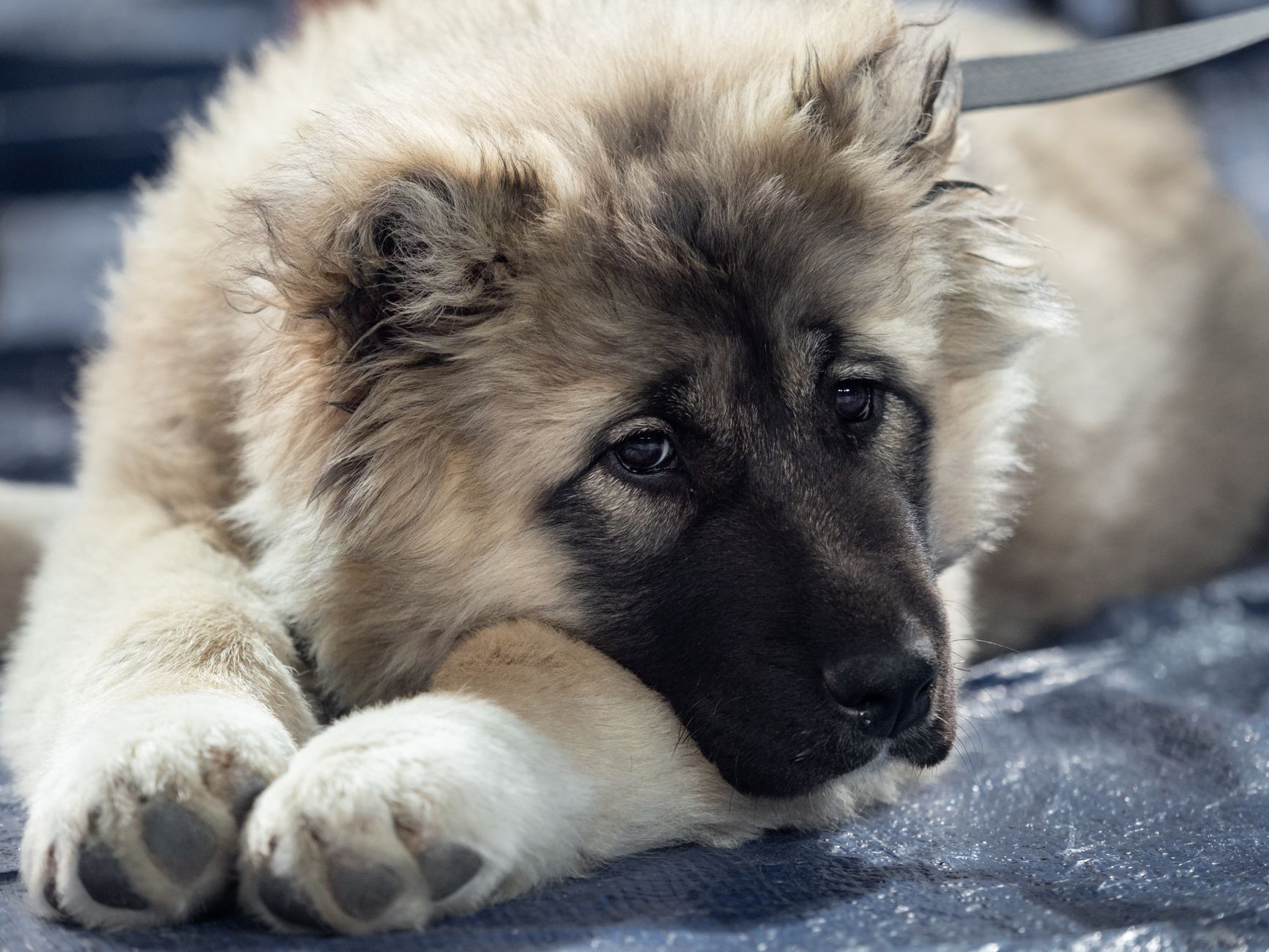
The Caucasian Shepherd Dog is a massive, intensely protective guardian breed developed to defend livestock from apex predators. In my clinical practice, I emphasize that this is not a casual companion, but a specialized working giant that requires an exceptionally experienced handler capable of managing a dog that can easily exceed 170 pounds. They are fiercely loyal to their immediate family but possess an innate, powerful suspicion of strangers that must be managed with rigorous, lifelong socialization.
Quick Facts
- origin countryCaucasus Region (Georgia, Armenia, Azerbaijan, Russia)
- breed groupFoundation Stock Service (AKC), Molosser / Guardian (UKC)
- sizeGiant
- weight range110 to 220 lbs (50 to 100 kg)
- height range26 to 30+ inches (66 to 76+ cm)
- lifespan10 to 12 years
- coat typeThick, coarse double coat (long, medium, or short variations)
- common colorsGray, fawn, tan, white, brindle, and piebald
- other namesCaucasian Ovcharka, Kavkazskaya Ovcharka, Caucasian Mountain Dog
- recognized byAKC (FSS), FCI, UKC
Caring for a Caucasian Shepherd Dog
Living with a Caucasian Shepherd means managing a true giant whose primary instinct is territorial defense. In my clinic, I advise owners that daily life requires secure, 6-foot perimeter fencing and a commitment to mental stimulation over intense athletic workouts. They are low-energy indoors but remain constantly vigilant, meaning you must be prepared for their protective instincts to activate instantly at the sight of perceived threats. Socialization cannot stop after puppyhood; it must be a lifelong practice to prevent dangerous territorial behaviors.
Is a Caucasian Shepherd Dog a good family pet?
They can be profoundly devoted and gentle with their immediate family, but they are generally not recommended as standard household pets. Their intense guardian instincts make hosting visitors or having children’s friends over highly risky, as they may misinterpret normal play as a threat. Any family integration requires absolute vigilance, professional training, and experienced adult handlers.
Do Caucasian Shepherd Dogs shed a lot?
Yes, they are heavy shedders, particularly during their seasonal ‘coat blow’ which occurs once or twice a year. During these periods, they release massive clumps of undercoat that require daily brush-outs with a high-quality slicker brush and undercoat rake to prevent severe matting. In my practice, I frequently see hot spots and skin infections in this breed when dead hair is allowed to trap moisture against the skin.
Is a Caucasian Shepherd Dog good for first-time owners?
Absolutely not. This breed is highly independent, incredibly strong, and naturally suspicious of outsiders, making them one of the most challenging breeds to manage. First-time owners often struggle to establish the firm, consistent leadership required, which can lead to dangerous, unmanageable behaviors in a 150-plus pound dog.
Temperament & Personality
The Caucasian Shepherd Dog is characterized by an independent, fearless, and deeply protective temperament. In my years observing them, they are calm and almost lazy inside their home, but they possess an internal switch that flips to absolute defense mode the moment they perceive a threat to their territory or pack. They do not seek to please human handlers in the way a Retriever does; instead, they operate as equal partners who make their own decisions regarding safety.
Is a Caucasian Shepherd Dog good with other pets?
They generally do not tolerate unfamiliar dogs, particularly those of the same sex, due to their strong territorial and dominant drives. While they can co-exist with household pets they were raised with from puppyhood, I always caution owners to monitor these interactions closely and never leave them unsupervised with smaller animals.
How much attention does a Caucasian Shepherd Dog need?
While they do not demand constant physical affection or needy reassurance, they require a high level of passive engagement and structural leadership from their owners. They thrive when they feel they have a job to do, such as patrolling a secure perimeter, and they suffer from severe frustration if isolated from their family pack.
Training & Behavior
Training a Caucasian Shepherd requires a shift in mindset; you are not commanding an obedient servant, but negotiating with a highly independent guardian. In my clinical experience, force-based methods fail completely and can trigger defensive aggression in this giant breed. Training must focus on mutual respect, early and continuous socialization, and establishing clear boundaries using positive reinforcement from day one.
Training Tips
- Begin intensive socialization before 12 weeks of age, exposing them to diverse sights, sounds, and people.
- Use positive reinforcement and high-value rewards; do not attempt to physically overpower this breed.
- Establish yourself as a calm, assertive leader with consistent, unyielding house rules.
- Focus heavily on ‘leave it’ and reliable recall cues, though total off-leash reliability is rare.
- Incorporate cooperative care training early so they tolerate veterinary exams and grooming handling.
Fun Activities
- Perimeter patrolling on a long line within a securely fenced yard
- Low-impact scent work and nose games to stimulate their mind
- Basic obedience training sessions kept short and highly rewarding
- Casual, slow-paced hiking in quiet, low-traffic areas
Is a Caucasian Shepherd Dog easy to train?
No, they are notoriously difficult to train for traditional obedience because they were bred to work independently of human command. They will routinely assess your directives and may choose to ignore them if they do not see a practical reason to obey, requiring infinite patience and professional guidance.
Caucasian Shepherd Dog Health Issues
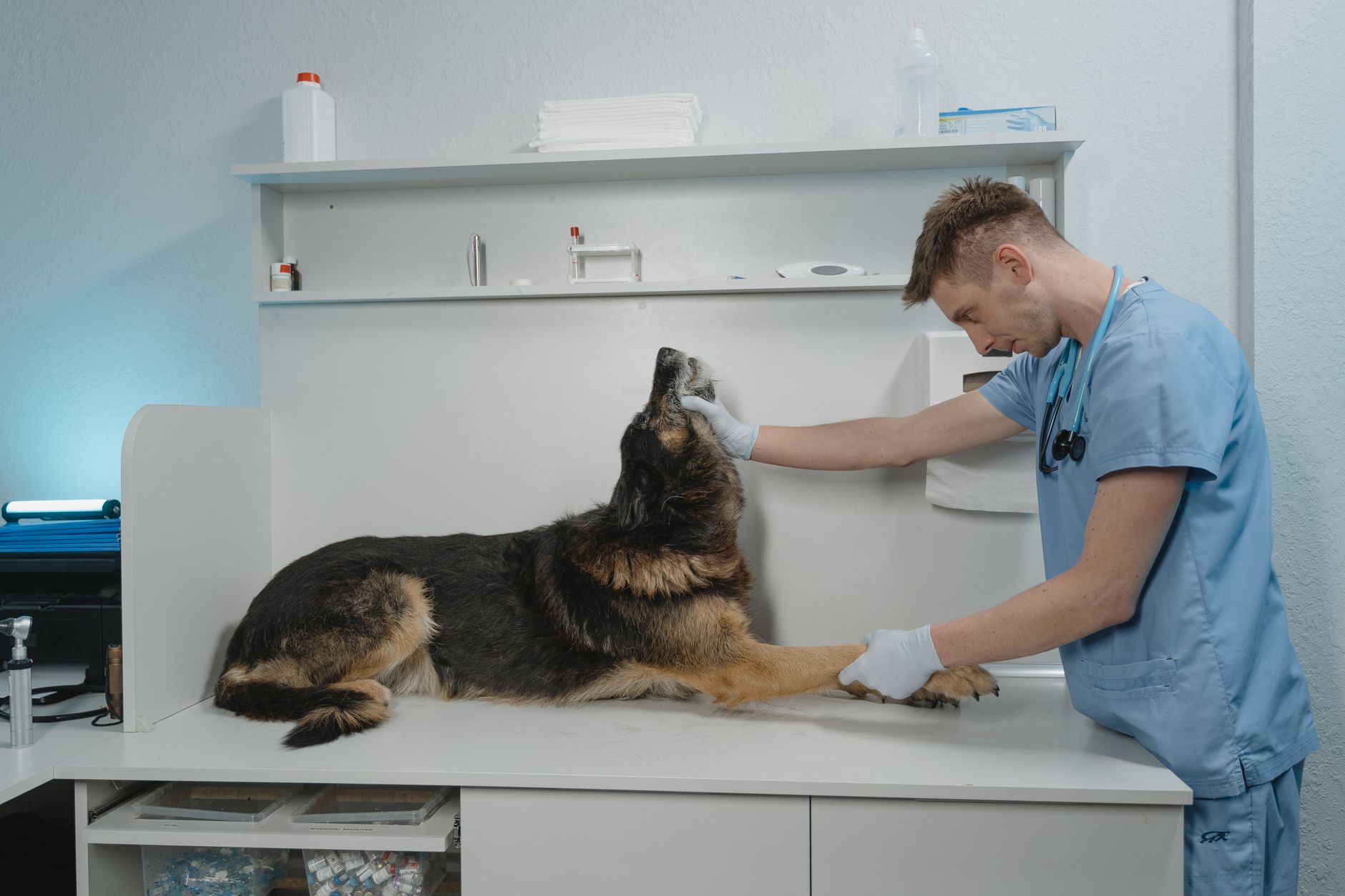
While constitutionally rugged and bred to withstand harsh mountain climates, the Caucasian Shepherd’s giant size predisposes them to significant orthopedic and cardiac issues. In my practice, preventing rapid puppy growth and maintaining a lean body condition are the two most critical factors in extending their healthy years.
Hip and Elbow Dysplasia
A genetic, developmental malformation of the hip and elbow joints where the bones do not fit together smoothly. This leads to progressive, painful arthritis and mobility loss, which is exceptionally difficult to manage in a dog weighing over 150 pounds.
Gastric Dilatation-Volvulus (GDV or Bloat)
A life-threatening emergency where the stomach fills with gas and twists on its axis, cutting off blood supply. This is common in deep-chested giant breeds and requires immediate emergency surgical intervention to save the dog’s life.
Entropion and Ectropion
Eyelid abnormalities where the eyelid either rolls inward (entropion), causing the eyelashes to rub painfully against the cornea, or sags outward (ectropion), exposing the delicate tissues to irritation and infection.
Dilated Cardiomyopathy (DCM)
A progressive disease of the heart muscle that results in weakened contractions and chamber dilation, eventually leading to congestive heart failure. I recommend regular cardiac screening for all breeding stock and adult giants.
Obesity
Because of their low metabolic rate and giant frames, carrying even 5 to 10 pounds of excess fat puts catastrophic stress on their joints and cardiovascular system. In my clinic, keeping these dogs lean is a non-negotiable health priority.
How long do Caucasian Shepherd Dogs typically live?
The average lifespan of a Caucasian Shepherd Dog is 10 to 12 years. To maximize their lifespan, it is vital to keep them at a lean body weight, provide joint supplements early, and proactively manage their cardiac and orthopedic health with regular veterinary checkups.
What to Feed a Caucasian Shepherd Dog
In my clinic, I always stress that feeding a giant breed like the Caucasian Shepherd requires highly precise nutritional management, especially during their 24-month-long growth phase. We must meticulously manage their caloric intake to protect their developing skeletal system.
Best Diet
An ideal diet consists of high-quality, large-breed or giant-breed specific kibble formulated to control growth rates in puppies, transition to a balanced adult giant-breed formula. It must have precise calcium-to-phosphorus ratios to prevent skeletal abnormalities.
How to Feed
In my years treating this breed, I strictly advise feeding them two to three measured meals daily rather than free-feeding. To minimize the catastrophic risk of bloat (GDV), I instruct owners to enforce a hard rule of no vigorous exercise one hour before and two hours after meals.
How Much to Feed
Portions typically range from 4 to 8 cups of high-quality kibble daily, but I always tell owners that generic bag guidelines are often too high for their slow metabolic rate. We need to calculate their specific resting energy requirements (RER) together at the clinic based on their body condition score.
Nutritional Tips
I highly recommend starting high-quality joint supplements containing glucosamine, chondroitin, and green-lipped mussel by one year of age. Additionally, omega-3 fatty acid supplements can help support both their heavy double coat and joint health.
Caucasian Shepherd Dog Grooming Guide
What I see most often in my practice is severe matting and underlying dermatitis caused by neglected coat care. Grooming this giant is a major medical necessity, not just an aesthetic one, requiring significant physical stamina and proper tools.
Coat Care
Line brushing down to the skin twice a week is required to keep their dense undercoat from matting, increasing to daily brushing during seasonal sheds. You will need a heavy-duty undercoat rake, a long-pinned slicker brush, and a high-velocity dog dryer to blow out dead hair after baths.
Skin Care
In my clinic, I treat many hot spots on these dogs; you must thoroughly blow-dry their coat to the skin whenever they get wet to prevent bacterial infections.
Eye Care
I regularly check this breed for eyelid abnormalities; owners must inspect the eyes daily for redness or discharge that could indicate structural issues.
Ear Care
I recommend a weekly ear check and clean using a vet-approved drying cleanser to prevent yeast overgrowth in their deep, heavy ear canals.
Nail & Dental Care
I frequently have to sedate untrained giants for basic nail trims; start training them to accept heavy-duty nail grinding and daily tooth brushing as puppies.
Considerations for Pet Parents
Pros
- Unparalleled guardian and deterrent against intruders
- Deeply loyal and protective of their family unit
- Calm, quiet, and low-energy inside the home
- Highly resilient and physically robust in cold climates
- Highly independent and does not require constant attention
- Relatively low exercise demands compared to other working breeds
Cons
- Extremely high potential for territorial aggression if poorly managed
- Massive size makes physical management difficult for most owners
- Heavy shedding and intensive, regular grooming requirements
- Highly independent nature makes them very difficult to train
- Not suitable for urban, suburban, or apartment living
- Can be highly vocal, especially at night
Best For
Experienced, firm owners living on rural acreage or farms who need a dedicated, independent guardian breed and have the physical strength to manage a giant dog.
Not Recommended For
First-time owners, apartment dwellers, urban families, those who host frequent social gatherings, or families unwilling to invest heavily in professional training and secure fencing.
Cost
- purchase price$1,500 to $3,500 USD from reputable breeders
- monthly cost$200 to $400 USD (including high-volume food, large-scale preventative meds, and grooming supplies)
- initial setupInitial setup can easily exceed $2,500, factoring in giant-sized crates, heavy-duty orthopedic beds, professional training, secure 6-foot fencing installation, and gastropexy surgery to prevent bloat.
Similar Breeds

Caucasian Shepherd Dog FAQs
Do Caucasian Shepherds bark a lot?
Yes, they are highly vocal guardians, especially at night when their protective instincts are heightened. They will issue a deep, booming bark to warn away potential intruders or alert you to any changes in their environment, which can easily disturb neighbors in suburban areas.
Can a Caucasian Shepherd live in an apartment?
No, their massive size, territorial nature, and booming vocalizations make them entirely unsuitable for apartment or condo living. They require physical space to patrol and are best suited to homes with large, securely fenced yards or rural acreage.
Are they good with children?
They can be incredibly patient and protective of the children within their own family pack. However, I always warn parents that they can mistake roughhousing between children and their friends as a physical attack, prompting them to intervene protectively with dangerous force; therefore, supervision must be constant.
How much exercise do they need daily?
Despite their massive size, they are not high-energy athletes and typically require only 45 to 60 minutes of low-impact exercise daily, such as a long, steady walk. They prefer to conserve their energy for their primary job of guarding and patrolling.
Should I get a male or female Caucasian Shepherd?
Males are significantly larger, heavier, and tend to exhibit more dominant, assertive guardian traits, making them harder to physically manage. Females are slightly smaller, can be more responsive to training, but still possess powerful, unyielding protective instincts.
Can they be left alone outside?
While they are physically built to withstand extreme cold and enjoy spending time outdoors patrolling, they should never be relegated to living exclusively outside away from their family. True isolation can damage their temperament, making them dangerously unsocial and overly aggressive.
Do they drool a lot?
Yes, like many giant breeds with loose jowls, they will drool quite a bit, particularly after drinking water, when they are hot, or when they are waiting for food. Owners should be prepared to keep ‘slobber rags’ handy around the house.
Is a fence required for this breed?
An absolute yes. You must have a highly secure, physical fence that is at least 6 feet tall; underground electronic fences are completely useless as this breed will easily ignore the shock to pursue a perceived threat or protect their territory.
At what age is a Caucasian Shepherd fully grown?
They are a slow-maturing giant breed, taking up to 2 to 3 years to reach their full physical and mental maturity. While they may reach their adult height by 18 months, they will continue to fill out, gain muscle, and develop their adult coat and protective instincts up to age three.
Are they prone to joint issues?
Yes, because of their extreme weight and rapid growth phases, they are highly susceptible to hip dysplasia, elbow dysplasia, and arthritis. I recommend starting them on high-quality joint protectants early in life to help mitigate these issues.
How do they handle hot weather?
They do not tolerate heat well due to their incredibly thick, insulating double coats. In summer months, they must have access to air conditioning, ample shade, cold water, and should only be exercised during the coolest parts of the early morning or late evening.
What is a gastropexy, and do they need it?
A gastropexy is a preventative surgery where the stomach is tacked to the abdominal wall to prevent it from twisting (GDV or bloat). In my clinic, I highly recommend performing this procedure prophylactically, typically at the time of spay or neuter around 12 to 18 months of age, to protect this high-risk breed.