
Bearded Collie Breed Guide
Quick Summary
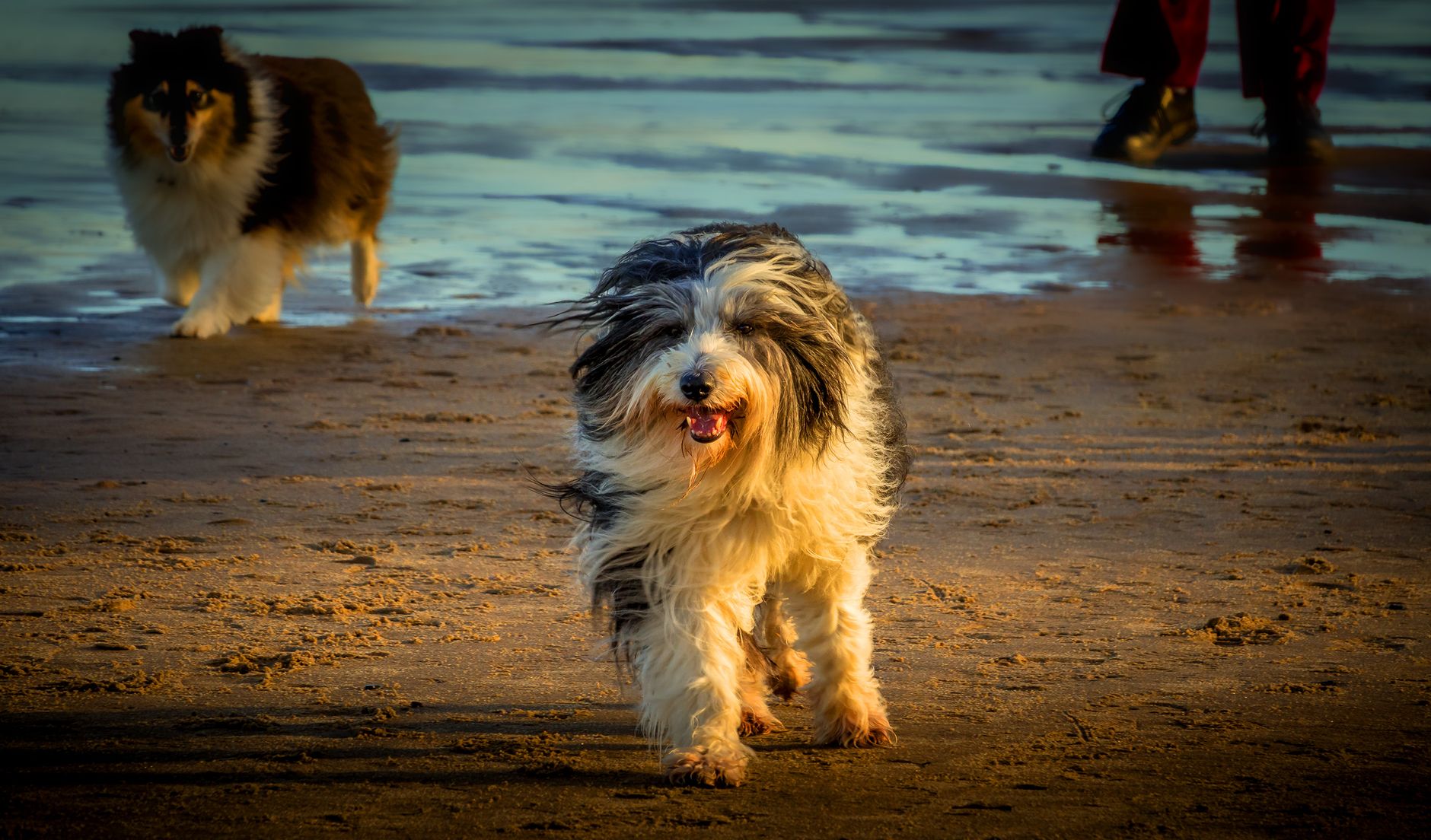
The Bearded Collie is an exceptionally joyful, high-energy herding dog famous for its ‘bouncy’ enthusiasm and shaggy double coat. In my years treating this breed, I have found they thrive best with active, highly committed families who can provide extensive physical outlets and dedicated daily grooming. They are magnificent working dogs that bring immense light to a home, provided you are ready for a demanding coat and a busy mind.
Quick Facts
- origin countryScotland
- breed groupHerding Group
- sizeMedium-sized herder
- weight range45 to 55 lbs (20 to 25 kg)
- height range20 to 22 inches (51 to 56 cm)
- lifespan12 to 14 years
- coat typeDense, shaggy double coat with a soft, close undercoat and a flat, harsh outer coat
- common colorsBlack, blue, brown, or fawn, often with white herding markings
- other namesBeardie, Highland Collie, Mountain Collie
- recognized byAKC, UKC, KC (UK)
Caring for a Bearded Collie
Living with a Bearded Collie is an incredibly rewarding, highly active experience that revolves around outdoor exercise and rigorous coat care. In my practice, I notice owners are often caught off guard by the sheer volume of leaves, twigs, and mud a Beardie’s coat can bring indoors daily. They require at least 1.5 to 2 hours of vigorous physical activity coupled with daily mental engagement to prevent behavioral issues. Without consistent herding outlets or puzzle training, their intelligence can quickly translate into destructive habits.
Is a Bearded Collie a good family pet?
Yes, their naturally social and gentle disposition makes them fantastic family pets. However, they are highly active herders, meaning they may naturally attempt to ‘herd’ children by circling or gently nipping at heels, a behavior that requires consistent redirection.
Do Bearded Collies shed a lot?
They are moderate shedders, but because of their dense double coat, loose hairs get trapped in the undercoat rather than falling directly onto your furniture. This means that while you won’t see as much hair on your rugs, failure to brush them regularly will quickly lead to painful mats.
Is a Bearded Collie good for first-time owners?
I generally advise against a Beardie for first-time owners unless they are prepared for a massive lifestyle adjustment. The combination of high exercise demands, independent working-dog intelligence, and professional-level grooming requirements can easily overwhelm a novice.
Temperament & Personality
The typical Beardie is characterized by an infectious, optimistic exuberance, often referred to as the ‘Beardie Bounce’ because of their habit of jumping up to greet people. They are highly social, sensitive, and deeply attached to their human companions, making them prone to distress when left alone for long periods. Behind their comical, shaggy exterior lies a highly perceptive herding dog that is exceptionally sensitive to atmospheric changes and household stress.
Is a Bearded Collie good with other pets?
In my clinical experience, Beardies are generally highly sociable with other dogs and can live harmoniously with cats if properly socialized from puppyhood. Their herding drive may prompt them to chase fast-moving pocket pets, so supervised introductions are always recommended.
How much attention does a Bearded Collie need?
They are a high-contact breed that requires significant human interaction. I always tell owners that a Beardie will not do well as an outdoor-only dog or sitting home alone for 10 hours a day; they thrive on being integrated into daily household activities.
Training & Behavior
Beardies are remarkably intelligent herding dogs, but they possess an independent streak that can frustrate trainers looking for immediate, repetitive obedience. What I see most often in practice is that they shut down or ignore cues if training sessions are harsh or repetitive. They require creative, positive-reinforcement techniques that keep them guessing and actively thinking.
Training Tips
- Keep training sessions short, fast-paced, and highly varied to prevent boredom.
- Use high-value rewards, as they respond beautifully to positive, treat-based reinforcement.
- Incorporate impulse-control exercises early to curb their natural herding and chasing drives.
- Focus heavily on early socialization to prevent a tendency toward noise phobia later in life.
Fun Activities
- Agility trials and obstacle courses
- Herding instinct tests and trials
- Flyball and disc dog competitions
- Scent work and nosework games
- Interactive hiking and off-leash running in secure areas
Is a Bearded Collie easy to train?
They are highly trainable due to their intelligence, but they are not ‘push-button’ dogs. They require a patient handler who can guide their independent nature; if they think their way is better, they will gladly take the lead.
Bearded Collie Health Issues
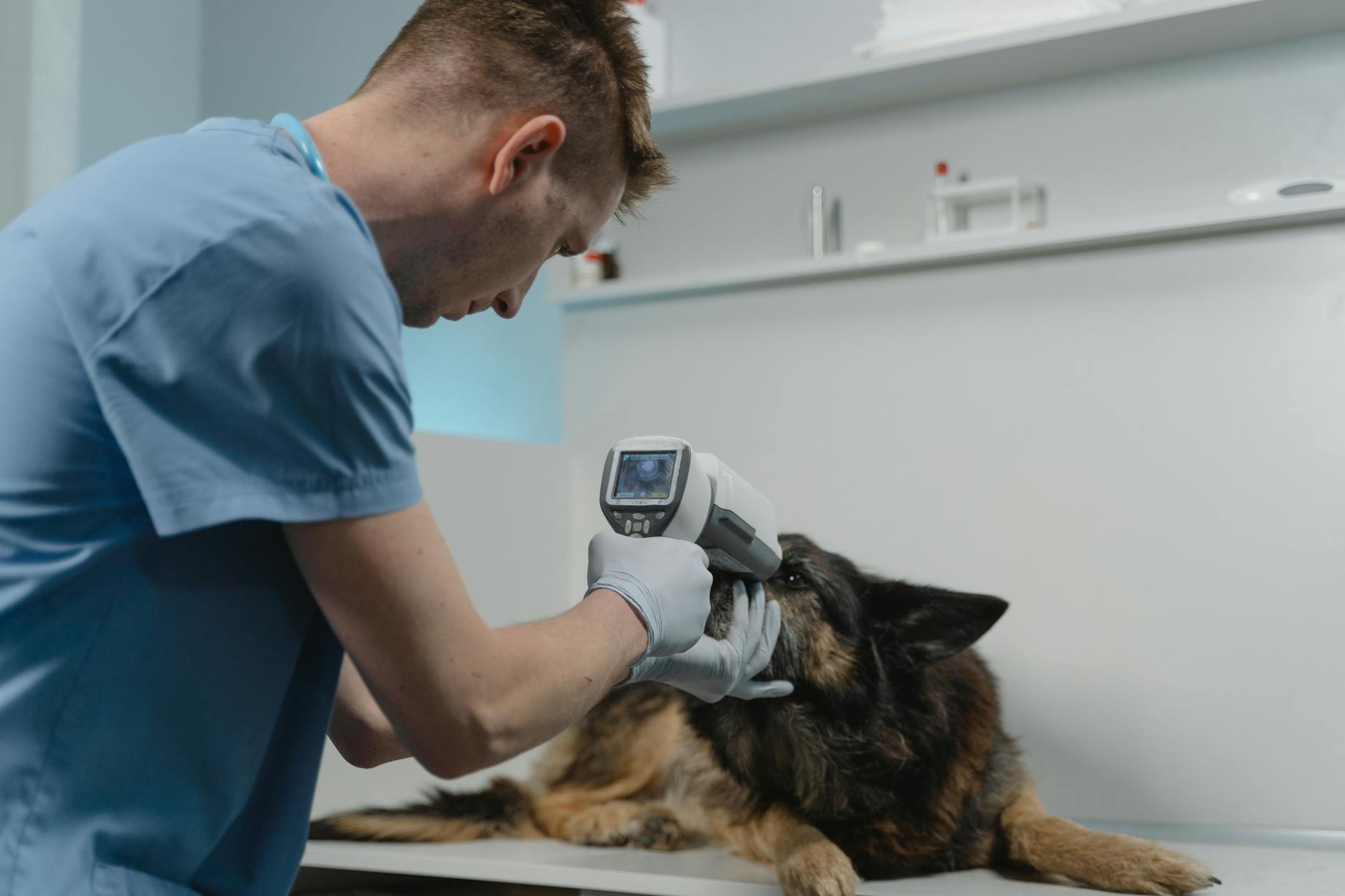
The Bearded Collie is generally a hardy, athletic breed, but they are genetically predisposed to several significant autoimmune and orthopedic conditions. In my years treating this breed, I always advocate for rigorous health testing and early diagnostic screening to ensure a long, comfortable life.
Addison’s Disease (Hypoadrenocorticism)
An endocrine disorder characterized by the underproduction of essential adrenal hormones (cortisol and aldosterone). It is highly prevalent in the breed and often referred to as ‘the great pretender’ because its signs mimic many other conditions.
Hip Dysplasia
An inherited skeletal condition where the head of the femur does not fit smoothly into the pelvic socket, leading to progressive wear, pain, and osteoarthritis.
Progressive Retinal Atrophy (PRA)
A group of genetic, degenerative eye diseases that attack the photoreceptor cells of the retina, eventually resulting in complete, irreversible blindness.
Hypothyroidism
An autoimmune-mediated destruction of the thyroid gland, resulting in a slowed metabolism and systemic lethargy.
Pemphigus Foliaceus
An autoimmune skin disease where the dog’s immune system attacks the outer layers of the skin, causing uncomfortable lesions and crusting.
How long do Bearded Collies typically live?
A healthy Bearded Collie typically has a lifespan of 12 to 14 years. Regular veterinary wellness checks, maintaining a lean body condition, and prompt treatment of endocrine issues are key to helping them reach their senior years.
What to Feed a Bearded Collie
Properly feeding a Bearded Collie involves matching their caloric intake closely with their actual daily energy expenditure. Because their thick coat can easily mask subtle weight gain, I recommend a hands-on rib assessment at every veterinary checkup.
Best Diet
An high-quality, age-appropriate, large- or medium-breed diet rich in lean animal proteins is ideal. Look for formulas fortified with joint supplements like glucosamine and chondroitin, which support their active, bouncing joints.
How to Feed
Divide their daily portion into two distinct, measured meals to avoid rapid eating and reduce the risk of digestive upset. Utilizing interactive puzzle feeders is an excellent way to slow down their eating while providing valuable mental stimulation.
How Much to Feed
Generally, an adult Beardie requires 1.5 to 2.5 cups of dry kibble per day, though this varies tremendously based on activity levels and metabolism. Owners should always consult their vet to calculate precise caloric targets based on a body condition score (BCS).
Nutritional Tips
Supplementing their diet with high-quality marine-derived omega-3 fatty acids is highly recommended to support skin barrier function and coat luster. Keep treats to under 10% of their total daily caloric intake to prevent early onset of joint-stressing obesity.
Bearded Collie Grooming Guide
If you are not prepared for extensive, professional-level coat maintenance, the Bearded Collie is not the breed for you. I frequently treat severe matting in this breed, which is incredibly painful for the dog and often necessitates a complete clinical shave-down.
Coat Care
Expect to commit to a daily 15-minute line-brushing session to remove surface debris, along with a thorough, multi-hour weekly session using a high-quality pin brush and undercoat rake. Always mist the coat with a detangling spray first; brushing a dry coat will damage the hair shaft.
Skin Care
Because their dense double coat traps environmental moisture, they are highly prone to acute moist dermatitis (hot spots). Always dry your Beardie completely to the skin after baths, rainy walks, or swimming.
Eye Care
The long facial ‘visor’ can trap dirt and constantly poke the eyes, leading to chronic conjunctivitis. I recommend trimming the hair around the eyes or carefully tying it up with a latex band to keep the eyes clean and visible.
Ear Care
Their heavily feathered drop ears trap moisture and debris, creating a perfect environment for yeast and bacterial infections. Clean the ears bi-weekly with a veterinary-approved drying cleanser and monitor closely for foul odors.
Nail & Dental Care
Trim nails every 3 to 4 weeks to prevent structural foot splay, and implement daily dental brushing with veterinary toothpaste to avoid early-stage periodontal disease.
Considerations for Pet Parents
Pros
- Exuberantly cheerful, affectionate, and loyal companion
- Highly adaptable to cold climates and outdoor activities
- Excellent, natural partner for agility, herding, and dog sports
- Generally social and friendly with other household dogs
- Intelligent and responsive to creative, positive training
- An exceptionally charismatic and handsome breed when properly groomed
Cons
- Extremely demanding daily and weekly grooming commitments
- Prone to developing severe noise phobias (thunder, fireworks)
- High physical exercise and mental stimulation requirements
- May exhibit vocal herding behaviors and nipping if bored
- Can carry a substantial amount of outdoor mud and debris into the home
Best For
Highly active individuals or families who love outdoor adventures, have a secure yard, and possess the patience and time to dedicate to intense daily coat care and behavioral training.
Not Recommended For
Sedentary households, apartment dwellers with busy work schedules, those sensitive to barking and tracking mud indoors, or owners unwilling or unable to commit hours to weekly grooming.
Cost
- purchase price$1,500 to $2,500 USD
- monthly cost$150 to $250 USD
- initial setupPlan to spend $800 to $1,200 initially on high-end grooming supplies (including a high-velocity dryer and professional grooming table), a heavy-duty crate, and puppy vaccine series.
Similar Breeds

Bearded Collie FAQs
Do Bearded Collies bark a lot?
Yes, Beardies can be highly vocal. As natural herders, they use their voice to communicate, alert, or express excitement, so training a reliable ‘quiet’ cue from puppyhood is essential to prevent chronic barking.
Are Bearded Collies prone to separation anxiety?
They are a very family-oriented breed and can easily develop separation distress if left alone for extended periods. In my clinical experience, crate training and gradual desensitization to departures are vital for their mental health.
Can you shave a Bearded Collie?
While it is physically possible, I advise against shaving a Beardie unless they are severely matted. Their double coat protects them from both cold and heat; shaving it can permanently ruin the coat’s texture and expose their sensitive skin to sunburn.
At what age does a Bearded Collie’s coat fully mature?
A Beardie’s coat undergoes a dramatic transition. The soft puppy coat begins to shed and transform around 9 to 18 months of age, which is the most challenging period for matting; the harsh adult coat typically fully matures by 2 to 3 years of age.
Are Bearded Collies hypoallergenic?
No, Bearded Collies are not hypoallergenic. They have a double coat that sheds moderately and produces dander, which can trigger allergies in sensitive individuals.
How do I manage my Beardie’s noise phobias?
Noise phobia is incredibly common in this breed. I advise starting sound desensitization training during puppyhood, using veterinary-grade pheromone diffusers, or discussing prescription anxiolytics with your vet before major storm seasons or holidays.
What is ‘the Beardie Bounce’?
The ‘Beardie Bounce’ is a physical manifestation of their joyful temperament. They are known to literally bounce straight up on all four legs to greet people, see over high grass, or express sheer excitement.
Do Bearded Collies like water?
Many Beardies love water, but their long coat absorbs a massive amount of liquid. If they swim, you must be extremely diligent about thoroughly drying them to the skin to prevent painful hot spots and matting.
Is Addison’s disease hereditary in Bearded Collies?
Yes, there is a strong genetic component to Addison’s disease in the breed. This is why it is absolutely critical to request health clearances and ask breeders specifically about any family history of endocrine issues.
How do I clean a Bearded Collie’s beard?
Their long beard acts like a sponge for wet food, water, and outdoor dirt. I recommend wiping their beard dry after they drink or eat, and washing it weekly with a gentle, dog-safe shampoo to prevent yeast buildup.
Are Bearded Collies prone to bloat?
While not as highly prone as some deeper-chested giant breeds, Beardies can experience Gastric Dilation-Volvulus (GDV). Avoid vigorous exercise for at least an hour after meals and feed smaller, split portions to reduce this risk.
How much exercise does a Bearded Collie puppy need?
While adult Beardies are tireless, puppy joints are still developing. I advise following the ‘5 minutes of structured exercise per month of age’ rule up to twice daily, focusing on low-impact activities to protect their growth plates.
Can Bearded Collies tolerate hot climates?
They can adapt to warmer climates, but they are highly susceptible to overheating due to their heavy coats. Always exercise them during the cool early morning or late evening hours, and ensure they have constant access to air conditioning and fresh water.
How do you tell a Bearded Collie apart from an Old English Sheepdog?
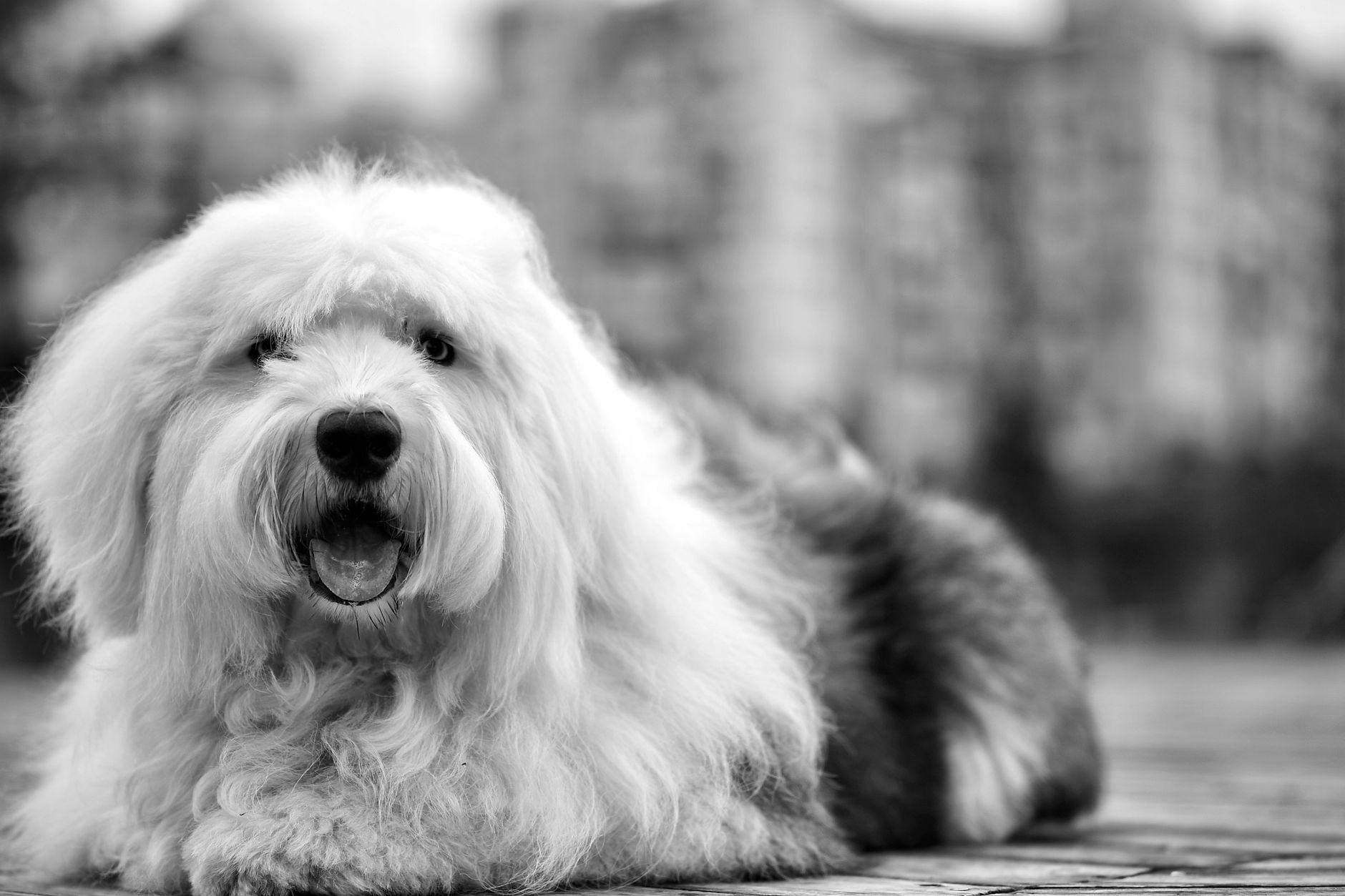
Though they look similar, the Bearded Collie is smaller, lighter, and more agile than the stocky, heavier Old English Sheepdog. Additionally, Beardies have natural, long tails, whereas Old English Sheepdogs traditionally have docked tails.
Sources & Further Reading
- American Kennel Club (AKC)
- Merck Veterinary Manual
- American Veterinary Medical Association (AVMA)
- PetMD