
Borzoi Breed Guide

Quick Summary
The Borzoi is an elegant, giant-sized sighthound known for its quiet, cat-like demeanor indoors and explosive speed outdoors. They are best suited for patient, experienced owners who can provide a secure, six-foot fenced running area and appreciate an independent, sensitive companion rather than a highly demanding working dog.
Quick Facts
- origin countryRussia
- breed groupHound Group (Sighthound)
- sizeGiant
- weight range60 – 105 lbs (27 – 48 kg)
- height range26 – 32+ inches (66 – 81+ cm)
- lifespan9 – 14 years
- coat typeSilky, long, flat, wavy, or slightly curly
- common colorsWhite, cream, gold, red, silver, sable, brindle, black, or grey
- other namesRussian Wolfhound
- recognized byAKC, UKC, FCI
Caring for a Borzoi
In my years treating this breed, I have observed that living with a Borzoi is a study in contrasts: they are absolute couch potatoes indoors, but the moment they spot prey outside, their intense sighthound drive kicks in. I always tell owners that a physical fence of at least six feet is mandatory, as underground electronic fences will not stop a Borzoi in mid-chase. Their unique deep-chested anatomy means owners must strictly manage feeding times and exercise to prevent bloat. Daily exercise is crucial, but it must be in a safely enclosed area because their recall is notoriously unreliable when their predatory instinct is triggered.
Is a Borzoi a good family pet?
Yes, they can be wonderful family companions for homes with older children who understand how to respect a large, sensitive dog. In my clinic, I’ve found they lack the robust playfulness needed for toddlers and can be easily startled by chaotic household environments.
Do Borzois shed a lot?
Yes, they are moderate to heavy shedders, especially during their seasonal ‘blowout’ twice a year. Their long, silky double coat requires thorough brushing two to three times a week to prevent severe matting, particularly behind the ears and in the feathering on their legs.
Is a Borzoi good for first-time owners?
Generally, no, I do not recommend them for novices. Their combination of massive size, independent sighthound temperament, and extreme prey drive requires an experienced handler who understands positive reinforcement training and sighthound behavior.
Temperament & Personality

The Borzoi behaves more like a giant, aristocratic cat than a typical dog. They are intensely quiet, respectful, and dignified indoors, often spending hours curled up on the softest sofa they can find. While deeply affectionate with their family, they tend to be reserved, though rarely aggressive, with strangers. What I see most often in practice is owners mistaking their quiet demeanor for a lack of intelligence; they are highly observant but fiercely independent.
Is a Borzoi good with other pets?
They can co-exist beautifully with other large dogs, but their powerful, hardwired prey drive makes them dangerous for cats, rabbits, and small dogs. Even a Borzoi raised with a cat may react impulsively to a running animal outdoors, so I advise extreme caution and constant supervision.
How much attention does a Borzoi need?
They are quite independent and do not suffer from separation anxiety as easily as some working breeds, but they still crave quiet companionship. They prefer being in the same room as you, quietly observing, rather than demanding constant physical interaction or play.
Training & Behavior
Training a Borzoi requires a shift in mindset; they are sighthounds, not Golden Retrievers, and they do not live to please you. They respond best to short, highly rewarding training sessions utilizing positive reinforcement and high-value treats. Harsh corrections will cause this highly sensitive breed to completely shut down and ignore you.
Training Tips
- Use high-value, smelly treats to keep their focus
- Keep training sessions under 10 minutes to prevent boredom
- Never use harsh physical corrections on this sensitive breed
- Prioritize early socialization before 16 weeks of age
- Train an emergency recall, but never rely on it off-leash
Fun Activities
- Lure coursing
- Straight racing
- Agility (with patient, positive training)
- Conformation showing
- Therapy dog work (due to their quiet nature)
Is a Borzoi easy to train?
No, they are notoriously difficult for those accustomed to eager-to-please breeds. They are highly intelligent but incredibly independent, often assessing whether a command is worth their effort. Consistency, patience, and positive reinforcement are absolute requirements.
Borzoi Health Issues
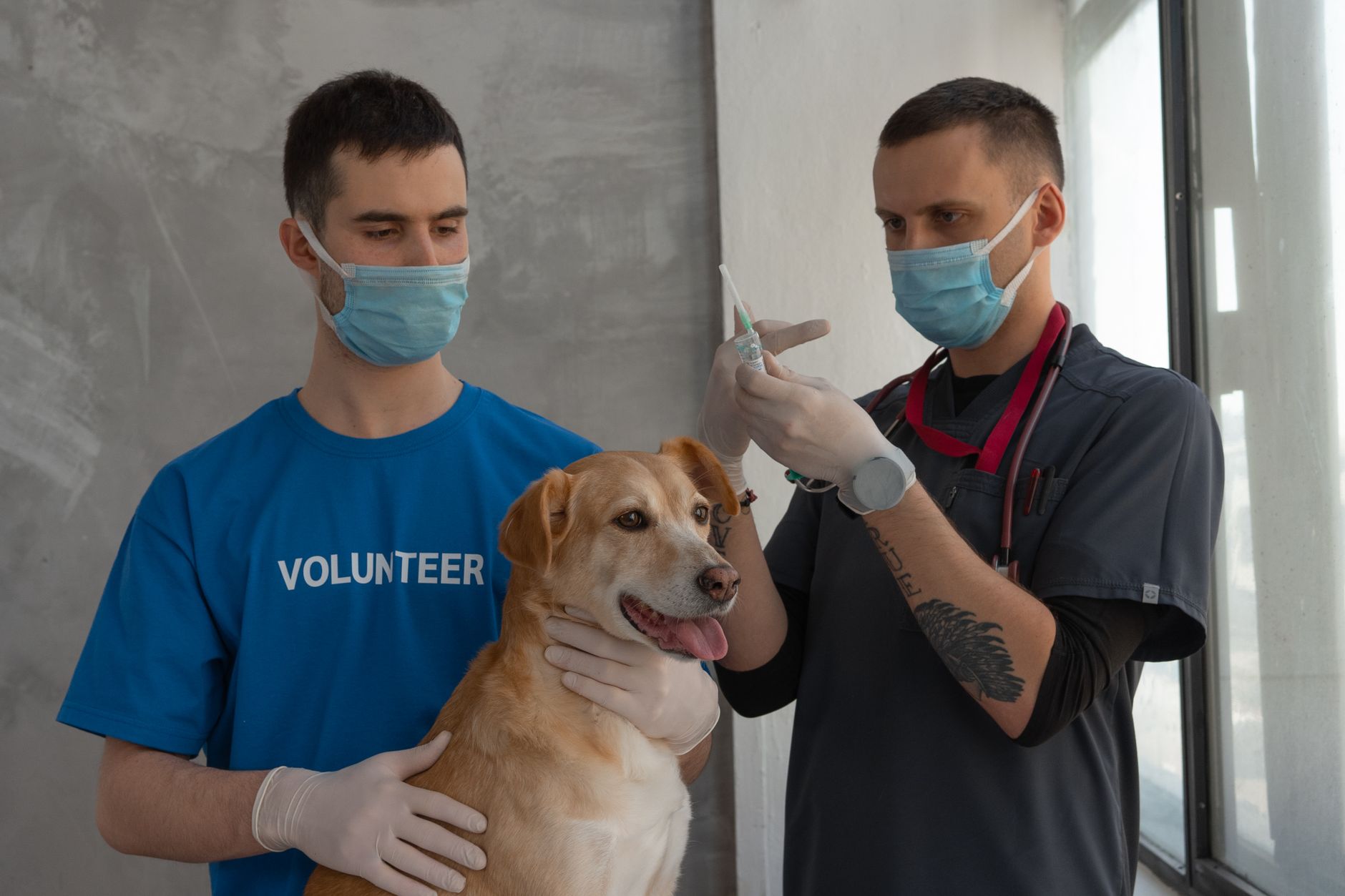
While generally robust and athletic, the Borzoi’s unique deep-chested conformation and giant stature predispose them to several critical health issues. In my practice, the primary concerns are gastric dilatation-volvulus (GDV) and extreme sensitivity to chemical compounds.
Gastric Dilatation-Volvulus (GDV / Bloat)
A life-threatening condition where the stomach fills with gas and twists on its axis, cutting off blood supply. This is a medical emergency that requires immediate surgical intervention; I highly recommend discussing a prophylactic gastropexy (stomach tacking) during spay or neuter.
Anesthetic Sensitivity
Due to their low body fat percentage and unique liver metabolism, Borzois process anesthetics and common veterinary drugs much slower than other breeds. Always ensure your veterinarian is well-versed in sighthound-safe anesthetic protocols (avoiding thiobarbiturates).
Osteosarcoma
A highly aggressive bone cancer that unfortunately affects many giant breeds, including the Borzoi. Early diagnosis is key, though the prognosis often remains guarded even with aggressive treatment like amputation and chemotherapy.
Degenerative Myelopathy (DM)
A progressive, non-painful disease of the spinal cord that leads to gradual paralysis of the hind limbs, typically appearing in older dogs. There is no cure, but physical therapy can help maintain mobility for a time.
Cardiomyopathy (DCM)
Specifically, Dilated Cardiomyopathy, where the heart muscle becomes thin and weak, failing to pump blood efficiently. Regular echocardiograms are recommended for breeding stock to detect early changes.
How long do Borzois typically live?
The typical lifespan of a Borzoi is 9 to 14 years, which is surprisingly long for a giant breed. Maintaining a lean body weight and preventing bloat are the two most critical factors in helping them reach the upper end of this range.
What to Feed a Borzoi
Feeding a Borzoi requires careful planning due to their high risk of bloat and their rapid growth phases as puppies. They must never be allowed to grow too quickly, as this puts immense stress on their developing musculoskeletal system.
Best Diet
A high-quality, large-breed formula that supports controlled growth in puppies and maintains lean muscle mass in adults. For adults, I recommend a diet with a moderate protein level (around 22-26%) and a high-quality grain source, unless specifically contraindicated by your vet.
How to Feed
Always split their daily food intake into at least two or three smaller meals rather than one large feeding. Use slow-feeder bowls and strictly enforce a ‘no exercise’ rule for 1 hour before and 2 hours after every meal to minimize the risk of GDV.
How Much to Feed
Adult Borzois typically require 3 to 4.5 cups of high-quality kibble daily, but this varies wildly based on age, metabolism, and activity level. Work closely with your vet to monitor their body condition score, aiming to always keep them lean and fit.
Nutritional Tips
Consider adding high-quality omega-3 fatty acid supplements to support their joint health and keep their long, silky coat in peak condition. Avoid elevated feeders unless specifically recommended by your vet, as recent studies suggest they may actually increase bloat risk in some deep-chested breeds.
Borzoi Grooming Guide
The Borzoi’s coat is beautiful but requires dedicated maintenance to keep it from matting and tangling. It is a silky double coat that naturally repels dirt, meaning they don’t smell as ‘doggy’ as other breeds, but the feathering needs close attention.
Coat Care
Brush the coat thoroughly 2 to 3 times a week with a pin brush and a slicker brush, paying extra attention to the soft hair behind the ears, under the armpits, and along the thighs where mats easily form. Use a metal comb to gently work out any tangles before they turn into tight knots.
Skin Care
Bathe your Borzoi every 6 to 8 weeks using a gentle, soap-free oatmeal shampoo to preserve the natural oils of their skin. Their skin can be sensitive, so ensure all shampoo is rinsed out completely to prevent contact dermatitis.
Ear Care
Inspect their ears weekly for redness, debris, or a sweet/musty odor, which can indicate an ear infection. Clean them gently using a vet-approved, drying ear cleanser and a cotton ball—never insert cotton swabs into the ear canal.
Nail & Dental Care
Trimming their nails every 2 to 3 weeks is vital to prevent splayfoot and joint pain. Brush their teeth at least 3 times a week with canine-formulated toothpaste to combat periodontal disease, which is highly common in narrow-jawed breeds.
Considerations for Pet Parents
Pros
- Exceedingly quiet and polite house manners
- Infrequent barking makes them great for peaceful homes
- Beautiful, elegant, and unique appearance
- Affectionate but highly respectful of personal space
- Adaptable to apartment living if provided adequate daily sprint exercise
- Very clean dogs with little natural ‘doggy odor’
Cons
- Extreme, hardwired prey drive that makes off-leash roaming impossible
- High risk of life-threatening gastric bloat (GDV)
- Requires a large yard with highly secure 6-foot fencing
- Independent nature makes traditional training a slow, patient process
- Heavy seasonal shedding requires frequent grooming
Best For
An active but calm household with experienced owners who have a large, securely fenced yard. Ideal for someone who appreciates a quiet, independent, cat-like companion and does not require a highly obedient, velcro-type dog.
Not Recommended For
Homes with small pets (like cats, rabbits, or toy dogs) or busy families with chaotic, high-energy young children. They are also not suited for owners who want an off-leash hiking companion or those who cannot commit to rigorous grooming.
Cost
- purchase price$2,000 to $3,500 from a reputable breeder.
- monthly cost$150 to $250 (primarily for high-quality food, grooming supplies, and routine preventative care).
- initial setupInitial setups can cost between $1,500 and $2,500, including a high-quality orthopedic bed, a large crate, a secure 6-foot fence installation, and professional grooming tools.
Similar Breeds

Saluki
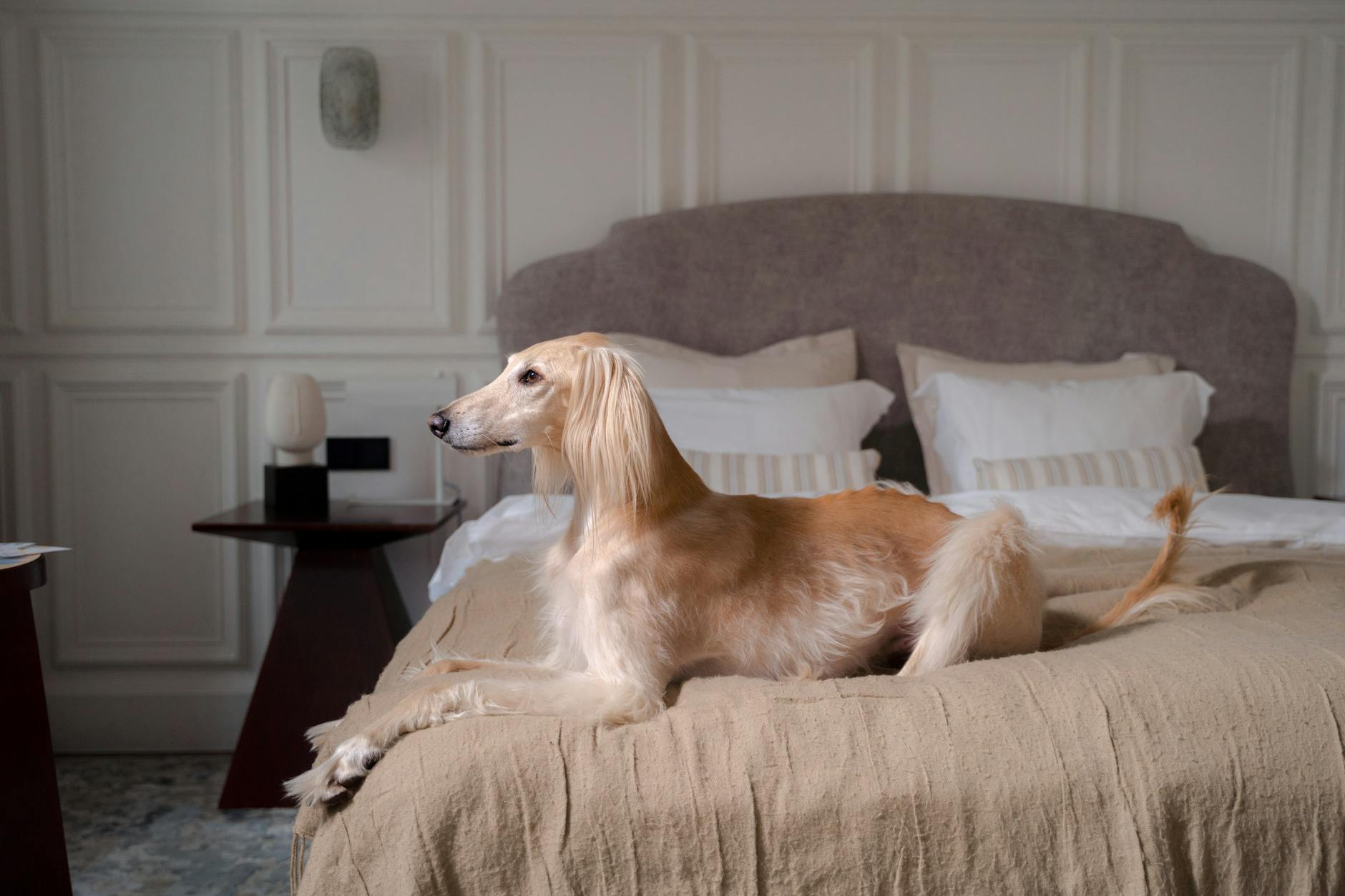
Afghan Hound
Borzoi FAQs
How fast can a Borzoi run?
Borzois are built for raw speed and can reach velocities of up to 35 to 40 miles per hour in short bursts. As sighthounds, they accelerate incredibly quickly, which is why a secure fence and leash-only walks are non-negotiable.
Are Borzois aggressive?
No, Borzois are highly gentle and typically very reserved or aloof with strangers, but they are rarely aggressive. However, their high prey drive should not be mistaken for aggression; chasing a small animal is a predatory instinct, not anger.
Can Borzois live in apartments?
Surprisingly, yes, they can adapt well to apartment living because of their quiet, inactive indoor nature. However, this is only successful if the owner can provide them with daily opportunities to run at full sprint in a securely fenced, enclosed area.
Why does my Borzoi look so skinny?
As sighthounds, Borzois have a naturally lean, aerodynamic body type with a deep chest and tucked waist. In my clinic, I frequently have to reassure owners that seeing the hint of the last two ribs and the tips of the hip bones is completely normal and healthy for this breed.
Are Borzois prone to separation anxiety?
No, compared to many working or herding breeds, Borzois are quite independent and handle being alone reasonably well. However, they still need human companionship and should not be left isolated in a yard or crate for long periods.
Are Borzois hypoallergenic?
No, Borzois are not hypoallergenic. They have a long, double coat that sheds moderately year-round and heavily twice a year, releasing dander and hair that can trigger allergies.
How do Borzois tolerate hot and cold weather?
Their thick, silky double coat protects them very well in cold weather, and they generally enjoy playing in the snow. However, they do not tolerate extreme heat well and can easily overheat due to their size; they must have access to air conditioning and shade in summer.
Should I get a male or female Borzoi?
In my experience, male Borzois tend to be larger, carry more dramatic coats, and are often slightly more easy-going and affectionate. Females are highly independent, slightly smaller, and can be more strong-willed, though both genders make excellent, quiet companions.
At what age does a Borzoi finish growing?
Borzois are a giant breed and grow slowly, taking about 2 to 3 years to reach their full skeletal maturity and physical fill-out. During this time, it is vital to feed a large-breed puppy diet to ensure their growth plates develop at a safe, controlled rate.
Can a Borzoi be off-leash?
Absolutely not in an unfenced area. No matter how well-trained you believe your Borzoi is, their sighthound instinct to chase moving objects is stronger than any recall command, and they can be half a mile away before you can react.
What is a prophylactic gastropexy, and should my Borzoi have one?
A prophylactic gastropexy is a surgical procedure where the stomach is tacked to the abdominal wall to prevent it from twisting during a bloat episode. Because Borzois are at an extremely high risk for GDV, I highly recommend discussing this procedure with your vet, usually performed at the time of spaying or neutering.
How much exercise does an adult Borzoi need daily?
An adult Borzoi needs about 45 to 60 minutes of daily exercise, which should include a brisk walk combined with a chance to sprint in a safely enclosed area. They do not require the endless endurance exercise of a husky, but short, intense bursts of running are vital for their mental health.
Do Borzois bark a lot?
No, Borzois are remarkably quiet dogs and rarely bark, earning them a reputation as excellent neighbors. If they do bark, it is usually a single, deep alert bark to signal that someone has arrived at the home.
Are Borzois sensitive to medications?
Yes, sighthounds have unique metabolic pathways, particularly in the liver, making them highly sensitive to certain medications, chemical flea/tick treatments, and anesthetics. Always ensure your veterinarian is experienced in sighthound medicine before any major procedures.
Can Borzois climb fences?
While they are not typical fence-climbers, their incredible athletic ability allows them to easily clear low barriers from a standing jump. A secure, solid fence of at least 6 feet is highly recommended to keep them safely contained.
Sources & Further Reading
- American Kennel Club (AKC)
- Merck Veterinary Manual
- American Veterinary Medical Association (AVMA)
- PetMD