
Elf Cat Breed Guide

Quick Summary
The Elf Cat is an incredibly affectionate, highly active, hairless breed distinguished by its unique curled ears, developed by crossing the Sphynx and the American Curl. Ideal for dedicated owners who can commit to an intensive, hands-on skin and ear hygiene routine, this social ‘velcro cat’ thrives in active, indoor-only households where they are rarely left alone.
Quick Facts
- origin countryUnited States
- breed groupExperimental / Hybrid (Sphynx x American Curl)
- sizeMedium
- weight range8 to 15 pounds
- height range8 to 10 inches
- lifespan12 to 15 years
- coat typeHairless (fine peach fuzz may be present)
- common colorsAll colors and patterns, including pointed, tabby, and solid
- other namesElf Sphynx, Curled-Ear Sphynx
- recognized byTICA (registered as experimental)
Caring for a Elf Cat
Living with an Elf Cat is a highly interactive, tactile experience that feels more like living with a mischievous toddler than a typical independent feline. Because they lack a protective coat, their skin accumulates natural sebum that would normally be absorbed by fur, requiring weekly bathing and meticulous ear cleanings to prevent yeast infections. I always tell owners that they must keep their home climate-controlled and invest in a quality wardrobe of soft cat sweaters to prevent hypothermia during cooler months. Their high metabolism means they burn calories quickly, requiring a premium, calorie-dense diet to maintain their body heat.
Is a Elf Cat a good family pet?
Absolutely. In my practice, I see Elf Cats thrive in family environments because they possess an outgoing, almost dog-like curiosity and love being the center of attention. They generally get along wonderfully with respectful children who understand how to handle their delicate, hairless skin safely.
Do Elf Cats shed a lot?
No, Elf Cats do not shed because they are hairless or possess only a microscopic layer of downy peach fuzz. However, instead of shedding fur, they shed dander and secrete skin oils that transfer onto furniture, requiring regular skin wipes and laundry cycles for their bedding.
Is a Elf Cat good for first-time owners?
Generally, no. I advise first-time cat owners to avoid the Elf Cat due to their intense, non-negotiable grooming requirements, high susceptibility to temperature extremes, and prone nature to separation anxiety if left alone.
Temperament & Personality
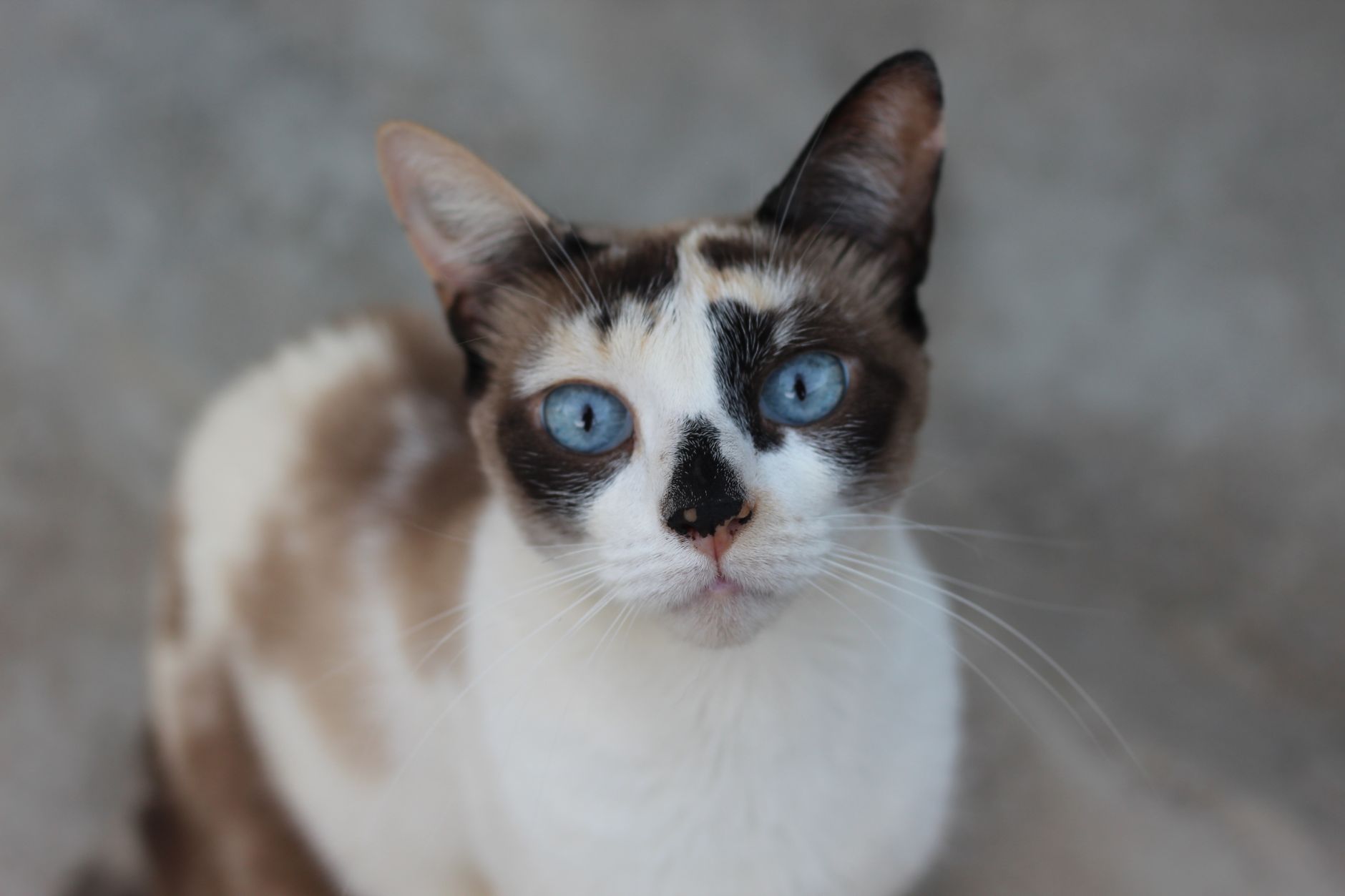
The Elf Cat’s personality is nothing short of explosive—they are relentless socialites who demand physical contact and cognitive stimulation. In the clinic, an Elf Cat won’t hide; they are busy climbing onto my shoulders, purring wildly, and inspecting my stethoscope. They have zero concept of personal space and will follow you from room to room, acting as your shadow throughout the day. Their emotional intelligence is incredibly high, making them highly sensitive to their owner’s moods.
Is a Elf Cat good with other pets?
Yes, they are highly gregarious and typically welcome the company of other cats and cat-friendly dogs. In fact, because they dislike being alone, having a companion pet is an excellent way to prevent separation anxiety and keep them warm.
How much attention does a Elf Cat need?
An immense amount. These are not independent cats that can be ignored; they require several hours of active interaction daily and will actively protest with vocalizations or destructive behavior if they feel neglected.
Training & Behavior
Elf Cats are exceptionally bright and highly motivated by both food and positive attention, making them surprisingly easy to train compared to other breeds. Their innate curiosity drives them to solve puzzles, and they can easily learn commands if you use positive reinforcement. However, their intelligence also means they can quickly learn how to open cabinets and manipulate door handles, requiring proactive home-proofing.
Training Tips
- Use high-value, smelly treats like freeze-dried chicken to hold their focus
- Keep training sessions short—about 3 to 5 minutes—to match their fast-paced energy
- Introduce clicker training early to teach target training and basic commands
- Consistently reward desired behaviors immediately to reinforce the action
- Establish firm boundaries early to prevent jumping onto dangerous kitchen counters
Fun Activities
- Interactive puzzle feeders
- Leash walking with a specialized, soft harness
- Fetch with lightweight crinkle balls
- Agility courses using agility tunnels and hoops
- Teaching tricks like ‘sit’, ‘high-five’, and ‘come’
Is a Elf Cat easy to train?
Yes, they are highly trainable due to their intelligence and eagerness to interact. Using clicker training and positive reinforcement, most owners can teach them to fetch, sit, and walk on a leash with relatively little effort.
Elf Cat Health Issues
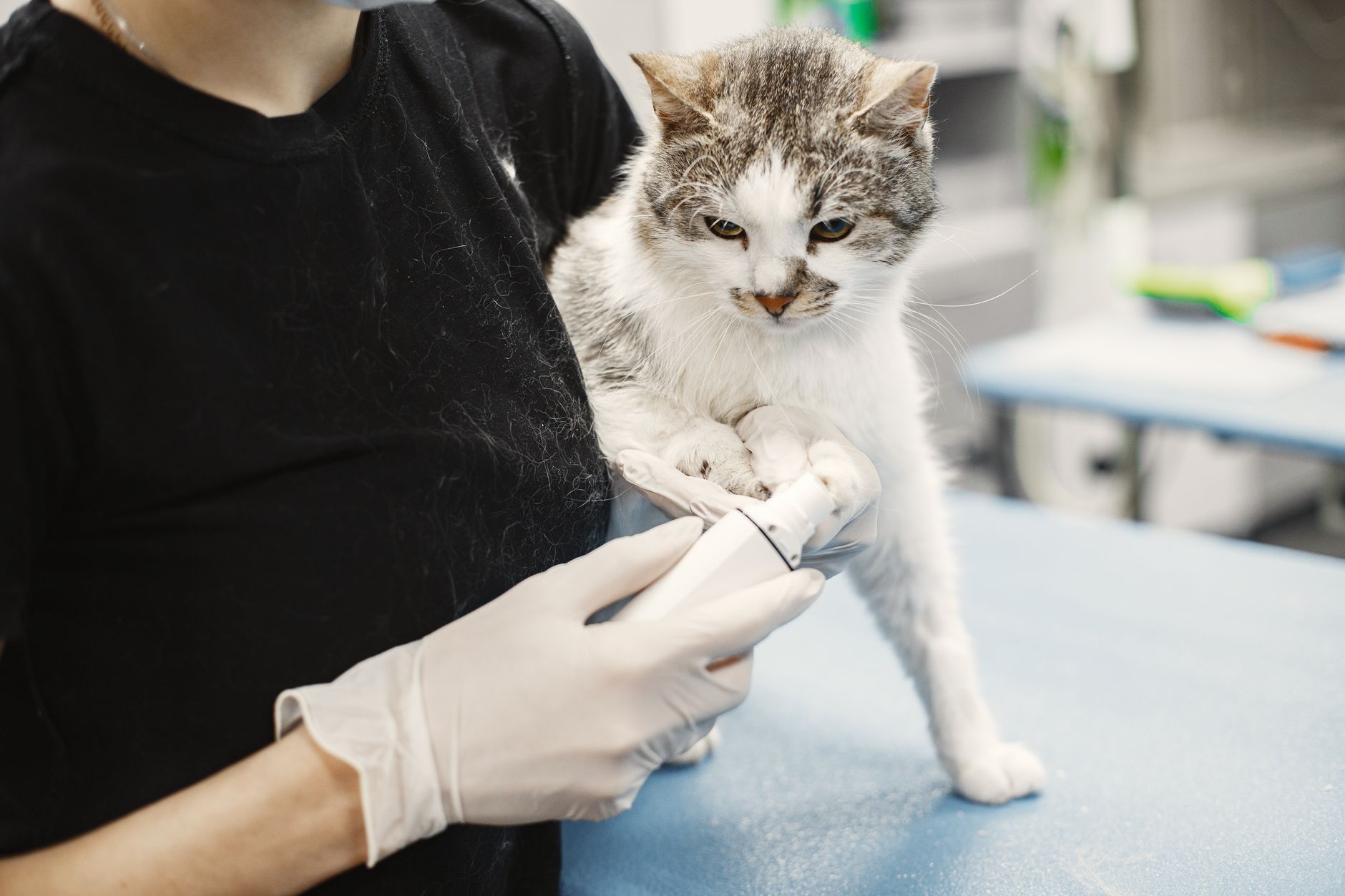
While the Elf Cat benefits from the genetic diversity of the American Curl, they are still prone to several hereditary conditions associated with the Sphynx lineage. Regular veterinary screening, particularly echocardiograms for cardiac health, is crucial for early detection of genetic diseases.
Hypertrophic Cardiomyopathy (HCM)
A genetic heart disease where the heart muscle becomes abnormally thick, potentially leading to heart failure or blood clots.
Otitis Externa (Ear Infections)
The curled, narrow structure of their ears combined with lack of protective hair makes them highly prone to heavy wax accumulation and secondary yeast or bacterial infections.
Feline Cutaneous Mastocytosis & Solar Dermatitis
Due to their lack of protective fur, their skin is highly vulnerable to sunburn (solar dermatitis), skin cancers, and inflammatory skin conditions.
Periodontal Disease
Elf Cats are highly susceptible to early-onset dental disease, plaque accumulation, and painful gingivitis due to genetic predispositions.
Hypothermia
Lacking a coat, they struggle to regulate their body temperature in cool environments, putting them at immediate risk of cold stress.
How long do Elf Cats typically live?
With diligent indoor care, regular veterinary checkups, and meticulous skin hygiene, an Elf Cat typically lives between 12 to 15 years. Regular cardiac screenings can play a significant role in maximizing their lifespan.
What to Feed a Elf Cat
Elf Cats have an incredibly high metabolic rate because they must constantly burn energy to generate body heat. This high metabolism means they consume more food by weight than haired cats of similar size and require premium-quality, nutrient-dense nutrition.
Best Diet
I highly recommend a premium, high-protein, moderate-fat diet formulated for active breeds. High-quality wet food is excellent for ensuring optimal hydration, which supports kidney function and keeps their skin hydrated from the inside out.
How to Feed
Because of their fast metabolism, I recommend feeding adult Elf Cats 3 to 4 small, scheduled meals throughout the day rather than a single large meal. Alternatively, a microchip-activated feeder can offer portion-controlled dry food for grazing alongside wet meals.
How Much to Feed
Portion sizes should be determined based on their weight, body condition score, and activity level, typically requiring 30% more calories than a standard haired cat. Always consult your veterinarian to calculate exact daily caloric requirements to prevent obesity while maintaining metabolic warmth.
Nutritional Tips
Incorporate omega-3 and omega-6 fatty acids (such as wild salmon oil) into their diet to support skin barrier health and reduce inflammatory skin issues. Always provide fresh, filtered water in multiple locations, ideally using a pet fountain to encourage drinking.
Elf Cat Grooming Guide
Grooming an Elf Cat is not optional; it is a clinical necessity to prevent painful skin infections, blocked pores, and severe ear disease. Unlike haired cats, you are responsible for managing their skin’s natural oils and protecting their unique ears.
Coat Care
While they have no coat to brush, they require a bath every 1 to 2 weeks using a gentle, vet-approved, hypoallergenic, oatmeal-based shampoo. Between baths, wipe down their skin folds daily with warm, damp cloths to prevent oil buildup.
Skin Care
Protect their skin from sun exposure by applying pet-safe, non-toxic sunscreen if they sit by sunny windows, and always provide soft, clean sweaters that are washed frequently in fragrance-free detergent.
Eye Care
Because they lack eyelashes to trap dust, wipe their eyes daily with a clean, damp cotton ball or veterinary eye wipe to remove tear buildup.
Ear Care
Clean their curled ears weekly using a veterinarian-recommended ear cleaner and cotton balls; never use Q-tips inside the delicate, narrow canal.
Nail & Dental Care
Clean their nail beds weekly with a damp cloth, as sebum builds up around the cuticles, and brush their teeth daily with cat-safe enzymatic toothpaste.
Considerations for Pet Parents
Pros
- Extremely affectionate and loving companion
- Highly intelligent and easy to train
- Very low shedding, making home cleanup easier
- Excellent compatibility with other pets and active families
- Playful, dog-like, entertaining personality
- Unique, striking appearance that stands out
Cons
- High-maintenance grooming and bathing schedule
- Prone to ear infections due to curled ear structure
- Vulnerable to extreme temperatures and sunburn
- Prone to separation anxiety if left alone for long periods
- High food consumption and associated dietary costs
Best For
Dedicated owners who work from home or have a multi-pet household, and are fully committed to a rigorous, lifelong weekly bathing and ear cleaning routine.
Not Recommended For
Busy professionals who are out of the house for long hours, families unwilling to manage intense grooming needs, or those who keep a cool, drafty home environment.
Cost
- purchase price$1,500 to $3,500
- monthly cost$150 to $250
- initial setupExpect to spend $500 to $1,000 initially on high-quality heated beds, cat sweaters, ear cleaning solutions, specialized shampoos, dental care kits, and scratching posts.
Similar Breeds


Related Cat Guides
Elf Cat FAQs
Are Elf Cats completely hypoallergenic?
No cat is entirely hypoallergenic. Elf Cats do not shed fur, but they still produce the Fel d 1 protein in their saliva, dander, and skin oils, which can trigger allergies in sensitive individuals.
Why are their ears curled?
Their ears are curled due to a dominant gene inherited from the American Curl breed. This gene affects the cartilage in the ears, causing them to gently curve backward in a distinct, attractive arc.
Do Elf Cats need to wear clothes?
Yes, especially during cooler months. Because they lack fur, they cannot insulate themselves well, so soft, breathable sweaters help them retain body heat and prevent hypothermia.
How often do you need to bathe an Elf Cat?
In my practice, I recommend bathing them every 1 to 2 weeks. Bathing too frequently can strip their skin of essential oils, while bathing too infrequently leads to greasy buildup, blocked pores, and skin infections.
Can Elf Cats go outside?
No, Elf Cats must be strictly indoor cats. Their lack of fur leaves them vulnerable to sunburn, skin cancer, rapid hypothermia, insect bites, and physical injuries.
Why is my Elf Cat’s skin so greasy?
All cats produce sebum (skin oil), but haired cats have fur to absorb it. On an Elf Cat, this oil accumulates directly on the skin surface, requiring regular bathing and wiping to keep it balanced.
Do Elf Cats have whiskers?
Some Elf Cats may have short, broken whiskers, while others may have no whiskers at all. This is normal for hairless breeds and does not affect their ability to navigate.
Are Elf Cats prone to sunburn?
Yes, their exposed skin burns very easily under direct sunlight. Keep them away from intense window sunlight during peak hours or apply a vet-approved, cat-safe sunscreen.
How do I clean my Elf Cat’s ears?
Fill the ear canal with a vet-approved ear cleaning solution, massage the base of the ear to break up wax, and gently wipe away the debris with a cotton ball—never insert a cotton swab into the canal.
Why do Elf Cats eat so much?
Because they lack a coat to insulate them, their bodies must work constantly to generate heat. This requires a remarkably high metabolism, which demands a greater caloric intake to maintain their body temperature.
Are Elf Cats loud or vocal?
They are moderately vocal cats. They will happily chirp, purr loudly, and meow to communicate their desires, particularly when they want food, attention, or a warm lap to snuggle on.
What is the temperament difference between an Elf Cat and a Sphynx?
They are incredibly similar, but many owners note that the American Curl lineage gives the Elf Cat an extra touch of quiet, playful curiosity alongside the classic Sphynx velcro personality.
Can I use baby wipes on my Elf Cat?
I advise against using standard baby wipes, as they often contain fragrances and chemicals that can disrupt the feline skin pH. Instead, use specialized, unscented, pet-safe grooming wipes.
Do Elf Cats get blackheads?
Yes, they can develop blackheads (comedones), particularly on their chin and tail, if their skin oils build up. Regular gentle bathing and cleaning of these areas can prevent blockages.