
Maine Coon Polydactyl Breed Guide
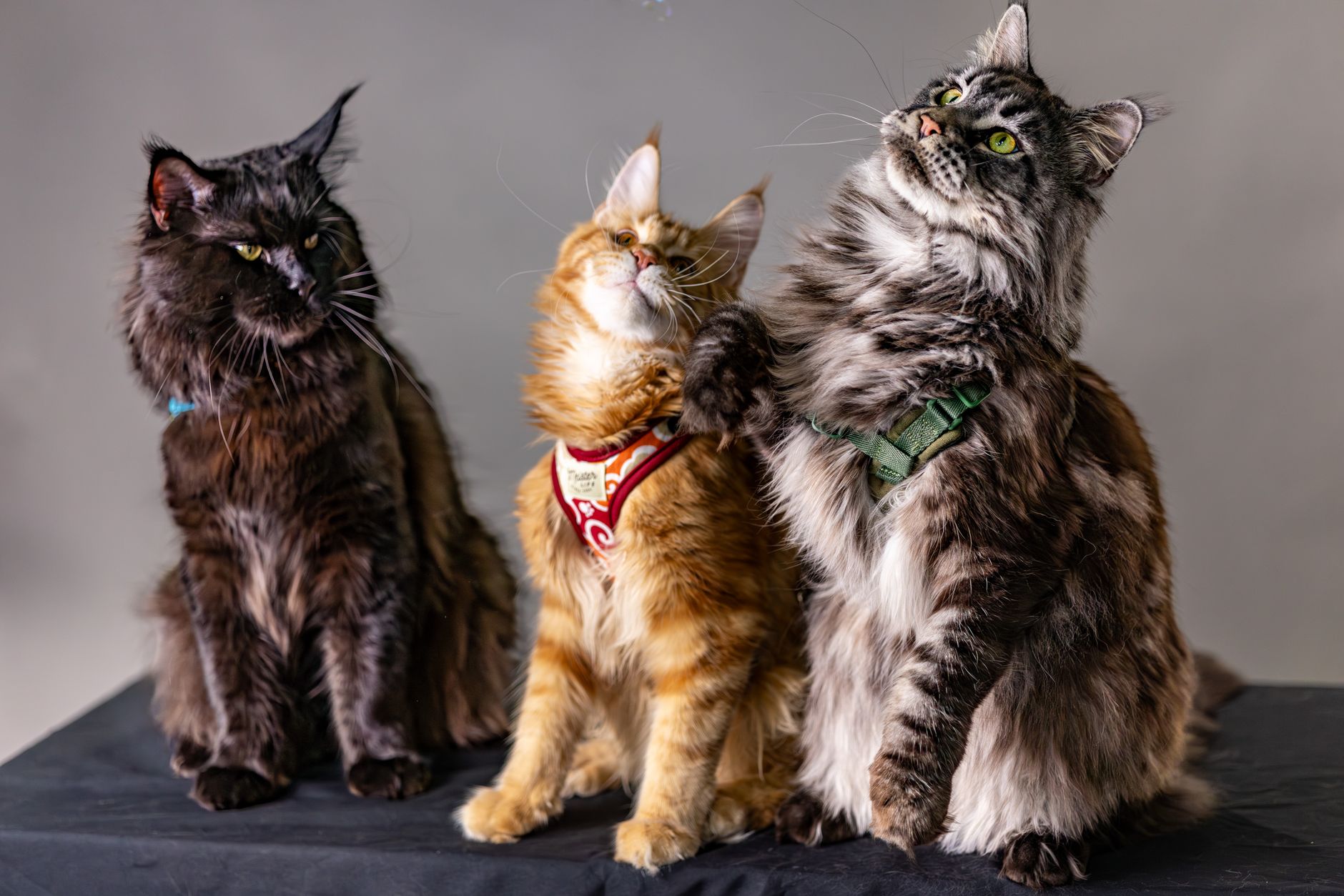
Quick Summary
As a veterinarian who has managed dozens of these gentle giants, I can tell you that the Maine Coon Polydactyl is an exceptionally affectionate, large-framed companion distinguished by its massive, multi-toed paws. They are highly social, dog-like in behavior, and best suited for families who can dedicate time to active play and rigorous claw maintenance.
Quick Facts
- origin countryUnited States
- breed groupNatural Breed / Longhair
- sizeGiant
- weight range11 – 25 lbs (5 – 11.3 kg)
- height range10 – 16 inches (25 – 40 cm)
- lifespan12 – 15 years
- coat typeHeavy, water-resistant double coat with shaggy ruff and britches
- common colorsBrown tabby, black, silver tabby, red tabby, solid white, and tortie
- other namesPolydactyl Maine Coon, Poly Maine Coon
- recognized byTICA, CFA (AOV/Provisional status)
Caring for a Maine Coon Polydactyl
In my practice, managing a Maine Coon Polydactyl is a rewarding commitment that centers heavily on joint protection and intensive paw care. Because they possess extra digits (often up to 7 per paw), these cats require meticulous weekly nail trims to prevent painful ingrown claws. Their giant frames mean you must invest in heavy-duty climbing trees and extra-large litter boxes to accommodate their length. Day-to-day life involves managing a highly social, interactive animal that expects to participate in every household activity.
Is a Maine Coon Polydactyl a good family pet?
Absolutely; their highly patient, gentle-giant demeanor makes them exceptionally well-suited for families with children. In my clinical experience, they are highly tolerant of busy households, though kids must be taught to handle their heavy bodies and unique paws safely.
Do Maine Coon Polydactyls shed a lot?
Yes, they possess a dense, double coat that sheds moderately year-round and heavily during seasonal shifts in spring and autumn. Regular brushing at least three times a week is essential to prevent painful matting, especially under the armpits and around the britches.
Is a Maine Coon Polydactyl good for first-time owners?
They can be, provided the owner is fully prepared for the intensive grooming and paw maintenance they require. If you are intimidated by frequent nail trimming and high food costs, a low-maintenance breed may be a safer starting point.
Temperament & Personality
Maine Coons are famously dubbed the ‘dogs of the cat world,’ and the polydactyl variety is no exception. They exhibit an inquisitive, highly social temperament, often greeting owners at the door and following them from room to room. Unlike many cat breeds, they do not typically prefer high perches, instead choosing to lounge at eye-level or on the floor near their human companions. Their vocalizations are charmingly soft, consisting of chirps and trills rather than loud meows.
Is a Maine Coon Polydactyl good with other pets?
Yes, in my clinical history, they integrate seamlessly with other household pets, including friendly dogs and other cats. Their confident, non-aggressive nature allows them to share territory easily, often forming close bonds with canine companions.
How much attention does a Maine Coon Polydactyl need?
They require a significant amount of daily interaction and do not thrive if left isolated for long stretches. I advise owners to dedicate at least 30 to 45 minutes daily to direct interactive play and grooming to keep them mentally stimulated and emotionally secure.
Training & Behavior
These cats are highly trainable due to their high intelligence and desire to please their human companions. They respond exceptionally well to positive reinforcement techniques, such as clicker training, and can easily learn to fetch or walk on a harness. However, their physical dexterity—enhanced by their opposable-feeling polydactyl paws—means they can quickly learn to open cabinets and doors.
Training Tips
- Use high-value, protein-rich treats like freeze-dried chicken to reward positive behaviors.
- Introduce harness training early, starting at 12 to 16 weeks of age, utilizing a secure, H-style harness.
- Incorporate clicker training to teach commands like ‘sit’ and ‘high-five’ using their large paws.
- Establish strict boundaries early regarding counter-jumping and cabinet opening before they reach adult size.
Fun Activities
- Playing fetch with crinkle balls or soft plush mice
- Splashing in shallow water dishes or participating in monitored water play
- Learning to navigate indoor agility courses
- Going for walks outdoors on a secure leash and harness
- Solving advanced food puzzles to exercise their problem-solving skills
Is a Maine Coon Polydactyl easy to train?
Yes, they are among the easiest cat breeds to train due to their canine-like focus and high food motivation. Consistency is key, and I always advise starting clicker training during kittenhood to channel their active minds positively.
Maine Coon Polydactyl Health Issues

While robust, Maine Coon Polydactyls are genetically predisposed to several inherited conditions that require active veterinary monitoring. Annual echocardiograms and genetic screening are vital clinical tools for this breed.
Hypertrophic Cardiomyopathy (HCM)
An inherited thickening of the heart’s left ventricle muscle wall, which can lead to sudden heart failure or blood clots. We screen for this using a specific DNA test for the MyBPC3 gene mutation, alongside annual echocardiograms.
Hip Dysplasia
A malformation of the ball-and-socket hip joint that is highly prevalent in large-frame cats, leading to painful osteoarthritis. In my practice, I manage this with weight control, joint supplements, and occasionally surgery.
Polydactyl Nail Overgrowth & Trauma
Due to the extra digits, claws can grow at unusual angles, often failing to wear down naturally and curling back into the sensitive paw pad. The tight webbed spaces between extra toes are also highly prone to trapping moisture, causing localized skin infections.
Spinal Muscular Atrophy (SMA)
A genetic motor neuron disease that causes progressive muscle wasting and weakness in the hindquarters. While not painful, it significantly impacts mobility and requires lifelong environmental accommodations.
Stomatitis and Periodontal Disease
Severe, painful inflammation of the oral tissues and gums that is common in Maine Coons. Early dental intervention, daily brushing, and routine professional cleanings under anesthesia are critical to prevent widespread tooth loss.
How long do Maine Coon Polydactyls typically live?
With proper veterinary care, genetic screening, and weight management, they typically live between 12 and 15 years. Regular cardiac screenings are the single best way to ensure they reach their full lifespan potential.
What to Feed a Maine Coon Polydactyl
Feeding a giant-breed cat like a Maine Coon requires a careful balance to prevent obesity, which is devastating to their prone joints. Because they grow slowly—often not reaching full physical maturity until 3 to 5 years of age—their diet must support prolonged development.
Best Diet
I recommend a high-protein, moderate-fat wet food diet formulated for large breeds to support joint health and preserve lean muscle mass. Formulations rich in Omega-3 fatty acids, glucosamine, and chondroitin are ideal for protecting their heavy-bearing joints.
How to Feed
I strongly advise against free-feeding dry food. Instead, implement a strict schedule of 2 to 3 portion-controlled meals per day using heavy, wide ceramic or stainless steel bowls to prevent tipping.
How Much to Feed
Portions must be tailored to the individual cat’s lean weight, age, and activity level under veterinary guidance. A typical adult male may require 300 to 450 calories daily, but you must consult your vet to avoid overfeeding.
Nutritional Tips
Incorporate daily joint health supplements containing DHA, EPA, and green-lipped mussel extract early in life. Ensure they have constant access to fresh, running water via a pet fountain to reduce the risk of urinary tract issues.
Maine Coon Polydactyl Grooming Guide
Grooming a Maine Coon Polydactyl is a hands-on, high-commitment task that demands specialized tools and a calm routine. Neglecting their coat or paws can quickly lead to painful clinical issues like matting or embedded claws.
Coat Care
Brush their shaggy double coat at least three to four times a week using a high-quality steel greyhound comb and a slicker brush. Pay close attention to friction-prone areas like the armpits, chest, and ‘pants’ where painful matting occurs rapidly.
Skin Care
Regularly check the deep skin folds between their extra polydactyl digits for signs of redness, moisture buildup, or yeast infections. Clean these crevices gently with a damp, vet-approved antiseptic wipe if debris accumulates.
Eye Care
Wipe away sleep discharge from the corners of their large eyes using a clean, damp, warm cotton ball, using a fresh ball for each eye.
Ear Care
Inspect their large, tufted ears weekly for wax buildup or redness; clean them gently with an alcohol-free, vet-approved ear flush if debris is present.
Nail & Dental Care
Trim all claws—including the hidden ‘mitten’ claws on their extra toes—every 10 to 14 days to prevent painful ingrowth. Brush their teeth daily with veterinary enzymatic toothpaste to combat their high genetic risk for periodontal disease.
Considerations for Pet Parents
Pros
- Exceptionally affectionate, loyal, and family-friendly temperament
- Fascinating, unique physical appearance with massive ‘mitten’ paws
- Highly intelligent, trainable, and capable of learning tricks
- Adapts beautifully to multi-pet households, including those with dogs
- Highly entertaining, playful personality that lasts well into senior years
- Charming, quiet vocalizations that are pleasant and non-disruptive
Cons
- Extremely high grooming requirements with a high risk of severe matting
- Prone to painful ingrown claws requiring strict, bi-weekly trims
- Significantly higher food, medication, and veterinary costs due to giant size
- Increased genetic predisposition to serious cardiac and joint diseases
Best For
Active families, experienced cat owners, and individuals who are home frequently and can commit to intensive grooming, training, and routine veterinary care.
Not Recommended For
Busy professionals who travel frequently, those on a tight budget unable to afford specialty veterinary care, or owners physically unable to manage a large, powerful cat.
Cost
- purchase price$1,500 – $3,500+
- monthly cost$150 – $250
- initial setupExpect to spend $500 – $1,000 initially on specialized giant-breed gear, including heavy-duty scratching posts, extra-large litter pans, and high-quality grooming tools.
Similar Breeds


Maine Coon Polydactyl FAQs
What is the genetic cause of polydactyly in Maine Coons?
Polydactyly is caused by an autosomal dominant genetic mutation of the Pd gene, which alters the expression of sonic hedgehog (Shh) signaling in the developing paw. It is not a disease, but rather a benign physical trait that is passed down when at least one parent carries the gene.
Are polydactyl claws harder to trim?
Yes, they can be significantly more challenging because the extra claws often grow at odd angles, sometimes in tight pockets between the toes. I always instruct my clients to carefully feel between the extra digits to ensure no ‘hidden’ claws are missed during their bi-weekly trim.
Does polydactyly cause pain or health issues for the cat?
The condition itself is painless and does not cause systemic health issues. However, if the extra claws are neglected, they can easily curl around and grow directly into the paw pads, causing painful infections and requiring surgical extraction.
Can a Maine Coon Polydactyl catch mice better?
Historically, sailors and farmers valued them precisely for this; their wider paws act like snowshoes and give them superior grip, making them highly efficient hunters. While they have excellent physical dexterity, they should be kept indoors to protect local wildlife.
Do they require a special type of litter box?
Yes, standard litter boxes are entirely inadequate for their massive length and broad paws. I recommend buying heavy-duty storage totes with high sides or specialized extra-large, open-topped boxes so they have room to turn around comfortably.
How big do Maine Coon Polydactyls get?
Adult males typically weigh between 15 and 25 pounds, while females range from 10 to 18 pounds. From nose to tail-tip, they can easily measure up to 40 inches long, making them one of the largest domestic cat breeds.
At what age are they fully grown?
Unlike standard cats that mature by 12 months, Maine Coons grow exceptionally slowly. They typically do not reach their full skeleton size, musculature, and coat density until they are between 3 and 5 years old.
Are they prone to heart problems?
Yes, the breed is genetically predisposed to Hypertrophic Cardiomyopathy (HCM). It is critical to request DNA testing of the parents for the MyBPC3 gene mutation and ensure your cat undergoes annual cardiac ultrasounds.
Do Maine Coon Polydactyls like water?
Many do! Their dense, water-resistant double coats make them less prone to getting soaked, and they are famously fascinated by running water, often patting at faucets or splashing in their water bowls.
Is the polydactyl trait recognized by cat registries?
Yes, TICA (The International Cat Association) fully recognizes the Maine Coon Polydactyl for championship status. The CFA (Cat Fanciers’ Association) historically restricted them but now permits them for registration and breeding purposes under specific classes.
How often should I bathe a Maine Coon Polydactyl?
Baths are generally only needed every 2 to 3 months, or if their long coat becomes soiled with litter or feces. Regular brushing is far more important than bathing for maintaining their skin and coat health.
Can I prevent hip dysplasia in my Maine Coon?
While you cannot prevent a genetic predisposition, you can significantly reduce its severity. Keep your cat at a lean, healthy weight, provide high-quality joint supplements early in life, and avoid high-impact jumping exercises.
Why does my Maine Coon follow me everywhere?
This is a hallmark breed trait; they are incredibly social, human-centric animals that view themselves as active members of the family. They thrive on companionship and prefer to be in the same room as their owners at all times.
Sources & Further Reading
- The Cat Fanciers’ Association (CFA)
- Cornell University College of Veterinary Medicine
- International Cat Care
- PetMD