
Oriental Shorthair Breed Guide
Quick Summary
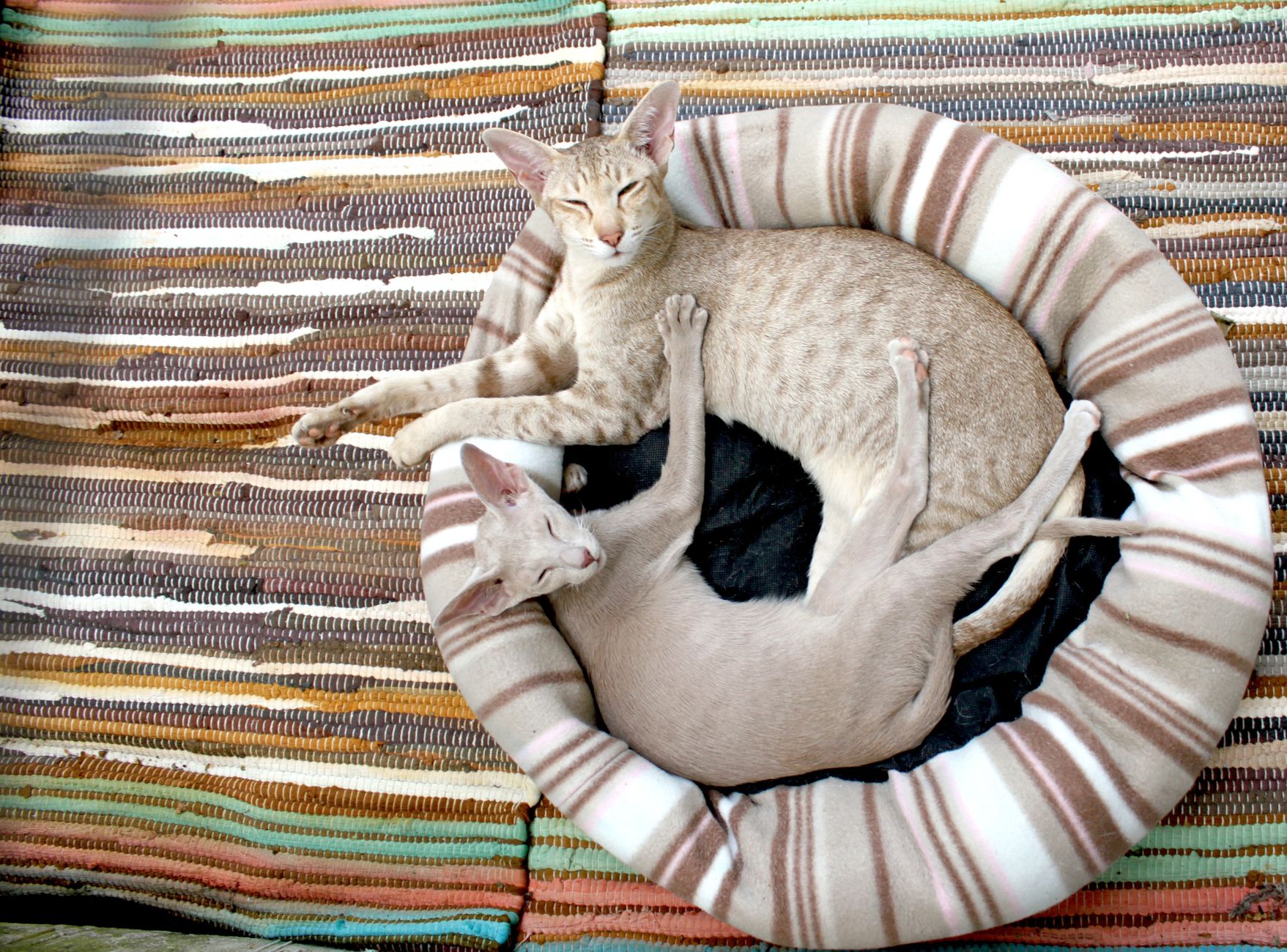
The Oriental Shorthair is an intensely social, highly vocal, and incredibly active companion that behaves more like a loyal shadow than an independent feline. Best suited for dynamic households where someone is usually home, this breed demands human engagement, thrives in multi-pet environments, and will happily converse with you all day long.
Quick Facts
- origin countryUnited States
- breed groupShorthair (Siamese style)
- sizeMedium, elegant, and elongated
- weight range5 to 12 pounds (2.3 to 5.4 kg)
- height range9 to 11 inches (23 to 28 cm)
- lifespan12 to 15 years
- coat typeVery short, fine, close-lying, and glossy
- common colorsOver 300 combinations including ebony, white, chestnut, lavender, blue, cream, silver, tabby, tortie, and bi-color
- other namesForeign Shorthair, ‘Rainbow Cat’
- recognized byCFA, TICA, FIFe, GCCF, WCF
Caring for a Oriental Shorthair
Living with an Oriental Shorthair is a full-time interactive experience; I always tell owners to expect a permanent shadow that wants to inspect every grocery bag and sit on your shoulder while you work. These cats have boundless athletic energy and require vertical spaces like tall cat trees, alongside interactive puzzle toys to keep their sharp minds occupied. Because of their ultra-short coats, they are highly sensitive to drafts and cold, meaning you will often find them burying themselves deep under your bedcovers or seeking out sunny window perches.
Is a Oriental Shorthair a good family pet?
Yes, they are outstanding family pets for active households, as they love having multiple people to play with and cuddle. They generally get along wonderfully with respectful children who can offer them the attention they crave. However, they do not tolerate being ignored or left out of family activities.
Do Oriental Shorthairs shed a lot?
No, they shed very minimally compared to other breeds due to their single, ultra-short, close-lying coat that lacks a dense undercoat. Weekly grooming with a damp cloth or a soft rubber brush is usually more than enough to keep loose hairs under control, making them a very low-maintenance choice for grooming.
Is a Oriental Shorthair good for first-time owners?
Generally, no, unless the owner is fully prepared for an incredibly needy and high-energy cat. First-time owners are often overwhelmed by their constant vocalization, intense demands for attention, and tendency to get into mischief when bored. They thrive best with owners who understand high-energy, social breeds.
Temperament & Personality
The Oriental Shorthair possesses an exceptionally vibrant, extroverted, and deeply affectionate personality that resembles a canine companion. They do not just tolerate human interaction; they demand it, often following you from room to room while keeping up a constant, raspy conversation. I’ve found that they form incredibly tight bonds with their chosen humans and can actually become depressed or destructive if left alone for long stretches. Their curiosity is unmatched, meaning closed doors are viewed as personal challenges that must be overcome.
Is a Oriental Shorthair good with other pets?
Absolutely, they thrive in the company of other animals, particularly other high-energy cats or cat-friendly dogs. In fact, I highly recommend adopting them in pairs or keeping them in a multi-pet home to help satisfy their constant need for companionship. A lonely Oriental Shorthair is often an unhappy, destructive cat.
How much attention does a Oriental Shorthair need?
They require an immense amount of daily attention and are not suited for households where they will be left alone for 8 to 10 hours a day. They need active playtime, physical closeness, and mental stimulation, and they will explicitly voice their displeasure if they feel neglected.
Training & Behavior
Training an Oriental Shorthair is an absolute joy because of their exceptional intelligence and natural curiosity, which rival that of many dog breeds. They pick up on household routines instantly and can easily be trained using positive reinforcement, clicker training, and high-value treats. However, this high intelligence also means they will quickly learn how to open cabinets, drawers, and doors if they want something inside. If you do not provide them with structured training and mental outlets, they will happily invent their own, often less-desirable games.
Training Tips
- Use positive reinforcement and high-value treats like freeze-dried chicken
- Keep training sessions short, energetic, and intellectually challenging
- Introduce clicker training to teach complex tricks and behaviors
- Leash train early using a secure, H-style harness for outdoor walks
- Never use physical punishment, as this will destroy their trust completely
Fun Activities
- Playing fetch with lightweight crinkle balls or felt mice
- Learning to navigate indoor agility courses
- Solving advanced interactive food puzzle toys
- Going for supervised harness-and-leash walks outdoors
- Chasing feather wands and high-speed laser pointers
Is a Oriental Shorthair easy to train?
Yes, they are highly trainable due to their dog-like intelligence and eagerness to engage with their owners. They can easily learn to fetch, sit, shake paws, and walk on a leash when motivated by play or treats. The key is keeping training sessions fun and mentally stimulating so they don’t lose interest.
Oriental Shorthair Health Issues

While Oriental Shorthairs are generally active and robust cats, they share a genetic pool with the Siamese, making them predisposed to several inherited health issues. Working closely with a reputable breeder who performs genetic screening and maintaining annual veterinary exams are critical steps for early detection and prevention.
Familial Amyloidosis
A genetic condition where amyloid proteins abnormally deposit in organs, most commonly the liver or kidneys, leading to progressive organ failure. It is a serious, inherited disease with no known cure, though symptoms can sometimes be managed with supportive care.
Progressive Retinal Atrophy (PRA)
A genetic eye disease that causes the gradual degeneration of the retina, leading to progressive vision loss and eventually complete blindness. Responsible breeders screen their breeding stock using DNA testing to prevent passing this gene on.
Hypertrophic Cardiomyopathy (HCM)
A common feline heart condition characterized by the abnormal thickening of the muscular walls of the heart, particularly the left ventricle. This thickening compromises the heart’s efficiency and can lead to blood clots or heart failure.
Feline Asthma and Bronchial Disease
A chronic inflammatory disease of the lower airways that causes spasms and constriction of the bronchi, making breathing difficult. It can be triggered by environmental allergens like dust, smoke, or certain cat litters.
Strabismus and Nystagmus
Neurological and ophthalmic traits inherited from their Siamese ancestry, causing crossed eyes (strabismus) or rapid, involuntary eye movements (nystagmus). While often harmless to their quality of life, it can slightly affect depth perception.
How long do Oriental Shorthairs typically live?
With proper veterinary care, high-quality nutrition, and an indoor-only lifestyle, Oriental Shorthairs typically live between 12 and 15 years. Some individuals can live well into their late teens or even early twenties if they remain free of major genetic health conditions.
What to Feed a Oriental Shorthair
Oriental Shorthairs have high metabolic rates coupled with incredibly fine, elegant bone structures that cannot tolerate carrying extra weight. In my experience, even a single pound of excess weight can place severe, painful stress on their delicate joints and spine.
Best Diet
An ideal diet consists of high-protein, moderate-fat, low-carbohydrate wet food, which provides necessary hydration while supporting their lean muscle mass. Formulations tailored for active breeds or life-stage-specific diets (kitten, adult, senior) are highly recommended; consult your vet to choose the best option.
How to Feed
I highly recommend feeding measured portions at scheduled times (2 to 3 times daily) rather than free-feeding kibble, which easily leads to overeating. Using puzzle feeders is an excellent way to slow down eager eaters while providing essential mental stimulation.
How Much to Feed
Generally, an adult Oriental Shorthair needs about 25 to 30 calories per pound of body weight daily, but this varies widely based on individual activity levels and metabolism. Always consult your veterinarian to establish a precise caloric goal tailored to your cat’s body condition score.
Nutritional Tips
Ensure fresh, clean water is always available, ideally using a pet water fountain since Oriental Shorthairs are notoriously attracted to moving water. Adding omega-3 fatty acid supplements can support their skin health and keep their exceptionally short coats glossy.
Oriental Shorthair Grooming Guide
Grooming an Oriental Shorthair is incredibly straightforward, making them one of the lowest-maintenance breeds in terms of coat care. However, because they lack a dense insulating coat, they require extra attention regarding climate control and basic hygiene to keep them comfortable.
Coat Care
Simply brush their coat once a week with a soft bristle brush, a rubber grooming mitt, or even a damp chamois cloth to remove loose hairs and distribute natural skin oils. This routine takes less than five minutes and is a wonderful way to bond with your cat.
Skin Care
They have very little body fat and thin coats, meaning they are prone to sunburn if they spend hours lounging in direct sunlight through windows; consider installing UV-blocking window films. Because they get cold easily, always provide warm blankets or heated pet beds during winter.
Eye Care
Check their eyes weekly for any mild discharge, wiping gently with a soft, damp cloth if needed, using a separate section of the cloth for each eye to prevent spreading any potential infection.
Ear Care
Because their ears are so large and upright, they can easily collect dust and wax; check them weekly and gently wipe the outer canal with a cotton ball moistened with a vet-approved ear cleaner if debris is present, never using cotton swabs inside the ear canal.
Nail & Dental Care
Trim their nails every two to three weeks to keep them blunt, and brush their teeth daily with a pet-safe enzymatic toothpaste, as they are prone to periodontal disease.
Considerations for Pet Parents
Pros
- Extremely affectionate and deeply loyal companions
- Highly intelligent and exceptionally easy to train
- Very minimal shedding and low coat-grooming needs
- Thrives in multi-pet households
- Energetic, playful, and endlessly entertaining
- Stunning, unique aesthetic with over 300 color varieties
Cons
- Highly vocal and can meow loudly for hours
- Very demanding of human time and attention
- Prone to separation anxiety if left alone
- Sensitive to cold drafts and low temperatures
- Can be mischievous and destructive when bored
Best For
Active families, work-from-home professionals, or multi-pet households who want a highly interactive, dog-like feline companion and can dedicate significant time daily to play and affection.
Not Recommended For
Individuals who work long hours outside the home, those who prefer a quiet and calm living environment, or owners looking for an independent, low-maintenance pet.
Cost
- purchase price$1,000 to $3,000
- monthly cost$80 to $150
- initial setupExpect to spend between $500 and $800 initially on high-quality cat trees, interactive puzzles, veterinary wellness exams, microchipping, warm bedding, and secure harness sets.
Similar Breeds

Siamese
Balinese
Oriental Shorthair FAQs
Are Oriental Shorthair cats hypoallergenic?
No cat is truly hypoallergenic, and the Oriental Shorthair is no exception. However, because they have very short, fine coats and shed minimally, they produce fewer airborne allergens, which some mild allergy sufferers find easier to tolerate.
Do Oriental Shorthairs get cold easily?
Yes, they are highly sensitive to the cold due to their very thin single coats and lack of significant body fat. You will need to provide them with heated beds, warm blankets, or even cat sweaters, and ensure your home is kept at a comfortable, draft-free temperature.
Why do Oriental Shorthairs vocalize so much?
Inherited from their Siamese ancestors, Oriental Shorthairs are natural communicators who vocalize to express their feelings, demand food, seek attention, or simply comment on their day. They have a distinctive, raspy meow and will often carry on two-way conversations with you.
Can Oriental Shorthairs be left alone while I am at work?
Generally, no, they do not cope well with being left entirely alone for long workdays. If you must be away, it is highly recommended to have a second pet (another cat or a dog) to keep them company, as loneliness can quickly lead to severe depression or destructive behavior.
Are they good with dogs?
Yes, they are exceptionally good with dog-friendly dogs due to their bold, outgoing personalities. They will often play with, sleep next to, and groom their canine housemates, provided proper, gradual introductions are made.
What is the difference between an Oriental Shorthair and a Siamese?
Genetically and structurally, they are virtually identical, sharing the exact same body type, head shape, and personality. The main distinction is their coat color and eye color: Siamese have pointed coats and blue eyes, while Oriental Shorthairs come in hundreds of non-pointed colors and typically have green eyes.
How high can an Oriental Shorthair jump?
Thanks to their long, muscular hind legs and athletic build, they can easily jump up to six feet in the air. This means they can reach the tops of refrigerators, high shelves, and doors with ease, so ‘cat-proofing’ your high surfaces is essential.
Do they like to snuggle?
Yes, they are absolute champions of cuddling and will constantly seek out physical contact. They will happily drape themselves across your shoulders, curl up under the blankets with you at night, or climb into your lap the moment you sit down.
How do I prevent my Oriental Shorthair from getting bored?
To prevent boredom, provide plenty of vertical climbing spaces, rotate interactive toys and food puzzles weekly, schedule at least two dedicated play sessions daily, and consider teaching them tricks or leash-walking to keep their active minds engaged.
Are they prone to dental issues?
Yes, like many members of the Siamese breed family, Oriental Shorthairs are genetically predisposed to gingivitis and periodontal disease. Starting a daily tooth brushing routine during kittenhood and scheduling professional veterinary dental cleanings are highly recommended.
Why are they called ‘Rainbow Cats’?
They earned this nickname because they are recognized in more colors, patterns, and combinations (over 300 in total) than almost any other cat breed. This includes everything from solid ebony and pure white to intricate bi-colors, tortoiseshells, and tabbies.
Should I keep my Oriental Shorthair strictly indoors?
Yes, it is highly recommended to keep them as indoor-only cats. Their thin coats offer no protection against the elements, they have no fear of traffic or predators, and their highly social, curious nature makes them easy targets for theft or getting lost.
Do they make good travel companions?
Many Oriental Shorthairs actually adapt very well to travel, provided they are introduced to their carrier and car rides early in life. Their dog-like, inquisitive nature means they are often curious about new environments rather than terrified, as long as their beloved human is close by.