
American Staffordshire Terrier Breed Guide

Quick Summary
The American Staffordshire Terrier is a powerfully muscular, intensely loyal, and deeply affectionate breed that thrives on human companionship. Best suited for active, experienced owners who can commit to lifelong socialization and structured boundaries, they are remarkably gentle family protectors who require active physical and mental engagement.
Quick Facts
- origin countryUnited States
- breed groupTerrier Group
- sizeMedium to Large
- weight range40 to 70 pounds (18 to 32 kg)
- height range17 to 19 inches (43 to 48 cm)
- lifespan12 to 16 years
- coat typeShort, stiff, close-fitting, and glossy
- common colorsAll colors, red, fawn, white, black, or blue, with or without white markings; brindle is also common.
- other namesAmStaff, Staffy
- recognized byAKC, UKC
Caring for a American Staffordshire Terrier
Living with an AmStaff means embracing an active, highly integrated partnership where your dog is a true member of the household. In my clinical practice, I emphasize that these are not outdoor dogs; they crave human interaction and are highly prone to separation anxiety if left isolated. Daily life requires at least 60 to 90 minutes of structured exercise coupled with mental enrichment to prevent destructive chewing. Their short single coats offer minimal protection from the elements, meaning they must live primarily indoors with air conditioning in summer and coats in winter.
Is an American Staffordshire Terrier a good family pet?
Yes, when properly raised and socialized, they are exceptionally affectionate, playful, and loyal family dogs who form intense bonds with their owners. However, due to their immense physical strength and high energy, interactions with young children must always be closely supervised to prevent accidental knockdowns.
Do American Staffordshire Terriers shed a lot?
AmStaffs are low to moderate shedders year-round, possessing a short, single coat that is highly manageable. They do not have a dense undercoat, so shedding is typically light, though you may notice a slight increase during seasonal changes in the spring and fall.
Is an American Staffordshire Terrier good for first-time owners?
Generally, I do not recommend the AmStaff for first-time owners. Their combination of extreme physical strength, high intelligence, and strong-willed terrier tenacity requires a handler who understands canine body language and can confidently establish consistent, positive boundaries.
Temperament & Personality

The AmStaff’s temperament is a beautiful study in contrasts: they are incredibly athletic, muscular dynamos in the field, yet absolute ‘velcro’ lap dogs and class clowns inside the home. They possess an intense desire to please their owners, which makes them highly responsive to training, but they also retain a high prey drive. While they are naturally friendly and social when properly exposed to the world, their protective instincts will emerge if they perceive a genuine threat to their human family.
Is an American Staffordshire Terrier good with other pets?
AmStaffs can coexist with other household pets if raised with them and socialized extensively from puppyhood, but they naturally possess a high prey drive and can show dog-directed aggression. I always advise caution and close supervision around unfamiliar dogs or small animals, and many owners find they do best as the only pet.
How much attention does an American Staffordshire Terrier need?
AmStaffs require an exceptionally high level of daily human interaction and do not tolerate long periods of isolation well. They are classic ‘velcro dogs’ who want to be in the same room as you and can develop severe, destructive separation anxiety if their emotional needs are neglected.
Training & Behavior
Training an AmStaff is a rewarding endeavor because of their intelligence and drive to please, but it requires a patient, positive, and structured approach. They are highly sensitive to harsh corrections, which can damage their trust and lead to defensive behaviors; positive reinforcement is the only way to train this breed effectively. Early, intensive socialization is a non-negotiable requirement to ensure they develop into well-adjusted adults who can calmly handle encounters with other animals and novel environments.
Training Tips
- Use high-value, reward-based positive reinforcement
- Prioritize socialization in the critical window before 16 weeks
- Establish clear, consistent household rules from day one
- Incorporate mental enrichment to prevent boredom-based chewing
- Teach a rock-solid ‘leave it’ and recall command
Fun Activities
- Agility trials
- Weight pulling and dock diving
- Nosework and tracking games
- Advanced obedience and trick training
- Canicross or structured running
Is an American Staffordshire Terrier easy to train?
Yes, they are highly intelligent and eager to please, making them quick to learn commands. However, they require a confident, patient handler who uses positive reinforcement, as they can show a typical terrier stubbornness if they sense inconsistency or if training methods rely on punitive corrections.
American Staffordshire Terrier Health Issues
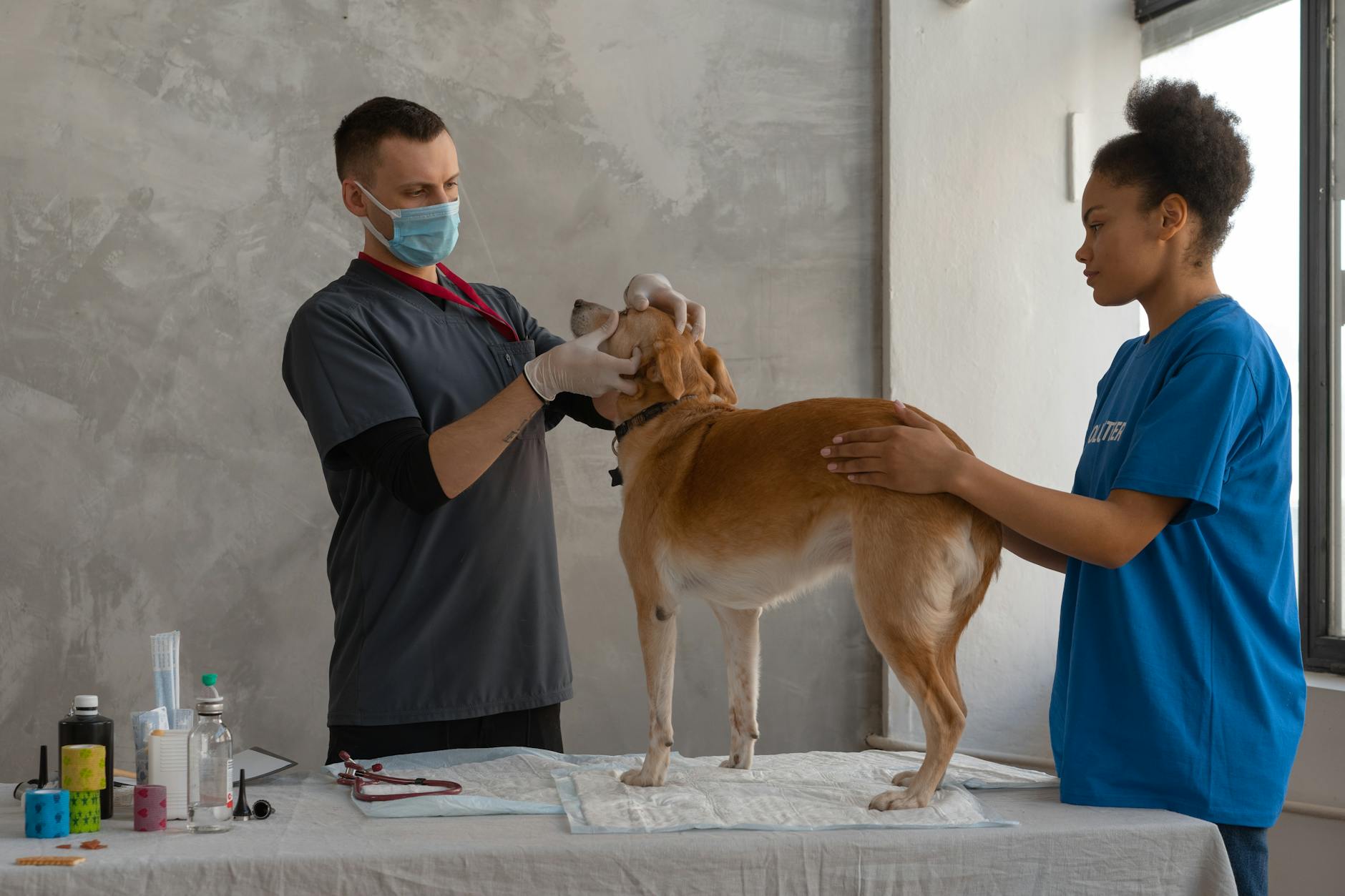
In my clinical experience, the American Staffordshire Terrier is a remarkably robust and hardy breed, but they are genetically predisposed to several specific orthopedic, dermatological, and neurological conditions. Prospective owners must work with reputable breeders who perform comprehensive health screenings, and maintain regular veterinary checkups for early detection.
Cerebellar Ataxia
An inherited, progressive neurological disease that causes the degeneration of the cerebellum, leading to a loss of voluntary muscle coordination and balance. This condition is autosomal recessive, meaning both parents must be carriers, but a reliable DNA test is available to completely screen breeding stock.
Hip Dysplasia
A hereditary skeletal condition where the femur head does not fit properly into the hip socket, leading to progressive osteoarthritis. In my practice, managing this involves maintaining a lean body weight, joint supplements, and potentially surgical intervention in severe cases.
Atopic Dermatitis (Skin Allergies)
AmStaffs are highly prone to environmental allergies (pollen, dust mites, molds) and food sensitivities that manifest through the skin, often leading to secondary bacterial or yeast infections. This requires proactive multi-modal management, including hypoallergenic diets, medicated baths, and veterinary-prescribed immunotherapies.
Cranial Cruciate Ligament (CCL) Rupture
Because of their highly athletic, muscular build and explosive energy, AmStaffs are frequent visitors to my orthopedic surgery suite for CCL tears (equivalent to an ACL tear in humans). This is often a result of sudden twisting motions during high-impact play.
Congenital Heart Disease
The breed can be affected by cardiac anomalies, most notably subaortic stenosis (SAS) and mitral valve dysplasia, which can restrict blood flow and place immense strain on the heart. Annual auscultation by your veterinarian is crucial to screen for heart murmurs.
How long do American Staffordshire Terriers typically live?
On average, a healthy American Staffordshire Terrier lives between 12 and 16 years. To maximize their lifespan, keep them at a lean body condition to protect their joints and heart, and ensure they receive annual veterinary wellness exams, dental cleanings, and age-appropriate screenings.
What to Feed a American Staffordshire Terrier
Proper nutrition is critical to supporting the AmStaff’s dense muscular frame without placing undue stress on their joints. As high-energy, athletic dogs, their caloric needs can vary dramatically based on age, activity level, and spay/neuter status.
Best Diet
I recommend a high-quality, clinically proven commercial dry kibble formulated for medium to large breeds, featuring high-quality animal protein as the first ingredient. For puppies, a large-breed puppy formula is essential to control growth rates and protect developing joints from orthopedic diseases.
How to Feed
Divide their daily caloric intake into two equal meals, feeding once in the morning and once in the evening. Avoid feeding immediately before or after vigorous exercise to minimize the risk of digestive upset or bloat.
How Much to Feed
Generally, adult AmStaffs require between 2 to 3.5 cups of kibble per day, but this is highly variable. I always counsel owners to assess their dog’s body condition score regularly and consult their veterinarian for precise, weight-based caloric calculations.
Nutritional Tips
Incorporate joint support supplements containing glucosamine, chondroitin, and Omega-3 fatty acids (specifically EPA and DHA) early in life to protect their high-impact joints. Limit high-calorie treats, as even a small amount of excess weight can exacerbate hip dysplasia and allergen-induced joint inflammation.
American Staffordshire Terrier Grooming Guide
The AmStaff’s grooming requirements are exceptionally low-maintenance compared to long-haired breeds, making them a joy for owners who dislike intensive coat upkeep. However, because of their skin sensitivities, a consistent routine focused on skin and ear health is vital.
Coat Care
Brush their short, single coat once a week with a soft bristle brush or a rubber grooming mitt to remove loose hairs and distribute natural skin oils. They only require bathing once every 4 to 8 weeks, or when they get visibly dirty, using a gentle, soap-free oatmeal shampoo.
Skin Care
Regularly inspect their skin for redness, hot spots, or dry patches, particularly in the armpits, belly, and paw pads where environmental allergens accumulate. Wipe their paws after outdoor walks to minimize allergen exposure.
Eye Care
Keep their eyes clean by gently wiping away any morning discharge with a damp, soft cloth, watching for any signs of conjunctivitis which can be secondary to allergies.
Ear Care
Clean their ears every two weeks with a veterinarian-approved, drying ear cleaner to prevent moisture buildup and secondary yeast infections, especially if your dog is prone to allergies.
Nail & Dental Care
Trim their nails every 2 to 3 weeks using a grinder or clippers, as long nails can alter their gait and strain their joints. Brush their teeth daily with dog-safe enzymatic toothpaste to prevent periodontal disease, which is common in all adult canines.
Considerations for Pet Parents
Pros
- Extremely loyal and affectionate with family members
- Low-maintenance grooming requirements
- Highly trainable and eager to please
- Excellent athletic partners for running and hiking
- Generally robust and long-lived for their size
- Excellent watchdog instincts without unnecessary barking
Cons
- Can display strong dog-directed aggression or high prey drive
- Prone to severe separation anxiety if left alone too long
- Subject to widespread breed-specific legislation (BSL) and insurance restrictions
- Require intense, lifelong socialization and training
- Can be highly destructive chewers if bored or under-stimulated
Best For
Experienced dog owners with an active lifestyle who have the time to devote to early socialization, daily exercise, and consistent positive-reinforcement training.
Not Recommended For
Sedentary households, first-time owners, families with multiple small pets, or renters living in areas with strict breed-specific legislation or landlord restrictions.
Cost
- purchase price$1,500 to $3,000 from a reputable, health-testing breeder
- monthly cost$150 to $250 (covering high-quality food, preventative medications, toys, and insurance)
- initial setupExpect an initial setup cost of $1,000 to $2,500, which includes high-quality crates, heavy-duty toys, vaccinations, spay/neuter surgery, microchipping, and basic training classes.
Similar Breeds

Staffordshire Bull Terrier
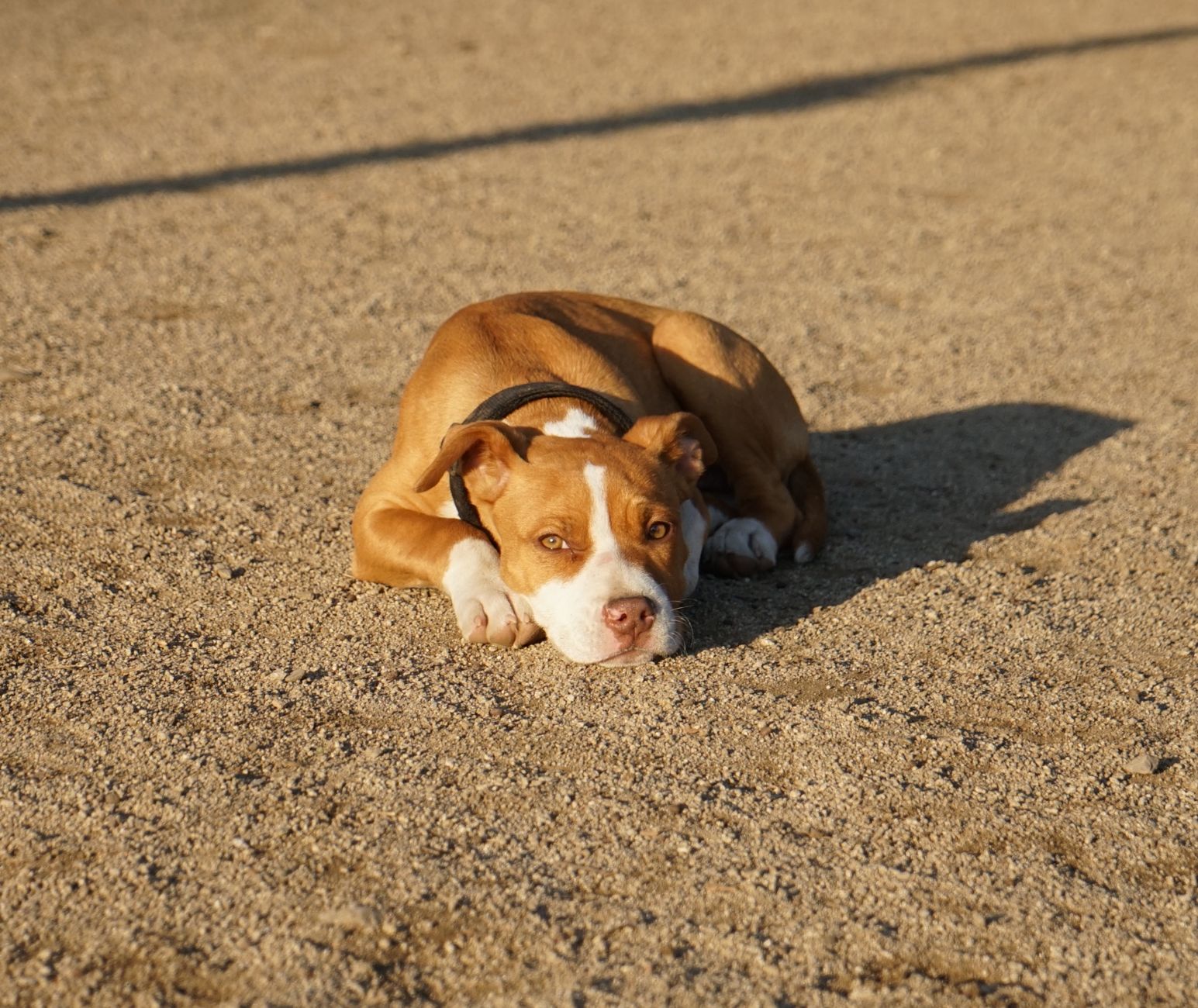
American Pit Bull Terrier
American Staffordshire Terrier FAQs
Is an American Staffordshire Terrier the same as a Pit Bull?
No, though they share common ancestry. ‘Pit Bull’ is an umbrella term that often includes several breeds, while the American Staffordshire Terrier is a distinct, recognized breed registered with the AKC since 1936, bred for specific conformation and temperament standards.
Are AmStaffs aggressive by nature?
No, breed-temperament tests consistently show AmStaffs rank high in stability and friendliness. However, like any powerful breed, lack of socialization, abuse, or improper training can lead to fear-based aggression, making early socialization absolutely critical.
How do I handle my AmStaff’s destructive chewing?
AmStaffs have incredibly strong jaws and will chew destructively if bored or anxious. Provide heavy-duty, puncture-resistant rubber toys (like Kongs) and puzzle feeders, and ensure they receive adequate physical and mental exercise daily.
Do AmStaffs bark a lot?
Generally, no. AmStaffs are relatively quiet dogs who rarely bark without a clear reason, such as alerting you to a visitor at the door. If they are barking excessively, it is usually a sign of boredom, frustration, or separation anxiety.
How can I protect my AmStaff from cold or hot weather?
Because of their short, single coat and lack of a dense undercoat, AmStaffs do not tolerate extreme temperatures. In cold weather, they benefit from a dog sweater or coat, and in hot weather, they must be kept in air-conditioned environments to prevent heatstroke.
Are AmStaffs prone to separation anxiety?
Yes, they are highly sensitive ‘velcro’ dogs that form intense bonds with their humans and are highly prone to separation anxiety. Crate training, mental enrichment, and gradually acclimating them to short periods of alone time can help manage this.
Can AmStaffs live in an apartment?
Yes, they can adapt well to apartment living provided they receive adequate daily exercise, such as long walks and vigorous play sessions. However, you must research local breed-specific legislation and landlord policies, as many apartments restrict the breed.
What is the bite force of an American Staffordshire Terrier?
While often rumored to have ‘locking jaws,’ this is a biological myth; their jaw anatomy is identical to other breeds. However, as powerful terriers, they do possess strong jaw strength, which is why early bite-inhibition training is so vital.
At what age is an AmStaff fully grown?
AmStaffs typically reach their full adult height by 12 to 18 months of age. However, they will continue to ‘fill out’ and develop their dense muscle mass until they are about 2 to 3 years old.
Are AmStaffs good swimmers?
Generally, no. Due to their dense muscle mass, heavy chests, and relatively short legs, most AmStaffs are not natural swimmers and can struggle to stay afloat. I always recommend a canine lifejacket whenever they are near deep water.
How do I socialize my AmStaff puppy?
Introduce your puppy to a wide variety of people, sights, sounds, and other vaccinated dogs in a controlled, positive manner before 16 weeks of age. Always pair these novel experiences with high-value treats to build positive associations.
What insurance coverage is recommended for an AmStaff?
Due to their predisposition to CCL tears, hip dysplasia, and severe skin allergies—all of which can be expensive to treat—I highly recommend enrolling your AmStaff in a comprehensive pet insurance policy early in life before any pre-existing conditions develop.
Sources & Further Reading
- American Kennel Club (AKC)
- ASPCA
- Merck Veterinary Manual
- American Veterinary Medical Association (AVMA)