
German Shepherd Breed Guide
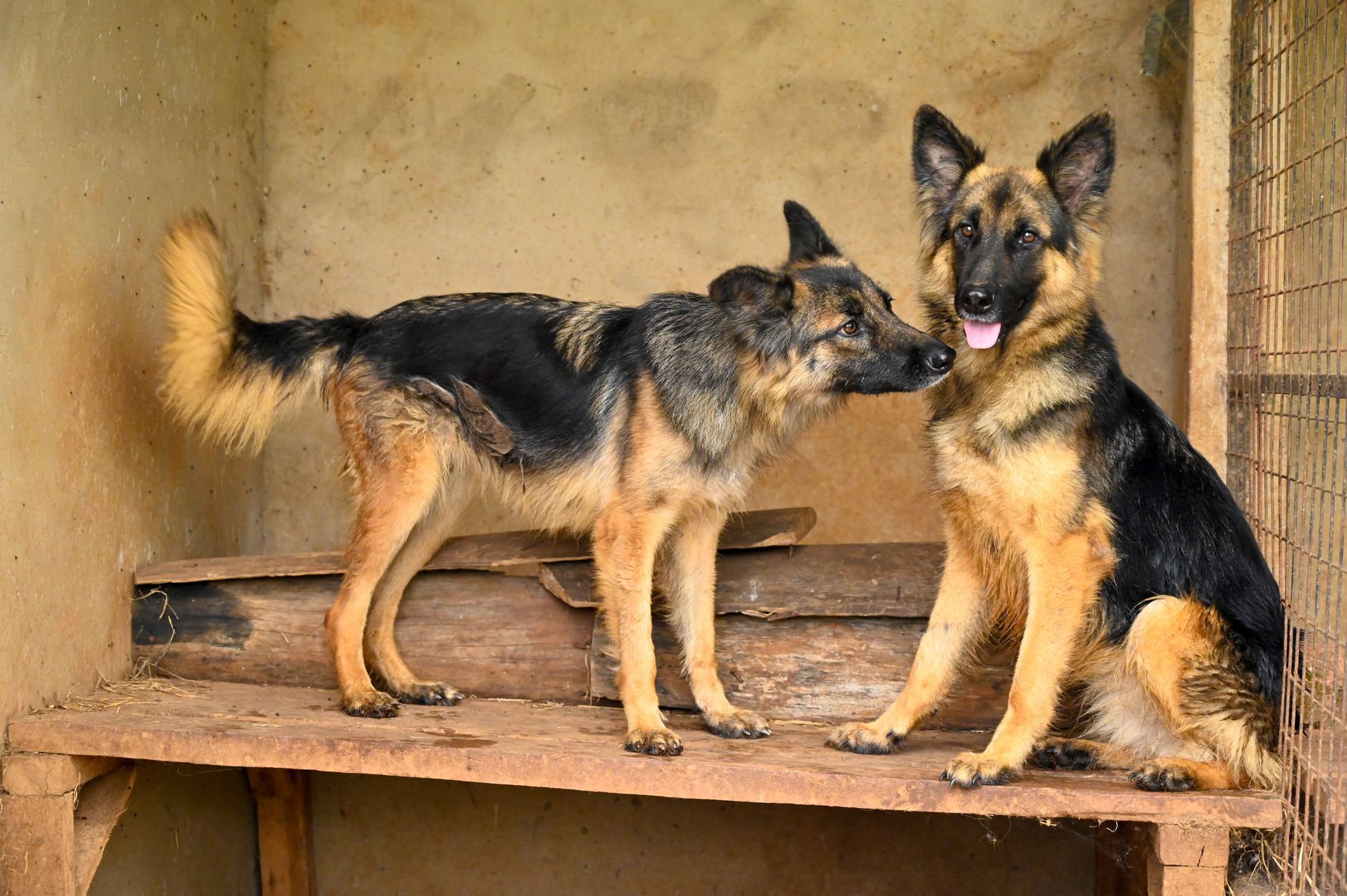
Quick Summary
The German Shepherd Dog is an intensely loyal, highly versatile working breed that thrives on having a clear job to do and close integration with its human family. Ideal for active owners who can commit to rigorous mental and physical stimulation, this breed is as much an unwavering protector as it is a devoted, life-long companion.
Quick Facts
- origin countryGermany
- breed groupHerding
- sizeLarge
- weight range50 to 90 pounds (23 to 41 kg)
- height range22 to 26 inches (56 to 66 cm)
- lifespan10 to 13 years
- coat typeDouble coat (dense medium or long)
- common colorsBlack and tan, sable, bi-color, solid black, black and silver
- other namesAlsatian, Deutscher Schäferhund, GSD
- recognized byAKC, UKC, KC, FCI
Caring for a German Shepherd
Living with a German Shepherd means integrating a high-drive canine athlete into your daily routine. In my experience, these dogs do not tolerate being left as ‘backyard ornaments’ or ‘couch potatoes’; they require at least 90 to 120 minutes of daily physical exercise coupled with intensive mental tasks. If you don’t give them a productive job to do, they will invent their own—which often involves destructive chewing or territorial barking.
Is a German Shepherd a good family pet?
Yes, they can make wonderful family pets, but they require extensive early socialization to ensure they are gentle around kids. Because of their large size and herding heritage, I always tell owners to supervise interactions with toddlers to prevent accidental knocking over or heel-nipping.
Do German Shepherds shed a lot?
Yes, they shed constantly throughout the year and will completely ‘blow’ their dense undercoats twice a year. Owners affectionately call them ‘German Shedders’ for a reason, meaning a high-quality slicker brush and a robust vacuum cleaner are absolute daily essentials.
Is a German Shepherd good for first-time owners?
In my experience, they are generally not recommended for novice owners. Their combination of high intelligence, strong physical strength, and protective instincts can easily become overwhelming without confident, consistent, and experienced leadership.
Temperament & Personality

The classic German Shepherd temperament is defined by quiet confidence, keen alertness, and a natural aloofness toward strangers rather than immediate friendliness. They are incredibly observant and form a deep, protective bond with their immediate human family. I’ve found that their highly receptive nature means they mirror their handler’s emotions and stress levels very closely.
Is a German Shepherd good with other pets?
They can coexist peacefully with other pets if socialized diligently from puppyhood, though their natural prey drive may prompt them to chase smaller animals. I recommend slow, supervised introductions and teaching a reliable ‘leave it’ command.
How much attention does a German Shepherd need?
They are classic ‘velcro dogs’ who require near-constant interaction with their owners and do poorly when isolated. Leaving a German Shepherd alone for more than 4 to 5 hours at a time frequently leads to separation anxiety and destructive habits.
Training & Behavior
Training a German Shepherd is an absolute joy because of their legendary work ethic, but it demands unwavering consistency. I always warn handlers that physical punishment or overly harsh corrections will quickly destroy this breed’s trust and can trigger defensive reactivity. They respond best to clear, reward-based structures and complex training tasks that challenge their intellect.
Training Tips
- Begin intensive socialization within the critical 8 to 16-week puppy window
- Focus heavily on impulse control exercises like ‘stay’ and ‘wait’
- Utilize high-value food or toy rewards to build engagement
- Keep training sessions short, dynamic, and physically active
- Establish clear, household-wide boundaries from day one
Fun Activities
- Agility and obedience trials
- Scent work and tracking games
- Schutzhund/IGP (sport work)
- Canicross or hands-free hiking
- Interactive puzzle toys and nosework
Is a German Shepherd easy to train?
Yes, they are exceptionally easy to train due to their high intelligence and eagerness to please. However, their smarts also mean they can learn bad behaviors just as quickly as good ones, meaning you must remain consistent with your rules.
German Shepherd Health Issues
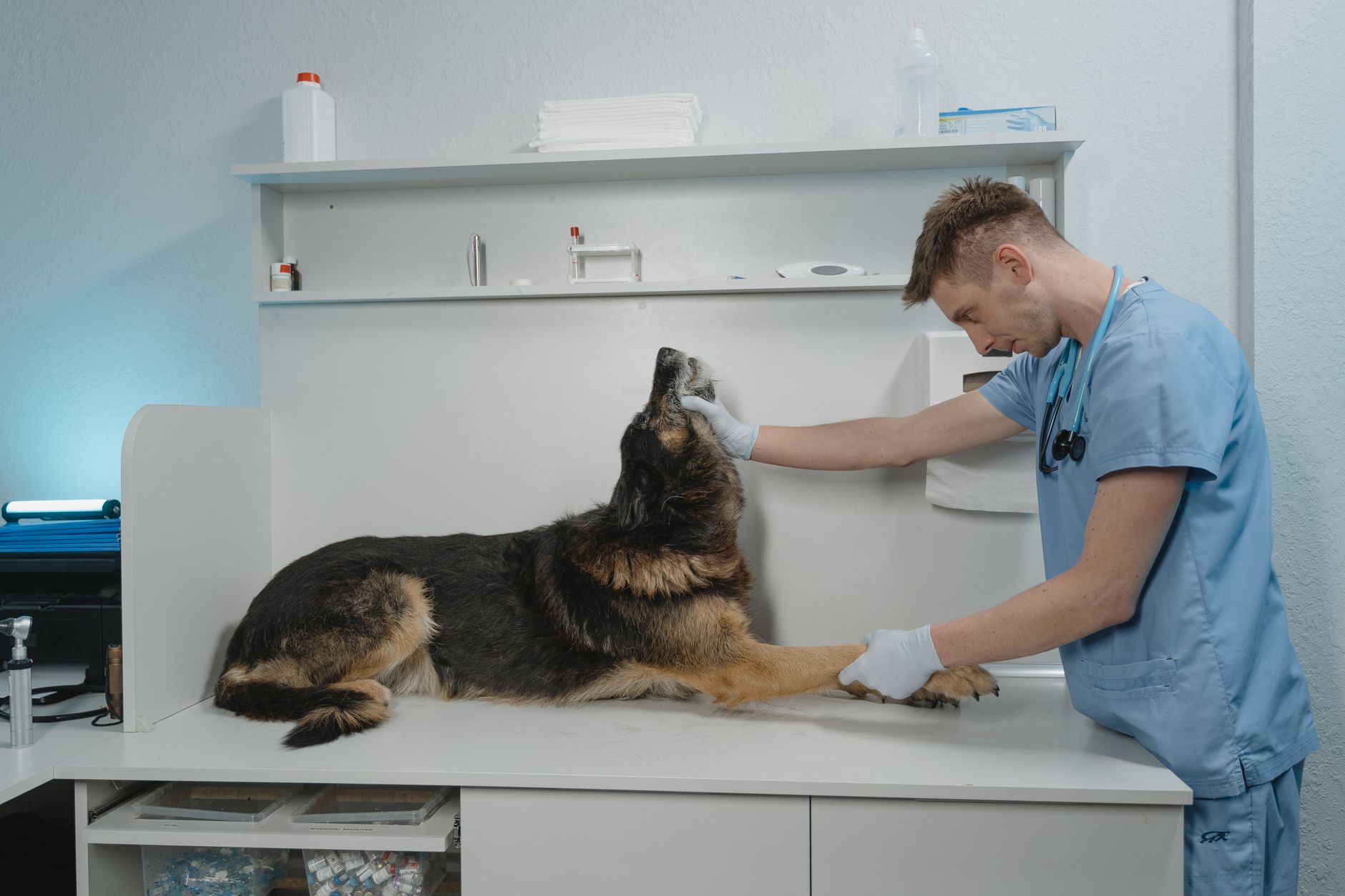
While physically robust, the German Shepherd is genetically predisposed to several significant hereditary health conditions. I always advise prospective owners to seek out breeders who provide official health clearances, specifically OFA or PennHIP certifications for hips and elbows.
Hip and Elbow Dysplasia
A painful, genetic malformation of the joints that leads to severe arthritis and mobility issues.
Degenerative Myelopathy (DM)
A progressive, incurable neurological disease of the spinal cord that eventually leads to hind limb paralysis, similar to ALS in humans.
Gastric Dilatation-Volvulus (GDV or Bloat)
A life-threatening emergency where the deep-chested stomach fills with gas and twists on itself, cutting off blood flow.
Exocrine Pancreatic Insufficiency (EPI)
An inability to digest food properly because the pancreas stops producing vital digestive enzymes.
Atopic Dermatitis
A chronic allergic skin condition that causes intense itching, redness, and secondary skin infections.
How long do German Shepherds typically live?
They typically live between 10 to 13 years. To support their longevity, keep them lean to protect their joints, feed them a balanced diet, and seek routine veterinary care.
What to Feed a German Shepherd
Proper nutrition is critical to manage the rapid growth of German Shepherd puppies and support the heavy frames of adults. Feeding schedules must be managed carefully to minimize the risk of digestive emergencies like bloat.
Best Diet
I highly recommend a high-quality, large-breed-specific kibble to ensure controlled bone development during puppyhood, transitioning to an active adult formula rich in joint-supporting supplements.
How to Feed
Split their daily food intake into at least two distinct meals rather than one large feeding. I always advise using slow-feeder bowls and restricting intense physical exercise for at least one hour before and after meals.
How Much to Feed
On average, adult German Shepherds require 3 to 4.5 cups of dry food per day, depending on their weight, age, and activity level. Because individual metabolisms vary greatly, always consult your veterinarian to establish precise portion sizes.
Nutritional Tips
Avoid overfeeding at all costs; keeping your German Shepherd on the leaner side drastically reduces the stress on their prone joints. Supplementing their diet early with vet-approved omega-3 fish oils can also significantly support skin and joint health.
German Shepherd Grooming Guide
Grooming a German Shepherd is primarily a battle against shedding. Their double coat provides excellent insulation against hot and cold weather, which means they should never be shaved.
Coat Care
Brush their coat 3 to 4 times a week with a slicker brush and an undercoat rake to remove loose hairs. During their heavy shedding seasons in spring and fall, daily brushing is required to keep up with the shed rate.
Skin Care
Bathe them only once every 6 to 8 weeks to prevent stripping the natural protective oils from their skin, which can lead to dryness and itching.
Eye Care
Regularly check their eyes for any redness, cloudiness, or discharge, which are not typical for this breed and should be evaluated by a vet.
Ear Care
Inspect their large, upright ears weekly and clean them with a vet-approved ear cleanser to prevent yeast infections.
Nail & Dental Care
Trim their nails every 3 to 4 weeks to prevent painful overgrowth, and brush their teeth daily to prevent periodontal disease.
Considerations for Pet Parents
Pros
- Exceptional loyalty and deep family bonds
- Incredibly versatile and highly trainable
- Superb natural watchdog and protective instincts
- Highly athletic companion for outdoor adventures
- Intelligent and eager to learn complex tasks
- Highly adaptable to structured working environments
Cons
- Heavy year-round shedding requires constant cleanup
- Prone to several severe, expensive health issues
- Can develop separation anxiety if left alone often
- Requires extensive daily exercise and mental stimulation
- Can show fear-based reactivity without proper socialization
Best For
Active individuals, couples, or families with dog-handling experience who have the time to dedicate to daily training, physical exercise, and interactive companionship.
Not Recommended For
Sedentary households, apartment dwellers who cannot commit to rigorous outdoor exercise, or busy owners who are away from home for long periods daily.
Cost
- purchase price$1,500 to $4,500 for a well-bred puppy from health-tested parents
- monthly cost$150 to $300 for food, flea/tick preventatives, toys, and pet insurance
- initial setupExpect an initial outlay of $1,000 to $2,000 for high-quality crates, veterinary checkups, initial vaccinations, and professional training classes.
Similar Breeds

Belgian Malinois

Dutch Shepherd
German Shepherd FAQs
Are German Shepherds naturally aggressive?
No, they are not naturally aggressive. However, their strong protective instincts and high prey drive can manifest as aggression or reactivity if they are poorly socialized, under-exercised, or trained using physical punishment.
Why does my German Shepherd follow me everywhere?
They are classic ‘velcro dogs’ who possess a strong herding instinct to keep track of their pack. In my experience, they simply want to oversee your activities and feel secure by remaining in close proximity to their trusted leader.
At what age do German Shepherds’ ears stand up?
Their ears typically begin to stand up on their own between 8 weeks and 6 months of age, often fluctuating during the teething process. If their ears are not fully upright by 7 to 8 months, consult your veterinarian or breeder about taping options.
Do German Shepherds bark a lot?
They can be very vocal, using their deep bark to alert you to strangers or when they are bored. Consistent training from puppyhood is essential to teach them a reliable ‘quiet’ command so their natural watchdog instincts do not turn into nuisance barking.
Can German Shepherds live in apartments?
They can, but it is highly challenging and requires a dedicated owner. You must commit to multiple hours of outdoor exercise and mental stimulation daily, as a cooped-up German Shepherd can quickly become destructive in a confined space.
How long does it take for a German Shepherd to grow to full size?
They usually reach their full skeletal height by 1 year of age, but they will continue to broaden, develop muscle, and fill out in chest width until they are 2 to 3 years old. They also mature slowly mentally, retaining puppy-like behaviors well into their second year.
Is a working line or show line German Shepherd better?
Working lines are bred for intense drive, high stamina, and intense focus, making them perfect for sports or police work but challenging for casual families. Show lines are bred for physical appearance and generally have a lower, more manageable energy drive suitable for active homes.
How do I deal with German Shepherd puppy biting?
GSD puppies are notoriously mouthy, often called ‘land sharks’ due to their herding instincts and teething discomfort. I always tell owners to immediately redirect their mouthiness onto durable chew toys and reward calm, non-biting behavior.
Can German Shepherds swim?
Yes, most German Shepherds are excellent swimmers and naturally take to the water, though some may require gradual, positive encouragement and a life jacket to build initial confidence. Swimming is a fantastic, low-impact exercise for their joints.
Are German Shepherds prone to separation anxiety?
Yes, because they form incredibly intense bonds with their handlers, they are highly prone to separation anxiety. It is vital to crate-train them early and practice short, structured departures to build their confidence when left alone.
How often should I socialize my German Shepherd puppy?
Socialization should be an active, daily process during their critical window of 8 to 16 weeks, exposing them to different people, sights, sounds, and other vaccinated dogs. Continuous positive exposure throughout their first two years is essential to prevent fear-based reactivity.
What is the difference between male and female German Shepherds?
Males are typically larger, heavier, and more territorial, which can make them more of a physical challenge to handle. Females are often slightly smaller, mature faster, and are frequently more protective of specific family members, though individual temperaments vary.