
Cane Corso Breed Guide
Quick Summary
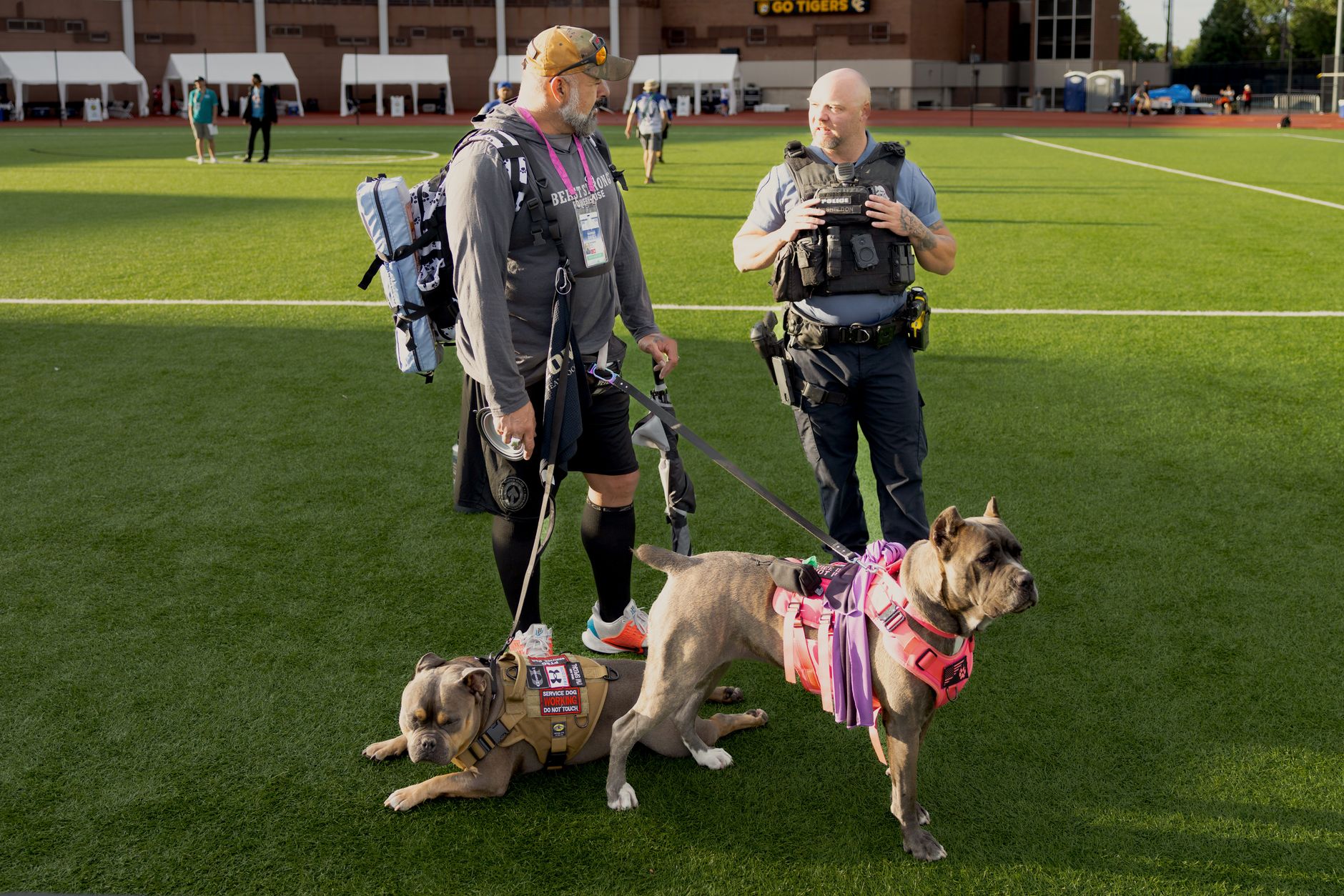
A majestic, deeply loyal, and powerful guardian, the Cane Corso is a working breed that thrives under experienced, confident leadership. They are intensely devoted to their families but require rigorous, ongoing socialization and firm boundaries to manage their strong protective instincts.
Quick Facts
- origin countryItaly
- breed groupWorking (AKC)
- sizeLarge to Giant
- weight range90 to 120 pounds
- height range23.5 to 27.5 inches
- lifespan9 to 12 years
- coat typeShort, stiff, double-coated
- common colorsBlack, gray, fawn, red, chestnut, black brindle, gray brindle
- other namesItalian Mastiff, Cane Corso Italiano
- recognized byAKC, FCI, UKC
Caring for a Cane Corso
Living with a Cane Corso is like sharing your home with a highly observant, sensitive athlete who takes their job as family protector very seriously. In my experience, they aren’t the kind of dogs you can just leave in the backyard; they crave close physical proximity to their human pack. Daily life requires structured exercise, ongoing mental stimulation to prevent destructive boredom, and a calm, assertive household environment. You must always be one step ahead of their sharp minds to keep them well-behaved.
Is a Cane Corso a good family pet?
Yes, for the right family, they are incredibly gentle, affectionate, and fiercely protective of their inner circle. However, due to their massive size and guardian nature, they require experienced handling and early socialization to ensure they are safe around guests and children’s friends.
Do Cane Corsos shed a lot?
They are moderate shedders year-round, with heavier shedding periods during seasonal changes in the spring and fall. Regular weekly brushing with a rubber curry brush or medium-bristle brush is usually enough to keep their short coat under control.
Is a Cane Corso good for first-time owners?
Absolutely not. In my years of working with dogs, I always advise beginners to steer clear of this breed, as their combination of sheer physical strength, intelligence, and protective instincts can easily overwhelm an inexperienced handler.
Temperament & Personality

The Cane Corso’s temperament is defined by a quiet, noble confidence rather than outgoing friendliness. They are intensely devoted, sensitive, and eager to please their chosen family, often acting like giant lapdogs when indoors. However, around strangers, they are naturally aloof, watchful, and highly discerning, requiring their owner’s guidance to determine who is welcome. Their deep bond with their family means they do not tolerate being isolated or ignored for long periods.
Is a Cane Corso good with other pets?
They can coexist peacefully with other pets if raised with them from puppyhood, but they naturally possess a high prey drive and can be dog-dominant. I always recommend caution and supervised introductions, particularly with same-sex dogs or small animals.
How much attention does a Cane Corso need?
They require a significant amount of daily mental and physical interaction, thriving when they have a ‘job’ to do alongside their owner. If left alone for long periods without engagement, they are highly prone to developing severe separation anxiety and destructive habits.
Training & Behavior
Training a Cane Corso is not an optional hobby—it is an absolute necessity from day one to ensure a safe, manageable companion. They are highly intelligent and eager to please, but they also possess an independent streak and will quickly take charge if they sense any hesitation or inconsistency in their handler. I’ve found that positive reinforcement combined with firm, clear, and unyielding boundaries yields the best results.
Training Tips
- Start obedience training and intensive socialization the day you bring them home.
- Use positive reinforcement like high-value treats and praise, never harsh physical corrections.
- Establish yourself as a calm, confident pack leader with consistent house rules.
- Focus heavily on leash manners early on to prevent pulling when they reach 100+ pounds.
- Expose them safely to a wide variety of people, sights, and sounds throughout their first two years.
Fun Activities
- Agility training
- Weight pulling
- Advanced obedience trials
- Scent work or tracking
- Dock diving
Is a Cane Corso easy to train?
They are highly intelligent and quick to learn commands, which makes them highly trainable for experienced owners who understand canine body language. However, their independent nature and desire to test boundaries mean they require a consistent, confident trainer who won’t let them slack off.
Cane Corso Health Issues

While generally robust and athletic, Cane Corsos are a giant breed prone to specific genetic health issues. Maintaining a healthy weight and avoiding strenuous exercise on hard surfaces during their rapid growth phases is critical for their skeletal development.
Hip Dysplasia
A genetic condition where the thighbone doesn’t fit snugly into the hip joint, leading to arthritis, pain, and eventual lameness.
Gastric Dilation-Volvulus (GDV/Bloat)
A life-threatening emergency where the stomach fills with gas and twists on itself, cutting off blood flow to vital organs.
Ectropion and Entropion
Eye disorders where the eyelids roll outward (ectropion) or inward (entropion), causing severe irritation, discharge, or corneal damage.
Demodectic Mange
A skin condition caused by microscopic mites that normally live on dogs, which can proliferate if the immune system is weak or compromised.
Cruciate Ligament Rupture
A common orthopedic injury in active, heavy breeds where the cranial cruciate ligament in the knee tears, causing sudden instability.
Dilated Cardiomyopathy (DCM)
A progressive disease of the heart muscle that results in an enlarged, weakened heart that cannot pump blood efficiently throughout the body.
How long do Cane Corsos typically live?
Cane Corsos have an average lifespan of 9 to 12 years. Providing high-quality nutrition, regular veterinary checkups, joint support supplements, and maintaining a lean body mass can help maximize their years with you.
What to Feed a Cane Corso
Feeding a giant, muscular breed like the Cane Corso requires careful attention to balance their rapid growth as puppies and maintain lean muscle mass as adults. Overfeeding can lead to rapid growth and skeletal issues, while underfeeding can affect their athletic development.
Best Diet
A high-quality, large-breed or giant-breed formula is essential, particularly during puppyhood, to ensure a controlled growth rate. Consult your vet to choose a diet rich in high-quality animal proteins, moderate fats, and joint-supporting compounds like glucosamine and chondroitin.
How to Feed
Always split their daily food intake into at least two or three smaller meals to reduce the risk of life-threatening bloat. I strongly advise using puzzle feeders to slow down fast eaters and keeping them quiet for at least one hour after meals.
How Much to Feed
On average, an active adult Cane Corso will require between 4 to 6 cups of high-quality dry kibble per day, though this varies significantly. Always consult your veterinarian to tailor portion sizes to your dog’s exact weight, age, and activity level.
Nutritional Tips
To protect their joints, consider adding high-quality wild-caught fish oil (Omega-3 fatty acids) to their meals. Avoid over-supplementing calcium during their puppy stage, as this can severely disrupt skeletal development in giant breeds.
Cane Corso Grooming Guide
The Cane Corso is relatively low-maintenance when it comes to grooming, but their large size means even basic tasks require a cooperative dog. Starting grooming routines early in puppyhood is vital so they learn to tolerate nail clips and ear cleanings when they are fully grown.
Coat Care
Brush their short, dense double coat once a week with a rubber grooming mitt or medium-bristle brush to remove dead hair and dander. Bathing is only needed every 6 to 8 weeks, unless they find something messy to roll in.
Skin Care
Check their skin weekly for signs of irritation, red patches, or demodectic mange patches, especially around the face and legs. Keep any facial wrinkles clean and dry to prevent moisture-loving yeast infections from developing.
Eye Care
Wipe away any discharge from the corners of their eyes daily with a soft, damp cloth, and monitor closely for drooping or rolling eyelids.
Ear Care
Inspect their ears weekly for redness, debris, or a sweet/fusty odor that indicates an ear infection, and clean them with a vet-approved ear cleanser.
Nail & Dental Care
Trim their thick nails every 2-3 weeks using heavy-duty clippers or a grinder to prevent joint strain. Brush their teeth at least three times a week with dog-safe enzymatic toothpaste to prevent tartar buildup and periodontal disease.
Considerations for Pet Parents
Pros
- Extremely loyal and deeply devoted companion
- Superb natural guardian and protector of home and family
- Highly intelligent, athletic, and versatile worker
- Quiet house manners when properly exercised
- Relatively low-maintenance coat and grooming routine
- Noble, imposing, and majestic appearance
Cons
- Not suitable for first-time or passive dog owners
- Can develop severe reactivity or aggression if poorly socialized
- High risk of joint issues and life-threatening bloat
- Prone to heavy drooling, especially after drinking or when hot
- Requires substantial time commitment for training and exercise
Best For
An experienced, confident, and physically capable owner who has the time to dedicate to extensive socialization, structured training, and daily physical and mental exercise. They thrive in a home with clear boundaries and a calm, orderly environment.
Not Recommended For
First-time dog owners, busy households with constantly rotating guests, apartments without easy access to secure outdoor space, or anyone who cannot physically handle a 100-plus-pound dog with strong protective drives.
Cost
- purchase price$1,500 to $3,500
- monthly cost$200 to $400
- initial setupExpect to spend $1,000 to $2,000 initially on high-quality veterinary care, heavy-duty crates, extra-large bedding, obedience classes, and high-quality giant-breed gear.
Similar Breeds
Bullmastiff
Rottweiler
Cane Corso FAQs
Do Cane Corsos drool a lot?
Yes, especially after drinking water, eating, during exercise, or when they are hot. Because of their jowls, you should expect to keep ‘slobber rags’ handy around the house to wipe their mouths.
Are Cane Corsos banned in certain areas?
Yes, because of their size and protective reputation, they are frequently subject to Breed-Specific Legislation (BSL) in certain cities, counties, and rental properties. Always check your local laws, HOA rules, and homeowners insurance policy before acquiring one.
How much exercise does a Cane Corso need daily?
They need at least 1 to 2 hours of daily physical activity, which should include structured walks, hiking, or interactive play like fetching. This physical exercise must be paired with mental stimulation, such as puzzle toys or training sessions, to keep them calm indoors.
Do Cane Corsos bark a lot?
No, they are generally quiet dogs who do not bark without a specific reason. When they do bark, it is typically a deep, booming warning to alert you to a stranger approaching their territory.
Can a Cane Corso live in an apartment?
While possible if they receive extensive daily outdoor exercise, it is highly challenging and generally not recommended. Their giant size, potential for territorial vocalization, and need for space make them much better suited to suburban or rural homes with large, securely fenced yards.
Are Cane Corsos easy to socialize?
They require intensive, deliberate socialization starting from the moment they are vaccinated until they reach full maturity around age two or three. It is not always ‘easy’ because of their natural aloofness, but it is entirely manageable for an owner who is proactive and consistent.
Do Cane Corsos have a high prey drive?
Yes, they possess a strong historical prey drive from their origins as hunting and farm dogs. They are prone to chasing neighborhood cats, squirrels, and small dogs, making secure containment and a solid ‘recall’ command essential.
At what age is a Cane Corso fully grown?
They typically reach their full adult height by 12 to 18 months of age, but they will continue to fill out, gain muscle, and mature mentally until they are about 2 to 3 years old. This slow maturation process means you must keep their exercise moderate during their first year to protect developing joints.
Are Cane Corsos aggressive by nature?
They are not inherently aggressive, but they are naturally suspicious, protective, and highly territorial. Without proper socialization and firm training, these instinctual guardian traits can manifest as fear-based or territorial aggression.
Can Cane Corsos be left alone during the day?
They are highly social with their families and do not cope well with being left alone for long periods (over 4 to 6 hours). They are prone to separation anxiety, which can result in massive, destructive chewing of walls, furniture, or doors.
Is it necessary to crop a Cane Corso’s ears and tail?
Historically, their ears were cropped and tails docked for their protection as working guard dogs and hunters. Today, this is largely a cosmetic choice and is not legally required in many countries, though it remains a standard practice among many breeders in the United States.
Are male or female Cane Corsos better companions?
Males tend to be larger, more dominant, and possessive, requiring very firm handling, while females are often slightly smaller, more sensitive, and faster to mature. Both make outstanding, loyal companions, but your decision should depend on your household dynamics and experience level.
What kind of toys are best for a Cane Corso?
They are powerful chewers with immense jaw strength, so standard plush or squeaker toys will be destroyed in minutes. I always recommend heavy-duty, extreme-formula rubber toys, black Kongs, and durable synthetic bones to prevent them from ingesting dangerous toy fragments.
Do Cane Corsos do well in cold weather?
They have a short double coat that provides some protection, allowing them to enjoy moderate cold weather. However, they are not outdoor dogs and should never be left outside in freezing temperatures without shelter and warmth.