
Bombay Breed Guide
Quick Summary
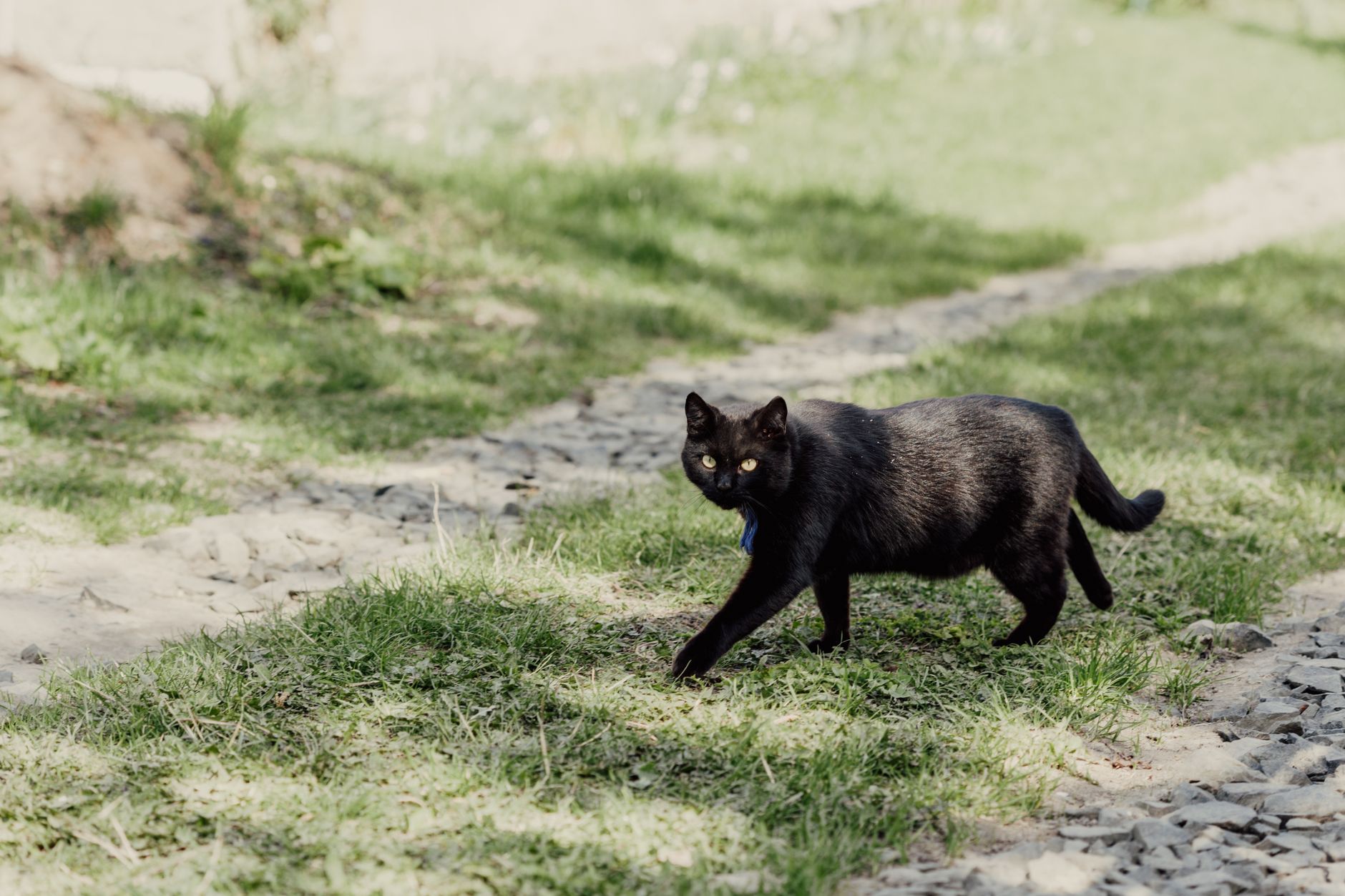
The Bombay is a striking, patent-leather black cat with brilliant copper eyes, boasting an incredibly social, dog-like personality. Often referred to as velcro cats, they thrive on constant human companionship, making them the ultimate interactive lap cat for attentive households.
Quick Facts
- origin countryUnited States
- breed groupShorthair
- sizeMedium
- weight range8 to 15 pounds
- height range8 to 10 inches
- lifespan12 to 16 years
- coat typeShort, fine, satin-like, and close-lying
- common colorsSolid black from root to tip
- other namesMini-panther, Black Burmese
- recognized byCFA, TICA, ACFA
Caring for a Bombay
Living with a Bombay is like having a tiny, sleek shadow that occasionally purrs like a freight train. In my experience, they don’t just tolerate human presence; they actively demand to be involved in every household chore, Zoom call, and nap. They are notorious heat-seekers who will routinely tunnel under your duvet or drape themselves across your neck for warmth. While their grooming needs are remarkably low-maintenance, their emotional needs are high, meaning they require consistent daily engagement.
Is a Bombay a good family pet?
Yes, they make exceptional family pets because of their outgoing, sturdy, and tolerant nature. They handle the energy of respectful children very well and genuinely love being in the middle of family activities.
Do Bombays shed a lot?
No, they are very low shedders. Their sleek, single coat clings tight to the body and only requires a quick weekly brush to manage loose hairs and maintain its signature glossy shine.
Is a Bombay good for first-time owners?
Yes, they are highly adaptable, friendly, and easier to manage than more highly strung exotic breeds. However, first-time owners must be prepared for their intense desire for daily attention and snuggle time.
Temperament & Personality
The Bombay’s personality is a perfect blend of the laid-back, curious American Shorthair and the highly affectionate, vocal Burmese. They are intensely social cats that greeting guests at the door and follow you from room to room. I always tell owners to expect a cat that wants to be physically touching you whenever you sit down. They are playful well into their senior years and display a sweet, gentle disposition that makes them incredibly easy to love.
Is a Bombay good with other pets?
Yes, they excel in multi-pet homes. They are incredibly social and often seek out other cats or cat-friendly dogs to cuddle with for warmth and companionship when you are away.
How much attention does a Bombay need?
They need a high level of daily interaction and do not tolerate isolation well. If left alone for long periods without a companion animal or human stimulation, they can become stressed and lonely.
Training & Behavior
Because of their high intelligence and Burmese ancestry, Bombays are remarkably trainable and eager to interact. I’ve found they respond wonderfully to positive reinforcement and clicker training, which keeps their active minds occupied. They are naturally curious, meaning they learn household routines quickly and can easily be taught interactive games.
Training Tips
- Use high-value, smelly treats like freeze-dried chicken
- Keep training sessions short and fun, around 3 to 5 minutes
- Introduce a clicker early to establish clear communication
- Train them to fetch toys to burn off physical and mental energy
- Start harness training indoors before venturing to quiet outdoor spaces
Fun Activities
- Playing fetch with small crinkle balls
- Navigating indoor agility hoops
- Solving level-2 and level-3 puzzle feeders
- Leash walking in a secure harness
- Chasing feather wands and laser pointers
Is a Bombay easy to train?
Yes, they are among the easiest cat breeds to train. Their natural curiosity, intelligence, and food motivation make teaching them tricks, rules, and leash-walking highly rewarding.
Bombay Health Issues
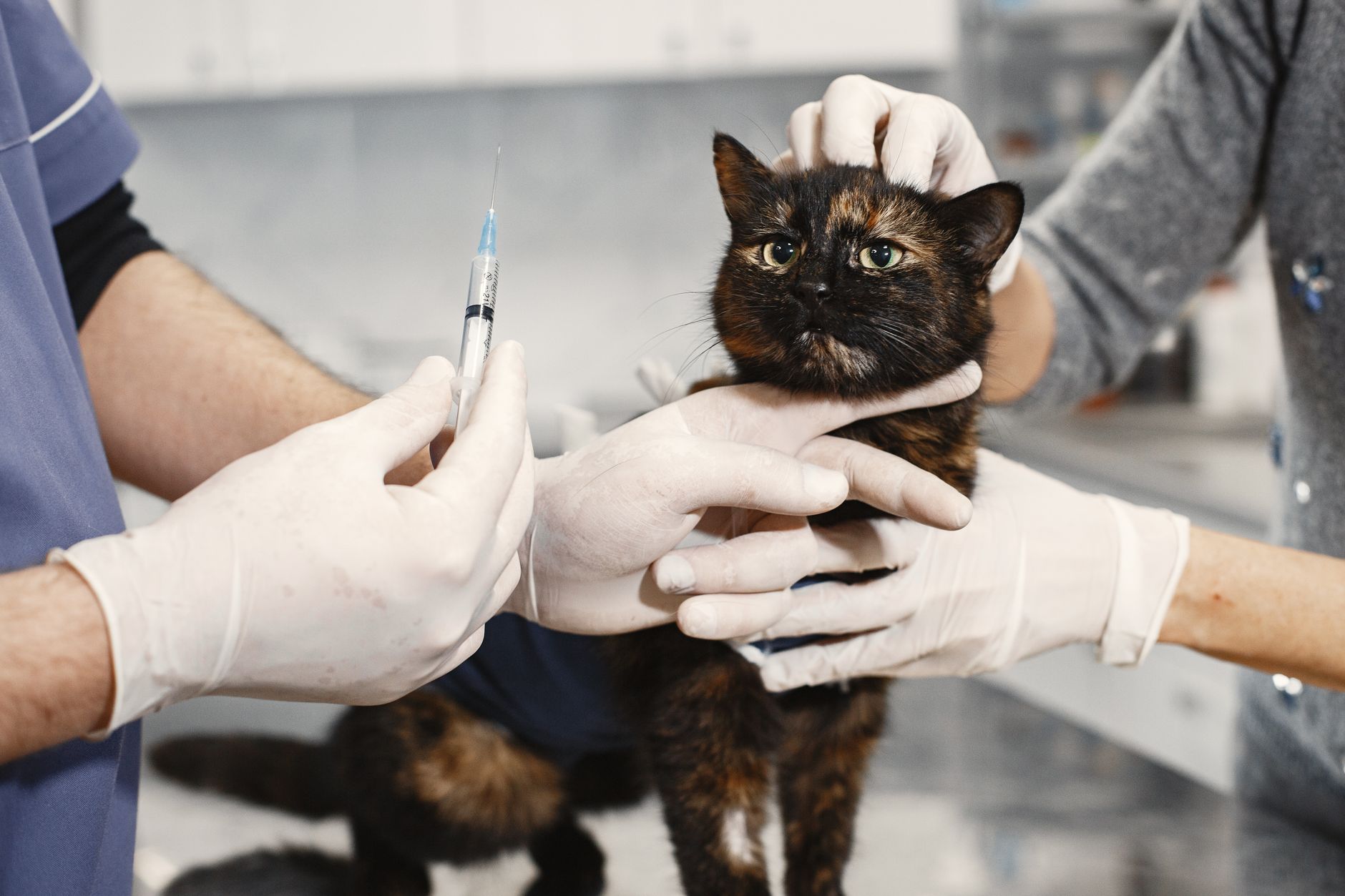
The Bombay is generally a robust and healthy breed with a solid lifespan, though they are prone to a few genetic conditions inherited from their foundation breeds. I always recommend working with a reputable breeder who performs genetic screening to ensure your kitten starts life with the best health foundation.
Hypertrophic Cardiomyopathy (HCM)
A hereditary condition where the heart muscle thickens, potentially leading to heart failure or blood clots. Annual echocardiograms are the gold standard for screening breeding cats.
Craniofacial Defect
An inherited development issue affecting the skull structure of newborns, traced back to Burmese bloodlines. Responsible breeders use genetic testing to ensure carrier cats are never bred.
Sinus and Upper Respiratory Issues
Due to their moderately shortened muzzles, some Bombays can have narrowed nasal passages, making them more sensitive to dust and upper respiratory infections.
Gingivitis and Dental Disease
Bombays are genetically prone to early-onset plaque buildup and gum inflammation, which can progress to periodontal disease and tooth loss if ignored.
Obesity
Their hearty appetite coupled with a love of lounging in warm spots makes them highly susceptible to unhealthy weight gain, putting stress on joints and organs.
How long do Bombays typically live?
With proper indoor care, regular veterinary checkups, and a balanced diet, a Bombay typically lives between 12 and 16 years, with many reaching 18 to 20 years of age.
What to Feed a Bombay
Bombays are passionate food lovers who will happily overeat if given the opportunity. Because they have a solid, heavy muscular structure, maintaining a strict portion control schedule is vital to prevent them from becoming overweight.
Best Diet
A high-protein, low-carbohydrate diet is best. I recommend feeding a premium commercial wet food as the primary diet to ensure proper hydration, supplemented with a small portion of high-quality dry kibble.
How to Feed
Establish a strict feeding routine with two or three measured meals per day rather than free-feeding. Utilize interactive food puzzles for their dry kibble to slow down their eating and keep them mentally stimulated.
How Much to Feed
Portions should be tailored to their specific weight, age, and activity level, averaging roughly 200 to 250 calories per day for an active 10-pound adult. Always consult your vet to customize portions based on their physical body condition score.
Nutritional Tips
Consider adding an omega-3 fatty acid supplement, like wild Alaskan salmon oil, to their food. This not only supports their joints but also keeps their jet-black coat exceptionally glossy and healthy.
Bombay Grooming Guide
Grooming a Bombay is incredibly straightforward and serves as a wonderful bonding experience. Their fine, single-layered coat doesn’t trap dirt, making them one of the cleanest and easiest breeds to keep looking pristine.
Coat Care
Brush them once a week with a soft-bristle brush or a rubber grooming mitt to pull away dead hair. For that classic ‘patent-leather’ gleam, rub their coat down with a chamois cloth or a damp microfiber towel.
Skin Care
Their skin is generally self-regulating, but avoid frequent bathing which can strip the natural protective oils that keep their black fur lustrous; a bath once every few months is plenty.
Eye Care
Wipe the corners of their eyes with a damp, warm cotton ball daily to clean any minor tearing associated with their shorter facial structure.
Ear Care
Check their ears weekly for wax buildup or redness, cleaning gently with a vet-approved ear wipe only when necessary.
Nail & Dental Care
Clip their claws every 2 to 3 weeks using sharp pet clippers, and brush their teeth at least three times a week with pet-safe enzymatic toothpaste to combat gingivitis.
Considerations for Pet Parents
Pros
- Stunning, unique miniature-panther appearance
- Highly affectionate and incredibly loyal to owners
- Very low-maintenance grooming requirements
- Adapts wonderfully to multi-pet households
- Highly intelligent, playful, and easily trained
- Great companion for respectful children
Cons
- Prone to separation anxiety if left alone too long
- Can be demanding and vocally persistent for attention
- Prone to obesity due to a robust appetite
- Hard to find from ethical breeders, resulting in long waiting lists
Best For
This breed is ideal for active families, work-from-home professionals, or multi-pet households where the cat will receive plenty of daily interaction, companionship, and warm laps to snuggle in.
Not Recommended For
I do not recommend this breed for owners who travel frequently, work very long hours away from home, or those looking for an independent, aloof pet that requires little social engagement.
Cost
- purchase price$1,000 to $2,500
- monthly cost$80 to $150
- initial setupPlan to spend $500 to $800 on essential startup gear, including sturdy scratching posts, vertical climbing trees, high-quality litter setups, premium food, and initial veterinary checkups.
Similar Breeds

Burmese

American Shorthair
Bombay FAQs
Are all black cats Bombay cats?
No, the vast majority of black cats are domestic shorthairs. A true Bombay is a specific, pedigreed breed with distinct physical standards, including a short, satin coat, gold or copper eyes, black paw pads, and a rounded head.
Why are they called Bombay cats?
The breed’s creator, Nikki Horner, named them after the Indian city of Bombay (now Mumbai) because she wanted to breed a domestic cat that resembled the exotic black leopards found in that region.
Do Bombay cats have eye discharge?
Yes, they can. Because of their moderately short facial structure inherited from the Burmese, some Bombays have narrower tear ducts, leading to watery eyes that require quick daily wiping.
Are Bombay cats vocal?
They are moderately vocal. While they aren’t as loud or persistent as the Siamese, they will absolutely ‘talk’ to you in a soft, chirpy voice to ask for dinner, greet you at the door, or demand cuddles.
Do Bombay cats have health problems?
While generally robust, they are genetically predisposed to Hypertrophic Cardiomyopathy (HCM), dental disease, and the craniofacial defect. Always ask breeders for proof of genetic clearances on their breeding pairs.
At what age do Bombay cats’ eyes turn copper?
Bombay kittens are born with blue eyes, which gradually transition through shades of gray, green, and yellow before settling into their intense, signature copper or gold color between 4 months and a year of age.
Do Bombay cats get along with dogs?
Yes, they are exceptionally good with dogs. Their confident, outgoing nature means they aren’t easily intimidated, and they often enjoy curl-up nap sessions with dog companions.
Are Bombay cats lap cats?
They are the ultimate lap cats. If there is an open lap or a warm chest available, a Bombay will claim it. They thrive on physical contact and love to crawl under blankets to sleep close to you.
Are Bombay cats hypoallergenic?
No, they are not hypoallergenic. While they shed very little, they still produce the Fel d 1 protein in their saliva and skin dander, which is the primary trigger for cat allergies.
Can Bombay cats be left alone during the day?
They can handle brief periods alone, but they genuinely suffer if left solo for long, daily work shifts. If you are away often, it is highly recommended to get a second cat or pet to keep them company.
How big do Bombay cats get?
They are medium-sized but surprisingly heavy and muscular for their size, often described as ‘a brick wrapped in silk.’ Males generally weigh 10 to 15 pounds, while females weigh 8 to 12 pounds.
Do Bombay cats like water?
While not all Bombays love water, many display a curious fascination with it. Don’t be surprised if your Bombay tries to join you in the shower, plays with dripping faucets, or dips their paws in their water bowl.
How can I tell if my black cat is a Bombay?
True Bombays are rare and come with registration papers. Visually, look for a completely black coat (including black paw pads and nose leather), intense copper or gold eyes, a compact muscular build, and a rounded head.
Do Bombay cats need high perches?
Yes, they are highly active, agile climbers who love vertical space. Providing them with tall cat trees, window perches, and wall shelves is crucial for keeping them happy and mentally stimulated.