
Kurilian Bobtail Breed Guide

Quick Summary
The Kurilian Bobtail is a rugged, highly intelligent natural breed from the Kuril Islands, celebrated for its distinctive ‘pom-pom’ tail and dog-like loyalty. In my clinical experience, these active, water-loving cats thrive best in dynamic households that can satisfy their strong hunting instincts and desire for engaging, vertical play. They are exceptionally hardy survivors, making them a brilliant companion for families seeking an interactive, robust, and affectionate feline partner.
As an Amazon Associate, we earn from qualifying purchases.
Popular with Kurilian Bobtail owners: Cat Food · Cat Harness · Cat Tree
Quick Facts
- origin countryKuril Islands (disputed between Russia and Japan)
- breed groupNatural Breed
- sizeMedium to Large
- weight range8 to 15 lbs (3.6 to 6.8 kg), with males being significantly larger
- height range9 to 12 inches (23 to 30 cm)
- lifespan15 to 20 years
- coat typeAvailable in both Shorthair and Semi-longhair; dense, soft, and highly water-resistant
- common colorsAll traditional colors and patterns are accepted, with red, silver, and tortoiseshell being highly common; colorpoint is not recognized by major breed standards
- other namesKuril Islands Bobtail, Kuril Bobtail
- recognized byTICA, FIFe, WCF
Caring for a Kurilian Bobtail
Living with a Kurilian Bobtail is more akin to sharing your home with a small, highly athletic dog than a typical sedentary feline. In my years treating this breed, I always tell owners to prepare for a cat that actively participates in household routines, follows them from room to room, and routinely demands interactive play. Because of their island heritage, they require structured opportunities to climb high and even play in water safely. Their water-resistant coats are surprisingly low-maintenance, but their high cognitive demands mean they need daily environmental enrichment to prevent boredom-induced behaviors.
Is a Kurilian Bobtail a good family pet?
Absolutely. In my practice, I find them to be exceptionally patient and highly social with children, provided the children are taught to respect the cat’s unique tail. They thrive on the busy energy of a family home and rarely hide when guests arrive.
Do Kurilian Bobtails shed a lot?
They shed moderately, but their coat is uniquely adapted to resist matting and moisture. A thorough weekly brushing is typically all that is required to manage loose hairs, though you will notice a heavier shed during the spring and autumn seasonal transitions.
Is a Kurilian Bobtail good for first-time owners?
They can be, but only if the first-time owner is prepared for an incredibly active and demanding pet. If you are expecting a quiet lap cat that sleeps eighteen hours a day, this highly intelligent, water-loving jumper will likely overwhelm you.
Temperament & Personality
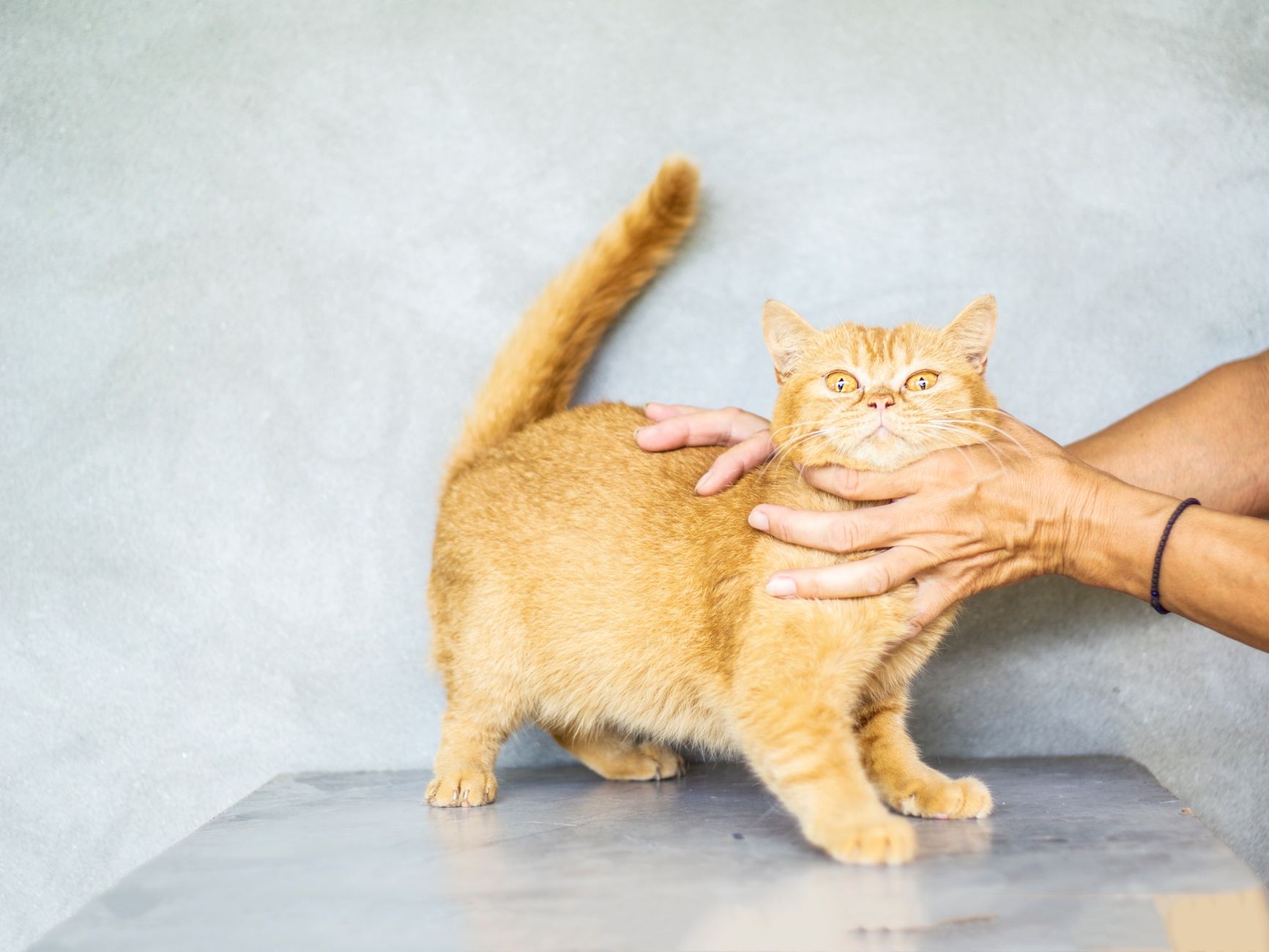
The Kurilian Bobtail possesses a remarkably gentle, confident, and balanced temperament that reflects its origins as a natural, wild-born survivor. Unlike breeds shaped by intensive human selection, they are calm under pressure and adapt beautifully to new environments without showing excessive fear. They are intensely devoted to their human families, often forming a particularly deep bond with one primary caregiver while remaining highly affectionate with everyone else. Clinically, I rarely see anxiety or stress-related alopecia in this breed; they are incredibly resilient, emotionally stable cats.
Is a Kurilian Bobtail good with other pets?
Yes, they generally integrate wonderfully with dogs and other cats due to their confident nature. However, because of their incredibly high, natural prey drive, I strongly advise against keeping them in homes with loose rodents, birds, or fish.
Purina Friskies Pate Wet Cat Food Variety Pack
- ✓Smooth pate texture
- ✓Seafood and chicken recipes
- ✓Complete and balanced adult nutrition
- A high-protein, complete diet suits cats’ needs as obligate carnivores
How much attention does a Kurilian Bobtail need?
They require a significant amount of daily mental engagement and physical play. While they can tolerate being alone during the workday if provided with complex puzzle toys, they expect active, interactive play sessions as soon as you walk through the door.
Training & Behavior
Training a Kurilian Bobtail is an absolute joy because of their high intelligence and natural desire to cooperate. They are fast learners that respond exceptionally well to positive reinforcement techniques like clicker training, often mastering tricks in a single afternoon. In my clinic, I have watched owners successfully train their Kurilians to walk on harnesses, fetch toys on command, and even navigate agility courses. However, without a structured outlet for their intellect, they will quickly learn how to open cabinets, turn on faucets, and bypass door latches.
Training Tips
- Use high-value, moisture-rich treats like freeze-dried salmon to motivate them.
- Keep training sessions short, dynamic, and fun—no more than 5 to 10 minutes at a time.
- Introduce harness training early in life to safely fulfill their desire to explore the outdoors.
- Always use positive reinforcement; punishing this confident breed will only damage your bond.
- Incorporate puzzle feeders to keep their minds active during feeding times.
Fun Activities
- Supervised bathtub or shallow sink play with floating toys
- Interactive fetch with lightweight crinkle balls
- Agility course training involving jumps and tunnels
- Harness-trained outdoor nature walks
- High-perch target jumping games
Is a Kurilian Bobtail easy to train?
Yes, they are among the easiest of all feline breeds to train. Their cognitive capacity is comparable to that of working dog breeds, meaning they can easily learn commands like ‘sit’, ‘stay’, and ‘retrieve’ when trained with positive reinforcement.
Kurilian Bobtail Health Issues
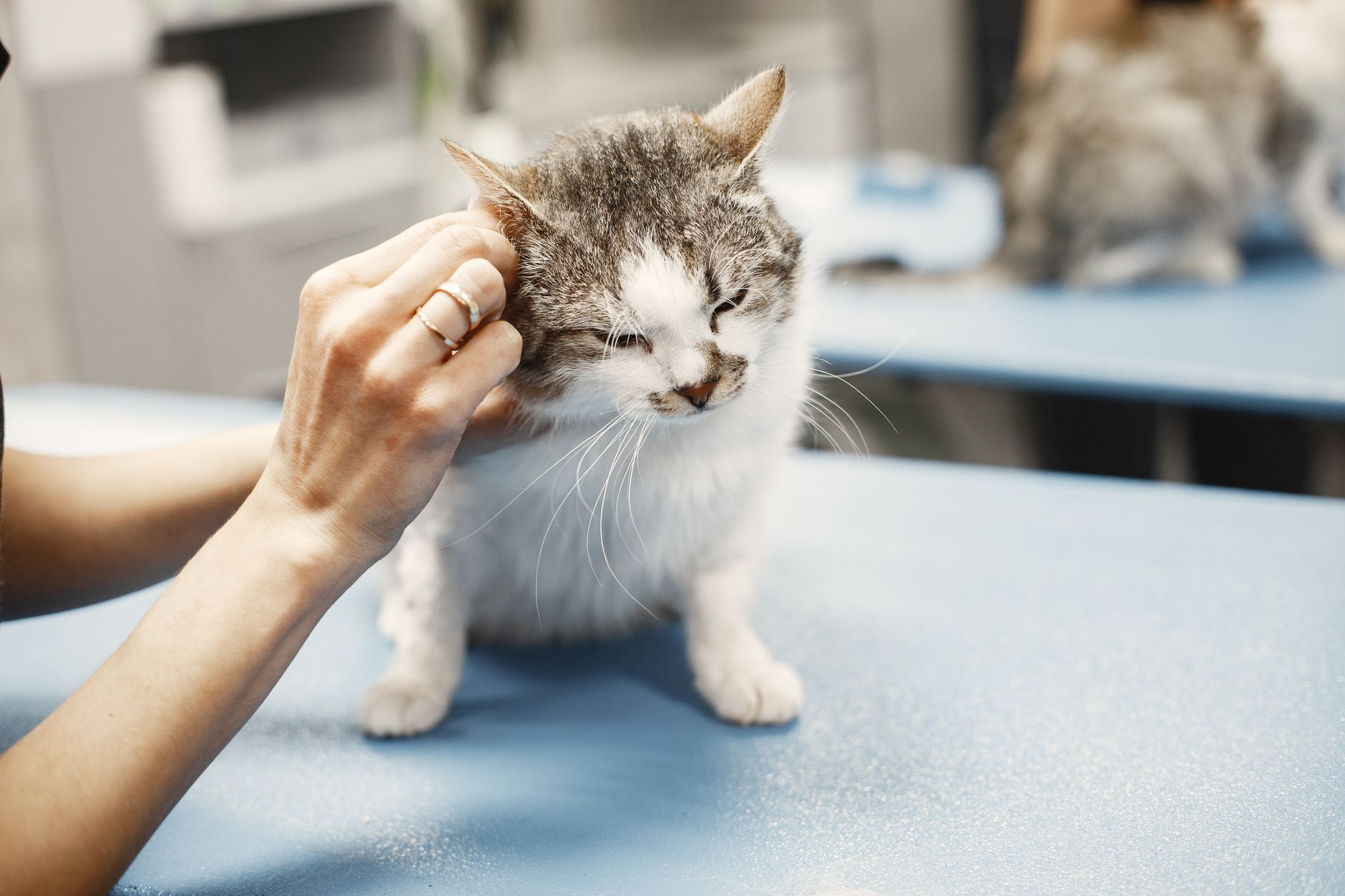
Because the Kurilian Bobtail developed naturally on isolated islands with minimal human intervention, they boast an incredibly robust genetic makeup and are free from many of the hereditary defects plaguing highly engineered breeds. In my clinical practice, they are among the sturdiest cats I treat, frequently living well into their late teens. However, because they possess a mutated gene responsible for their short tail, proactive veterinary monitoring of their spine and pelvic structure is still essential throughout their life.
Tail-Fold Pyoderma
Due to the highly complex, kinked, and spiraled nature of their pom-pom tails, moisture, sebum, and debris can easily become trapped within the tight skin folds. If left uncleaned, this dark, warm environment allows opportunistic bacteria and yeast to multiply, leading to painful localized skin infections.
Hypertrophic Cardiomyopathy (HCM)
HCM is the most common cardiac disease in all cats, characterized by the abnormal thickening of the left ventricular heart muscle. While not exceptionally prevalent in the Kurilian, it is still a documented inherited condition within the breed’s gene pool that can lead to heart failure or arterial thromboembolism.
rabbitgoo Cat Harness and Leash Set, Escape Proof
- ✓Vest-style harness with adjustable straps
- ✓Reflective strips for visibility
- ✓Leash included
- Lets curious cats explore outdoors safely
- Escape-resistant fit for confident outings
Feline Lower Urinary Tract Disease (FLUTD)
Like many muscular, active breeds, Kurilians can be prone to urinary tract issues, including cystitis and life-threatening urethral obstructions, particularly in neutered males fed a strictly dry-kibble diet. Ensuring high moisture intake is critical for prevention.
Spinal Osteoarthritis and Sacral Dysplasia
Though the genetic mutation causing the Kurilian’s bobbed tail is distinct from the Manx gene and rarely causes severe spinal cord issues, the abbreviated caudal vertebrae can still predispose older cats to localized arthritis and alignment abnormalities at the lumbosacral junction.
Obesity
Because Kurilians are heavy-boned, naturally muscular cats, it is easy for owners to mistake fat accumulation for healthy muscle mass. Inactive indoor Kurilians can rapidly gain weight, putting unnecessary stress on their unique joints and cardiovascular system.
How long do Kurilian Bobtails typically live?
With excellent veterinary care, a high-quality diet, and an active lifestyle, Kurilian Bobtails routinely live between 15 and 20 years. Their natural island heritage has granted them a remarkably resilient constitution.
What to Feed a Kurilian Bobtail
Feeding a Kurilian Bobtail requires an understanding of their ancestral diet, which consisted heavily of fresh fish, small rodents, and birds on the Kuril Islands. To maintain their high muscle mass and active metabolism, they require a diet rich in high-quality animal proteins and moisture. As a veterinarian, I strongly advocate against a dry-food-only diet for this breed due to their predisposition to urinary tract crystals.
Best Diet
The ideal diet for a Kurilian Bobtail is a high-protein, moderate-fat, wet or raw food diet formulated for active breeds. Look for commercial foods that list whole meats (such as salmon, chicken, or rabbit) as the first ingredients, and avoid diets heavily padded with corn, wheat, or soy fillers.
How to Feed
I recommend feeding adult Kurilian Bobtails twice daily on a strict schedule rather than free-feeding, which quickly leads to obesity. Utilizing puzzle feeders or scatter-feeding techniques is highly beneficial to slow down their eating and satisfy their cognitive need to ‘hunt’ for their food.
How Much to Feed
Portion sizes must be customized based on your cat’s specific weight, age, and activity level. As a general starting point, an active 12-pound adult Kurilian typically requires about 250 to 300 calories per day, but you should always consult your veterinarian to establish a precise caloric target.
Nutritional Tips
Incorporate Omega-3 fatty acids (such as wild-caught salmon oil) into their meals to support their dense, water-resistant coats and protect their joint health. Always provide fresh, filtered water, ideally from a circulating pet fountain, as Kurilians are naturally attracted to moving water.
Kurilian Bobtail Grooming Guide
Despite their wild appearance and dense coats, grooming a Kurilian Bobtail is remarkably straightforward. Their fur has a unique, silky texture that naturally resists tangling, matting, and dirt accumulation. What I see most often in practice is that owners are pleasantly surprised by how little effort is required to keep their coats in pristine condition.
Coat Care
For both the shorthair and semi-longhair varieties, a weekly brushing with a high-quality slicker brush or stainless steel comb is sufficient to remove loose undercoat. During their semi-annual shedding seasons, increase this to two or three times a week to prevent excessive hair ingestion and hairballs.
Skin Care
The most critical skin care task is checking the tight folds of their bobbed tail weekly. Gently part the fur around the tail to inspect for any trapped moisture, redness, or dirt, wiping the area with a vet-approved, unscented chlorhexidine wipe if necessary.
Nail & Dental Care
Trim their nails every two to three weeks, paying close attention to the dewclaws. Brush their teeth at least three times a week with veterinary-enzymatic toothpaste to prevent periodontal disease, which can impact their overall systemic health.
Considerations for Pet Parents
Pros
- Incredibly hardy, healthy, and long-lived natural breed
- Highly intelligent and exceptionally easy to train
- Dog-like loyalty and a deeply affectionate, social nature
- Thrives in households with other cats and friendly dogs
- Fascinating, unique ‘pom-pom’ tail and wild look
- Low-maintenance, water-resistant coat that rarely mats
Cons
- Extremely high energy levels requiring daily physical outlet
- Very high prey drive; unsafe around small pocket pets
- Prone to escape attempts and opening doors or cabinets
- Can be challenging to find from reputable breeders outside of Eastern Europe
- Requires careful monitoring of unique tail folds for infections
Best For
Active families, multi-pet households, and individuals who want a highly interactive, dog-like cat that will join them in daily activities, outdoor harness adventures, and structured play.
Not Recommended For
Sedentary owners seeking a calm, hands-off lap cat, or households with free-roaming pocket pets like hamsters, birds, or fish who would be targeted by the breed’s intense hunting instincts.
Cost
- purchase price$1,200 to $2,500 USD from a reputable, registered breeder
- monthly cost$80 to $150 USD (covering premium food, litter, enrichment toys, and routine preventative veterinary care)
- initial setupPlan to invest $300 to $500 initially for heavy-duty scratching posts, extra-tall cat trees, sturdy harness/leash setups, and interactive puzzle toys.
-
Globlazer F70 Pro Heavy Duty Cat TreeGives cats vertical space to climb, scratch and nap, which reduces stress and keeps them off your shelves
-
EGETOTA 5-Way Cat Tunnel with Play BallA crinkly play tunnel gives cats somewhere to hide, pounce and race through
-
Stainless Steel Cat Water Fountain, 2.2LMoving, filtered water encourages pets to drink more, which supports kidney and urinary health
Similar Breeds

Related Cat Guides
Kurilian Bobtail FAQs
Why do Kurilian Bobtails have short tails?
Their unique short tails are the result of a naturally occurring, dominant genetic mutation that developed in isolation on the Kuril Islands. Unlike the recessive gene of the Japanese Bobtail or the potentially lethal semi-dominant gene of the Manx, the Kurilian’s tail gene is highly stable and does not cause severe health issues.
Can Kurilian Bobtails swim?
Yes, they are highly proficient swimmers. In their native islands, they are famous for catching fish in shallow streams. Their water-resistant coats and powerful hind legs make them naturally suited for water, and many actively seek out baths, puddles, or running faucets.
Are Kurilian Bobtails vocal?
They are moderately vocal, but they do not typically possess a harsh, repetitive meow. Instead, they are known for communicating with a charming array of soft trills, chirps, and coos, which they use to ‘chat’ with their owners when they want attention or food.
Do their tails hurt when touched?
A healthy Kurilian Bobtail’s tail should not be painful when handled gently. However, because the vertebrae are fused and kinked, you must never pull, bend, or squeeze the tail. If a cat reacts with aggression or pain when the tail is touched, they should be evaluated by a veterinarian for spinal arthritis.
How big do Kurilian Bobtails get?
They are a slow-maturing breed, taking up to three or four years to reach their full skeletal size and muscular weight. Adult males typically weigh between 11 and 15 pounds, while females are noticeably smaller, ranging from 8 to 11 pounds.
Are Kurilian Bobtails hypoallergenic?
No, they are not hypoallergenic. They still produce the Fel d 1 protein in their saliva, dander, and urine, which is the primary trigger for cat allergies. However, some owners report fewer mild allergy symptoms due to their low-maintenance, water-resistant coats trapping less environmental dust.
Do they need a lot of vertical space?
Yes, vertical space is a non-negotiable requirement for this breed. Their powerful hind legs allow them to jump incredibly high from a standstill. I advise owners to install sturdy, floor-to-ceiling cat trees or secure wall shelves to prevent them from jumping onto dangerous surfaces like stoves.
Are they prone to behavioral problems if left alone?
If left alone for long periods without mental stimulation, their high intelligence can turn into destructive behavior. They are prone to opening cabinets, shredding toilet paper, or scratching furniture out of sheer boredom. Providing complex puzzle toys and a companion animal can mitigate this.
What is the difference between a Kurilian Bobtail and a Japanese Bobtail?
The Kurilian Bobtail is a heavier, more muscular, and naturally developed breed with a wilder appearance, originating from the Kuril Islands and possessing a dominant tail mutation. The Japanese Bobtail is more refined, slender, has a recessive tail mutation, and was carefully bred over centuries in Japan.
Are there different types of Kurilian Bobtail tails?
Yes, their tails are categorized into four distinct styles: the ‘snag’ (mostly straight with a terminal hook), the ‘spiral’ (resembling a tight cinnamon roll), the ‘whisky’ (a short, straight tail), and the ‘delayed bobtail’ (a tail that starts straight but spirals at the very tip). No two tails are identical.
Do they get along with dogs?
Yes, they are highly confident cats that are rarely intimidated by dogs. They often form close bonds with canine housemates, frequently engaging in games of chase and even sleeping together, making them excellent additions to dog-friendly homes.
Can I let my Kurilian Bobtail go outside unsupervised?
I strongly advise against unsupervised outdoor access. Because they are highly skilled hunters with absolutely no fear, they are at extreme risk of getting into fights with local wildlife, getting hit by cars, or getting stolen. Instead, utilize secure catios or harness training.
What kind of grooming tool is best for their coat?
A dual-sided stainless steel greyhound comb and a medium slicker brush are the best tools for their unique coat. The slicker brush removes loose undercoat, while the metal comb helps ensure there are no hidden tangles starting near the skin, especially around the flanks and hindquarters.
How can I prevent tail-fold infections in my Kurilian Bobtail?
Keep the tail clean and dry. Check the base of the tail weekly for any debris or oily buildup. If you notice any dirt, gently wipe the folds with a damp, warm cloth or a veterinary-prescribed antiseptic wipe, and dry the area thoroughly afterward with a soft towel.
Sources & Further Reading
- The Cat Fanciers’ Association (CFA)
- International Cat Care
- Merck Veterinary Manual
- American Veterinary Medical Association (AVMA)