

Quick Summary
Feline intelligence is highly trainable, especially in specific breeds that possess high cognitive drives and natural curiosity. Breeds such as the Abyssinian, Bengal, and Siamese excel at learning tasks like fetching, leash walking, and puzzle-solving. Successful training relies on positive reinforcement, understanding breed-specific motivators, and providing consistent mental stimulation to prevent behavioral issues.
As an Amazon Associate, we earn from qualifying purchases.
Popular with cat owners: Puzzle Toys · Cat Treats · Cat Tree
In my veterinary clinic, I often hear clients joke that cats are untrainable roommates who simply tolerate our presence. I always tell them that this is a massive misconception.
In reality, cats are highly capable of learning complex behaviors when we understand their motivators.
Over my years in practice, I have watched clients transform their homes by tapping into their cats’ natural intelligence. Some breeds are incredibly eager to work for their rewards and crave mental stimulation just as much as any working dog.
If you are looking for a feline companion that can learn to fetch, walk on a harness, or solve intricate food puzzles, choosing the right breed makes all the difference.
Key Takeaways
- Feline intelligence requires active outlets; otherwise, smart cats will develop destructive behaviors.
- Positive reinforcement, specifically clicker training with high-value treats, is the gold standard for cat training.
- Highly active breeds like Bengals and Savannahs require physical exercise paired with cognitive challenges daily.
- Cooperative husbandry training, such as crate training and nail trims, is highly achievable with intelligent breeds.
- Never use physical punishment, as it breaks trust and triggers stress-induced feline medical conditions.
- Using puzzle feeders is an excellent daily practice to keep smart cats mentally stimulated.
In This Article
- 1. The Abyssinian (The Agility Champion)
- 2. The Bengal (The High-Drive Explorer)
- savannah-the-problem-solving-giant”>3. The Savannah (The Problem-Solving Giant)
- 4. The Siamese (The Vocal Scholar)
- sphynx-the-food-motivated-performer”>5. The Sphynx (The Food-Motivated Performer)
- 6. The Maine Coon (The Cooperative Giant)
- 7. The Japanese Bobtail (The Social Athlete)
- 8. Dr. Heller’s Veterinary Rules for Cat Training
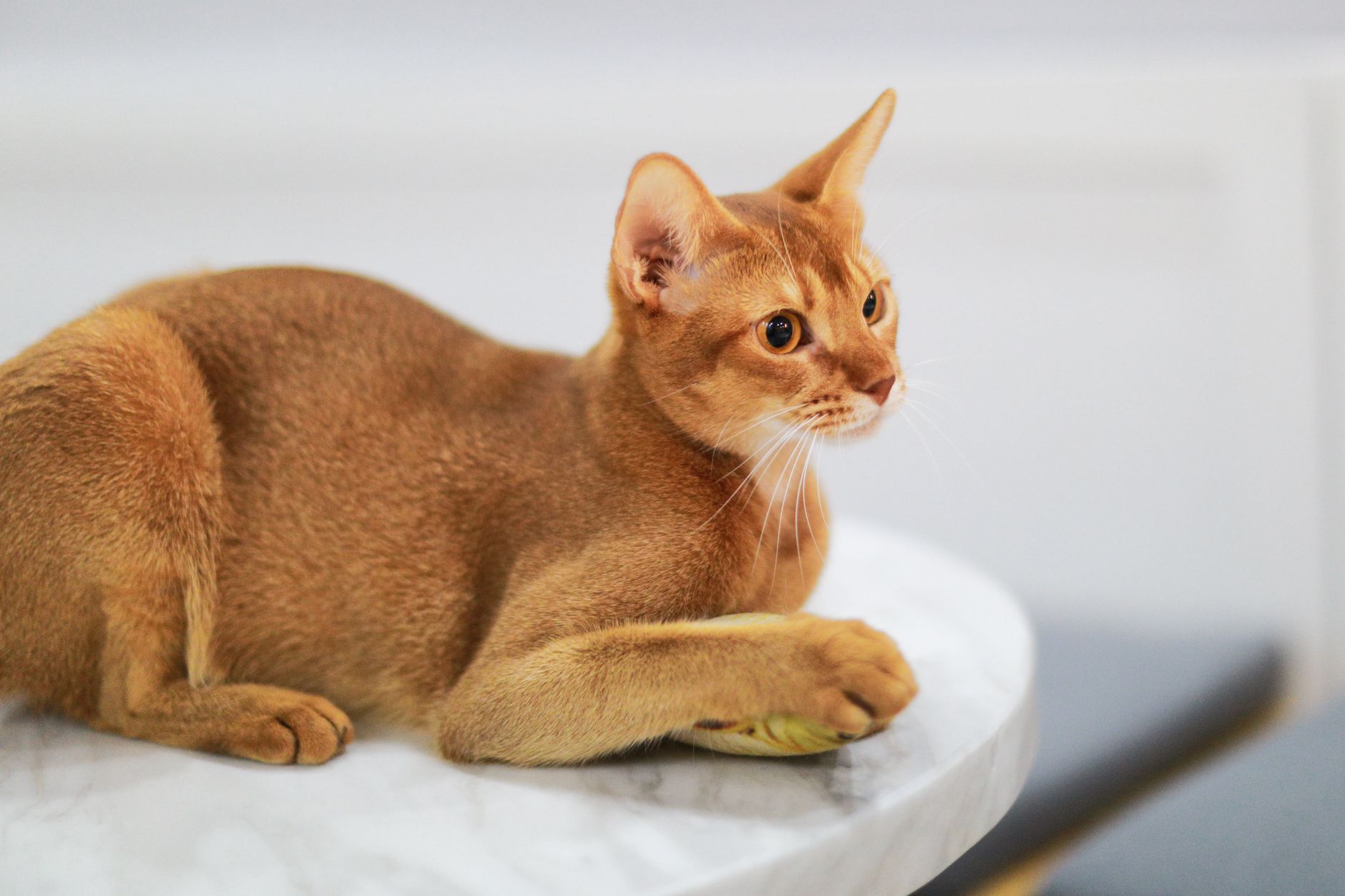
1. The Abyssinian (The Agility Champion)
In my practice, Abyssinians are often the stars of the exam room because they cannot sit still; they want to investigate every otoscope and syringe on the counter. These cats possess an intense, insatiable curiosity and a high level of physical athleticism.
I often refer to them as the ‘border collies of the cat world’ because they thrive when they have a specific job to do.
Because they are so active, they excel at agility courses. I have seen clients build incredible indoor agility setups with hoops, tunnels, and jump bars, which their Abyssinians navigate with absolute precision.
If you do not channel this energy, they will find their own entertainment, which usually involves scaling your drapes.
Training an Abyssinian requires high-value treats and rapid-fire training sessions. Because their minds move so quickly, they can lose interest if a session drags on.
Keep your training sessions under three minutes, but repeat them twice a day for the best results.
- Agility training, including jumping through hoops and weaving through poles
- Target training, which involves touching a stick with their nose on command
- High-five and wave gestures
- Leash walking with a secure, H-style harness
Catstages Tower of Tracks Interactive Cat Toy
- ✓Three levels of tracks with six spinning balls
- ✓Non-slip base keeps the tower in place
- ✓Lets several cats play at once
- Keeps indoor cats and kittens active on their own
- Taps into the instinct to chase and bat
2. The Bengal (The High-Drive Explorer)
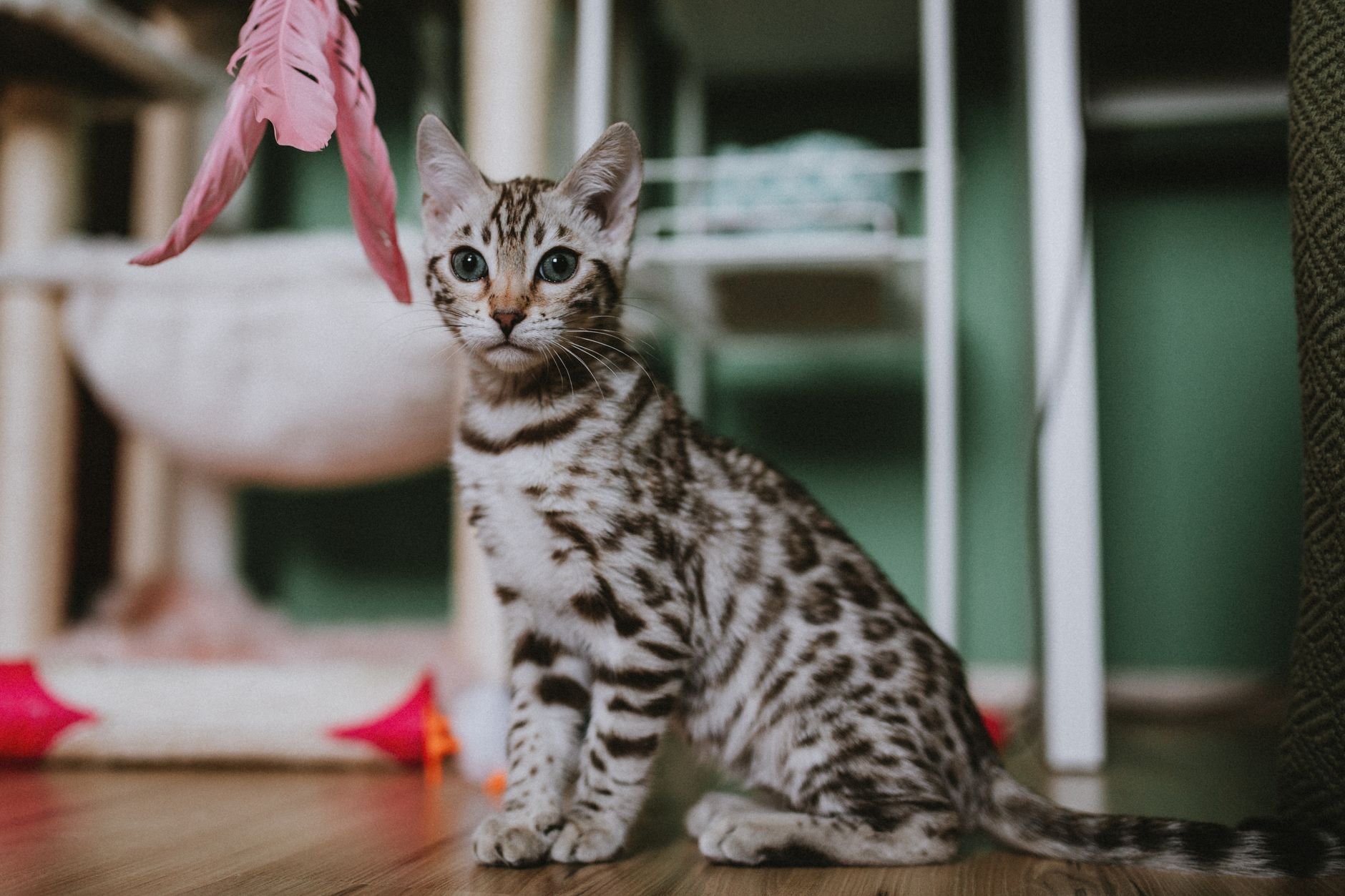
Bengals are beautiful, but they are not a breed for the casual cat owner. Because they carry wild ancestry from the Asian leopard cat, they possess an incredibly high prey drive and an intense need for environmental enrichment.
In my clinic, bored Bengals are frequent patients for stress-related cystitis or destructive scratching.
Training is not just a fun trick for a Bengal; it is a clinical necessity for their mental health. They are highly responsive to clicker training because they love the challenge of figuring out what action earns them a reward.
They are also one of the easiest breeds to leash train, allowing you to take them on outdoor hikes to safely burn off energy.
I always advise Bengal owners to introduce water-based training as well. Unlike most felines, Bengals genuinely enjoy water and can easily be taught to swim or play in a shallow tub, which is an excellent way to tire them out.
- Introduce the harness indoors for five-minute intervals before going outside.
- Use a clicker to mark the exact millisecond they perform the desired behavior.
- Reward them with freeze-dried meat treats, which appeal to their wild carnivore drive.
- Never leave a harnessed Bengal unattended, as they are master escape artists.
3. The Savannah (The Problem-Solving Giant)
The Savannah cat is a striking, large breed developed by crossing domestic cats with the wild African Serval. This heritage gives them an extraordinary level of cognitive problem-solving ability.
I have had clients tell me their Savannahs learned to turn on doorknobs, flip light switches, and even flush toilets entirely on their own.
Because they are so clever, you must stay one step ahead of them. I highly recommend using interactive puzzle toys that require multiple steps to release food.
If a Savannah does not have to work for its meals, it will quickly direct its massive energy toward redecorating your home.
Training a Savannah requires establishing a strong bond based on mutual respect. They respond beautifully to voice commands and can easily learn to sit, stay, and come when called, behaving much more like a loyal canine companion than a typical aloof feline.
Managing the Savannah’s Height Drive
Savannahs love to view their world from above. I always recommend building vertical climbing walls to give them a safe outlet for their incredible jumping ability.
- Install heavy-duty floating shelves.
- Provide a floor-to-ceiling cat tree.
- Teach the ‘up’ and ‘down’ commands using target sticks.

4. The Siamese (The Vocal Scholar)
Siamese cats are famous for being incredibly vocal, but that vocalization is a sign of their deep desire to communicate with their human companions. This breed is highly social, deeply affectionate, and surprisingly easy to train because they are so desperate for your attention.
Temptations MixUps Crunchy Cat Treats
- ✓Shake the pack and cats come running
- ✓Mixed flavors in every bag
- ✓Under 2 calories per treat
- A tasty treat makes training, grooming and vet-carrier practice far easier
In my clinical experience, Siamese cats crave human interaction more than almost any other breed.
You can leverage this social drive during training sessions. While other cats might only work for food, a Siamese will often perform tricks simply for praise, chin scratches, or a favorite toy.
They are natural retrievers and can easily be trained to play fetch with small, soft toys.
I often recommend Siamese cats for owners who want an interactive pet but live in smaller spaces where larger breeds might feel cramped. As long as you talk to them and challenge their minds, they are incredibly content and well-behaved.
- Playing retrieve or fetch with crinkle balls
- Speak and quiet commands to manage their natural vocalizations
- Sitting on a designated mat while you prepare their meals
- Walking politely on a leash to explore the neighborhood safely

5. The Sphynx (The Food-Motivated Performer)
The hairless Sphynx is beloved for its unusual looks and warm, velvet skin, but they are also exceptionally smart and highly trainable. Because they do not have fur, their metabolisms run incredibly high to keep their bodies warm.
This high metabolism means one very important thing for training: they are intensely food-motivated.
In my clinic, I find that a food-motivated animal is a dream to train. A Sphynx will do almost anything for a tasty lickable treat or a piece of kibble.
They quickly associate commands with rewards, making them excellent candidates for learning complex trick routines.
However, you must be careful with their calorie intake. Because they are so eager to work for food, it is easy to overfeed them during training.
I always recommend using a portion of their daily veterinary-approved kibble allowance for training sessions rather than adding extra treats to their diet.

6. The Maine Coon (The Cooperative Giant)
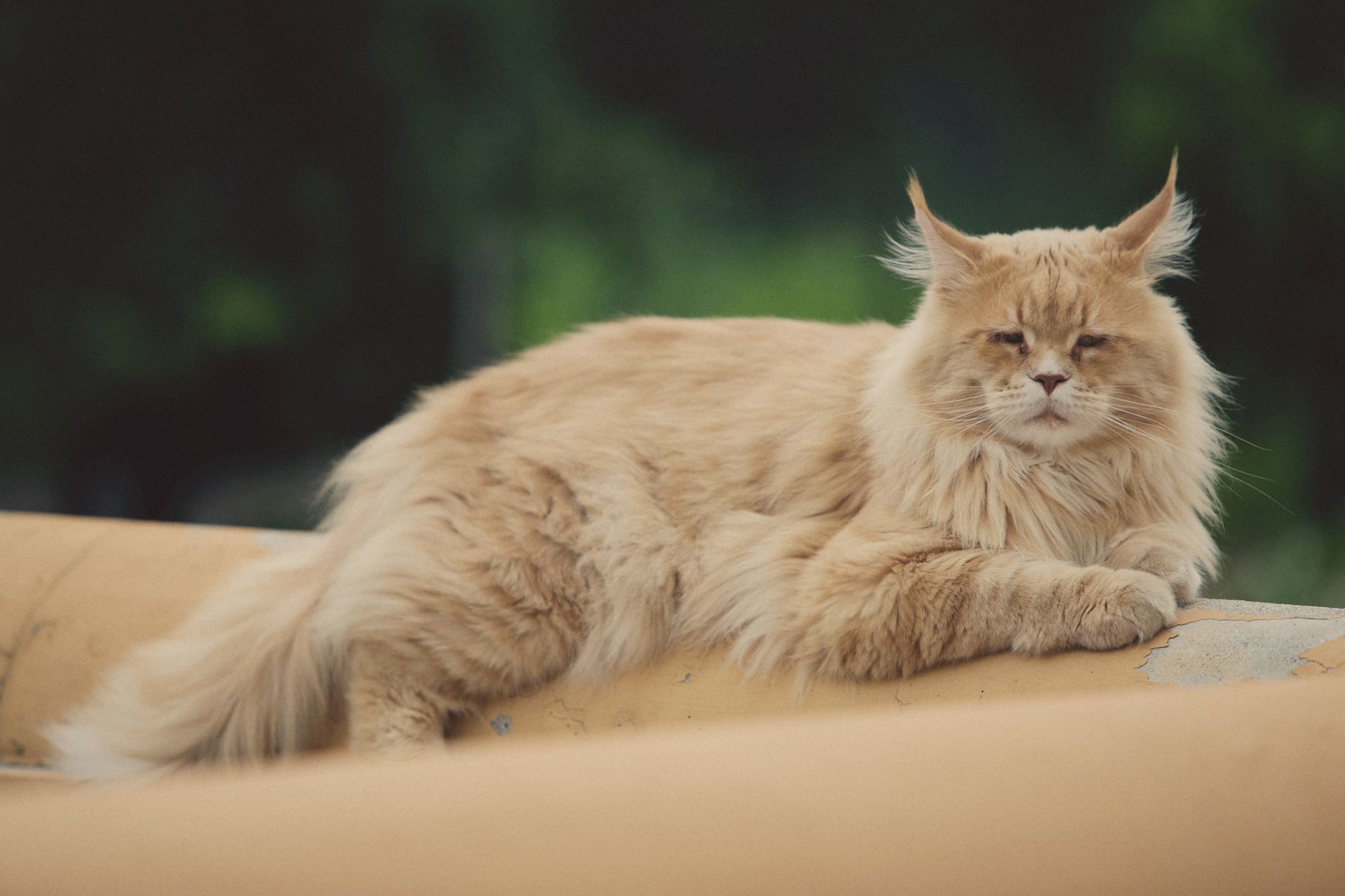
Maine Coons are known as the ‘gentle giants‘ of the cat world, and their intelligence is equally massive. Unlike the high-strung energy of Bengals or Abyssinians, Maine Coons have a laid-back, patient intelligence.
They are highly observant and love to watch their owners to figure out how things work.
In my practice, I highly recommend Maine Coons for cooperative care training. Because they grow so large and have long, dense coats, grooming and medical care can be challenging if they resist.
Fortunately, they are incredibly receptive to being trained to tolerate nail trims, brushing, and even teeth cleaning.
Using positive reinforcement to make these health routines pleasant is one of the best things you can do for a Maine Coon. They enjoy the cooperative process and will happily sit still for a thorough brushing session if they know a reward is coming afterward.
- Crate training, teaching them to walk into their carrier willingly
- Nail trim desensitization, touching paws and rewarding calm behavior
- Brush cooperative training, rewarding them for staying still during grooming
- Holding still for ear cleaning and dental exams
7. The Japanese Bobtail (The Social Athlete)
The Japanese Bobtail is an ancient breed known for its distinctive pom-pom tail and its playful, intelligent nature. These cats are deeply family-oriented and thrive on interactive games.
In Japan, they were historically kept as working cats to protect silk factories, which speaks to their active, task-oriented minds.
They love carrying things in their mouths, which makes them natural retrievers. They will bring you toys, drop them at your feet, and wait expectantly for you to throw them again.
This play-based intelligence makes training them an incredibly fun, interactive experience for the whole family.
I often recommend Japanese Bobtails to families with well-behaved children. Their high intelligence and sturdy build make them fantastic playmates who can learn to navigate obstacle courses or play hide-and-seek games with kids.
8. Dr. Heller’s Veterinary Rules for Cat Training
Now that you know which breeds excel at learning, it is crucial to understand the rules of feline training. Cats do not learn the same way dogs do, and applying canine training methods to a cat will quickly backfire.
Felines have no concept of social dominance; they operate purely on self-interest and positive associations.
In my clinical experience, the absolute worst thing an owner can do is punish a cat for not understanding a command or for misbehaving. Physical punishment, squirt bottles, or yelling will only teach your cat to fear you, which can trigger severe stress-induced medical issues like feline lower urinary tract disease.
Instead, focus on marking the exact moment your cat does something right. This is where clicker training shines.
The sound of the clicker acts as a bridge, telling the cat’s brain exactly which movement earned them the treat, speeding up the learning process.
- Rule 1: Always use high-value, highly smelly treats like freeze-dried chicken or tuna.
- Rule 2: Keep training sessions incredibly short—two to three minutes is plenty.
- Rule 3: Never push your cat if they show signs of frustration or walk away.
- Rule 4: Train before regular meal times when your cat is naturally hungry and motivated.
- Rule 5: End every training session on a successful note with a jackpot treat.
-
Yaheetech 63-Inch Large Cat TreeGives cats vertical space to climb, scratch and nap, which reduces stress and keeps them off your shelves
-
Vest-Style Cat Harness and Leash for WalkingAn escape-resistant harness lets curious cats explore outdoors safely on a leash
-
H&H Pets Cat Nail ClipperRegular trims keep paws comfortable and prevent painful splitting, and a safety guard makes home trims easier
Related Cat Guides
Frequently Asked Questions
Can you train an older cat, or do you have to start when they are kittens?
Yes, you can absolutely train older cats. Feline brains remain plastic and capable of learning throughout their lives. While kittens learn rapidly, older cats often have longer attention spans, making them excellent candidates for clicker training and cooperative care routines.
How do I stop my smart cat from using their intelligence to get into trouble?
The best defense against mischievous behavior is proactive mental stimulation. Use puzzle feeders for all of their meals, provide plenty of vertical climbing spaces, and schedule daily training sessions to exhaust their cognitive reserves.
What is the best reward for a cat that isn’t motivated by food?
If your cat is not food-motivated, find their secondary currency. This is often physical affection, like chin scratches, a favorite wand toy, or access to a specific window perch. Use that specific reward exclusively during your training sessions.
How long does it take to leash train a cat?
Leash training is a slow, multi-week process that requires immense patience. It typically takes two to four weeks of indoor practice wearing the harness before your cat is ready to take their first steps outside.
Can training help reduce anxiety or aggression in cats?
Yes, clinical experience and behavior studies confirm that training reduces stress. By giving cats a sense of control over their environment and a predictable routine, training boosts their confidence and minimizes anxiety-driven behaviors.
Sources & Further Reading
- The Cat Fanciers’ Association (CFA)
- American Veterinary Medical Association (AVMA)
- Cornell University College of Veterinary Medicine
- PetMD
Final Thoughts
Training your cat is one of the most rewarding journeys you can undertake as a pet owner. In my years of clinical practice, I have seen training resolve behavioral issues, ease veterinary exams, and forge unbreakable bonds between cats and their humans.
Remember that every cat is an individual, and patience is your absolute greatest tool. Start small, keep it fun, and enjoy watching your cat’s brilliant mind unfold.
By choosing one of these highly intelligent breeds and using positive reinforcement, you will unlock a level of feline companionship you never thought possible.