

Quick Summary
Busy professionals can still enjoy feline companionship by choosing breeds that thrive on independence and require minimal grooming. While no cat is truly zero work, breeds like the British Shorthair, Russian Blue, and American Shorthair offer the perfect balance of affection and self-sufficiency. Dr. Veronica Heller highlights how these hardy breeds fit seamlessly into active lifestyles without compromising on pet welfare.
In my fifteen years running a busy feline-focused veterinary clinic, I have met countless professionals who desperately want a pet but fear their 60-hour workweeks make it impossible. They worry about coming home to shredded drapes, howling neighbors, or a clinically depressed animal.
The truth is that cats are naturally more self-sufficient than dogs, but choosing the wrong breed can still lead to behavioral issues and clinical stress. Some breeds crave constant engagement, while others are perfectly content waiting for you to return.
Today, I want to share the seven low-maintenance cat breeds I most frequently recommend to my busiest clients, along with my clinical tips for keeping them healthy on a tight schedule.
Key Takeaways
- Independent breeds like the British Shorthair and Russian Blue handle alone time far better than highly social oriental breeds.
- Short-haired, single-coated breeds drastically reduce your daily grooming commitment and the risk of painful hair mats.
- Even low-maintenance cats require environmental enrichment like vertical climbing spaces and window perches to prevent obesity.
- Automated feeders and water fountains are highly effective clinical tools for maintaining strict dietary and hydration schedules.
- Regular veterinary wellness checks remain essential, as quiet cats are notorious for hiding symptoms of pain or illness.
In This Article
- 1. The British Shorthair: The Ultimate Independent Companion
- 2. The Russian Blue: Reserved, Clean, and Gentle
- 3. The American Shorthair: Hardy and Adaptable
- chartreux-the-silent-french-companion”>4. The Chartreux: The Silent French Companion
- ragdoll-low-stress-and-laid-back”>5. The Ragdoll: Low-Stress and Laid-Back
- 6. The Scottish Fold: Calm, Sweet, and Easygoing
- birman-quiet-elegance-with-minimal-matting”>7. The Birman: Quiet Elegance with Minimal Matting
- 8. Clinical Strategies for the Busy Cat Owner
1. The British Shorthair: The Ultimate Independent Companion
In my clinical experience, the British Shorthair is the gold standard for busy households. They are famously placid, emotionally stable, and highly independent.
They do not suffer from separation anxiety like Siamese or Bengals do.
These cats possess a dense, plush coat that does not mat easily. A quick five-minute brush once a week is usually all they need.
They are perfectly happy to lounge on the sofa while you are at the office, making them ideal for apartment dwellers.
- Average weight: 9 to 17 pounds, making them sturdy and robust.
- Grooming needs: Once-weekly brushing with a stainless-steel slicker brush.
- Key personality trait: Dignified and quiet; they rarely vocalize.
- Common health consideration: Prone to obesity, so portion-controlled feeding is mandatory.

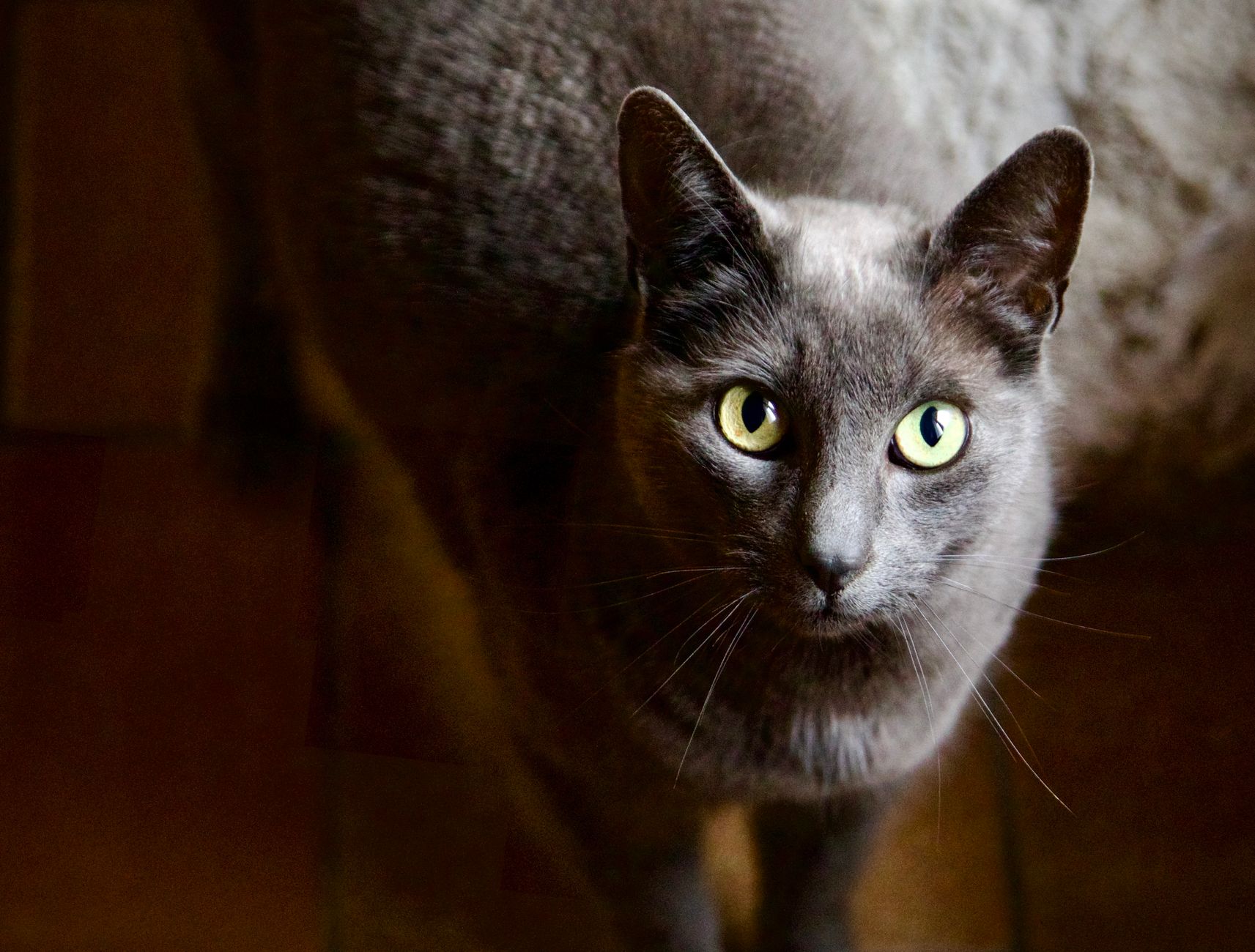
2. The Russian Blue: Reserved, Clean, and Gentle
The Russian Blue is an elegant, reserved cat that thrives on routine. In my practice, I notice these cats form strong bonds with their owners but are highly self-sufficient when left alone.
They are rarely destructive and spend their days napping in sunny patches.
Their coat is double-layered but very short and dense. It naturally resists dirt and requires minimal brushing.
Additionally, they produce lower levels of the Fel d 1 allergen, which is a major bonus for busy owners with mild pet allergies.
- Coat type: Short, dense, and shimmering silvery-blue.
- Allergen level: Lower Fel d 1 production than average feline breeds.
- Exercise needs: Self-directed play; they love chasing laser pointers or toy mice.
- Dietary note: Highly food-motivated, which can make them beg if schedules are inconsistent.
3. The American Shorthair: Hardy and Adaptable
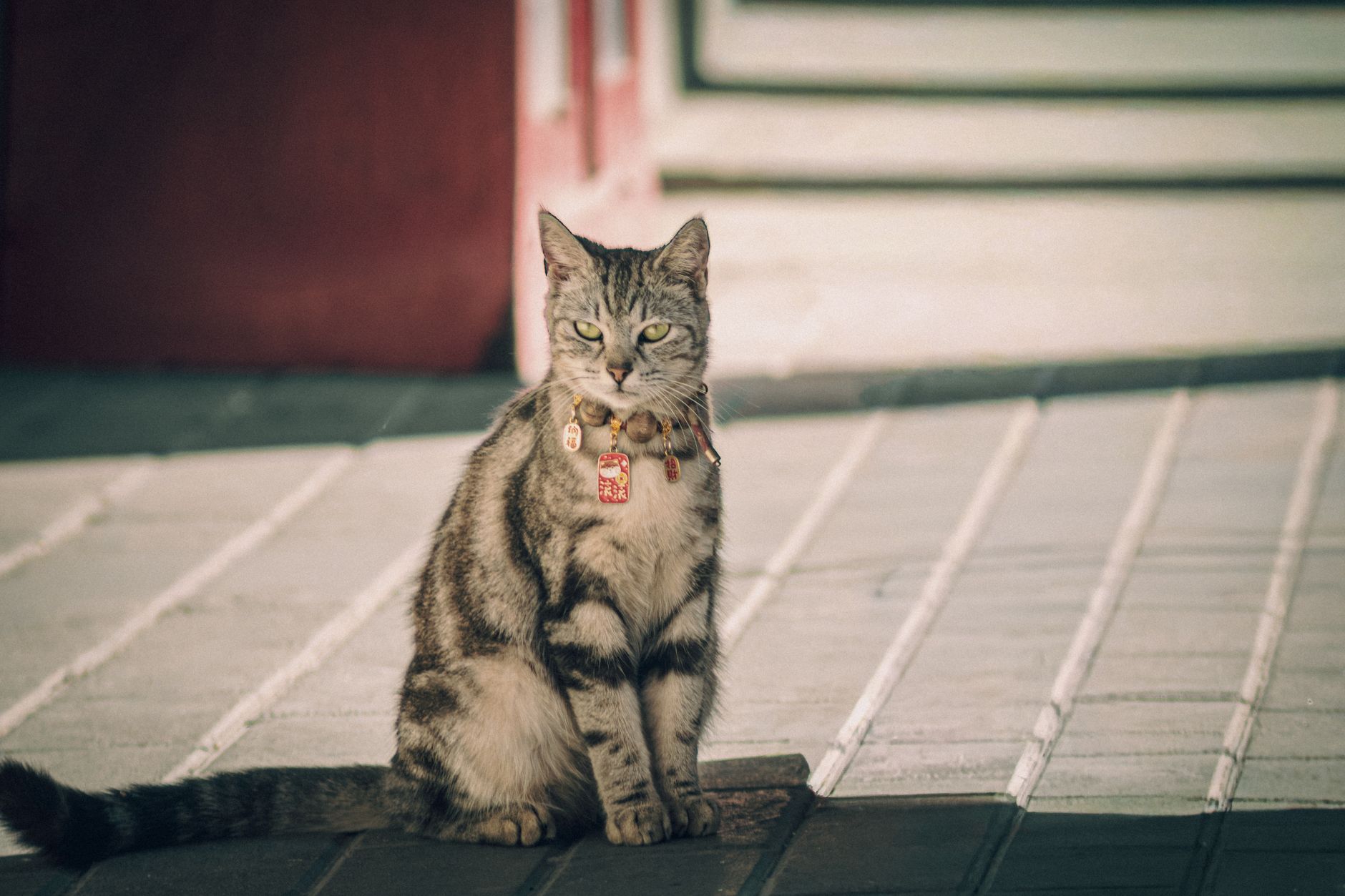
The American Shorthair is the working cat’s ultimate companion. Originally bred as mousers, these cats are incredibly hardy, muscular, and adaptable to almost any living situation.
I rarely see these cats in my clinic for stress-related behaviors like psychogenic alopecia, which is compulsive over-grooming.
Their short, stiff coat sheds moderately but does not mat. They are highly social but do not demand constant attention.
They are just as happy playing with a solo toy as they are sitting on your lap while you reply to late-night emails.
- Lifespan: Often lives 15 to 20 years with proper veterinary care.
- Grooming: A rubber grooming mitt used once a week keeps shedding under control.
- Health profile: Genetically diverse and generally free of severe breed-specific defects.
- Independence level: High; they easily tolerate 8 to 10 hours of solitude.
4. The Chartreux: The Silent French Companion
If you need a quiet home environment, the Chartreux is your perfect match. These French cats are famous for their silence; many rarely meow, instead communicating with sweet chirps or expressive eyes.
In my practice, Chartreux owners always comment on how undisturbed their work-from-home calls are.
Their thick, water-repellent coat does require a bit of combing during seasonal shedding cycles. However, for most of the year, they are incredibly low-maintenance.
They have a cheerful, dog-like personality but retain their classic feline independence.
Combating the Seasonal Blow
During spring and autumn, the Chartreux sheds its dense undercoat. I advise clients to use a medium-toothed comb twice a week during these transition periods to prevent hairballs.

5. The Ragdoll: Low-Stress and Laid-Back
You might be surprised to see a semi-longhaired cat on this list. While the Ragdoll does require regular brushing, their temperament is the definition of low-maintenance.
They are incredibly docile, trusting, and slow to anger, which makes them highly adaptable to busy households.
Unlike high-energy breeds, Ragdolls do not climb drapes or jump onto high kitchen cabinets. They prefer to stay low to the ground and follow you gently from room to room.
Their coat is single-layered, meaning it lacks a dense undercoat and is surprisingly resistant to matting.
- Grooming routine: Brush twice a week using a wide-toothed comb to prevent tangles.
- Temperament: Calm, affectionate, and highly tolerant of children and other pets.
- Activity level: Low to moderate; they prefer floor-level play over vertical climbing.
- Clinical warning: Because they are so docile, they may not show obvious signs of pain. Monitor changes in appetite closely.

6. The Scottish Fold: Calm, Sweet, and Easygoing
The Scottish Fold is immediately recognizable by its folded ears, but it is their placid temperament that wins over busy owners. They are sweet-tempered, loving, and remarkably quiet.
They handle changing household schedules with ease and rarely become anxious or destructive.
Their short coat is very easy to care for, requiring only a quick weekly brush.
They enjoy being near their humans but are not clingy. They will happily snooze on a chair next to your desk without demanding that you stop working.
Monitoring Joint Health
The gene that causes the folded ears affects cartilage development. I always advise my Scottish Fold owners to watch for signs of joint stiffness or reluctance to jump, which can indicate osteochondrodysplasia.

7. The Birman: Quiet Elegance with Minimal Matting
The Birman is another long-haired breed that defies the high-maintenance stereotype. Their silky coat does not have a heavy undercoat, which means it rarely mats or tangling.
A simple weekly combing session is enough to keep them looking pristine and healthy.
Birmans are exceptionally gentle and soft-spoken.
They love human companionship but are patient and well-behaved when left alone. They adapt beautifully to apartment living and do not require intense mental stimulation to stay out of trouble.
- Coat texture: Silky, single coat that resists matting naturally.
- Vocalization: Soft, musical voice used sparingly.
- Social needs: Moderate; they enjoy greeting you at the door but do not demand constant play.
- Grooming tools: A stainless steel greyhound comb is the only tool you truly need.
8. Clinical Strategies for the Busy Cat Owner
No matter which breed you choose, a cat cannot raise itself. To successfully balance a demanding career with responsible pet ownership, you must set up your home environment strategically.
In my clinic, I help busy owners build automated, stress-free care routines.
Using automated technology can keep your cat healthy and happy even when you are stuck in late-night meetings. This prevents common clinical issues like feline lower urinary tract disease (FLUTD) and obesity, which I see far too often in homes with busy schedules.
- Invest in a microchip-activated automated feeder to maintain strict portion sizes and prevent overeating.
- Place a recirculating water fountain in the home to encourage drinking and protect renal health.
- Install tall vertical scratching posts and window perches to keep your cat mentally stimulated while you are away.
- Use high-quality clumping litter or an automatic self-cleaning litter box to maintain hygiene.
- Schedule at least 10 minutes of active play every evening to keep your cat physically fit and strengthen your bond.
Frequently Asked Questions
How long can I safely leave my low-maintenance cat alone?
I recommend never leaving any cat completely unattended for more than 24 hours. While independent breeds can handle a standard workday easily, they still require daily checks for fresh water, clean litter, and medical emergencies.
Do low-maintenance cats still get lonely or depressed?
Yes, even the most independent cats can suffer from boredom and loneliness if neglected. Providing environmental enrichment like food puzzles and window perches helps keep them mentally active while you are away.
Is it better to adopt two cats if I work long hours?
In many cases, yes. Adopting a bonded pair of low-maintenance cats can provide them with constant companionship, significantly reducing the risk of separation anxiety and stress-induced behaviors.
What is the absolute lowest-maintenance cat breed for grooming?
The British Shorthair or the American Shorthair are excellent choices. Their short, dense coats do not mat, requiring only a quick weekly brush to manage shedding and keep their skin healthy.
Can automated toys replace human interaction for busy owners?
Automated toys are excellent for daytime stimulation, but they cannot replace the biological and social benefits of interactive play with you. Just 10-15 minutes of direct play daily is vital for their emotional well-being.
Do short-haired cats still get hairballs?
Yes, all cats groom themselves and swallow hair, which can lead to hairballs. Feeding a high-fiber diet and giving a quick weekly brushing will drastically reduce the occurrence of hairballs in short-haired breeds.
Sources & Further Reading
- The Cat Fanciers’ Association (CFA)
- Cornell University College of Veterinary Medicine
- PetMD
- American Veterinary Medical Association (AVMA)
Final Thoughts
Welcoming a feline companion into a busy lifestyle is incredibly rewarding, provided you make an informed choice. By selecting a breed known for independence and minimal grooming, you protect both your schedule and your pet’s mental health.
Remember that even the most self-sufficient cat relies on you for nutrition, environmental safety, and veterinary care. I always tell my clients that the best owner is not the one with the most free time, but the one who plans most thoughtfully.
Invest in a solid routine, provide enrichment, and enjoy the quiet comfort of a happy, low-stress companion.