
Quick Summary
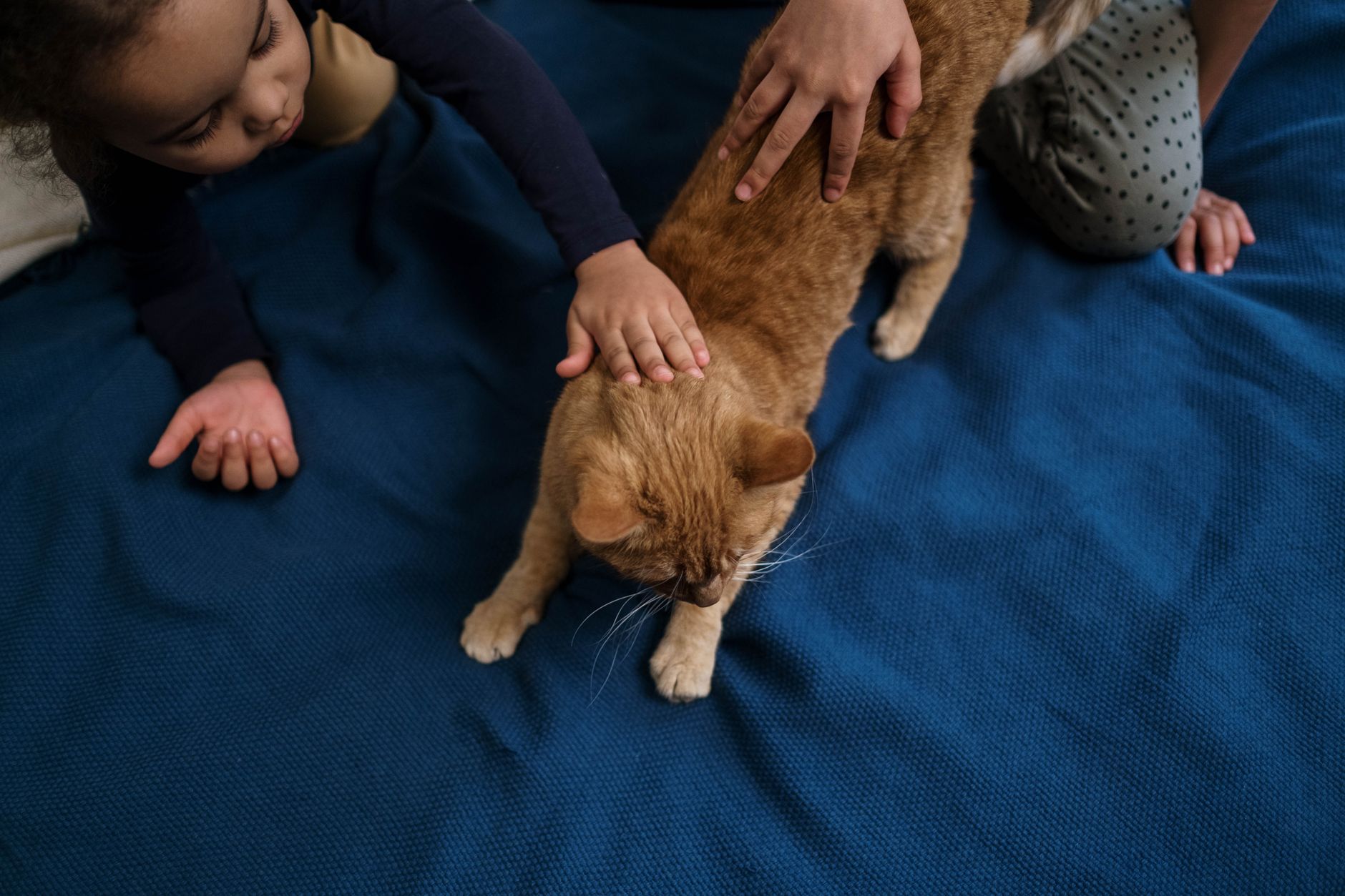
Selecting the right cat breed for a family with children requires balancing temperament, physical durability, and energy levels. Breeds like the Ragdoll, Maine Coon, and British Shorthair excel due to their social, tolerant natures and physical resilience. As a veterinarian, I recommend focusing on breeds that thrive on human interaction rather than those that startle easily or prefer complete silence.
As an Amazon Associate, we earn from qualifying purchases.
Popular with cat owners: Cat Tree · Cat Tunnel · Pet Camera
In my fifteen years running a busy veterinary practice, I have heard one question more than almost any other: “Dr. Heller, which cat is actually safe and fun for my kids?” Parents are often terrified of bringing home an animal that might scratch, hide constantly, or become stressed by the chaotic energy of a family home.
What I tell my clients is that choosing the right breed is not just about aesthetics; it is about matching energy levels and tolerance thresholds. A high-strung, nervous cat will suffer in a home with toddlers, while a sturdy, social breed will thrive on the attention.
In this guide, I will share the top breeds that I consistently see thriving in noisy, active households. These are cats that do not just survive family life, but truly love being a part of it.
Key Takeaways
- Ragdolls are incredibly gentle and affectionate but require parental supervision to prevent injury due to their low pain reactivity.
- Maine Coons are highly social, dog-like, and large enough to safely handle active play with respectful kids.
- Abyssinians are ideal for high-energy families who want an active, teachable cat rather than a quiet lap pet.
- British Shorthairs provide a calm, unflappable presence and are resilient to the noise and unpredictable nature of children.
- Burmese cats are highly communicative and social, making them excellent companions for homes where someone is always around.
- Shelter mixed-breeds (Domestic Shorthairs) can be fantastic options if evaluated as adults with established, social temperaments.
- All family cats require dedicated safe zones where they can retreat from children and rest undisturbed.
In This Article
- 1. The Ragdoll: The Ultimate Gentle Giant
- 2. The Maine Coon: The Dog of the Cat World
- abyssinian-the-perfect-match-for-active-kids”>3. The Abyssinian: The Perfect Match for Active Kids
- birman-quiet-affection-and-sturdy-patience”>4. The Birman: Quiet Affection and Sturdy Patience
- 5. The British Shorthair: Round, Robust, and Unflappable
- 6. The Burmese: People-Oriented and Constantly Social
- 7. The Shelter Mixed-Breed: Finding Your Perfect Match
1. The Ragdoll: The Ultimate Gentle Giant
In my clinic, Ragdolls are famous for their incredibly docile temperaments. When you pick them up, they tend to go completely limp in your arms, which is where they get their name.
This physical relaxation makes them wonderfully tolerant of children who want to cuddle and hold them.
However, this low-reactivity comes with a clinical warning. Because Ragdolls are so stoic and gentle, they may not show obvious signs of pain or discomfort when handled too roughly by a child.
Globlazer F70 Pro Heavy Duty Cat Tree
- ✓Spacious square hammock and condo
- ✓4 scratching posts plus a scratch board
- ✓For large adult cats
- Gives cats vertical space to climb, scratch and nap, which reduces stress and keeps them off your shelves
As a vet, I always tell parents that they must supervise these interactions. Just because a Ragdoll isn’t scratching doesn’t mean they aren’t feeling stressed or hurt by a tight squeeze.
- Always support their hindquarters when picking them up to prevent spinal strain.
- Establish a ‘safe zone’ like a tall cat tree where the Ragdoll can escape when tired.
- Teach children to watch for subtle stress cues, such as a twitching tail or flattened ears.
- Brush their plush coat at least twice a week to prevent painful mats in the armpits and groin.
2. The Maine Coon: The Dog of the Cat World
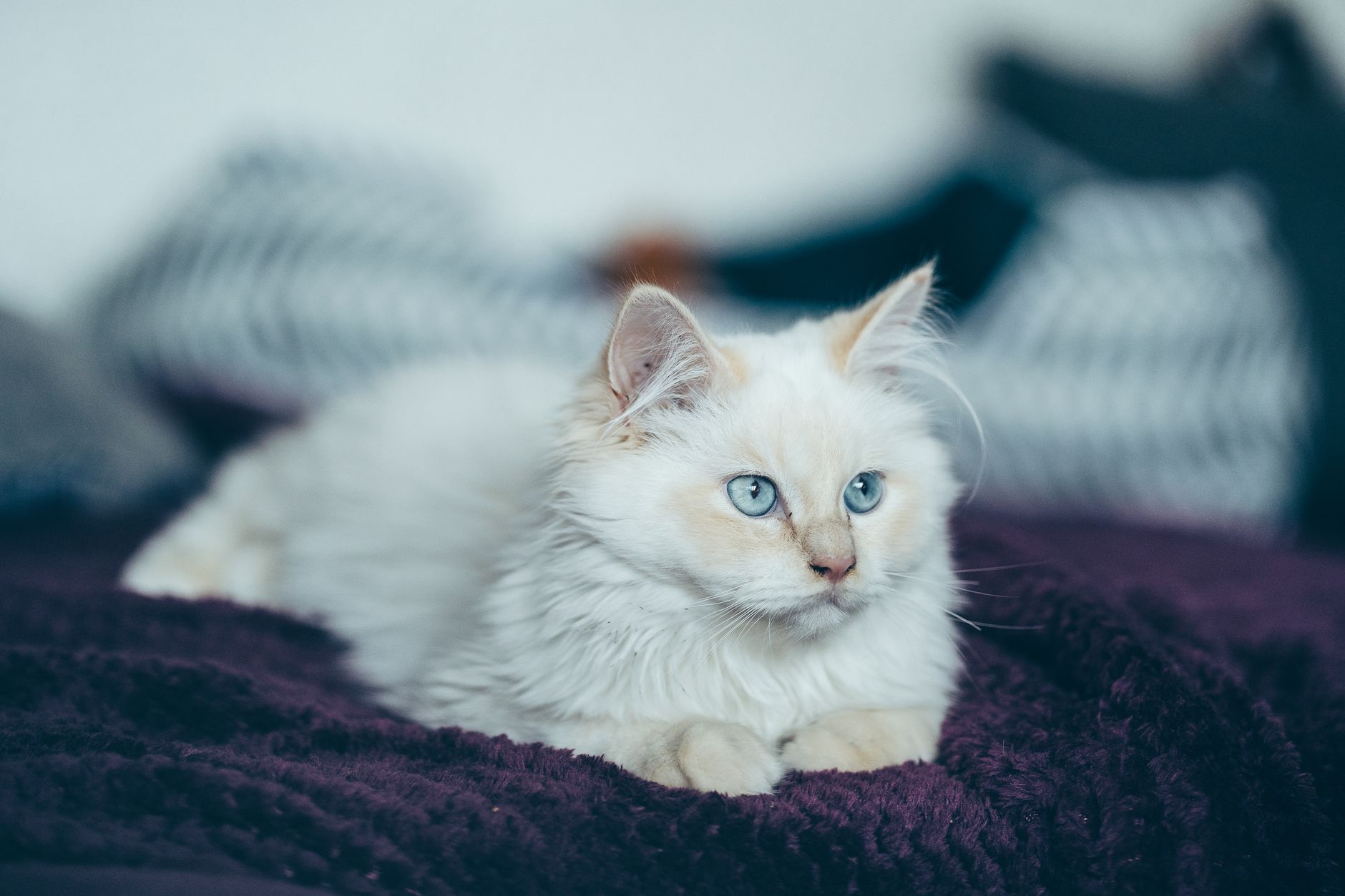
Maine Coons are massive, majestic cats that behave more like golden retrievers than stereotypical felines. In my experience, they are absolutely fascinated by family activities and will actively seek out your children to play.
They love water, interactive toys, and even learning to walk on a harness. Their large size makes them structurally sturdier than smaller, delicate breeds, which is a major advantage in a home with active kids.
Clinically, we do monitor Maine Coons closely for hypertrophic cardiomyopathy (HCM) and hip dysplasia. Because of their heavy build, keeping them at a healthy weight is crucial for their joint longevity.
- Use heavy, ceramic water bowls because Maine Coons love to splash and tip over plastic dishes.
- Invest in sturdy, extra-large scratching posts that can handle a 20-pound cat stretching full-length.
- Provide puzzle feeders to keep their highly intelligent minds occupied and prevent boredom.
- Schedule annual veterinary echocardiograms if purchasing from a breeder to screen for hereditary heart issues.
3. The Abyssinian: The Perfect Match for Active Kids
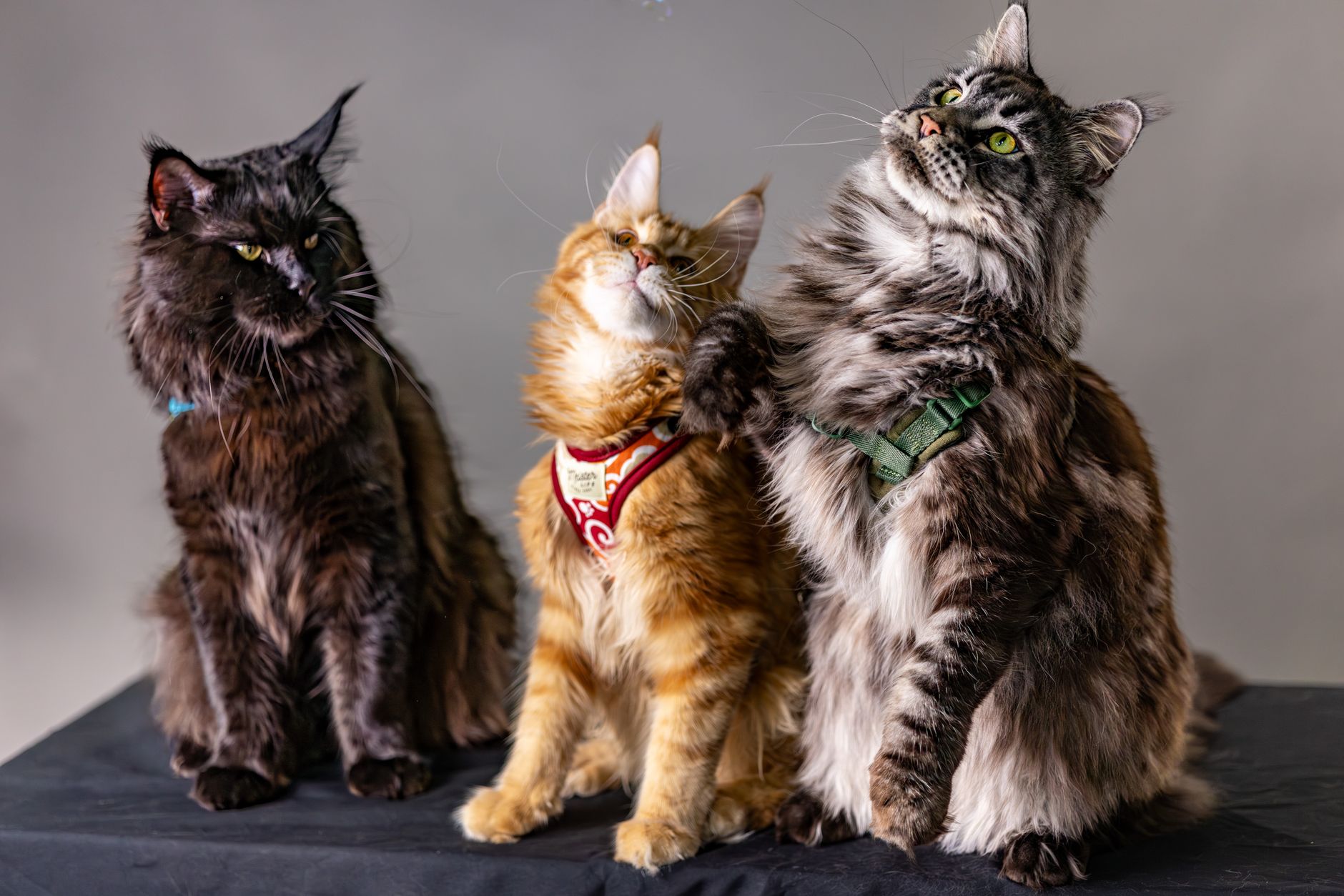
If your household is loud, fast-paced, and constantly in motion, an Abyssinian is the perfect fit. Unlike breeds that hide under the bed when the chaos starts, ‘Abys’ want to be right in the middle of the action.
They are highly athletic, incredibly curious, and possess an endless reservoir of energy. They love to learn tricks, play fetch, and climb to the highest point in any room to survey their kingdom.
I often recommend this breed for older, school-aged children who want a cat they can actively train and play with. This is not a lap cat that will sit still for hours; they want to engage.
Sheldamy S-Shaped 2-Way Cat Tunnel
- ✓S-shape suits cats’ love of hiding
- ✓Waterproof, scratch-resistant fabric
- ✓Collapsible
- A crinkly play tunnel gives cats somewhere to hide, pounce and race through
- Install high wall shelves and cat trees to give them vertical escape routes and exercise outlets.
- Teach your kids how to use clicker training to teach the Abyssinian tricks like ‘high-five’ or ‘sit’.
- Keep window screens highly secure, as their intense prey drive makes them prone to dashing after birds.
- Provide plenty of feather wands and laser pointers for daily interactive play sessions.
4. The Birman: Quiet Affection and Sturdy Patience
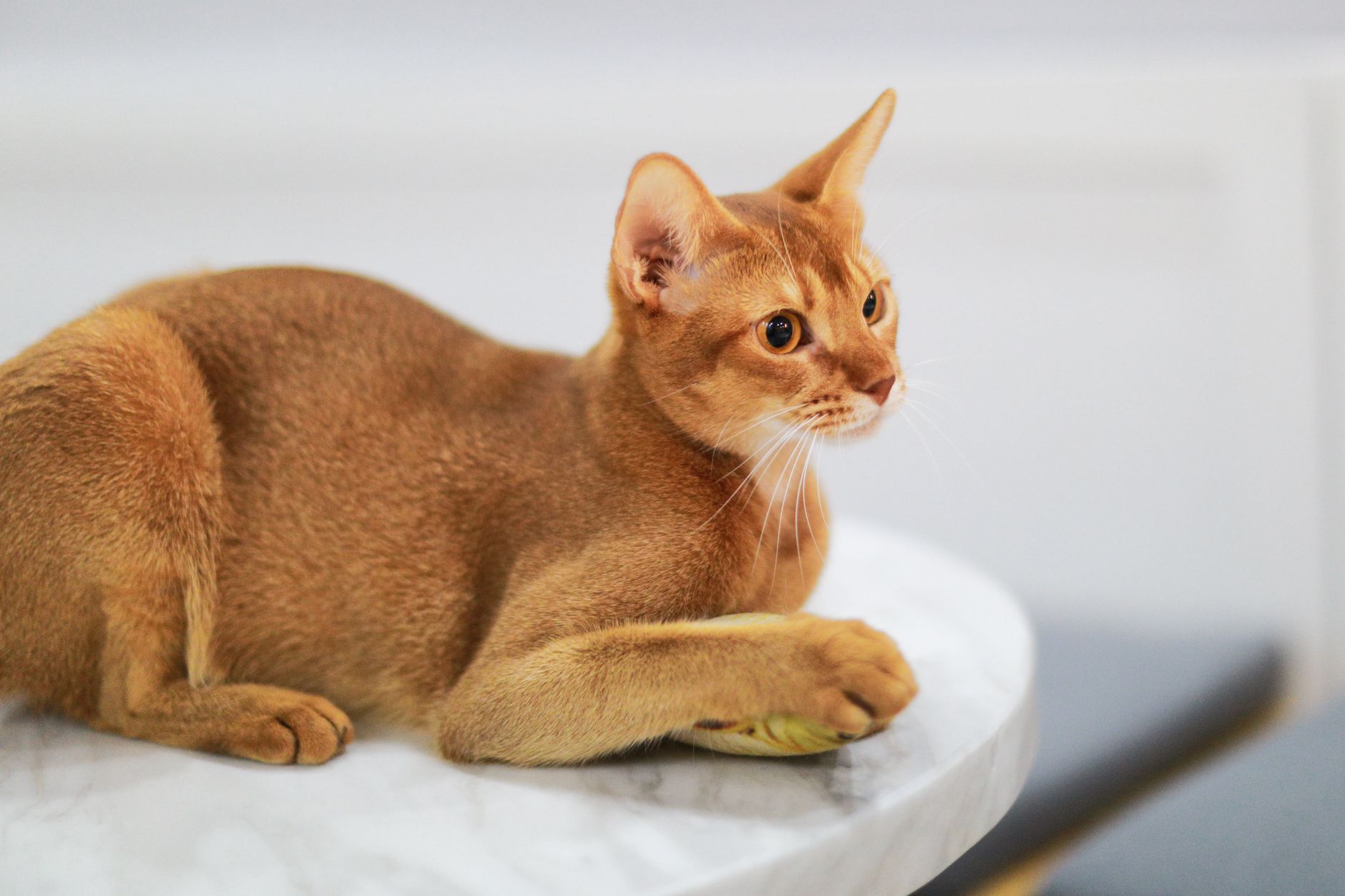
For families seeking a calmer, more serene companion, the Birman is an exceptional choice. These color-pointed cats with striking blue eyes and white ‘gloves’ on their paws are incredibly gentle and soft-spoken.
They are sweet-tempered and highly adaptable, making them excellent fits for households with toddlers or sensitive children. Birmans love to follow their humans from room to room, offering quiet companionship without demanding constant attention.
In my practice, Birmans are often the peacekeepers of the household, rarely showing aggression and preferring to melt into a warm lap.
Managing Their Silky Coat
Birmans have a single coat, meaning they lack the dense undercoat that causes heavy matting. This makes grooming a breeze for kids, who can easily brush them with a soft slicker brush once a week.
Creating a Calm Retreat
Because Birmans are gentle and quiet, they can occasionally get overwhelmed by loud noises. I advise parents to set up a cozy covered bed in a quiet room where the cat can rest undisturbed.
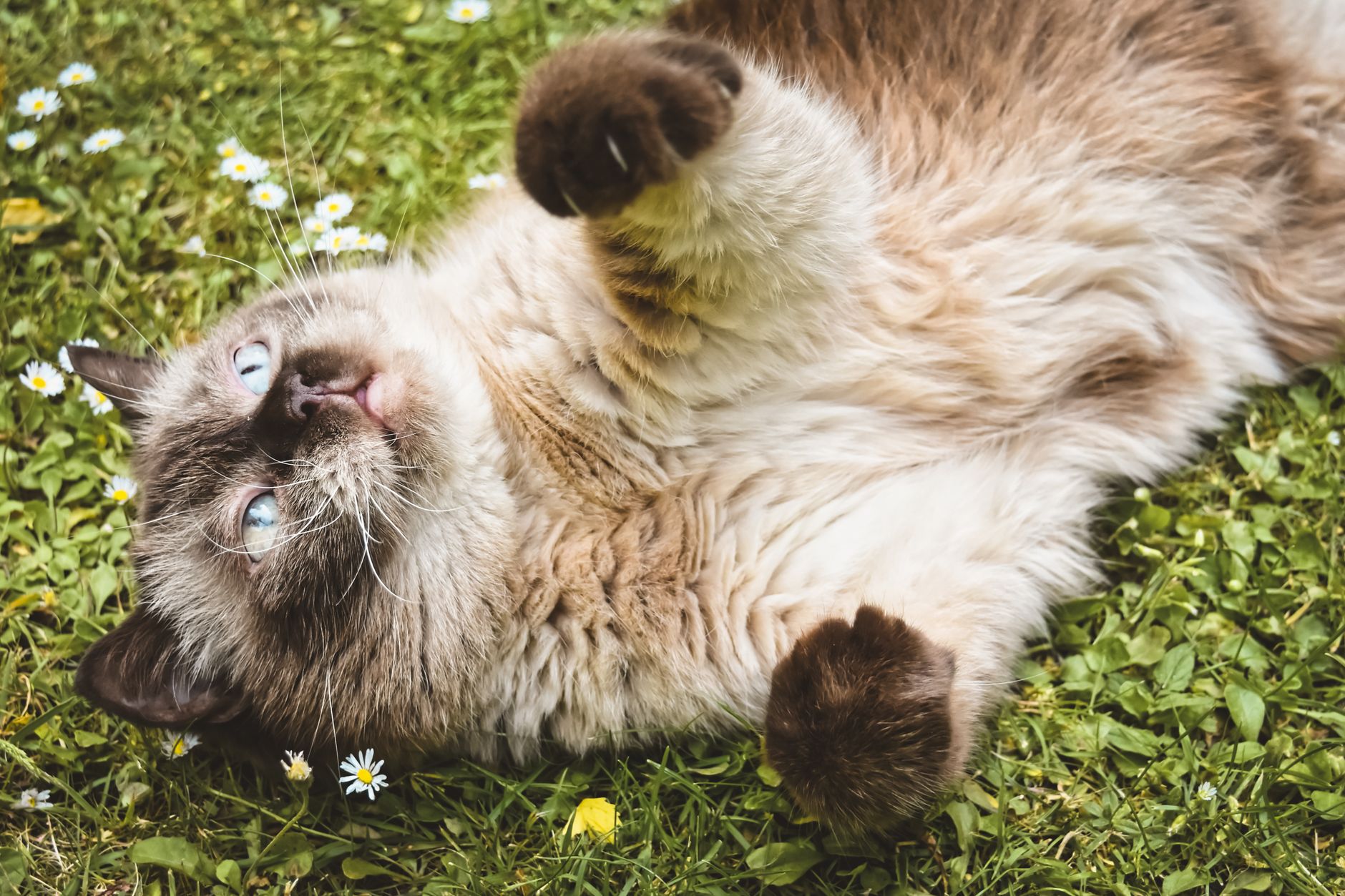
5. The British Shorthair: Round, Robust, and Unflappable
If you picture a classic, chubby-cheeked teddy bear of a cat, you are thinking of the British Shorthair. Their calm, easygoing, and independent nature makes them highly resilient to the unpredictable nature of kids.
They are physically robust, with dense plush coats and sturdy bones, meaning they do not feel fragile. While they love affection, they are also perfectly content to spend the afternoon napping while the kids play nearby.
From a medical perspective, British Shorthairs are prone to obesity because they are quite sedentary. I always warn my clients to monitor their food intake strictly and keep them moving with active toys.
- Use precise measuring cups for their food to prevent the rapid weight gain common in this sedentary breed.
- Avoid picking them up constantly, as British Shorthairs prefer to keep all four paws firmly on the ground.
- Provide durable kick toys that allow them to practice their hunting instincts safely.
- Schedule dental cleanings early, as this breed can be genetically prone to gingivitis and periodontal disease.

6. The Burmese: People-Oriented and Constantly Social
Burmese cats are the ultimate socialites of the feline world, possessing a deep love for human companionship. They do not just tolerate their families; they are actively obsessed with them and want to participate in every conversation.
They are highly vocal, often ‘talking’ back to kids with a soft, sweet rumbling purr. Their playful nature persists well into their senior years, making them wonderful long-term childhood companions.
Because they are so people-focused, Burmese cats can suffer from separation anxiety if left alone for long periods. I highly recommend them for busy households where there is almost always someone home to keep them company.
- Consider adopting a bonded pair if your family is away at work and school for long stretches of the day.
- Provide heated cat beds, as their short coats mean they easily get cold and love warmth.
- Engage them with voice-responsive toys or talking buttons, which suit their highly communicative nature.
- Keep them strictly indoors, as their trusting and friendly nature makes them vulnerable to outdoor hazards.

7. The Shelter Mixed-Breed: Finding Your Perfect Match
While purebred cats offer predictable traits, do not discount the incredible potential of a shelter rescue. A Domestic Shorthair or Longhair can be the absolute best family cat you will ever own.
The key is to look for adult cats whose personalities are already fully formed and evaluated by shelter staff. Many shelters use temperament testing to identify cats that are highly social, resilient, and outgoing around children.
When you adopt a slightly older rescue cat, you know exactly what you are getting, and you are saving a life in the process.
- Ask shelter staff specifically for ‘human-oriented’ or ‘bombproof’ cats that do not startle at loud noises.
- Bring your children to the meet-and-greet to observe how the cat reacts to their movement and touch.
- Look for a cat that immediately approaches the front of the cage and solicits head rubs.
- Use the 3-3-3 rule: 3 days to decompress, 3 weeks to learn the routine, and 3 months to feel fully at home.
-
Furbo 360° Cat CameraLets you check in, talk to your pet and spot problems while you’re out
-
PetHonesty Cat Hairball Remedy ChewsHairball formulas help swallowed fur pass through, so long-haired cats cough up fewer hairballs
-
Friskies Gravy Swirlers Dry Cat FoodA high-protein, complete diet suits cats’ needs as obligate carnivores
Related Cat Guides
Frequently Asked Questions
Are male or female cats better for families with kids?
In my clinical experience, neutered and spayed cats do not show drastic behavioral differences based on gender. However, neutered male cats are often slightly more outgoing and eager to seek out physical attention, while spayed females can sometimes be a bit more independent and selective with their cuddle time.
How do I introduce a new cat to my children safely?
Keep the new cat in a single, quiet room with their resources for the first week to let them adjust. Have your children sit calmly on the floor and let the cat approach them first, offering high-value treats to create positive associations. Supervise every interaction until you are completely confident in both the cat’s and the children’s behavior.
What is the best age for a child to get a cat?
While children of any age can live with cats, ages five and up are generally ideal for taking on a personal pet. At this stage, children can comprehend boundaries, understand that cats are not toys, and learn to read basic feline body language to avoid scratches.
Are there any hypoallergenic cat breeds for kids with allergies?
No cat breed is entirely 100% hypoallergenic, as the allergen is a protein called Fel d 1 found in feline saliva and skin dander. However, some families with mild allergies find success with Siberian or Balinese breeds, which naturally produce lower levels of this specific protein.
How can I tell if my cat is stressed by my children?
Common veterinary warning signs of chronic feline stress include hiding for long periods, urinating outside of the litter box, over-grooming their belly, and flattened ears. If you notice these symptoms, it is critical to evaluate the household dynamics and ensure your cat has a quiet, inaccessible space to escape to.
How do I stop my cat from scratching my kids during play?
Always teach children never to use their bare hands as toys; instead, use feather wands, laser pointers, or kicker toys to keep distance. Keep your cat’s claws trimmed regularly, and teach kids to immediately stop playing and walk away if the cat becomes overstimulated or tense.
Sources & Further Reading
- The Cat Fanciers’ Association (CFA)
- American Veterinary Medical Association (AVMA)
- Cornell University College of Veterinary Medicine
- PetMD
Final Thoughts
Bringing a cat into your family is a wonderful way to teach children empathy, responsibility, and the joy of animal companionship. While choosing a breed known for its resilience and sociability gives you a massive head start, the environment you create is just as important.
By teaching your children to respect feline boundaries and providing your cat with safe spaces, you will set the stage for a lifetime of friendship. In my years of clinical practice, I have watched these bonds transform both children and cats into happier, healthier individuals.
Trust your instincts, do your research, and prepare your home for a truly rewarding adventure.