
Quick Summary
While all domestic felines communicate, breeds like the Siamese, Bengal, and Oriental Shorthair are genetically predisposed to be exceptionally vocal. As a veterinarian, I advise pet owners to understand these breed-specific communication styles, while remaining highly vigilant for sudden vocalization changes that could point to underlying medical conditions like hyperthyroidism or cognitive decline.
In my years of clinical veterinary practice, I have had thousands of felines walk—and often loudly protest—through my exam room doors. Many new pet owners come to me deeply concerned that their cat’s constant meowing is a sign of underlying pain or distress, unaware of the genetic factors at play.
The truth is, while some cats are naturally quiet observers, other breeds possess an innate drive to communicate their every single thought, feeling, and demand.
As a vet, I always tell my clients that understanding your cat’s natural communication style is essential for a happy home. By identifying whether your cat is simply a chatty breed or if their vocalizations signal something more complex, you can better meet their emotional and physical needs.
Key Takeaways
- Siamese and related breeds like the Oriental Shorthair are genetically predisposed to be highly vocal, often mimicking human infant frequencies.
- Bengal cats have a wild ancestry that gives them a physically distinct, booming, and highly resonant vocal range.
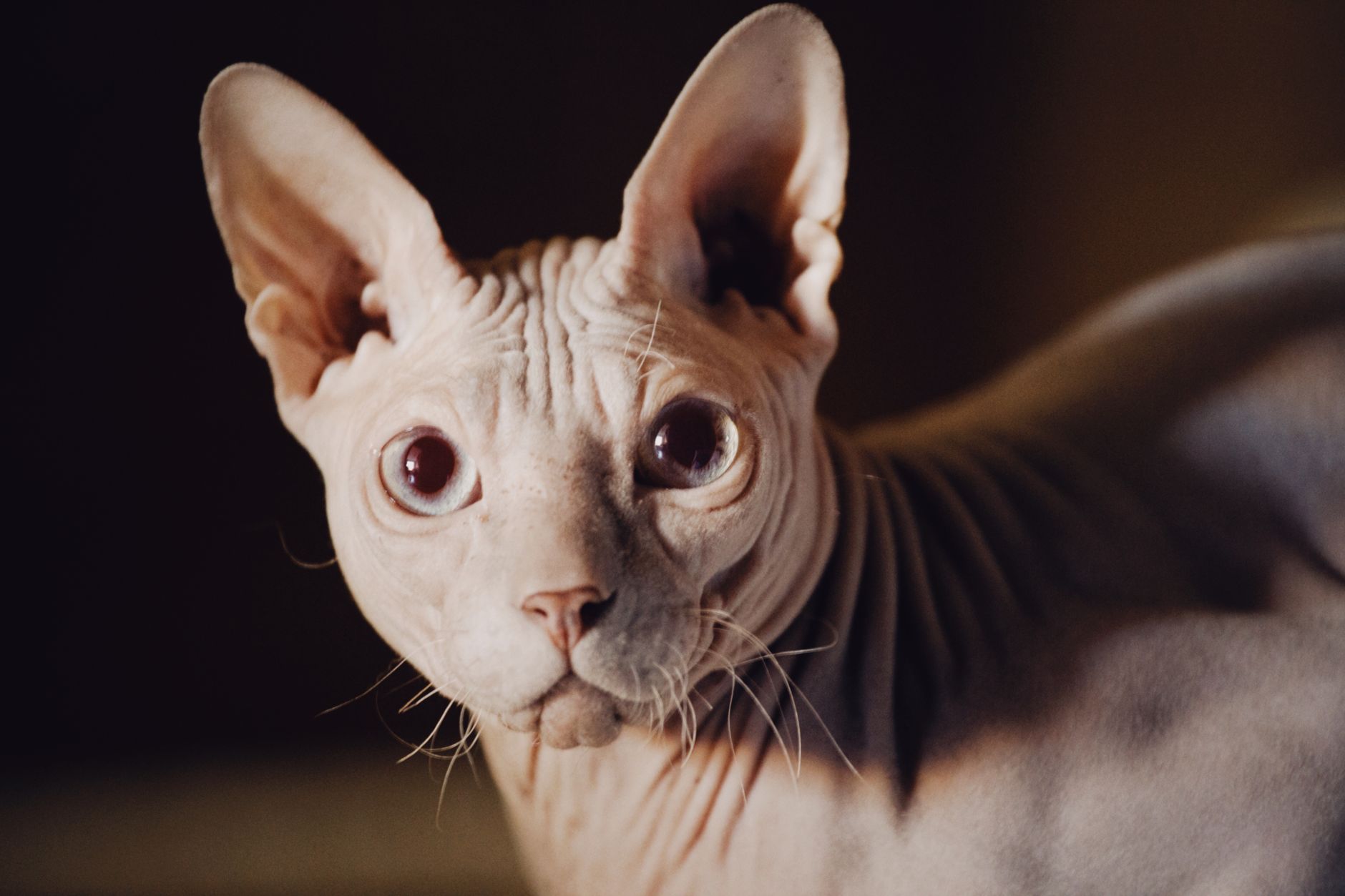
- The hairless Sphynx often vocalizes specifically to demand physical warmth, high-calorie food, or close human contact.
- Japanese Bobtails are famous for their musical ‘singing’ voice, communicating through soft, melodic chirps and trills.
- A sudden, unexplained change in any cat’s vocal habits is a primary clinical warning sign for conditions like feline hyperthyroidism or dementia.
In This Article
- 1. The Siamese: The Unrivaled King of Cat Chat
- 2. The Oriental Shorthair: The Sleek, Persistent Narrator
- 3. The Bengal: The Wild, Dramatic Vocalist
- balinese-the-silky-melodic-soprano”>4. The Balinese: The Silky, Melodic Soprano
- tonkinese-the-clever-conversational-extrovert”>5. The Tonkinese: The Clever, Conversational Extrovert
- 6. The Sphynx: The Warmth-Seeking Vocal Communicator
- 7. The Japanese Bobtail: The Sweet-Toned ‘Singing’ Cat
- Veterinary Guidance: Deciphering Normal Breed Chatter vs. Medical Distress
1. The Siamese: The Unrivaled King of Cat Chat
If you have ever shared your home with a Siamese cat, you know that their voice is completely unmistakable. In my clinic, I can instantly identify when a Siamese has entered the reception area simply by their distinct, low-pitched, raspy cry that sounds remarkably like a crying infant.
This legendary breed does not just vocalize when they want dinner; they expect to hold deep, continuous, back-and-forth conversations with you throughout the day.
In my clinical experience, Siamese cats are highly opinionated and sensitive animals that crave constant social engagement. They will vocalize to express their views on everything from a closed door to a delay in their feeding schedule.
If you ignore them, their meows will steadily grow in intensity and volume until they have your undivided attention.
- They possess a unique vocal frequency that mimics human infant cries to elicit a quick caregiving response.
- They require significant mental stimulation, such as puzzle toys, to prevent attention-seeking vocal behavior.
- They do best in active households where they are not left alone for more than a few hours at a time.
The Anatomy of the Siamese Voice
The unique, raspy vocalization of the Siamese is partially due to their physical anatomy and breed genetics. Their vocal cords vibrate at a frequency that produces a more nasal, piercing sound than most other domestic feline breeds.

2. The Oriental Shorthair: The Sleek, Persistent Narrator
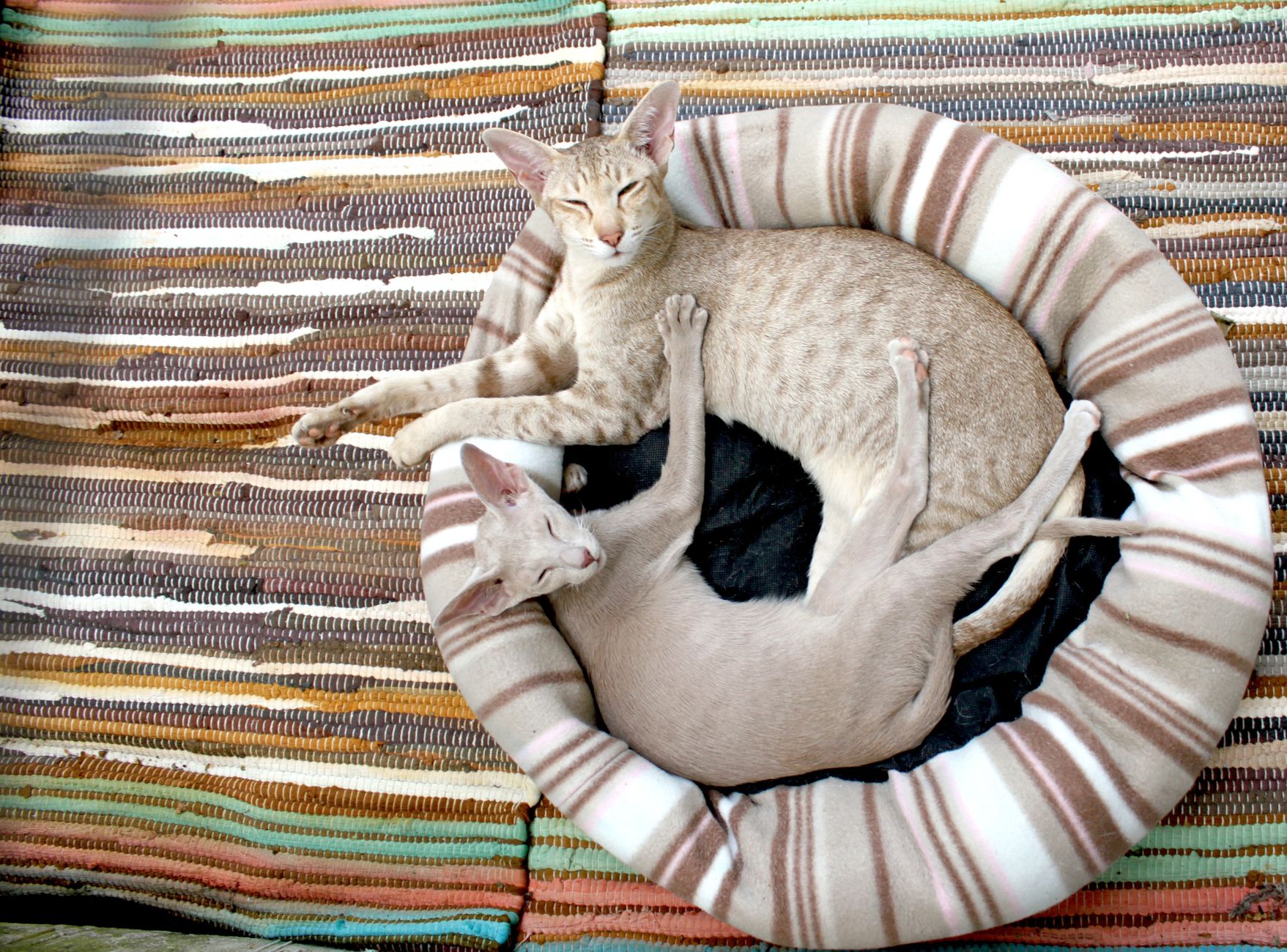
Directly descended from the Siamese, the Oriental Shorthair possesses a massive, colorful personality packed into an incredibly elegant, angular frame. I often tell my clients that living with an Oriental Shorthair is like having a living, purring shadow that narrates every single detail of its daily life.
These cats have a slightly raspy, honking vocalization that they use to demand immediate attention, play, or cozy warmth. They do not tolerate being ignored and will follow you from room to room, commenting loudly on your activities.
In my practice, I find that these cats develop incredibly deep bonds with their owners and will vocalize persistently if they feel emotionally distant or physically isolated.
- They have a loud, brassy voice that can easily carry across a large, multi-story house.
- They are highly social and often thrive best when paired with another active, talkative feline companion.
- They will use specific, urgent chirps to solicit interactive play sessions with feather wands.
3. The Bengal: The Wild, Dramatic Vocalist
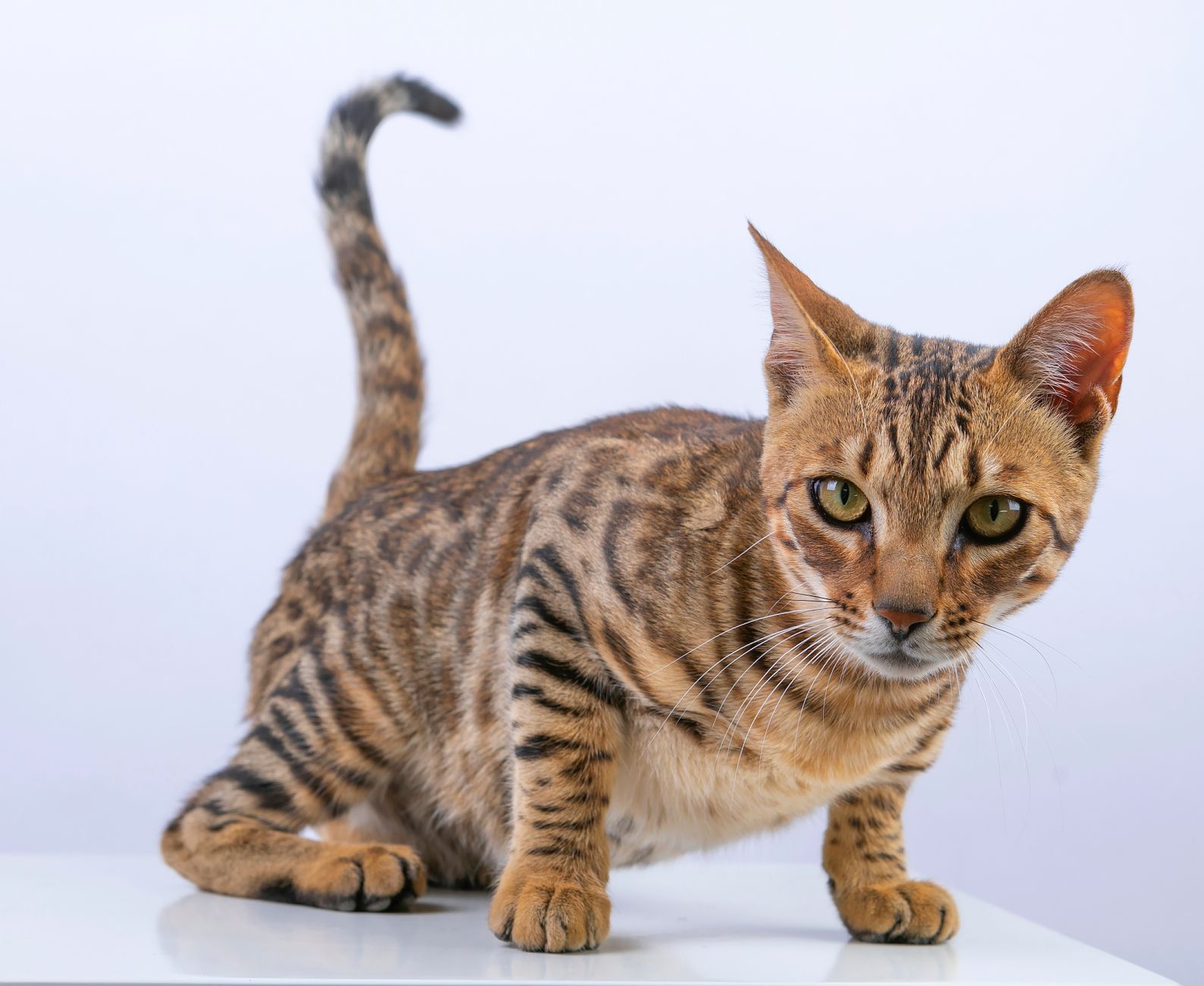
Bengals are a striking hybrid breed, created by crossing domestic felines with the wild Asian Leopard Cat. This wild ancestry gives them a vocal repertoire that is physically and acoustically distinct from almost any other domestic cat.
In my clinic, Bengal owners frequently describe their cats’ voices as wild, chirpy, or even resembling a small dog’s bark.
Bengals have an incredibly wide range of vocalizations, from soft, affectionate coos to loud, resonant, guttural yowls that can echo through a home. Their talkative nature is deeply tied to their high intelligence and instinctual drive to hunt, climb, and explore.
When a Bengal is bored, they will use their booming voice to let you—and your neighbors—know about their frustration.
- Their yowls are often much deeper and more resonant than those of standard domestic cats.
- They are highly vocal when playing with water, a unique trait inherited from their wild ancestors.
- Boredom-induced vocalization in Bengals must be managed with climbing shelves, cat wheels, and food puzzles.
4. The Balinese: The Silky, Melodic Soprano
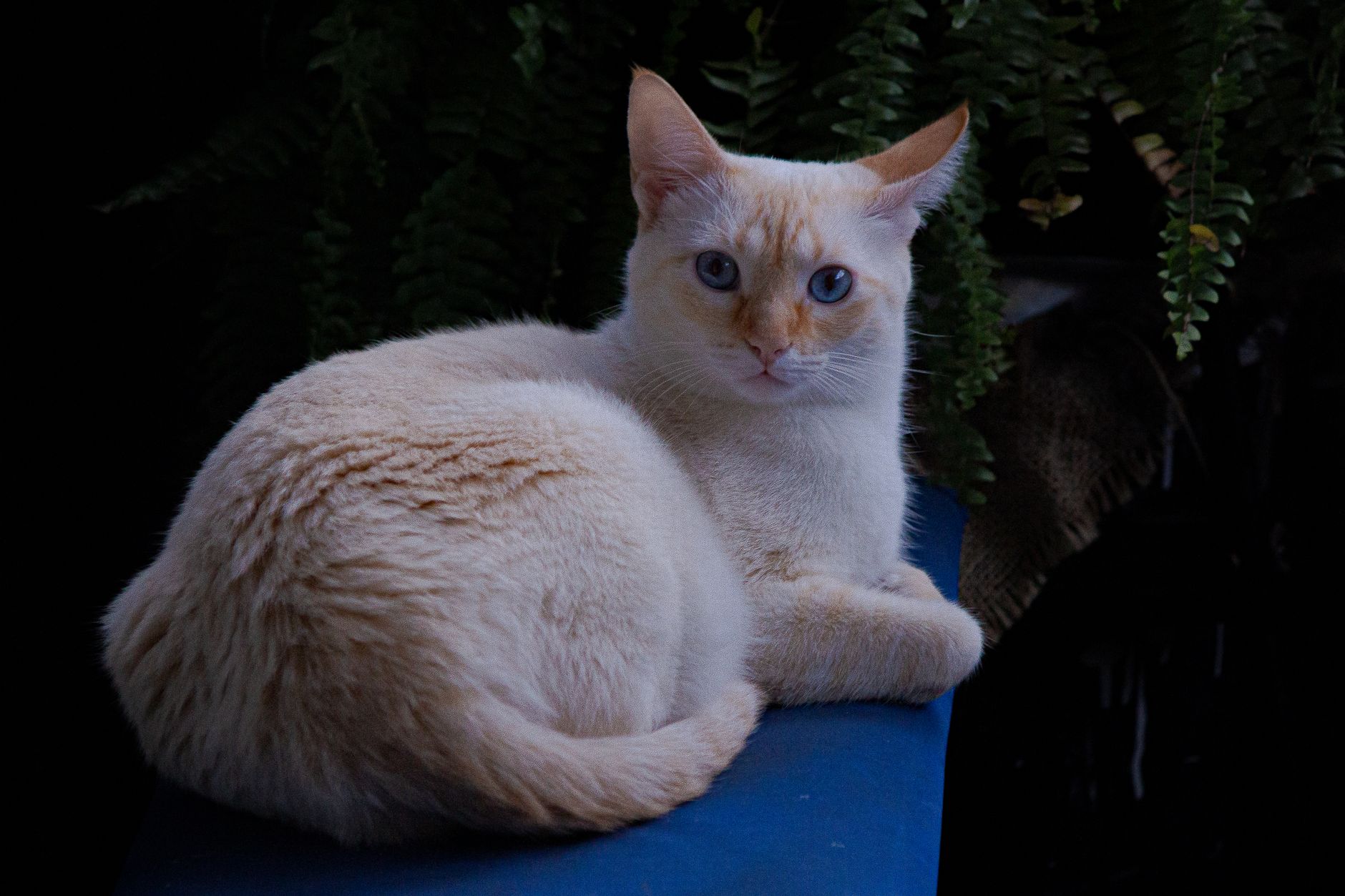
Often referred to by feline enthusiasts as the long-haired Siamese, the Balinese shares the same vocal lineage but delivers its messages in a noticeably different style. In my examinations, I have observed that Balinese cats are exceptionally sensitive to human emotions and will use their soft, musical voices to soothe their owners.
While they are persistent talkers who love to communicate, their voices are generally softer, sweeter, and less demanding than their shorthaired Siamese cousins.
They love to chirp, trill, and meow quietly as they shadow you around the house. They are highly expressive, using subtle shifts in pitch to communicate their specific desires, making them a joy to listen to.
- They possess a lighter, more melodic meow that is rarely described as harsh or grating.
- They use soft, rapid trills as a sign of affection and physical closeness during lap time.
- They are known for holding gentle ‘conversations’ where they wait for you to speak before replying.
5. The Tonkinese: The Clever, Conversational Extrovert
The Tonkinese is a beautiful, highly active breed developed by crossing the Siamese with the Burmese. This genetic pairing results in an incredibly social cat that inherits the chatty nature of both parent breeds.
In my clinical experience, a Tonkinese does not simply meow at you; they actively seek to engage you in a genuine, interactive back-and-forth dialogue.
They have a sharp, clear voice and will look you directly in the eyes while vocalizing, waiting attentively for your response. They use their voices to welcome you home, demand playtime, and announce their satisfaction after a good meal.
If you talk back to them, they will happily continue the conversation for several minutes.
- They have a loud, clear, and highly expressive voice that is adaptable to different emotional situations.
- They will vocalize to greet you the exact moment you step through the front door.
- They are prone to loud demand-vocalizing if they feel their daily play schedule is not being met.

6. The Sphynx: The Warmth-Seeking Vocal Communicator
Many people are surprised to learn that the hairless Sphynx is an incredibly vocal breed, but as a veterinarian, I witness this dynamic daily in my practice. Because they lack a protective fur coat to insulate them, much of a Sphynx’s vocal behavior is rooted in physical needs.
They use their voices to negotiate for warmth, high-calorie food, or direct skin-to-skin contact with their favorite humans.
They are energetic, highly extroverted, and deeply affectionate clowns who demand to be the center of attention. A Sphynx will purr loudly, chirp, and emit high-pitched meows to ensure they are never forgotten or ignored.
In my clinic, they are some of the most vocal patients, constantly chatting with my veterinary technicians during routine exams.
- A shivering or chattering meow often indicates they are cold and need a sweater or a heated bed.
- They have a very high metabolism and will vocalize loudly when they want frequent, small meals.
- They use distinct purr-meows to solicit physical contact to absorb your body heat.
7. The Japanese Bobtail: The Sweet-Toned ‘Singing’ Cat
Within the veterinary and breeding communities, the Japanese Bobtail is legendary for its unique ‘singing’ voice. Unlike the loud, rasping meows of the Siamese or the booming yowls of the Bengal, this intelligent breed communicates using a beautiful range of soft, musical chirps and trills.
They are highly expressive felines who seem to possess an entire scale of tones, leading many owners to swear their cats are actually singing to them.
They love to carry on gentle conversations with their family members, using sweet, soft sounds that are rarely perceived as noisy or annoying. In my practice, I have found them to be incredibly charming, well-behaved, and highly interactive patients.
An Expression of Playfulness
Their vocalizations are highly correlated with play. If you toss a toy, they will often fetch it while making a series of happy, bird-like trills to show their excitement.
Veterinary Guidance: Deciphering Normal Breed Chatter vs. Medical Distress
As a veterinarian, I must offer a crucial word of warning to all cat owners: while these breeds are genetically predisposed to be talkative, any sudden change in your cat’s vocal habits warrants a trip to the clinic. If your normally quiet cat suddenly becomes loud and demanding, or if your chatty Siamese suddenly falls silent, it is a major clinical red flag.
In older cats, a sudden onset of loud, distressed yowling—especially during the middle of the night—is a classic symptom of several common geriatric feline illnesses.
We must always rule out physical pain, hormonal imbalances, and sensory decline before chalking up excess vocalization to a simple behavioral quirk or breed trait. In my clinic, we perform comprehensive blood work, blood pressure monitoring, and pain assessments to get to the root of these sudden behavioral shifts.
- Feline Hyperthyroidism: An overactive thyroid speeds up a cat’s metabolism, causing intense restlessness, weight loss, and constant, frantic yowling.
- Systemic Hypertension: High blood pressure, often secondary to kidney disease, causes neurological discomfort and loud, distressed vocalization.
- Cognitive Dysfunction Syndrome (CDS): Similar to dementia in humans, feline cognitive decline causes older cats to become disoriented, anxious, and highly vocal, particularly in the dark.
- Chronic Osteoarthritis: Cats are masters at hiding physical pain, but chronic joint discomfort can lead to sudden, sharp vocalizations when jumping or settling down.
Frequently Asked Questions
Why does my Siamese cat meow so loudly at night?
Siamese cats are highly active and social, meaning nighttime yowling is often a sign of boredom, loneliness, or attention-seeking behavior. However, in older cats, this can also be a primary sign of feline cognitive dysfunction (dementia) or hyperthyroidism, both of which require a thorough veterinary exam to diagnose and manage properly.
Can you train a talkative cat to be quieter?
Yes, you can modify vocal behaviors by using positive reinforcement and environmental enrichment. Avoid responding to demand-meowing with attention or food, as this accidentally rewards the behavior, and instead reward your cat with treats and affection only when they are completely quiet.
Do cats meow at each other, or just at humans?
Adult cats rarely meow to communicate with other cats; they primarily use body language, scent marking, and quiet chirps for feline interactions. Meowing is a specialized vocalization that cats developed specifically to communicate their physical and emotional needs directly to human caregivers.
How can I tell if my cat’s vocalization is due to pain?
Pain-related vocalization is often sudden, higher in pitch, and may occur when the cat is touched, jumping, or using the litter box. It is frequently accompanied by other subtle behavioral changes, such as hiding, lethargy, a decreased appetite, or tense body posture.
Is it normal for my Bengal cat to make barking sounds?
Yes, Bengals have a unique physical larynx structure due to their wild Asian Leopard Cat lineage, which allows them to make a wider variety of sounds. These can include chirps, chuffs, growls, and loud, repetitive vocalizations that sound remarkably like a small dog’s bark.
Why does my cat chirp and trill instead of meowing?
Chirp and trill sounds are friendly, positive vocalizations that mother cats use to get their kittens’ attention, which adult cats carry over into their relationships with humans. Breeds like the Japanese Bobtail and Balinese are especially famous for using these sweet, melodic sounds to greet their owners.
Sources & Further Reading
Final Thoughts
Whether you share your home with a booming Siamese or a softly singing Japanese Bobtail, living with a talkative cat is a truly unique, rewarding, and sometimes loud experience. I always remind my veterinary clients that communication is a two-way street, and our chatty felines are simply trying to connect with us on a deeper emotional level.
By paying close attention to the tone, frequency, and context of your cat’s vocalizations, you can quickly learn to distinguish between a happy greeting, a demand for play, and a potential call for medical help. Never hesitate to reach out to your veterinarian if you notice any sudden, unexplained shifts in their vocal behavior.
With a little patience, observation, and love, you will easily learn to speak your talkative companion’s beautiful language.