
Norwegian Elkhound Breed Guide
Quick Summary
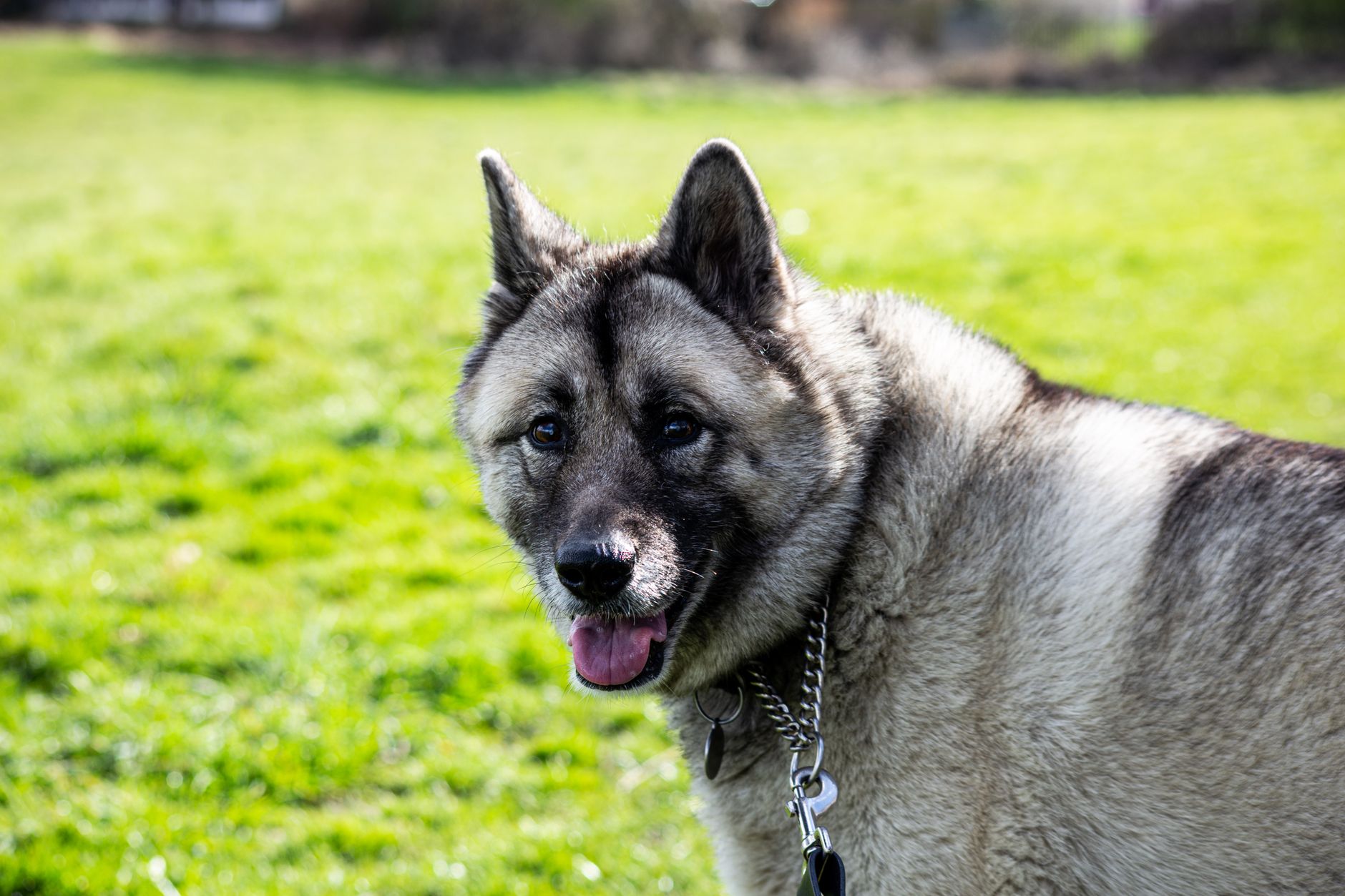
A hardy, ancient Nordic hunter, the Norwegian Elkhound is an exceptionally loyal and energetic companion best suited for active, outdoorsy families who can handle high-intensity shedding and an independent streak. In my clinic, I value them for their robust constitution, but they require consistent mental stimulation and firm, positive leadership to prevent nuisance barking and stubborn behaviors.
Quick Facts
- origin countryNorway
- breed groupHound Group
- sizeMedium
- weight range48 to 55 pounds for males, 40 to 48 pounds for females
- height range20.5 inches for males, 19.5 inches for females
- lifespan12 to 15 years
- coat typeThick, hard, weather-resistant double coat
- common colorsSilver-gray with black tips and dark muzzle
- other namesNorsk Elghund Grå, Gray Norwegian Elkhound
- recognized byAKC, UKC, KC (UK), FCI
Caring for a Norwegian Elkhound
Living with an Elkhound means embracing the reality of a working spitz breed designed for endurance. In my practice, I see these dogs thrive when given at least 60 to 90 minutes of vigorous daily exercise, ideally in cooler weather. Their thick double coats require rigorous brushing, and their strong prey drive means leash-only walks or highly secure fencing is non-negotiable. If left under-stimulated, they will quickly find their voice and bark persistently.
Is a Norwegian Elkhound a good family pet?
Absolutely, as they are incredibly loyal, protective, and gentle with children when properly socialized. However, because of their high energy and boisterous nature, I always advise supervising them around toddlers to prevent accidental knockdowns.
Do Norwegian Elkhounds shed a lot?
Yes, they are heavy shedders, particularly during their bi-annual ‘blowout’ seasons where they lose their entire undercoat over 2 to 3 weeks. During these times, you will need to brush them daily with an undercoat rake to keep the fur avalanche under control.
Is a Norwegian Elkhound good for first-time owners?
Generally, I do not recommend them for novices due to their independent, strong-willed nature. They require a confident handler who understands spitz temperament and can establish boundaries without using harsh training methods.
Temperament & Personality
The Norwegian Elkhound is a bold, energetic, and highly intelligent companion with an independent streak born from centuries of hunting large game solo. They are deeply devoted to their human pack and possess a natural watchdog instinct, making them alert and sometimes aloof with strangers. In my clinic, they are polite but don’t crave approval like a Golden Retriever; they expect to be treated as partners.
Is a Norwegian Elkhound good with other pets?
They can co-exist well with other family dogs if raised together, but their high prey drive makes them a serious risk to cats and pocket pets. I always warn owners to secure any small animals, as the instinct to chase and corner is deeply hardwired.
How much attention does a Norwegian Elkhound need?
While they are independent enough to tolerate being alone during a workday, they crave being part of the ‘pack’ activities when you are home. They do not do well as isolated backyard dogs and can develop severe separation anxiety or destructive chewing habits if ignored.
Training & Behavior
Training an Elkhound requires patience, creativity, and a firm grasp of positive reinforcement. Because they were bred to hunt independently—holding moose at bay by barking until the hunter arrived—they are naturally vocal and prone to making their own decisions. In my experience, they shut down immediately under harsh corrections, so keeping training sessions short, rewarding, and varied is key.
Training Tips
- Use high-value food rewards like freeze-dried liver to override their stubborn streaks
- Keep sessions short (5-10 minutes) and highly engaging to prevent boredom
- Focus heavily on a bulletproof ‘recall’ command from puppyhood
- Implement early and consistent ‘quiet’ training to manage their natural alarm barking
- Use crate training early to prevent destructive chewing when unsupervised
Fun Activities
- Cold-weather hiking and trail running
- Scent work and tracking trials
- Agility training to build focus and burn energy
- Pulling activities like canicross or skijoring
- Interactive puzzle games that challenge their problem-solving skills
Is a Norwegian Elkhound easy to train?
They are highly intelligent but not ‘easy’ to train in the traditional sense, as they lack the people-pleasing drive of herding breeds. They will learn commands quickly but will constantly evaluate whether obeying is worth their effort, requiring consistent boundaries from their owner.
Norwegian Elkhound Health Issues
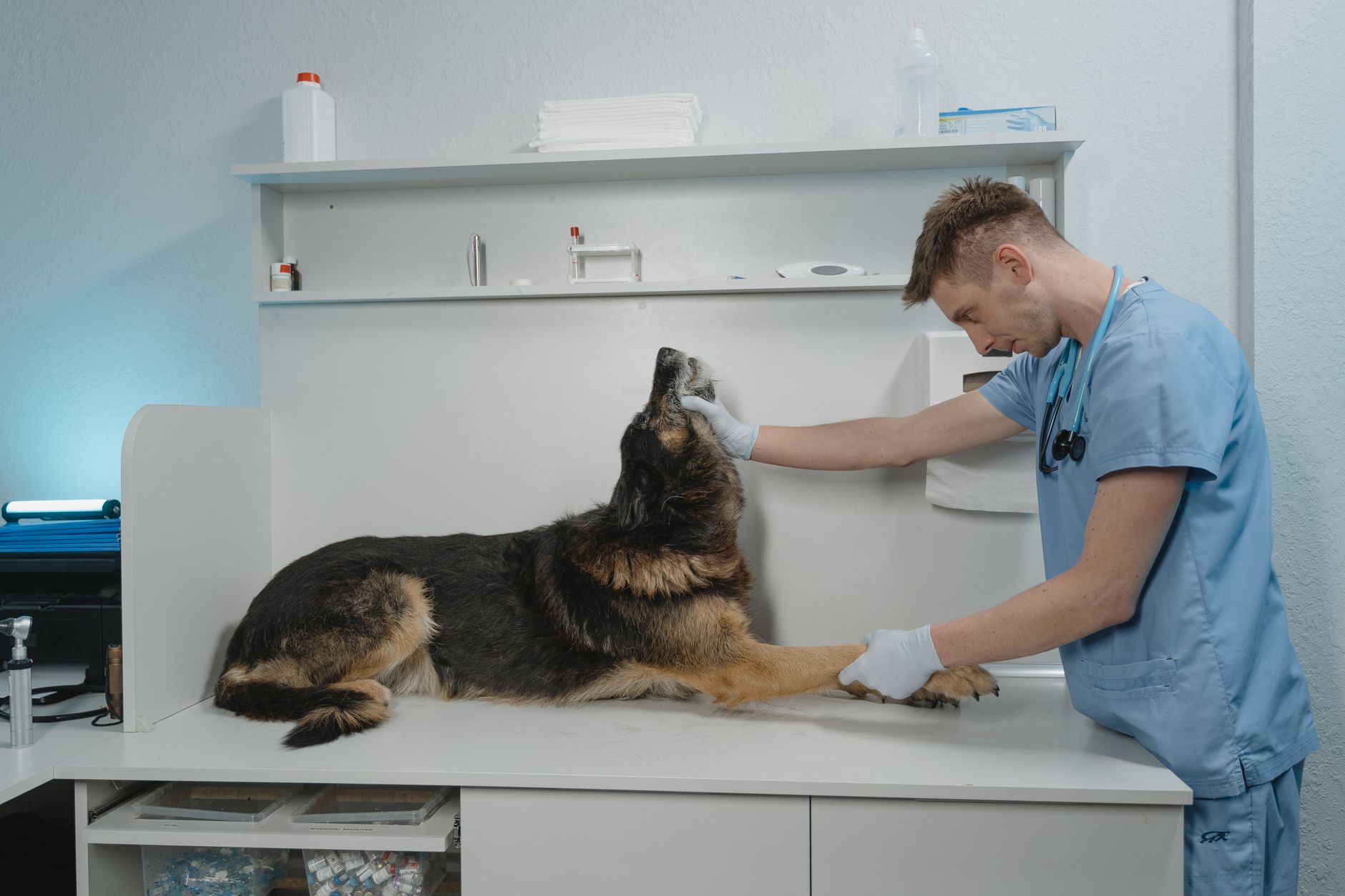
Structurally, the Norwegian Elkhound is one of the most robust and ancient breeds I treat, with relatively few genetic defects. However, their active lifestyle and genetic predispositions mean we must actively manage joint, ocular, and renal health as they age.
Progressive Retinal Atrophy (PRA)
An inherited degenerative eye disease that slowly destroys the photoreceptor cells of the retina, eventually leading to complete blindness.
Hip Dysplasia
A genetic skeletal condition where the ball-and-socket joint of the hip is malformed, leading to painful friction, arthritis, and mobility issues.
Fanconi Syndrome
A renal tubule defect where the kidneys fail to reabsorb essential nutrients (like glucose and amino acids), spilling them into the urine.
Intracutaneous Cornifying Epithelioma (Keratoacanthoma)
Benign skin tumors common in this breed that develop from the hair follicles, often forming hard, horn-like cysts.
Hypothyroidism
An underactive thyroid gland that fails to produce sufficient thyroid hormone, causing a systemic slowdown of the dog’s metabolism.
How long do Norwegian Elkhounds typically live?
With proper nutrition, regular veterinary checkups, and weight management, Norwegian Elkhounds typically enjoy a long lifespan of 12 to 15 years. I frequently see well-managed seniors in my clinic reaching 14 or 15 years while maintaining good mobility.
What to Feed a Norwegian Elkhound
Norwegian Elkhounds are notoriously food-motivated and have highly efficient metabolisms, meaning they can become obese very easily if their caloric intake is not strictly monitored. In my clinic, obesity is the number one preventable health issue I treat in this breed, which rapidly accelerates joint degeneration.
Best Diet
A high-quality, portion-controlled dry kibble formulated for medium-sized breeds with moderate-to-high activity levels is ideal. I recommend diets rich in omega-3 fatty acids (like EPA and DHA) to support their dense skin barrier and joint health, especially as they cross the 7-year mark.
How to Feed
Divide their daily caloric allotment into two equal meals, feeding once in the morning and once in the evening. Avoid free-feeding at all costs, and always measure meals with a standard measuring cup rather than ‘eyeballing’ the portions.
How Much to Feed
An average adult Elkhound weighing 45 pounds needs roughly 900 to 1,200 calories per day, but this varies widely based on individual metabolic rate and activity levels. Always consult your veterinarian to calculate an exact caloric target tailored to your dog’s Body Condition Score (BCS).
Nutritional Tips
Incorporate joint supplements containing glucosamine, chondroitin, and green-lipped mussel early in adulthood. Use low-calorie training treats like green beans or freeze-dried cod to keep training rewarding without blowing their daily caloric budget.
Norwegian Elkhound Grooming Guide
The Elkhound’s weatherproof double coat is a marvel of natural insulation, but it requires consistent maintenance to prevent matting and manage shedding. They do not have a typical ‘doggy’ odor, which is a major plus, but they do require regular mechanical deshedding.
Coat Care
Brush the coat at least two to three times a week using a slicker brush and a medium-toothed metal comb to remove loose undercoat. During their heavy shedding seasons in spring and fall, daily brushing with a specialized undercoat rake is mandatory to manage the massive volume of loose fur.
Skin Care
Because their dense undercoat traps moisture, always ensure they are dried completely to the skin after swimming or bathing to prevent painful hot spots or yeast dermatitis. Limit baths to 3 or 4 times a year unless they get exceptionally dirty, to avoid stripping their natural weather-repellent oils.
Eye Care
Wipe the corners of the eyes weekly with a damp, clean cloth to remove minor discharge, and monitor closely for any cloudiness or redness that could indicate progressive retinal issues or cataracts.
Ear Care
Inspect their upright ears weekly for redness, debris, or a sweet, yeasty odor. Clean them monthly using a veterinarian-approved epi-otic ear cleaner to prevent moisture buildup and secondary infections.
Nail & Dental Care
Trim nails every 3 to 4 weeks using a grinder or heavy-duty clippers to prevent splaying of the feet, and brush their teeth at least three times weekly with veterinary enzymatic toothpaste to combat periodontal disease.
Considerations for Pet Parents
Pros
- Incredibly loyal, devoted, and protective family companion
- Naturally clean coat with minimal ‘doggy odor’
- Exceptional stamina and durability for outdoor activities
- Highly intelligent and quick to learn when properly motivated
- Excellent watchdog with a keen sense of awareness
- Very hardy and tolerant of cold, harsh winter weather
Cons
- Heavy year-round shedding with intense bi-annual blowouts
- Strong tendency to bark loudly and persistently at sights and sounds
- Highly independent and stubborn; not eager to please
- Strong prey drive makes them unsafe around cats and small pets
- Prone to rapid weight gain and obesity if overfed
Best For
An active, outdoor-loving individual or family living in a cooler climate with a securely fenced yard. They are ideal for hikers, runners, or campers who want a rugged, loyal companion capable of keeping pace on challenging terrain.
Not Recommended For
Sedentary owners, apartment dwellers who cannot manage frequent barking, or those living in hot, humid climates where the breed’s dense coat puts them at high risk of heatstroke. They are also not suited for homes with small pocket pets.
Cost
- purchase price$1,200 to $2,500 USD
- monthly cost$120 to $200 USD
- initial setupExpect to spend $600 to $1,000 initially for high-quality grooming tools (undercoat rake, professional blow dryer), a heavy-duty crate, durable escape-proof harness, and pediatric preventative veterinary care.
Similar Breeds


Norwegian Elkhound FAQs
Do Norwegian Elkhounds bark a lot?
Yes, barking is a deeply ingrained breed trait. They were bred to locate large game like moose and bark continuously to alert the hunter and hold the animal in place. Early training to teach a ‘quiet’ command is vital to keep this under control in suburban settings.
Can Norwegian Elkhounds live in hot climates?
While they can adapt to warmer climates if kept in air-conditioning, they do not tolerate high heat and humidity well due to their heavy double coat. I advise owners in warm areas to restrict exercise to early mornings or late evenings and carefully monitor for signs of heat exhaustion.
Are Norwegian Elkhounds aggressive?
Generally, no. They are bold and aloof with strangers but rarely aggressive without provocation. However, because they are protective watchdogs, they must be thoroughly socialized as puppies to distinguish between normal visitors and actual threats.
How much exercise does a Norwegian Elkhound need?
They are high-energy working dogs that require a minimum of 60 to 90 minutes of active exercise daily. This should include brisk walking, running, hiking, or mental stimulation like scent work; simple backyard free-play is rarely enough to tire them out.
Can a Norwegian Elkhound be left off-leash?
I strongly advise against leaving an Elkhound off-leash in unsecured areas. Their intense hunting drive and independent nature mean that if they catch a scent or spot a small animal, they will run and completely ignore your recall commands.
Are Norwegian Elkhounds hypoallergenic?
No, they are definitely not hypoallergenic. They shed constantly and release significant amounts of dander, making them a poor choice for individuals with moderate-to-severe dog allergies.
Do Norwegian Elkhounds smell?
Surprisingly, no. Despite their thick coats, they are remarkably clean dogs with an almost odorless coat that naturally repels dirt. Unless they roll in something foul, they rarely exhibit that typical ‘wet dog’ smell.
Are Norwegian Elkhounds prone to separation anxiety?
Yes, because they form incredibly tight bonds with their family pack, they can suffer from separation anxiety if left alone for extended periods. This often manifests as destructive chewing, escape attempts, and persistent howling or barking.
Are they good with cats?
Typically, no. Unless raised with a cat from early puppyhood under close supervision, their strong prey drive will cause them to chase and potentially harm small animals. I recommend caution and separating them in multi-pet households.
Why is my Norwegian Elkhound so stubborn?
What human owners call ‘stubbornness’ is actually the independent problem-solving ability required of a dog bred to hunt large game miles away from its handler. They do not blindly obey; you must make training rewarding and logically consistent for them.
How often should I bathe a Norwegian Elkhound?
I recommend bathing them only 3 to 4 times a year, or when they are visibly dirty. Over-bathing strips the natural, protective oils from their double coat, which can lead to dry, itchy skin and compromise their weather resistance.
What is the ‘Elkhound scream’?
This refers to the incredibly high-pitched, dramatic vocalization some Elkhounds make when they are highly excited, frustrated, or protesting a routine procedure like nail trims. It can be startling, but it is a normal breed quirk.
Are they prone to bloat?
While not as high-risk as deep-chested giant breeds, Elkhounds can occasionally experience Gastric Dilatation-Volvulus (GDV or bloat). I recommend feeding them from floor level, using slow-feeder bowls, and avoiding strenuous exercise for one hour before and after meals.