
Bichon Frise Breed Guide

Quick Summary
The Bichon Frise is a cheerful, affectionate, and low-shedding companion dog renowned for its white powder-puff coat and merry disposition. This highly social breed thrives on human companionship and is best suited for families, retirees, or apartment dwellers who can dedicate significant time to their intensive grooming needs and daily routine.
Quick Facts
- origin countryMediterranean Basin (fostered in Tenerife, developed in France)
- breed groupNon-Sporting (AKC)
- sizeSmall
- weight range12 to 18 pounds (5.4 to 8.2 kg)
- height range9.5 to 11.5 inches (24 to 29 cm)
- lifespan12 to 15 years
- coat typeDense, soft undercoat with a coarser, curly outer coat that creates a springy feel
- common colorsPure white, or white with shadings of buff, cream, or apricot around the ears and body
- other namesTenerife Dog, Bichon á poil frisé
- recognized byAKC, UKC, KC, FCI, NKC, CKC
Caring for a Bichon Frise
Day-to-day life with a Bichon Frise centers on constant companionship and meticulous grooming. I’ve found that these dogs do not tolerate being isolated; they want to be in the same room, if not on the same lap, as their owners at all times. They have moderate energy levels that can easily be managed with a couple of brisk daily walks and indoor play. Prospective owners must be prepared for the daily commitment of brushing their coat to prevent painful matting.
Is a Bichon Frise a good family pet?
Yes, they make outstanding family companions. I’ve always noted how their sturdy build compared to other toy breeds makes them resilient enough for respectful play with children, and they thrive in a lively, loving household.
Do Bichon Frises shed a lot?
Practically not at all. Their hair grows continuously, and any loose hairs get trapped inside their dense undercoat rather than falling onto your furniture, making them highly popular among allergy sufferers.
Is a Bichon Frise good for first-time owners?
Absolutely. Their eager-to-please attitude and affectionate nature make them very forgiving and highly adaptable for beginners, provided the owner is fully prepared for their high grooming demands and potential housebreaking hurdles.
Temperament & Personality
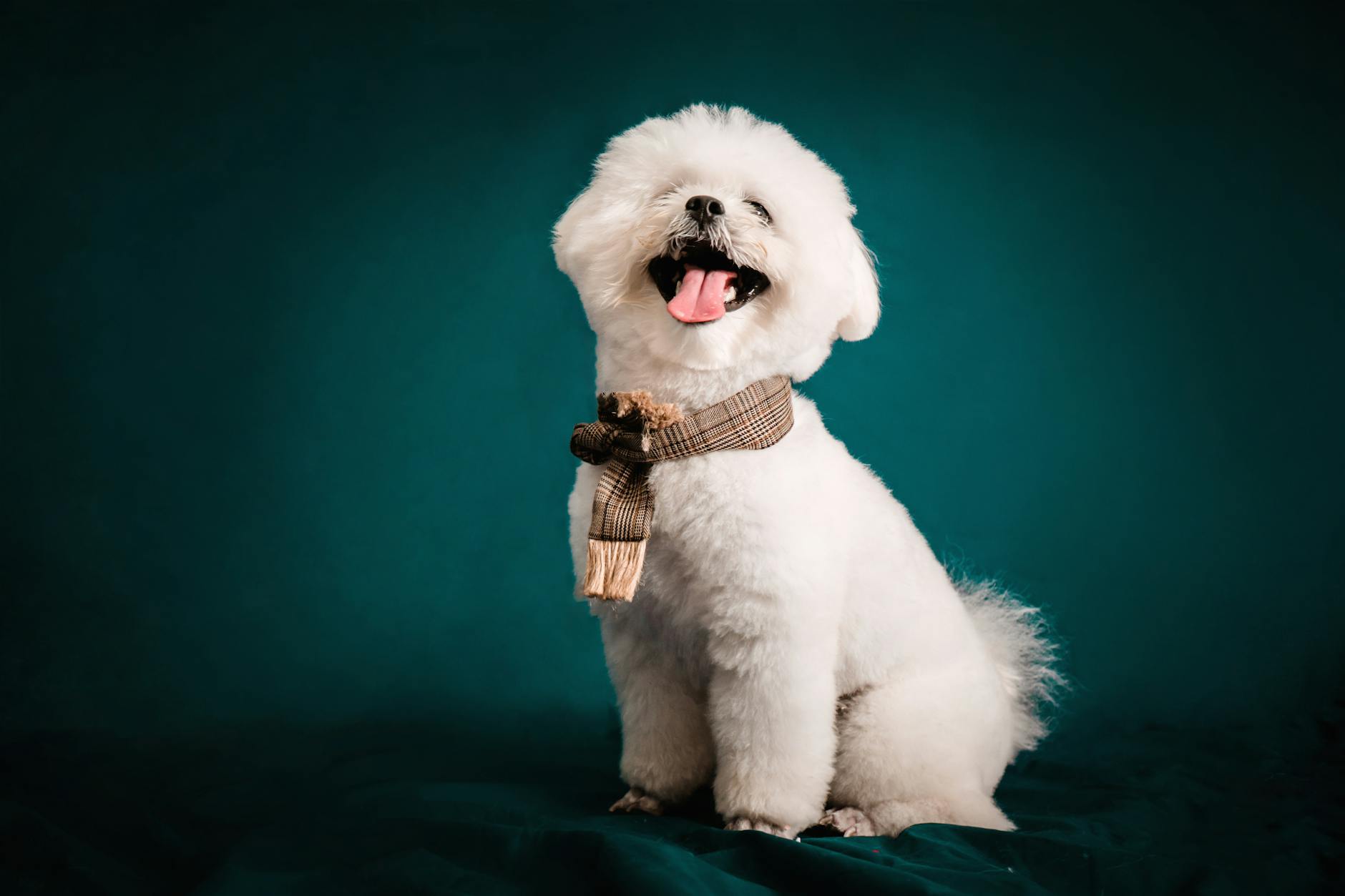
The Bichon Frise is famously happy, gentle, and mischievous. They possess a natural joy for life that they spread to everyone they meet, making them terrible guard dogs but exceptional therapy companions. They are highly sensitive to their owner’s emotions and do not cope well with harsh discipline, raised voices, or cold isolation. In my years working with them, I’ve observed that their sweet demeanor quickly sours into separation anxiety if they are routinely left alone for long periods.
Is a Bichon Frise good with other pets?
In my experience, they are exceptionally social and peace-loving. They generally get along wonderfully with other dogs and can live harmoniously with cats, as they lack a strong prey drive.
How much attention does a Bichon Frise need?
They require a massive amount of human interaction. They are true companion dogs that shadow your every move, and leaving them alone for more than 4 hours a day can lead to distress and destructive behavior.
Training & Behavior
Bichons are highly intelligent and learn obedience commands and tricks with remarkable speed. However, they possess a sensitive streak, meaning positive reinforcement, praise, and high-value treats are the only effective teaching tools. The main behavioral challenge owners face is housebreaking, which requires immense patience, a strict schedule, and often crate training due to their small physical capacity. I always tell owners to treat housebreaking as a long-term project rather than an overnight expectation.
Training Tips
- Use high-value, small treats to keep them motivated during short, 5-minute training sessions.
- Employ strict crate training early on to aid in their housebreaking routine.
- Never yell or use physical corrections, as this will cause a Bichon to shut down completely.
- Socialize them early with a variety of sights, sounds, and people to build confidence.
- Practice short, structured departures to proactively prevent separation anxiety from developing.
Fun Activities
- Agility trials tailored for small dogs
- Trick training and competitive obedience
- Therapy work in schools and nursing homes
- Hide-and-seek games with favorite toys inside the house
- Brisk neighborhood sniff walks
Is a Bichon Frise easy to train?
While they learn commands and trick routines incredibly fast because of their high intelligence, housebreaking can be notoriously difficult and requires consistent crate training and positive reinforcement.
Bichon Frise Health Issues

While Bichons are generally robust and often live well into their teens, they are genetically predisposed to several manageable conditions. I always advise prospective owners to source puppies from breeders who perform certified health clearances on the parents, particularly for eyes, hips, and patellas.
Patellar Luxation
A common hereditary condition in small dogs where the kneecap slips out of its anatomical groove, causing discomfort and potential joint degradation over time.
Hyperadrenocorticism (Cushing’s Disease)
An endocrine disorder, common in older Bichons, where the adrenal glands overproduce the hormone cortisol, often due to a benign pituitary tumor.
Urolithiasis (Bladder Stones)
The formation of mineral crystals in the bladder, particularly calcium oxalate and struvite stones, to which the Bichon Frise is genetically highly susceptible.
Atopic Dermatitis (Allergies)
Severe skin allergies triggered by pollen, molds, dust mites, or food ingredients, which can cause intense itching and lead to secondary bacterial skin infections.
Cataracts
An opacity in the lens of the eye that blocks light from reaching the retina, which can occur at a relatively young age in this breed and can lead to blindness if left untreated.
How long do Bichon Frises typically live?
With proper care, a high-quality diet, and regular veterinary checkups, most Bichon Frises live between 12 and 15 years, with some even reaching 16 or 17 years.
What to Feed a Bichon Frise
Bichons require a balanced diet tailored to small, active breeds to maintain their energy levels and protect their joints. Because they are highly prone to bladder stones and food allergies, their diet must be monitored closely in consultation with a veterinarian.
Best Diet
A premium, small-breed dry kibble containing easily digestible proteins is ideal. Given their high risk of developing food allergies, many owners find success with limited-ingredient diets or formulas featuring novel protein sources like venison or salmon.
How to Feed
I recommend feeding adult Bichon Frises twice daily, once in the morning and once in the evening, rather than free-feeding. This structured schedule helps regulate their digestion, aids in housebreaking, and prevents obesity.
How Much to Feed
Generally, an adult Bichon needs between 1/2 to 1 cup of high-quality dry food per day, divided into two meals. This range varies significantly depending on their exact weight, age, and physical activity level, so consult your vet for a customized plan.
Nutritional Tips
Incorporate fresh, clean water at all times to encourage drinking, which helps flush their kidneys and prevents the formation of bladder stones. Adding wild-caught salmon oil can also provide omega-3 fatty acids to soothe and support their highly sensitive skin.
Bichon Frise Grooming Guide
Grooming a Bichon Frise is a lifestyle commitment, not an occasional chore. Their coat acts like a magnet for twigs and dirt, requiring daily diligence to prevent severe, painful matting close to the skin.
Coat Care
Brush the entire coat daily down to the skin using a slicker brush, followed by a metal greyhound comb to find hidden tangles. Schedule professional clipping and shaping every 4 to 6 weeks to maintain their iconic powder-puff look.
Skin Care
Bathe them with mild, hypoallergenic oatmeal shampoos to protect their sensitive skin barrier. Crucially, always ensure you brush out every single mat before bathing them, as water will shrink the tangles and lock them into tight, solid knots.
Eye Care
Wipe around their eyes daily with a damp cloth or specialized tear-stain remover. Keeping the surrounding facial hair trimmed short prevents irritation and minimizes the dark red yeast staining common in this breed.
Ear Care
Clean their ears weekly with a vet-approved drying solution. Because hair grows inside their ear canals, excess hair must be gently plucked or trimmed regularly to prevent moisture buildup and chronic yeast infections.
Nail & Dental Care
Trim their nails every 2 to 3 weeks and brush their teeth daily with dog-specific toothpaste, as small toy breeds are highly susceptible to early-onset periodontal disease.
Considerations for Pet Parents
Pros
- Incredibly affectionate, cheerful, and loving temperament
- Minimal shedding makes them excellent for many allergy sufferers
- Highly adaptable to apartment living and small spaces
- Wonderful with children and very friendly with other pets
- Highly intelligent and quick to learn fun tricks
Cons
- High professional grooming costs and demanding daily coat care
- Highly prone to severe separation anxiety if left alone
- Can be notoriously slow and difficult to fully housebreak
- Prone to genetic health issues like bladder stones and allergies
Best For
Retired individuals, work-from-home professionals, or active families who want a highly affectionate dog, have the budget for professional grooming, and can provide constant daily companionship.
Not Recommended For
Busy professionals who are out of the house for 8 or more hours a day, or anyone unwilling to commit to the rigorous daily brushing and expensive monthly grooming routines.
Cost
- purchase price$1,500 to $3,500 from a reputable, health-testing breeder
- monthly cost$150 to $250, largely driven by recurring professional grooming fees and preventative veterinary care
- initial setupExpect an initial outlay of $1,000 to $1,500 for a quality crate, high-end grooming brushes, puppy vaccines, dental care kits, and professional training classes.
Similar Breeds
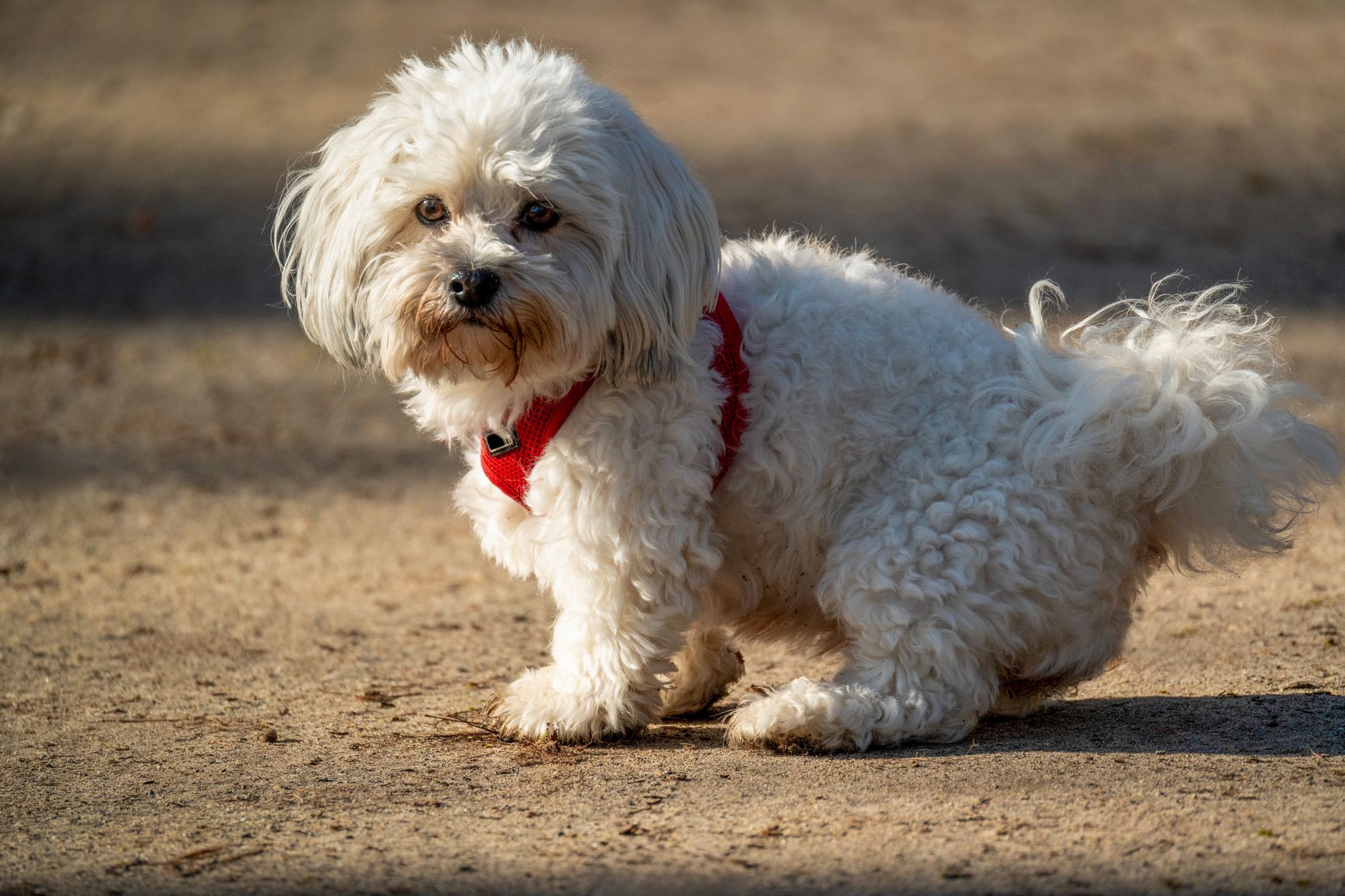
Maltese

Havanese
Bichon Frise FAQs
Are Bichon Frises truly hypoallergenic?
While no dog is 100% hypoallergenic, the Bichon Frise is close. Because they do not shed their dander and hair into the environment, many individuals with mild to moderate dog allergies find they can live with a Bichon comfortably.
Why does my Bichon Frise have red tear stains?
Tear staining is caused by porphyrins, iron-containing molecules excreted in tears, saliva, and urine. It can be exacerbated by teething, blocked tear ducts, yeast infections, or minerals in their drinking water. I’ve found that using filtered water and daily wiping helps tremendously.
What is the ‘Bichon Blitz’ or ‘Bichon Buzz’?
This refers to the breed’s signature Zoomies, where they suddenly sprint wildly around the house or yard in circles. It is completely normal behavior used to release pent-up energy, lasting only a few minutes before they crash for a nap.
Can a Bichon Frise be left alone while I work?
No, this is not a breed suited for households where everyone is away for long workdays. They are highly prone to distress and separation anxiety when left alone for more than 3 or 4 hours at a time.
How often does a Bichon Frise need to go to the groomer?
To keep their coat healthy and maintain their classic shape, they must see a professional groomer every 4 to 6 weeks. Skipping these appointments quickly leads to severe matting that requires shaving them to the skin.
Are Bichons prone to excessive barking?
They can become alarm barkers if they aren’t properly trained. Because they are highly alert and sensitive to their surroundings, they will bark to notify you of visitors or unusual noises, but this can be managed with consistent positive training.
Do Bichon Frises like water and swimming?
This varies by individual, but many Bichons enjoy water because of their historical background as water spaniel descendants. However, you must dry their dense double coat completely after swimming to prevent painful hot spots and ear infections.
Are they easy to housebreak?
They are notoriously difficult to housebreak compared to larger breeds. Their tiny bladders mean they must go out frequently, and they require highly consistent crate training and positive reinforcement for several months.
What kind of brush should I use on my Bichon?
I always recommend using a high-quality slicker brush to work through the dense undercoat first, followed by a sturdy metal Greyhound comb to check for hidden tangles and mats near the skin.
Why is my Bichon chewing and licking its paws?
This is almost always a sign of allergies. Bichons are highly prone to environmental or food allergies that manifest as itchy skin, particularly on their feet, causing them to lick and bite at their paws until they become red and sore.
Do Bichon Frises smell bad?
No, they are naturally very clean and odorless dogs. If your Bichon smells, it is usually a sign of trapped dirt in a matted coat, an ear infection, dental disease, or a skin allergy flare-up that needs veterinary attention.
How much exercise do they need?
They have moderate energy levels. A brisk 30-minute walk daily combined with a few short indoor play sessions is typically more than enough to keep them physically fit and mentally satisfied.
At what age is a Bichon Frise fully grown?
They generally reach their full adult height and skeletal frame by 12 months of age, though they may continue to fill out and gain muscle mass until they are about 18 months old.
Can a Bichon Frise live in a cold climate?
Yes, their dense double coat provides excellent insulation against chilly weather. However, in extremely wet or snowy conditions, they should wear a winter coat, and you must thoroughly dry their legs and paws after outings to prevent ice clumps and matting.
Are Bichon Frises good with cats?
Yes, they generally get along very well with cats. Because they have very little predatory drive, they are far more likely to try to play with or curl up next to a feline household companion than to chase them.