
Asian Semi-Longhair Breed Guide

Quick Summary
The Asian Semi-Longhair, also known as the Tiffanie, is an exceptionally affectionate, medium-sized cat that combines the silky, low-maintenance coat of a semi-longhair with the playful, deeply loyal personality of the Burmese. This social breed is best for families and active households who can provide the high level of companionship, mental stimulation, and emotional engagement they require.
Quick Facts
- origin countryUnited Kingdom
- breed groupAsian Group (GCCF)
- sizeMedium
- weight range8 to 14 lbs (3.6 to 6.4 kg)
- height range8 to 10 inches (20 to 25 cm)
- lifespan12 to 15 years
- coat typeFine, silky semi-longhair with minimal undercoat
- common colorsSolid, shaded, smoke, and tabby patterns in black, blue, chocolate, lilac, red, and cream
- other namesTiffanie, Asian Longhair
- recognized byGCCF, LOOF
Caring for a Asian Semi-Longhair
Living with an Asian Semi-Longhair is like having an inquisitive, silky shadow following your every step. In my clinical experience, these cats do not do well when left alone for long stretches; they are highly social and require daily interactive play sessions of at least 20 to 30 minutes to stay happy. Their semi-long coat is surprisingly low-maintenance due to the lack of a dense undercoat, but their emotional needs are high-maintenance. Providing ample vertical space and puzzle feeders is essential to satisfy their sharp minds and prevent boredom-induced behaviors.
Is an Asian Semi-Longhair a good family pet?
Absolutely, they thrive in active family environments because they crave constant interaction. In my practice, I find they bond deeply with children who know how to handle them gently, often participating eagerly in family games.
Do Asian Semi-Longhairs shed a lot?
They shed moderately, but significantly less than other semi-longhaired breeds like the Persian or Maine Coon. Because they lack a dense, woolly undercoat, their fine hair is easy to manage with weekly brushing.
Is an Asian Semi-Longhair good for first-time owners?
They can be excellent for first-time owners, provided you understand their social demands. If you work long hours away from home, their tendency toward separation anxiety can make them challenging for a novice without a companion pet.
Temperament & Personality
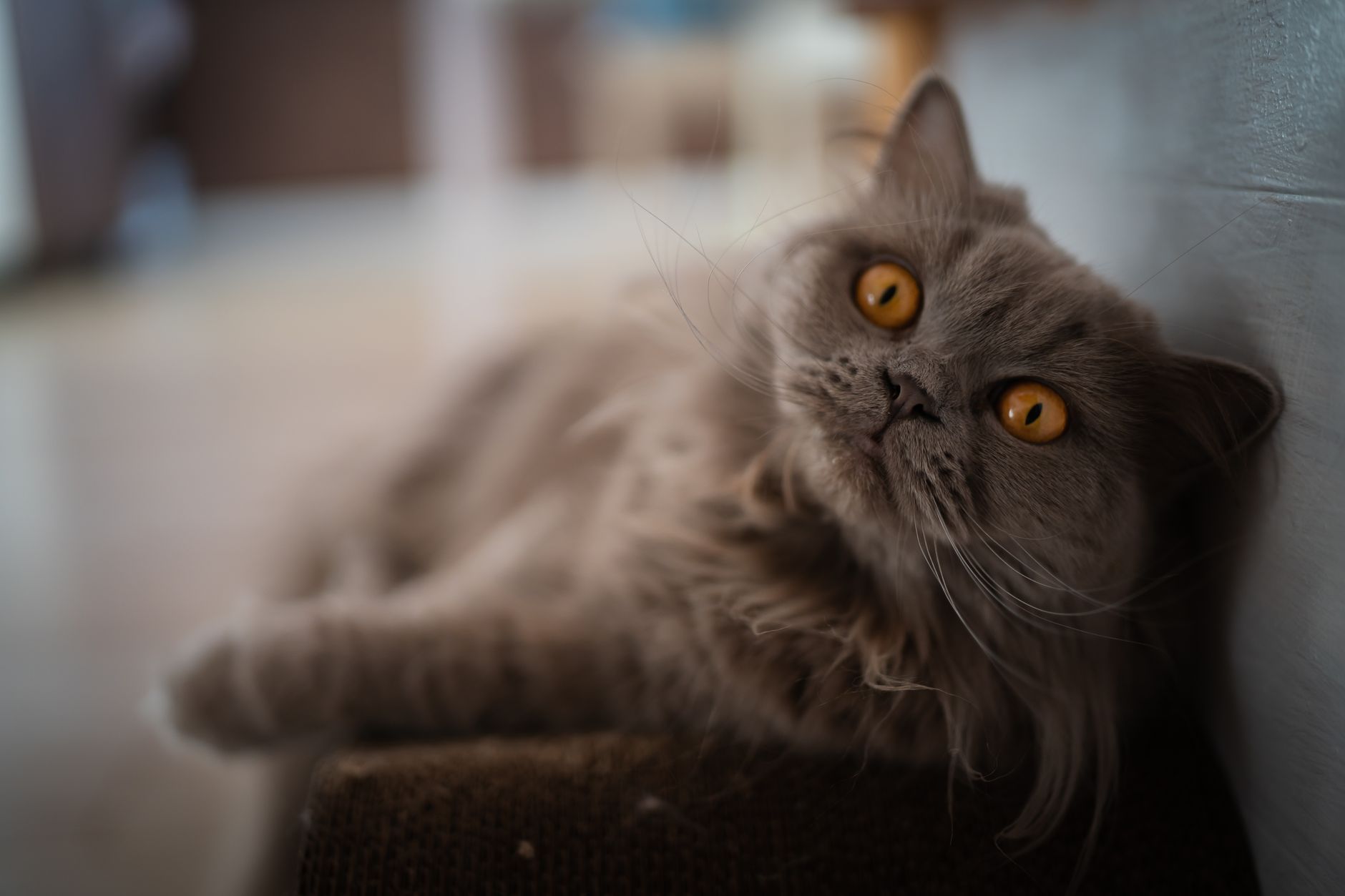
The Asian Semi-Longhair is famously expressive, affectionate, and relentlessly curious. They inherit the vocal nature of their Burmese ancestors, though their voice is typically softer, sweeter, and used to hold direct ‘conversations’ with their owners. They are not passive lap cats; rather, they are active participants in your household, wanting to assist with everything from folding laundry to working on a laptop.
Is an Asian Semi-Longhair good with other pets?
Yes, they are exceptionally gregarious and generally welcome the company of other cats and cat-friendly dogs. In fact, I frequently recommend getting a companion animal if the owner is away during the workday.
How much attention does an Asian Semi-Longhair need?
They need a high level of daily interaction and do not tolerate isolation well. I advise clients to dedicate daily physical play and cuddle time to prevent them from becoming lonely or destructive.
Training & Behavior
This breed possesses a sharp, active mind that responds beautifully to positive reinforcement training. They learn tricks quickly and are often compared to dogs for their willingness to fetch toys and walk on a harness. Without mental stimulation, however, they will find their own entertainment, which can include opening cupboards and doors.
Training Tips
- Use high-value, low-calorie treats for positive reinforcement.
- Introduce clicker training early to channel their intelligence.
- Keep training sessions short, around 3 to 5 minutes.
- Teach them to fetch or retrieve small toys to burn energy.
Fun Activities
- Clicker trick training
- Leash walking with a harness
- Interactive puzzle toy solving
- Feather wand chase games
- Agility obstacle courses
Is an Asian Semi-Longhair easy to train?
Yes, they are highly trainable due to their intelligence and desire to please their humans. Using a clicker and reward-based methods, you can easily teach them commands like ‘sit’ and ‘come’ within a few weeks.
Asian Semi-Longhair Health Issues
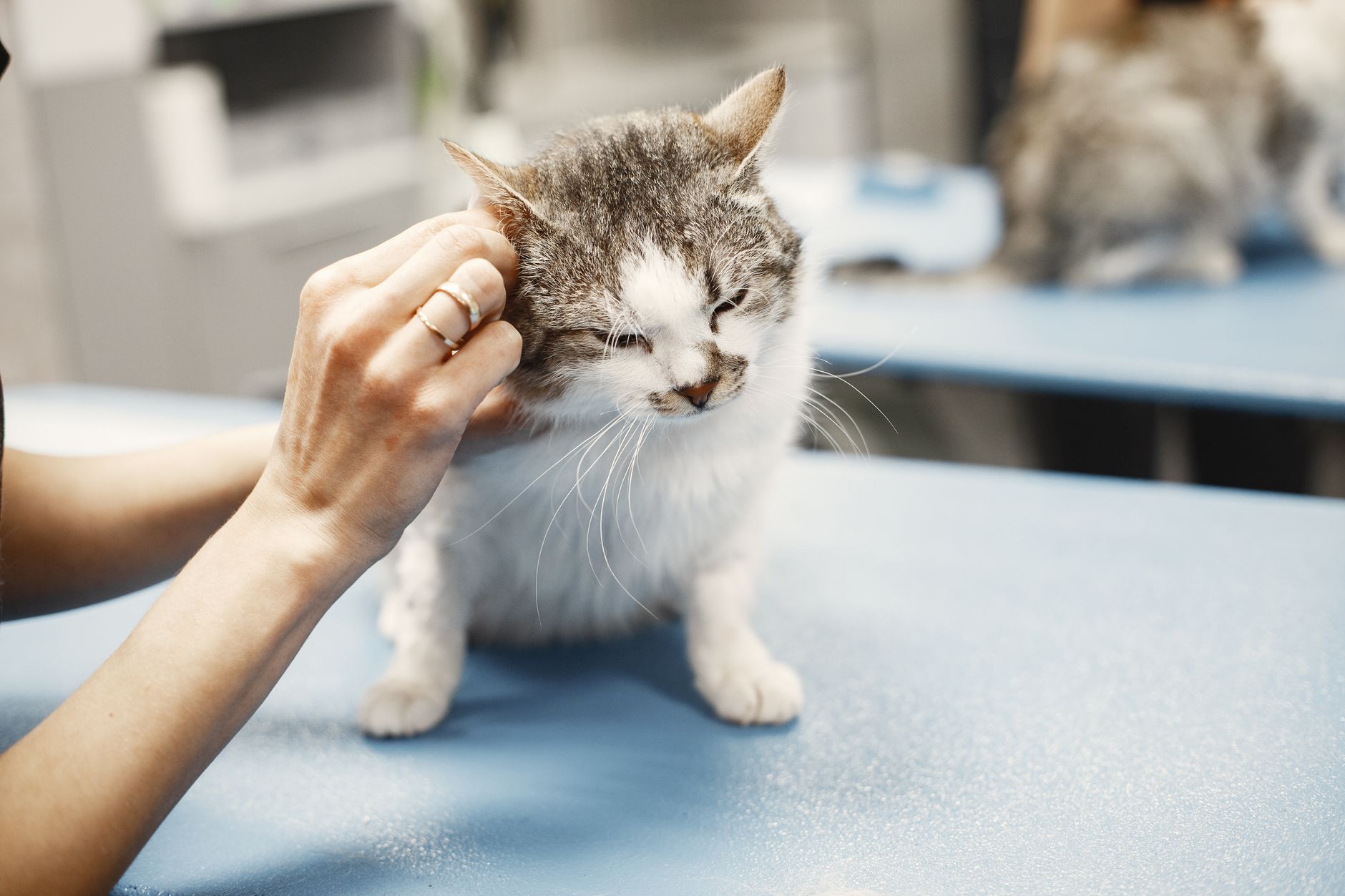
The Asian Semi-Longhair is generally a robust and healthy breed, but because they share genetic heritage with the Burmese, they are predisposed to specific hereditary conditions. In my practice, proactive genetic testing and routine veterinary screenings are key to managing these risks and ensuring a long, healthy life.
Hypokalemia (Periodic Hypokalemic Polymyopathy)
A genetic disorder causing low potassium levels, which leads to muscle weakness and episodic inability to hold up the head. A simple DNA test can identify carriers or affected cats before breeding or showing clinical signs.
Diabetes Mellitus
An endocrine disorder where the body cannot properly regulate blood sugar, with genetic lines linked to Burmese ancestry showing a higher predisposition. Management involves insulin therapy and a strict low-carbohydrate diet.
Polycystic Kidney Disease (PKD)
A progressive condition where fluid-filled cysts develop in the kidneys, eventually leading to renal failure. While more common in Persians, it is still screened for via ultrasound or DNA testing in lines with outcrosses.
Hypertrophic Cardiomyopathy (HCM)
The most common heart disease in cats, characterized by abnormal thickening of the left ventricular muscle wall. Regular echocardiograms by a board-certified veterinary cardiologist are the gold standard for screening.
Gingivitis and Periodontal Disease
Inflammation of the gums and supporting dental structures, which is highly prevalent in the Asian breed group. Left untreated, it leads to pain, tooth loss, and systemic bacterial spread affecting the kidneys and heart.
How long do Asian Semi-Longhairs typically live?
With excellent nutrition, an indoor lifestyle, and regular veterinary checkups, they typically live between 12 and 15 years, with some reaching up to 18 years of age.
What to Feed a Asian Semi-Longhair
Feeding an Asian Semi-Longhair requires balancing their high energy levels with their genetic predisposition to diabetes and obesity. I recommend a diet high in animal protein and moisture, while keeping carbohydrates to a strict minimum.
Best Diet
A premium, moisture-rich wet food diet formulated for active cats is ideal. Look for diets where the first three ingredients are specific animal proteins (like chicken, turkey, or salmon) and avoid foods heavy in corn, wheat, or soy fillers.
How to Feed
I strongly advise against free-feeding (leaving dry food out all day) as this breed is prone to overeating when bored. Instead, establish 2 to 3 measured meals per day, ideally using puzzle feeders to provide mental stimulation during mealtime.
How Much to Feed
Portion size should be based on your cat’s specific target weight, age, and activity level, typically ranging from 200 to 250 calories per day for an average 10-pound adult. Always consult your veterinarian to calculate exact caloric needs using a body condition scoring (BCS) system.
Nutritional Tips
Incorporate Omega-3 fatty acids (like salmon oil) to support their silky coat and joint health. Ensure they have constant access to fresh, filtered water, ideally from a cat fountain to encourage drinking and support kidney health.
Asian Semi-Longhair Grooming Guide
Despite their semi-long coat, grooming an Asian Semi-Longhair is remarkably straightforward. Their silky hair lacks a dense undercoat, meaning it does not mat or tangle easily, making grooming a pleasant bonding experience.
Coat Care
Brush the coat once or twice a week with a soft slicker brush or a stainless steel comb to remove loose hairs and distribute skin oils. During the seasonal shedding periods in spring and autumn, increase this to three times a week.
Skin Care
Their skin is generally healthy; bath time is rarely necessary unless they get into something messy, as they are fastidious self-groomers.
Ear Care
Check ears weekly for dirt, redness, or a yeast-like odor, and clean with a vet-approved, gentle ear cleaner if debris is present.
Nail & Dental Care
Trim nails every 2-3 weeks. Brush their teeth daily with veterinary-approved enzyme toothpaste to combat their high genetic risk for periodontal disease.
Considerations for Pet Parents
Pros
- Extremely affectionate and family-friendly
- Beautiful, silky, low-maintenance coat
- Highly intelligent and easy to train
- Gets along exceptionally well with other pets
- Vocal and highly communicative
- Playful and entertaining throughout adulthood
Cons
- Prone to separation anxiety if left alone
- Can be demanding of attention and vocal
- Prone to specific genetic health issues
- Rare breed, making them difficult to find
Best For
Active families, remote workers, or households with other pets who can provide the constant companionship and mental stimulation this highly social breed needs.
Not Recommended For
Individuals who travel frequently, work extremely long hours outside the home, or prefer a quiet, highly independent, and passive lap cat.
Cost
- purchase price$800 to $1,500
- monthly cost$80 to $150
- initial setupExpect to spend $400 to $800 initially on high-quality vertical trees, puzzle toys, carrier, microchipping, and initial spay/neuter surgery or vaccinations.
Similar Breeds

Asian Semi-Longhair FAQs
What is the difference between an Asian Semi-Longhair and a Tiffanie?
They are the exact same breed. ‘Tiffanie’ is the name recognized by the Governing Council of the Cat Fancy (GCCF) in the UK, while ‘Asian Semi-Longhair’ is the descriptive term used internationally within the Asian breed group.
Are Asian Semi-Longhairs hypoallergenic?
No, they are not hypoallergenic. While they lack a thick undercoat and shed less than some other long-haired cats, they still produce the Fel d 1 protein in their saliva, dander, and urine, which triggers feline allergies.
How did the Asian Semi-Longhair breed originate?
The breed originated in the UK in the 1980s as an accidental result of crossing a Chinchilla Persian with a Burmese, which led to the development of the Asian group, including this beautiful semi-longhaired variety.
Can Asian Semi-Longhairs live in an apartment?
Yes, they adapt wonderfully to apartment living as long as you provide ample vertical space, such as cat trees and window perches, alongside plenty of interactive toys to keep their active minds occupied.
Why does my Asian Semi-Longhair follow me everywhere?
This is a core breed trait. Often referred to as ‘velcro cats,’ they are deeply people-oriented and thrive on being involved in every aspect of their owner’s daily routine.
Do they vocalize as much as Siamese cats?
They are highly communicative but typically have a much softer, sweeter, and less raspy voice than a Siamese. They will ‘chirp’ and ‘meow’ softly to tell you about their day or ask for dinner.
What genetic tests should I request from a breeder?
You should ask for DNA test results for Hypokalemia (periodic hypokalemic polymyopathy) and Polycystic Kidney Disease (PKD), alongside proof of veterinary heart screenings for hypertrophic cardiomyopathy (HCM) in the parents.
How can I prevent separation anxiety in my Tiffanie cat?
Establish a consistent routine, provide plenty of environmental enrichment like puzzle toys and window feeders, and seriously consider adopting a second compatible cat or friendly dog to keep them company.
How often should I bathe an Asian Semi-Longhair?
Bathing is rarely required because their fine, silky coat is naturally resistant to dirt and mats. A bath once or twice a year, or only when they get visibly dirty, is more than sufficient.
Are they prone to obesity?
Yes, like their Burmese relatives, they can easily gain excess weight if free-fed or under-exercised. In my practice, I emphasize strict portion control and active daily play to keep them lean.
Do Asian Semi-Longhairs like water?
While individuals vary, many owners report that they are highly intrigued by running water. They may play with dripping faucets, splash in their water bowls, or watch you take a shower.
At what age do Asian Semi-Longhairs reach full physical maturity?
They typically reach full physical and behavioral maturity around 18 months to 2 years of age, during which their beautiful semi-long coat and neck ruff will fully develop.