
Havana Brown Breed Guide

Quick Summary
The Havana Brown is an exceptionally affectionate, mahogany-coated feline companion known for its striking green eyes and tactile nature, often using its paws to touch and interact with its humans. Ideal for devoted owners who want an interactive, dog-like cat, this rare breed thrives on constant companionship and intellectual stimulation.
Quick Facts
- origin countryEngland
- breed groupShorthair
- sizeMedium
- weight range6 to 10 pounds
- height range9 to 11 inches
- lifespan12 to 15 years
- coat typeShort, smooth, glossy, and close-lying
- common colorsRich, warm mahogany brown
- other namesChocolate Delight, Brownie
- recognized byCFA, TICA
Caring for a Havana Brown
Living with a Havana Brown is like having a warm, purring shadow that wants to participate in everything you do. In my years working with them, I’ve found they aren’t content to simply share a room with you; they want to be actively touching your shoulder, sitting on your lap, or investigating what you are typing. They require daily interactive play sessions of at least 20 to 30 minutes to burn off their moderate energy. Their highly social nature means they do poorly when left alone for long stretches, so I always recommend having another companion animal if you work long hours.
Is a Havana Brown a good family pet?
Absolutely, they thrive in family environments because they genuinely love human interaction and are gentle enough for respectful children. However, I always advise supervising younger kids to ensure they do not handle this medium-sized cat too roughly.
Do Havana Browns shed a lot?
No, they are incredibly low-maintenance shedders due to their short, single coat that lacks a dense undercoat. A quick weekly brushing with a rubber grooming mitt is usually all it takes to keep loose hairs off your furniture.
Is a Havana Brown good for first-time owners?
Yes, provided the owner understands this isn’t an independent, hands-off cat. Their dog-like devotion and highly trainable nature make them a joy for beginners who want a truly interactive, companionable pet.
Temperament & Personality

The Havana Brown is the ultimate ‘people cat’—exceptionally curious, tactile, and deeply affectionate. One of their most endearing habits, which I see constantly, is their tendency to stretch out a paw to touch your face or tap your arm to get your attention. They have a soft, quiet voice compared to their vocal Siamese ancestors, choosing to communicate in gentle chirps. They are highly intelligent, meaning they require mental stimulation to prevent them from opening cabinets or getting into mischief.
Is a Havana Brown good with other pets?
Yes, they are highly social and generally do very well with other cats and cat-friendly dogs. In fact, because they crave companionship, having a feline or canine buddy is highly beneficial for when you are away from home.
How much attention does a Havana Brown need?
They need a significant amount of attention compared to more independent breeds. If you leave them alone for more than 4 to 6 hours daily without another pet or interactive toys, they can easily become lonely and stressed.
Training & Behavior
Thanks to their sharp intellect and desire to please, Havana Browns are surprisingly easy to train. I’ve successfully taught them to fetch small toys, walk on a harness, and come when called using simple positive reinforcement. They respond incredibly well to clicker training, which keeps their active minds engaged and prevents boredom-related behaviors.
Training Tips
- Use clicker training with high-value treats like freeze-dried chicken.
- Keep training sessions short and engaging, around 5 minutes.
- Teach them to retrieve lightweight toys like crinkle balls.
- Start harness and leash training early in kittenhood.
- Redirect destructive scratching with vertical sisal posts.
Fun Activities
- Interactive fetch with small toys
- Leash walking in quiet outdoor spots
- Puzzle toy troubleshooting
- Agility obstacle courses
- Clicker training sessions
- High-perch bird watching
Is a Havana Brown easy to train?
Yes, they are highly trainable due to their high intelligence and people-pleasing nature. They easily learn house rules, tricks, and can even be trained to walk on a leash with patient, positive reinforcement.
Havana Brown Health Issues
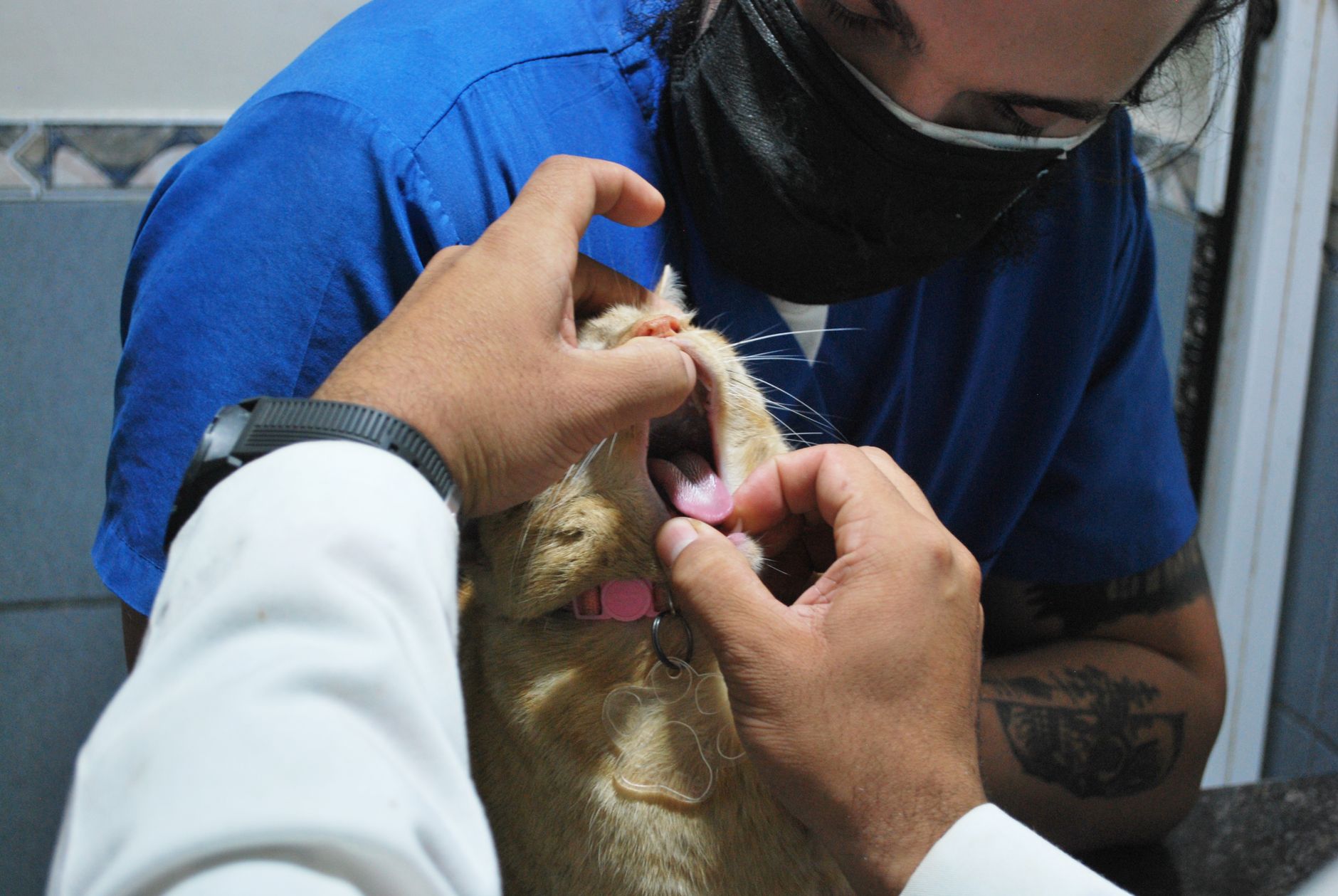
While the Havana Brown is generally a healthy and resilient breed, their limited gene pool means breeders must be highly selective. They can be prone to certain hereditary issues, but regular veterinary check-ups and a high-quality diet help ensure they reach their full lifespan.
Calcium Oxalate Bladder Stones
These painful stones can form in the urinary tract, causing blockages that require immediate veterinary care. Ensuring your cat drinks plenty of fresh water and eating a diet high in moisture (wet food) can significantly lower the risk.
Upper Respiratory Infections (URIs)
Havana Brown kittens are occasionally susceptible to URIs, especially during stressful transition periods. Keeping their environment stress-free and keeping up with their vaccination schedule is crucial.
Obesity
Due to their food-motivated nature and love for indoor lounging, they can easily pack on extra weight if their portions aren’t managed. Obesity puts strain on their joints and increases the risk of diabetes.
Renal Amyloidosis
Though rare, this hereditary disease involves the deposition of amyloid protein in the kidneys, which can lead to kidney failure. It is inherited from their Siamese ancestry, so checking the family line with your breeder is essential.
How long do Havana Browns typically live?
Havana Browns typically live between 12 and 15 years when kept indoors and provided with proper nutrition. I have even known several well-cared-for individuals to reach 16 or 17 years old.
What to Feed a Havana Brown
To keep that gorgeous mahogany coat gleaming and support their active bodies, Havana Browns require a high-protein, nutritionally balanced diet. I strongly advocate for a diet that heavily features wet food, as their ancestral genetics mean they have a low thirst drive, making them prone to urinary tract issues if fed dry kibble exclusively.
Best Diet
An ideal diet consists of premium, meat-first wet food formulated for their specific life stage (kitten, adult, or senior). Look for recipes rich in Omega-3 and Omega-6 fatty acids to nourish their unique skin and coat.
How to Feed
I recommend feeding adult Havana Browns two to three small, measured meals per day rather than free-feeding. Using puzzle feeders is an excellent way to slow down eager eaters and provide mental stimulation at mealtime.
How Much to Feed
Generally, an adult Havana Brown weighing 8 pounds needs about 200 to 240 calories daily, but this varies based on activity level and age. Always consult your veterinarian to establish a precise caloric goal to prevent obesity.
Nutritional Tips
Ensure they always have access to fresh, filtered water, ideally from a circulating pet fountain to encourage drinking. Avoid feeding table scraps or excessive treats, as this breed can easily develop a picky appetite.
Havana Brown Grooming Guide
Grooming a Havana Brown is an absolute breeze and acts as a wonderful bonding experience. Their single coat requires very little maintenance to look its best, meaning you’ll spend far more time cuddling them than brushing them.
Coat Care
A weekly brushing with a rubber curry brush or a soft-bristle brush is all that is needed to remove dead hair. To get that signature glass-like mahogany shine, I like to finish with a gentle wipe-down using a damp chamois cloth.
Skin Care
Their skin is generally healthy, but their short coat offers little protection from the sun. Keep them indoors to prevent sunburn, and check their skin weekly for any unusual dry patches.
Eye Care
Monitor their striking green eyes for any discharge, wiping the corners gently with a soft, damp cloth if needed.
Ear Care
Check their ears weekly for dirt, wax buildup, or redness, cleaning gently with a vet-approved ear rinse and cotton ball if necessary.
Nail & Dental Care
Trim their nails every two to three weeks to keep them comfortable and protect your furniture. Brush their teeth daily or at least three times a week with cat-safe toothpaste to prevent periodontal disease.
Considerations for Pet Parents
Pros
- Extremely affectionate and loving
- Stunning and unique mahogany coat
- Very intelligent and easy to train
- Highly interactive and dog-like
- Low-maintenance grooming needs
- Quiet, sweet-sounding voice
Cons
- Prone to separation anxiety if left alone
- Very rare and difficult to find from breeders
- Can be demanding of attention and affection
- Prone to urinary tract issues if diet isn’t managed
Best For
The Havana Brown is perfect for families, active singles, or work-from-home professionals who can dedicate several hours a day to interactive play and cuddling. They thrive in households where they are treated as central members of the family.
Not Recommended For
They are not recommended for busy households where everyone is away for long, 10-hour workdays, as they will suffer from loneliness. They are also not a good fit for owners looking for an independent, hands-off cat.
Cost
- purchase price$1,500 to $2,500 USD
- monthly cost$80 to $120 USD
- initial setupExpect to spend $300 to $500 initially on high-quality scratching posts, a cat tree, litter box, grooming tools, and vet-approved food.
Similar Breeds
Siamese
Oriental Shorthair
Havana Brown FAQs
Why are they called Havana Browns?
The breed’s name is derived from the rich, warm brown color of their coat, which closely resembles the shade of a fine Havana cigar, rather than from any geographical link to Cuba.
Do Havana Brown cats always have green eyes?
Yes, a true Havana Brown must have striking, vivid green eyes. According to breed standards, the deeper and more brilliant the shade of green, the better.
Are Havana Browns hypoallergenic?
No, they are not hypoallergenic. However, because they are low-shedders and have a short, single coat, they produce less dander in the air, which some mild allergy sufferers find easier to tolerate.
How rare is the Havana Brown?
They are exceptionally rare. In fact, they are considered one of the most endangered cat breeds in the world, with only a small number of registered catteries actively breeding them globally.
What is the difference between a Havana Brown and a chocolate domestic shorthair?
A Havana Brown has a distinct genetic heritage (Siamese and Russian Blue roots), a unique ‘corn cob’ muzzle shape, and striking green eyes, whereas a chocolate domestic shorthair lacks these specific physical and genetic traits.
Are Havana Browns vocal?
They are moderately vocal, but unlike their Siamese ancestors, they do not have a loud, raspy cry. Instead, they speak in soft, quiet chirps and gentle purrs to communicate with their humans.
Can Havana Browns live with dogs?
Yes, they adapt very well to dog-friendly dogs and often form close bonds with them. Their confident and playful nature makes them great companions for energetic but gentle canines.
Do Havana Browns like water?
Many Havana Browns are fascinated by running water and will splash their paws in dripping faucets or water bowls, though they rarely want to be fully bathed.
What color are a Havana Brown’s whiskers?
Uniquely, the Havana Brown is one of the only breeds that possesses brown whiskers, which perfectly complement their rich mahogany coat.
Do they need high vertical spaces?
Yes, they are highly agile and love climbing. Providing them with tall cat trees and window perches is essential to keep them mentally stimulated and physically fit.
How do you keep a Havana Brown mentally stimulated?
I recommend using puzzle feeders, teaching them tricks using clicker training, and rotating their toys regularly to keep their highly intelligent minds engaged.
At what age do Havana Browns reach full size?
They are typically fully grown and reach their adult weight and physical maturity around 12 to 18 months of age.
Can they be left alone during the work day?
Only if they have another animal companion to keep them company. If left completely alone in an empty house for 8 to 10 hours, they can develop stress-induced behaviors like overgrooming.
What is the muzzle shape of a Havana Brown?
They have a very distinctive, squared-off muzzle that is often described as resembling a ‘corn cob’ or a light bulb when viewed from above, which sets them apart from other breeds.
How do I find a reputable Havana Brown breeder?
Look for breeders registered with major cat registries like the CFA or TICA who perform DNA health screenings on their breeding cats and allow you to visit their home cattery.