
German Shorthaired Pointer Breed Guide

Quick Summary
The German Shorthaired Pointer is a powerhouse of athletic capability, intelligence, and deep devotion, bred to work all day in the field and cuddle on the sofa at night. I always tell potential owners that this is not a casual pet; they are high-octane partners who require a lifestyle built around vigorous daily exercise and mental engagement. If you can match their legendary stamina, you will be rewarded with an incredibly loyal, versatile, and affectionate companion.
Quick Facts
- origin countryGermany
- breed groupSporting Group
- sizeLarge
- weight range45 to 70 pounds (20 to 32 kg)
- height range21 to 25 inches at the shoulder (53 to 64 cm)
- lifespan10 to 14 years
- coat typeShort, dense, and water-repellent
- common colorsSolid liver, liver and white (patched, ticked, or roan), solid black, or black and white
- other namesDeutsch Kurzhaar, GSP, Shorthair
- recognized byAKC, UKC, FCI, KC, ANKC
Caring for a German Shorthaired Pointer
Living with a German Shorthaired Pointer is an active commitment that shapes your daily routine. In my experience, these dogs do not have an ‘off’ switch unless they’ve had at least 90 to 120 minutes of hard, heart-pumping physical exercise every single day. A casual walk around the block will not cut it; they need space to run, retrieve, or swim to stay mentally balanced. Without this outlet, their brilliant minds turn to destructive behaviors like digging, chewing, and escaping fences.
Is a German Shorthaired Pointer a good family pet?
Yes, they make spectacular family pets for active households because they are incredibly affectionate and bond deeply with children. However, because of their bouncy, high-energy nature, they can easily knock over toddlers, so I always recommend supervising interactions with very young kids.
Do German Shorthaired Pointers shed a lot?
Yes, they do, and I’ve found that many owners are surprised by this because of their short coats. GSP hair is stiff and needle-like, meaning it weaves itself into fabrics and upholstery, making it quite stubborn to vacuum out, though regular brushing helps immensely.
Is a German Shorthaired Pointer good for first-time owners?
Generally, no, I do not recommend them for novice owners. Their combination of intense exercise requirements, sharp intelligence, and high prey drive can quickly overwhelm someone who is not already experienced in managing and training high-drive sporting breeds.
Temperament & Personality

The GSP is characterized by an enthusiastic, eager-to-please attitude matched with a high level of intelligence. They are incredibly people-oriented dogs who hate being left alone; they want to be part of every family activity and will shadow you from room to room. While friendly and outgoing with strangers once introduced, they maintain a watchful eye and are quick to sound the alarm if someone approaches your property.
Is a German Shorthaired Pointer good with other pets?
They can co-exist beautifully with other dogs, especially those of a similar energy level. However, because they are historically bred to hunt, they possess a naturally high prey drive, which means smaller animals like cats, rabbits, and birds may not be safe around them without intensive early socialization.
How much attention does a German Shorthaired Pointer need?
They need an immense amount of attention and are classic ‘velcro dogs.’ They do not tolerate being left isolated in a backyard or empty house for long periods and are highly prone to separation anxiety if their emotional and social needs are ignored.
Training & Behavior
Training a German Shorthaired Pointer is a highly rewarding endeavor because they are incredibly smart and naturally want to work with you. However, they can be easily distracted by scents, sights, and movement due to their strong hunting instincts. I always emphasize starting training on day one with clear boundaries and positive, reward-based methods to keep their active minds engaged.
Training Tips
- Use high-value rewards like freeze-dried liver or a favorite toy to compete with outdoor distractions.
- Keep training sessions short, fast-paced, and fun (10 to 15 minutes max) to prevent them from losing interest.
- Begin teaching a rock-solid recall from puppyhood using a long training line before ever attempting off-leash work.
- Incorporate impulse-control games, such as ‘stay’ with high-value distractions, to manage their high drive.
Fun Activities
- Agility trials
- Dock diving
- Canicross or skijoring
- Field trials and pointing tests
- Scent work and tracking
- Frisbee and advanced retrieval games
Is a German Shorthaired Pointer easy to train?
Yes, they are highly trainable because they are clever and eager to please, but you must be consistent. If you are too soft, they will take advantage of your lax rules, and if you are too harsh, they will shut down, so balance and positive reinforcement are key.
German Shorthaired Pointer Health Issues
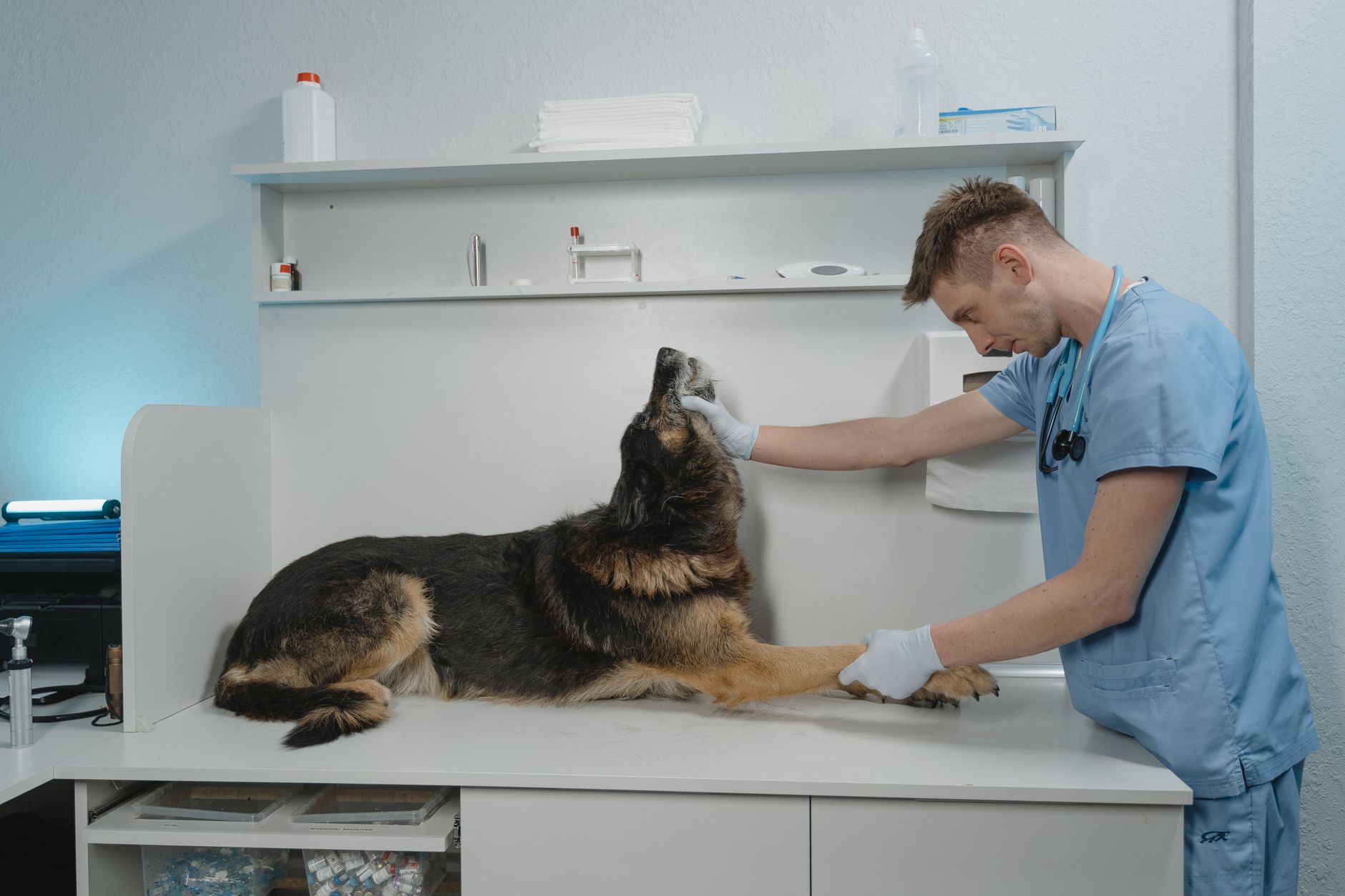
Overall, German Shorthaired Pointers are robust, athletic dogs built for longevity, but like all purebreds, they are genetically predisposed to certain health conditions. Working with a reputable breeder who performs recommended health screenings is vital to ensuring a healthy, long-lived companion.
Hip Dysplasia
An inherited skeletal condition where the ball and socket joint of the hip do not fit together smoothly, leading to painful wear and tear, arthritis, and eventual lameness.
Gastric Dilation-Volvulus (Bloat)
A life-threatening medical emergency common in deep-chested breeds where the stomach fills with gas and twists on its axis, cutting off blood flow.
Progressive Retinal Atrophy (PRA)
A family of degenerative eye diseases that causes the gradual deterioration of the retina, leading first to night blindness and eventually to complete loss of vision.
Hypothyroidism
A hormonal disorder where the thyroid gland doesn’t produce enough thyroid hormone, slowing down the dog’s metabolism.
Cone Degeneration (CD)
An inherited eye condition where the cone cells of the retina fail, causing day blindness and extreme sensitivity to bright light.
Von Willebrand’s Disease (vWD)
An inherited bleeding disorder caused by a deficiency in the quality or quantity of von Willebrand factor, which is necessary for normal blood clotting.
How long do German Shorthaired Pointers typically live?
With proper nutrition, regular veterinary care, and sufficient exercise, a healthy GSP will typically live between 10 and 14 years. Many active dogs maintain their high energy well into their senior years.
What to Feed a German Shorthaired Pointer
Feeding a German Shorthaired Pointer requires matching their caloric intake with their current life stage and energy output. A working GSP or one participating in high-intensity sports will need significantly more calories than a companion pet who receives standard daily exercise.
Best Diet
I highly recommend a high-protein, moderate-to-high-fat dry kibble formulated for active, large breeds. Because they are deep-chested, search for a high-quality food that avoids ingredients that promote excessive gas production, and consult your veterinarian for tailored advice.
How to Feed
Always split their daily food allowance into at least two separate meals to lower the risk of bloat. It is absolutely critical that you do not feed your GSP for at least one hour before or one hour after vigorous physical exercise.
How Much to Feed
Generally, an active adult GSP will require between 2.5 and 4 cups of high-quality dry food per day, divided into two meals. However, this varies drastically based on their metabolism, weight, and activity level; always consult your veterinarian to establish the exact portion size.
Nutritional Tips
Look for diets rich in glucosamine and chondroitin to help support their heavily worked joints. Adding a splash of water or high-quality bone broth to their kibble can encourage hydration, especially after hard training days.
German Shorthaired Pointer Grooming Guide
The GSP is low-maintenance when it comes to grooming, but they are not maintenance-free. Their short, dense coat is designed to shed water and dirt, making them naturally clean dogs who do not develop a strong doggy odor easily.
Coat Care
Brush your GSP once or twice a week with a rubber grooming mitt or a firm bristle brush to pull away loose hairs. Bathing is only necessary every 6 to 8 weeks, or whenever they decide to roll in mud or dead elements during an outdoor adventure.
Skin Care
Inspect their skin regularly after outdoor excursions, particularly checking for cuts, scrapes, burrs, and ticks that they might have picked up while running through brush and tall grasses.
Eye Care
Check their eyes weekly for any redness, cloudiness, or discharge, which can occur if they run through dense brush and get pollen, seeds, or dust trapped under their eyelids.
Ear Care
Because of their drop-ears, moisture and debris can easily become trapped inside, creating a perfect breeding ground for yeast and bacteria. Clean their ears weekly with a veterinarian-approved ear cleaner and a cotton ball, and always dry them thoroughly after swimming.
Nail & Dental Care
Clip or grind their nails every 2 to 3 weeks to prevent cracking and discomfort, and brush their teeth at least three times a week with dog-safe toothpaste to maintain periodontal health.
Considerations for Pet Parents
Pros
- Incredibly versatile and capable of excelling in almost any canine sport
- Extremely affectionate, loving, and loyal to their entire family
- Naturally clean coat that is very easy to groom on a weekly basis
- Highly intelligent and eager to please, making training very satisfying
- Excellent watchdog capabilities, always alert to their surroundings
- Outstanding, highly robust companion for runners, hikers, and hunters
Cons
- Extremely high energy requirements that are difficult for busy households to meet
- Prone to severe separation anxiety if left alone for extended periods
- Stiff, shedding hairs weave into fabrics and are difficult to remove
- Strong prey drive requires constant supervision around small pets
- Can easily become destructive, vocal, or hyperactive if bored
Best For
The ideal owner is an avid outdoor enthusiast, runner, or hunter who has several hours a day to dedicate to intense physical and mental canine activities. They need a home with a large, securely fenced yard where they can run safely, and a family that wants a constant companion.
Not Recommended For
I strongly advise against this breed for apartment dwellers, inactive families, or busy professionals who are away from home for 8 to 10 hours a day. They will not thrive in a sedentary lifestyle and will quickly become destructive and unhappy.
Cost
- purchase price$1,000 to $2,500 USD
- monthly cost$150 to $250 USD
- initial setupInitial setup, including a large crate, durable toys, a high-quality harness, vaccinations, and spay/neuter surgery, typically ranges from $1,000 to $1,800.
Similar Breeds

Weimaraner
Vizsla
German Shorthaired Pointer FAQs
Can German Shorthaired Pointers live in apartments?
Generally, I do not recommend GSPs for apartment living. They are large, high-energy dogs that require a lot of room to move, and they thrive best with a spacious, securely fenced yard where they can burn off energy between structured workouts.
Do German Shorthaired Pointers bark a lot?
They are not constant nuisance barkers, but they are highly alert and will bark to notify you of strangers, deliveries, or neighborhood animals. If they are bored or suffer from separation anxiety, they can develop persistent, anxious barking habits.
Do German Shorthaired Pointers love water?
Yes, most GSPs absolutely love water and are natural-born swimmers. They were bred to retrieve waterfowl, so they have webbed feet and a water-resistant coat that makes swimming an excellent, low-impact exercise option for them.
How high can a German Shorthaired Pointer jump?
GSPs are incredibly athletic and can easily clear a 4-to-5-foot fence from a standing position if they are motivated. If you are keeping a GSP in a yard, I highly recommend a secure, unclimbable fence that is at least 6 feet high.
Are German Shorthaired Pointers prone to separation anxiety?
Yes, they are highly prone to separation anxiety because they are extremely social ‘velcro’ dogs that bond intensely with their human pack. They do best in households where family members are home frequently or can take the dog with them.
At what age do German Shorthaired Pointers calm down?
In my experience, GSPs don’t truly begin to settle out of their puppy-like exuberance until they are about 2 to 3 years old. Even as mature adults, they will maintain a remarkably high level of athletic energy and playfulness for most of their lives.
Are they hypoallergenic?
No, German Shorthaired Pointers are not hypoallergenic. They produce dander and shed short, stiff hairs year-round, which can trigger allergies in sensitive individuals.
How do you keep a GSP mentally stimulated?
You can keep them mentally sharp by using puzzle feeders, hiding treats for nose work, teaching them complex retrieval tasks, practicing obedience commands daily, or involving them in agility and tracking sports.
Can German Shorthaired Pointers tolerate cold weather?
Because of their short, single coat, they do not tolerate extreme cold well when they are inactive. While they can work happily in cold water and snow because of their high drive and body heat, they should wear a dog coat during casual walks in freezing temperatures and must live indoors.
Are GSPs aggressive?
No, aggressive behavior is highly atypical for this breed. They are generally friendly, social, and outgoing dogs, though they can be aloof or vigilant around strangers until they realize there is no threat.
Why does my GSP point at things in the yard?
Pointing is an instinctual genetic behavior bred into them for centuries to show hunters where game is located. Even if they are strictly family pets, they will automatically freeze, lift one paw, and point their nose at birds, squirrels, or insects in your yard.
Do they get along with cats?
They can occasionally live peacefully with indoor cats if they are raised together from early puppyhood and carefully trained. However, their instinct to chase running animals is extremely strong, so they should never be left unsupervised with small pets.
How often should I trim my GSP’s nails?
I recommend trimming or grinding their nails every 2 to 3 weeks. Because they run so fast and with such force, long nails can split, tear, or alter their foot mechanics, leading to painful injuries.
What is the difference between a male and female GSP?
Males are noticeably larger, weighing 55 to 70 pounds, and tend to be more goofy, affectionate, and eager to please. Females are smaller, weighing 45 to 60 pounds, and are often slightly more independent, focused, and quick to mature during training.