

Quick Summary
While no dog is completely silent, breeds like the Basenji, Great Dane, and Whippet are genetically predisposed to bark far less than others. Choosing a quiet breed involves understanding their unique physiological traits and ensuring their specific exercise and health requirements are met to prevent stress-induced vocalization.
In my fifteen years of veterinary practice, I have had countless clients sit in my exam rooms, exhausted and desperate for a night of uninterrupted sleep. Excessive barking is a major behavioral reason dogs are surrendered to shelters, making breed selection highly critical.
When clients ask me for breed recommendations that won’t disturb the peace, I don’t just look at popularity trends. I evaluate genetics, physiological traits, and the quiet temperaments I observe daily on my clinic exam table.
While no dog is guaranteed to be completely silent, certain breeds possess an innate predisposition toward quietness. Let’s explore the quietest dog breeds that rarely bark, along with the clinical insights you need to know before bringing one home.
Key Takeaways
- Certain dog breeds have a much higher neurological threshold for triggering vocal behavior.
- The Basenji is anatomically unique and incapable of a traditional bark, producing a yodel instead.
- Many giant breeds, like the Great Dane, are remarkably quiet indoors despite their massive size.
- Sighthounds like Whippets and Borzois were bred for silent hunting, making them naturally quiet companions.
- Sudden vocal changes in a quiet dog are often clinical indicators of pain, sensory loss, or cognitive decline.
- Early socialization and proper mental stimulation are essential to keep even quiet breeds from vocalizing.
In This Article
- Understanding the Science Behind Canine Silence
- 1. The Basenji: An Ancient, Barkless Companion
- 2. The Great Dane: Low-Key Majesty
- 3. The Cavalier King Charles Spaniel: Soft-Spoken Sweetness
- 4. The Whippet: Gentle and Serene
- 5. The Shiba Inu: Fastidious and Reserved
- borzoi-gentle-giant-of-the-sighthound-world”>6. The Borzoi: Gentle Giant of the Sighthound World
- Veterinary Intervention for Sudden Barking Behavior
Understanding the Science Behind Canine Silence
In my clinic, I always remind pet parents that barking is not just a bad habit; it is a complex physiological response. Dogs bark to alert, warn, demand, or express anxiety, driven entirely by their central nervous system.
Quiet breeds do not lack these emotional states, but their neurological threshold for triggering a vocal response is significantly higher.
From a veterinary perspective, selective breeding has shaped the anatomical and behavioral traits of these quiet dogs over centuries. Sighthounds and certain working breeds were bred to hunt silently, as vocalizing would alert prey or compromise their task.
Understanding these genetic predispositions helps us manage our expectations and provide the right environmental enrichment.
- Neurological Threshold: Quiet breeds require a much stronger external stimulus to trigger the vocalization center of the brain.
- Selective Breeding: Historical roles, such as silent tracking, directly influence modern vocal tendencies.
- Anatomical Differences: Some breeds possess unique laryngeal structures that alter or limit their vocal output entirely.
1. The Basenji: An Ancient, Barkless Companion
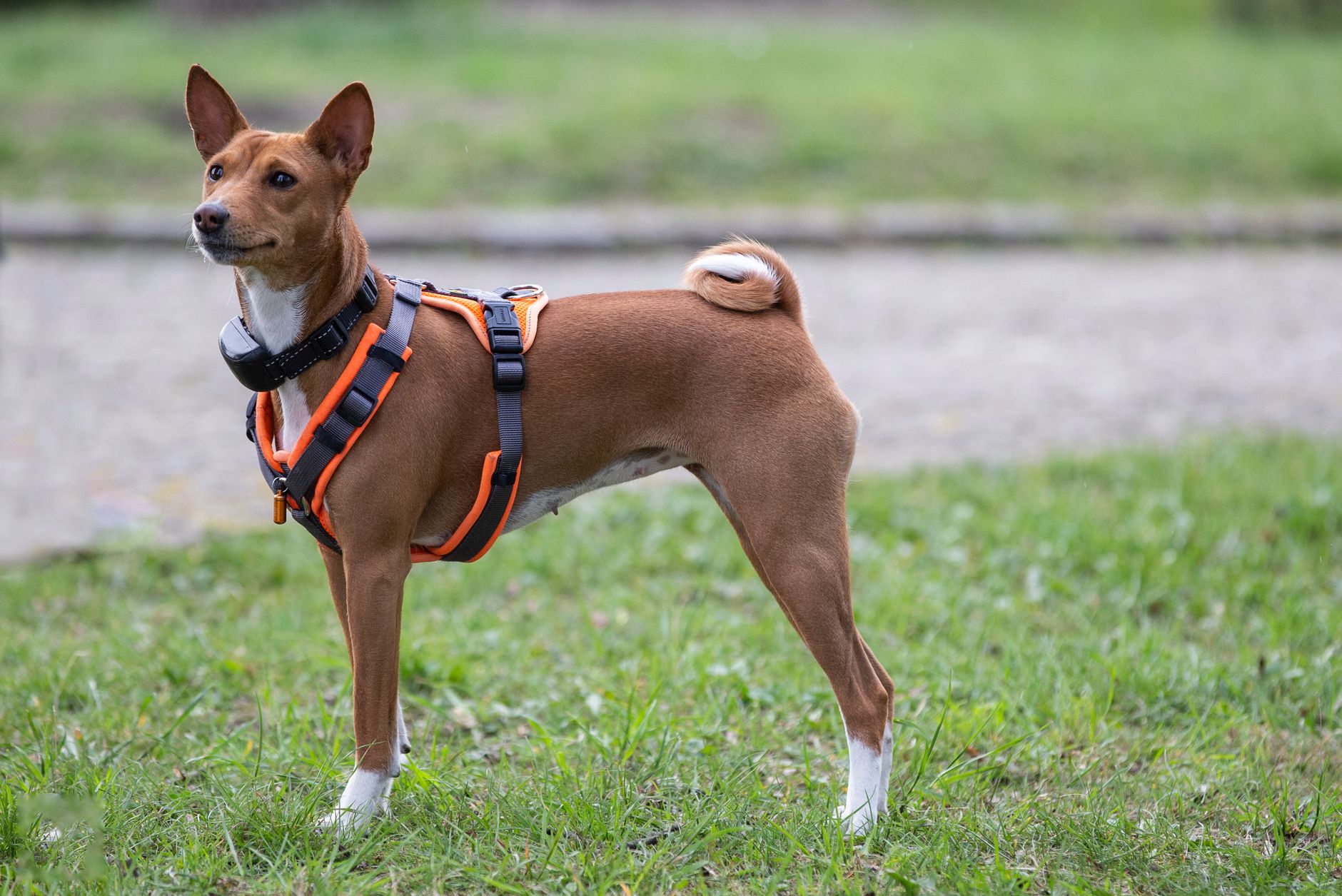
The Basenji is famous in veterinary circles for being anatomically incapable of producing a traditional bark. Instead of a standard larynx, their vocal tract has a flatter ventricle, which produces a unique sound known as a ‘barroo’ or yodel.
In my practice, I find Basenjis to be incredibly clean, cat-like, and highly independent.
However, do not mistake ‘barkless’ for entirely silent or low-maintenance. When a Basenji is stressed, frustrated, or injured, they can produce a piercing, high-pitched shriek that will startle any unprepared owner.
They are highly active dogs that require intense mental stimulation to prevent destructive behaviors.
- Anatomy: A flat thyroid cartilage and shallow vocal fold structure prevents standard barking.
- Alternative Vocalization: They express excitement or distress through yodels, whines, and occasional screams.
- Clinical Watchout: Basenjis are prone to Fanconi syndrome, a hereditary kidney disorder that requires routine veterinary screening.
2. The Great Dane: Low-Key Majesty
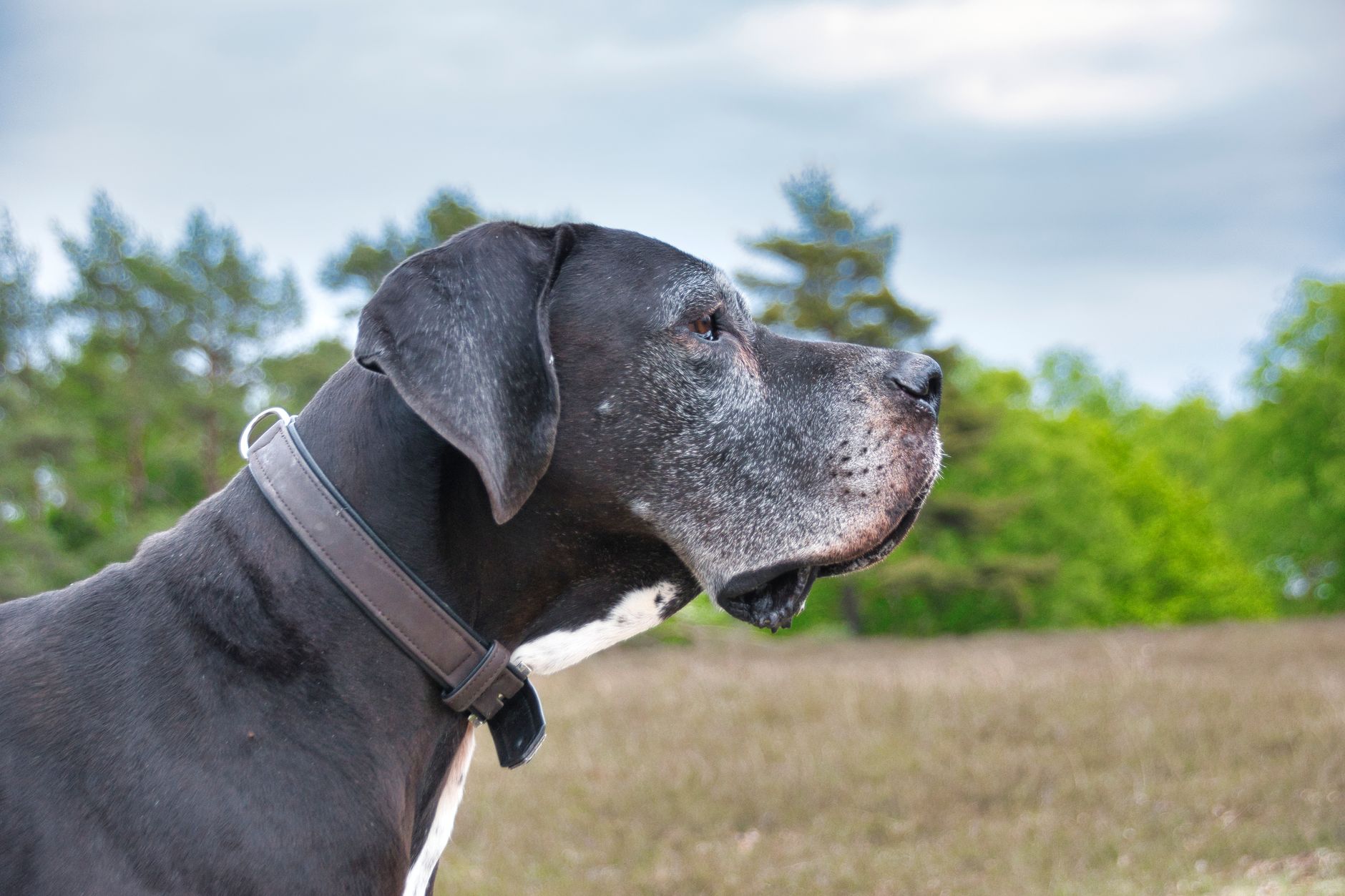
You might expect a dog of this massive size to possess an equally booming presence, but Great Danes are remarkably quiet. In my experience, these gentle giants prefer to communicate through expressive sighs, groans, and intense eye contact rather than vocal outbursts.
They are generally calm, relaxed indoor companions once they outgrow their energetic puppy phase.
As a veterinarian, I must emphasize that while their lack of barking makes them excellent apartment candidates, their sheer physical size presents unique clinical challenges. Great Danes are highly prone to Gastric Dilatation-Volvulus (GDV), commonly known as bloat, which is a life-threatening medical emergency.
I always advise my clients to discuss prophylactic gastropexy surgery to prevent this condition.
- Communication Style: Heavy sighs, soft whimpers, and physical leaning are their primary means of expression.
- Activity Level: Surprisingly low energy indoors, making them great for quiet, spacious households.
- Medical Alert: High risk of GDV (bloat) and orthopedic issues like hip dysplasia; preventative care is critical.
3. The Cavalier King Charles Spaniel: Soft-Spoken Sweetness
For clients seeking a smaller companion who won’t raise the neighborhood’s alarm, I frequently suggest the Cavalier King Charles Spaniel. These dogs were bred strictly for companionship, and their natural demeanor is incredibly gentle and quiet.
They rarely bark unless they are highly startled or suffer from severe separation anxiety.
In my clinical practice, I see these dogs thrive in calm, attentive environments. Because they form such deep bonds with their owners, they can become shadow-like.
This intense attachment means they do not tolerate being left alone for long periods, which can sometimes manifest in quiet whimpering rather than loud barking.
- Temperament: Inherently gentle, eager to please, and highly empathetic to human emotions.
- Vocal Trigger: Usually restricted to minor alert whimpers when someone arrives at the door.
- Clinical Warning: Over 90% of Cavaliers show signs of Mitral Valve Disease (MVD) by age ten. Annual cardiac auscultation is mandatory.

4. The Whippet: Gentle and Serene
Whippets are elegant, medium-sized sighthounds that seem to carry an aura of absolute tranquility. On my exam table, they are almost always silent, shivering slightly from nervousness rather than vocalizing their distress.
They are incredibly clean, odor-free, and spend the vast majority of their day sleeping on the softest couch they can find.
Because they hunt by sight rather than scent, they were bred to run down prey in silent, high-speed chases. Barking would only alert their quarry, so this behavior was systematically bred out of them.
They do, however, have a strong prey drive and will bolt after small animals without a single warning bark.
- Behavior: Extremely quiet indoors, often sleeping up to 18 hours a day in comfortable spots.
- Vocalization: Rarely bark, even when strangers approach, making them poor guard dogs but excellent quiet companions.
- Clinical Care: Thin skin and low body fat mean they tear skin easily and are highly sensitive to cold temperatures and certain anesthetics.

5. The Shiba Inu: Fastidious and Reserved
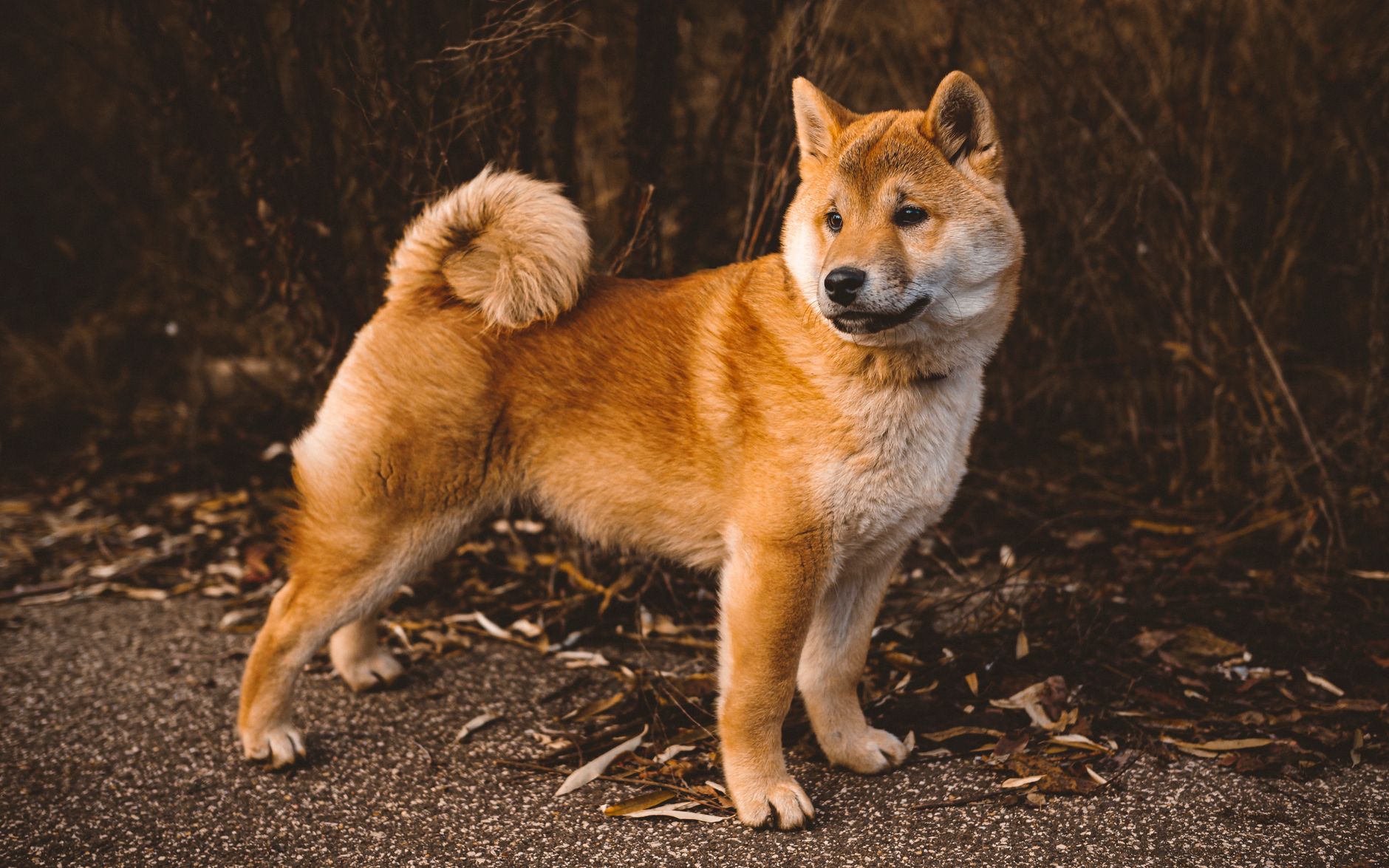
The Shiba Inu is a bold, independent breed from Japan that is notoriously quiet in daily life. I often describe them to my clients as ‘cat-dogs’ due to their fastidious grooming habits and aloof nature.
They do not waste energy on frivolous barking and will typically observe household activities in silent, dignified contemplation.
However, any veterinarian will tell you about the famous ‘Shiba Scream.’ When a Shiba is displeased—such as during a nail trim or a vaccine administration—they emit a blood-curdling, high-pitched scream that can be heard down the block. While they rarely bark, their vocal dramatic flair is unmatched when their personal boundaries are crossed.
- Dignified Silence: Day-to-day life is remarkably quiet; they do not bark at passing cars or minor noises.
- The Shiba Scream: A unique vocalization reserved for intense displeasure, fear, or dramatic protest.
- Clinical Tip: Early, intensive socialization and cooperative veterinary care training are vital to manage their stubborn streaks.
6. The Borzoi: Gentle Giant of the Sighthound World
The Borzoi is a stunningly beautiful, large sighthound that exudes a quiet, aristocratic grace. In my years of treating this breed, I have rarely heard one bark in the clinic, even when surrounded by noisy, anxious patients.
They are exceptionally laid-back indoors and prefer to lounge in quiet corners, acting more like giant cats than dogs.
While their peaceful nature is a massive benefit for quiet households, their physical requirements are demanding. They need safe, fenced areas to sprint, as their instinct to chase is incredibly powerful.
As with other deep-chested giant breeds, we must pay close attention to their digestive health and joint care as they age.
- Quiet Demeanor: Exceptionally polite and rarely vocalizes, even during play or greeting.
- Indoor Behavior: Peaceful, independent, and highly respectful of household boundaries.
- Clinical Watchout: Highly sensitive to barbiturate anesthetics due to low body fat; require experienced veterinary handling.
Veterinary Intervention for Sudden Barking Behavior
What happens when a traditionally quiet breed suddenly starts barking excessively? In my clinical experience, a sudden change in vocalization patterns is often a primary red flag for underlying medical issues.
Pain, sensory decline, and cognitive dysfunction are common culprits that require a thorough veterinary workup.
Before assuming a barking issue is purely behavioral, I always run a full diagnostic panel. We evaluate joint pain, check dental health, and perform blood work to rule out endocrine disorders.
If your quiet dog has suddenly found their voice in an annoying way, consult your veterinarian immediately.
- Rule Out Pain: Osteoarthritis, dental disease, or internal pain can cause a dog to vocalize in distress.
- Sensory Loss: Vision loss or hearing impairment can leave a senior dog feeling disoriented and prone to barking.
- Cognitive Dysfunction: Senior dogs may suffer from canine dementia (CDS), leading to night-time vocalizations and confusion.
Addressing Separation Anxiety Early
Even naturally quiet breeds can develop severe separation anxiety if not properly conditioned. This manifests as destructive behavior, elimination issues, and mournful howling or whimpering when left alone.
- Establish a consistent daily routine to build predictability.
- Use high-value puzzle toys strictly during owner departures.
- Consult your vet about short-term behavioral medications if environmental changes fail.
Frequently Asked Questions
Are quiet dog breeds easier to train?
Not necessarily. Many quiet breeds, like the Basenji or Shiba Inu, are highly independent and stubborn, meaning they require consistent, positive reinforcement rather than traditional repetitive training.
Why is my usually quiet dog suddenly barking at night?
Sudden nighttime barking in older dogs often points to Canine Cognitive Dysfunction (dementia) or pain from conditions like osteoarthritis. It is crucial to have your veterinarian perform a full physical and neurological assessment to identify the root cause.
Do quiet dogs make good guard dogs?
Generally, no. Breeds that rarely bark, like Whippets or Borzois, lack the natural guarding instinct to alert owners to intruders. They are more likely to watch a stranger silently or seek a quiet place to hide.
Can you train a naturally loud breed to be silent?
While you can significantly reduce nuisance barking through consistent positive reinforcement and environmental management, you cannot entirely change a dog’s genetic predisposition. Breeds like Beagles or Huskies will always have an instinctual drive to vocalize.
Is a ‘barkless’ dog completely silent?
No, there is no such thing as a completely silent dog. Even the ‘barkless’ Basenji produces yodels, whines, and high-pitched screams when they are excited, frustrated, or frightened.
Does spaying or neutering reduce barking?
Spaying or neutering can reduce certain hormone-driven behaviors, such as territorial barking or roaming-related vocalization, but it is not a cure-all for general barking caused by boredom, fear, or genetics.
Sources & Further Reading
Final Thoughts
Choosing a quiet dog breed can bring immense peace to your household, but it is vital to look at the entire clinical and behavioral picture. A breed’s low vocalization levels should never override their exercise, grooming, or veterinary healthcare needs.
As a veterinarian, my goal is always to help you find a pet that fits both your lifestyle and your ability to provide proper medical care. Remember that every dog is an individual, and early socialization, mental enrichment, and regular veterinary checkups are the true foundations of a happy, quiet home.
If you are struggling with a vocal pet, never hesitate to reach out to your local veterinary clinic for guidance and support.