
Quick Summary
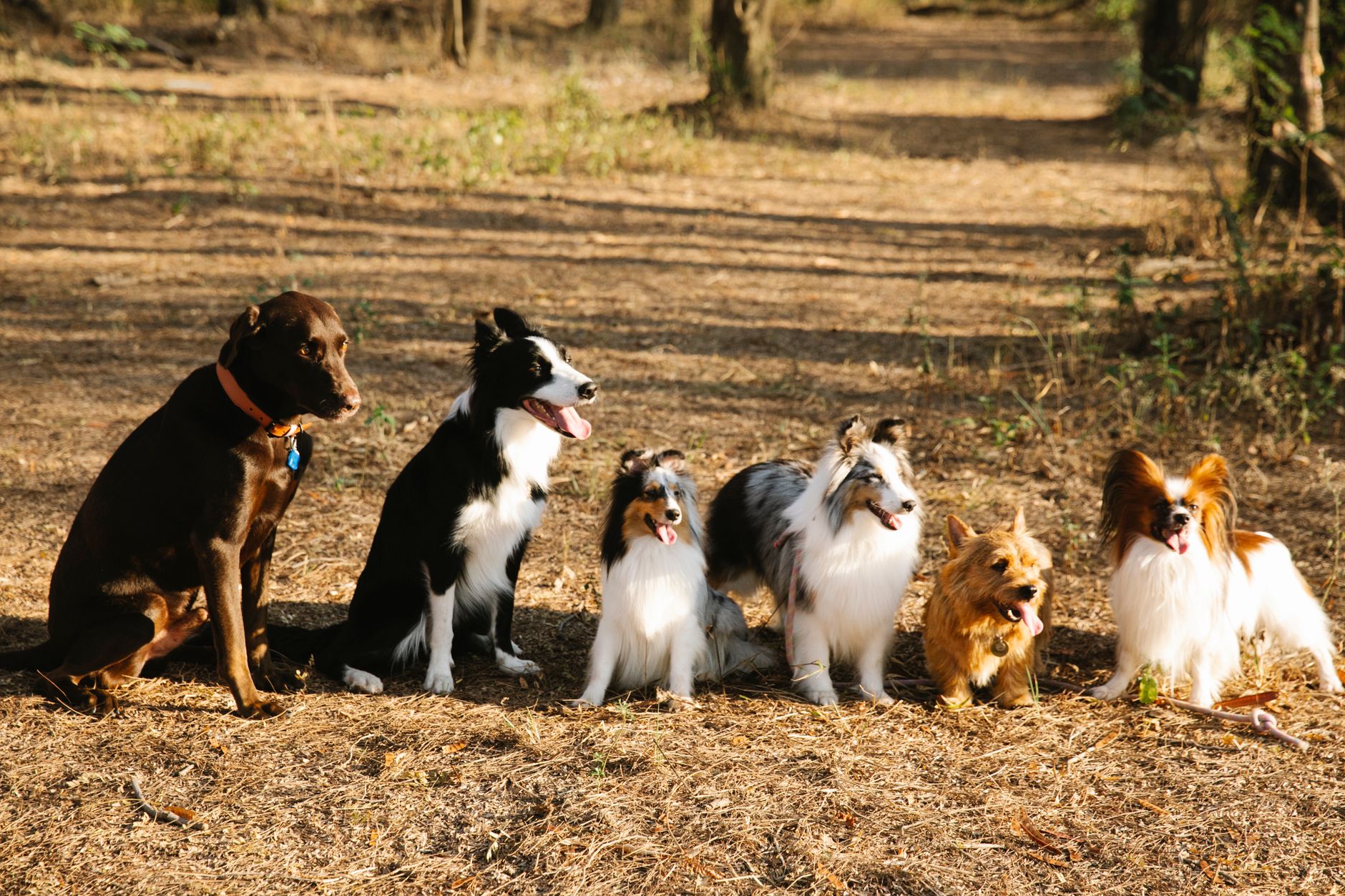
Creating a peaceful multi-dog home starts with selecting breeds with low dog-on-dog aggression and cooperative pack histories. Dr. Veronica Heller highlights breeds like Labrador Retrievers, Beagles, and Cavalier King Charles Spaniels as outstanding multi-dog choices. However, proactive management and structured introductions are just as vital as genetics for household harmony.
As an Amazon Associate, we earn from qualifying purchases.
Popular with dog owners: Dog Bed · Calming Chews · Training Treats
In my clinical practice, I frequently consult with dedicated pet owners who want to expand their canine families. It is a beautiful sentiment, but adding a second or third dog can backfire if you do not select the right breed temperament.
Over the years, I have treated many multi-dog injuries resulting from poor behavioral match-ups and severe resource guarding. Choosing a breed historically bred for cooperative pack work or highly social environments is the safest way to ensure domestic harmony.
Key Takeaways
- Select breeds with historic pack-hunting or group-working backgrounds for better natural sociability.
- Match energy levels and play styles rather than just physical size to prevent frustration-based friction.
- Introduce new dogs slowly on neutral outdoor territory to prevent territorial aggression.
- Separate dogs during feeding times to eliminate food-related resource guarding.
- Provide designated safe zones, like individual crates, where each dog can escape tension.
- A dog’s individual socialization history always tempers its genetic breed predispositions.
In This Article
- 1. The Golden Retriever: The Gold Standard of Socialization
- 2. The Labrador Retriever: The Adaptable Pack Player
- 3. The Cavalier King Charles Spaniel: The Gentle Companion
- beagle-the-cooperative-pack-hound”>4. The Beagle: The Cooperative Pack Hound
- boxer-the-energetic-playmate”>5. The Boxer: The Energetic Playmate
- 6. The Basset Hound: The Easygoing Coexister
- 7. The Great Dane: The Gentle Giant of the Pack
- 8. Clinical Strategies for Multi-Dog Harmony
1. The Golden Retriever: The Gold Standard of Socialization
In my years treating Golden Retrievers, I have found them to be the gold standard for multi-dog homes. They possess an innate, breeding-derived desire to please and rarely exhibit dominant or territorial behaviors toward other dogs.
What I see most often in practice is their incredible patience during play. Even when a younger, more energetic dog pushes their boundaries, a Golden will usually respond with a gentle roll-over or a soft warning.
Their high threshold for frustration makes them ideal companions for both puppies and senior dogs.
- Extremely low incidence of dog-directed aggression in clinical behavioral studies.
- Excellent at reading and respecting the subtle body language of other canine companions.
- Eager to share communal toys and space with minimal resource guarding behavior.
- Highly responsive to positive reinforcement training during multi-dog integration.
Health and Compatibility Considerations
While highly social, Goldens are genetically prone to hip dysplasia. Ensure their playmates do not constantly wrestle or put excessive physical strain on their joints during peak growth phases.
Bedsure Calming Donut Dog Bed, 30 in
- ✓Raised rim supports head and neck
- ✓Extra-fluffy faux fur
- ✓OEKO-TEX certified materials; washable
- A comfortable bed of their own gives your dog a calm place to rest and keeps them off the sofa

2. The Labrador Retriever: The Adaptable Pack Player
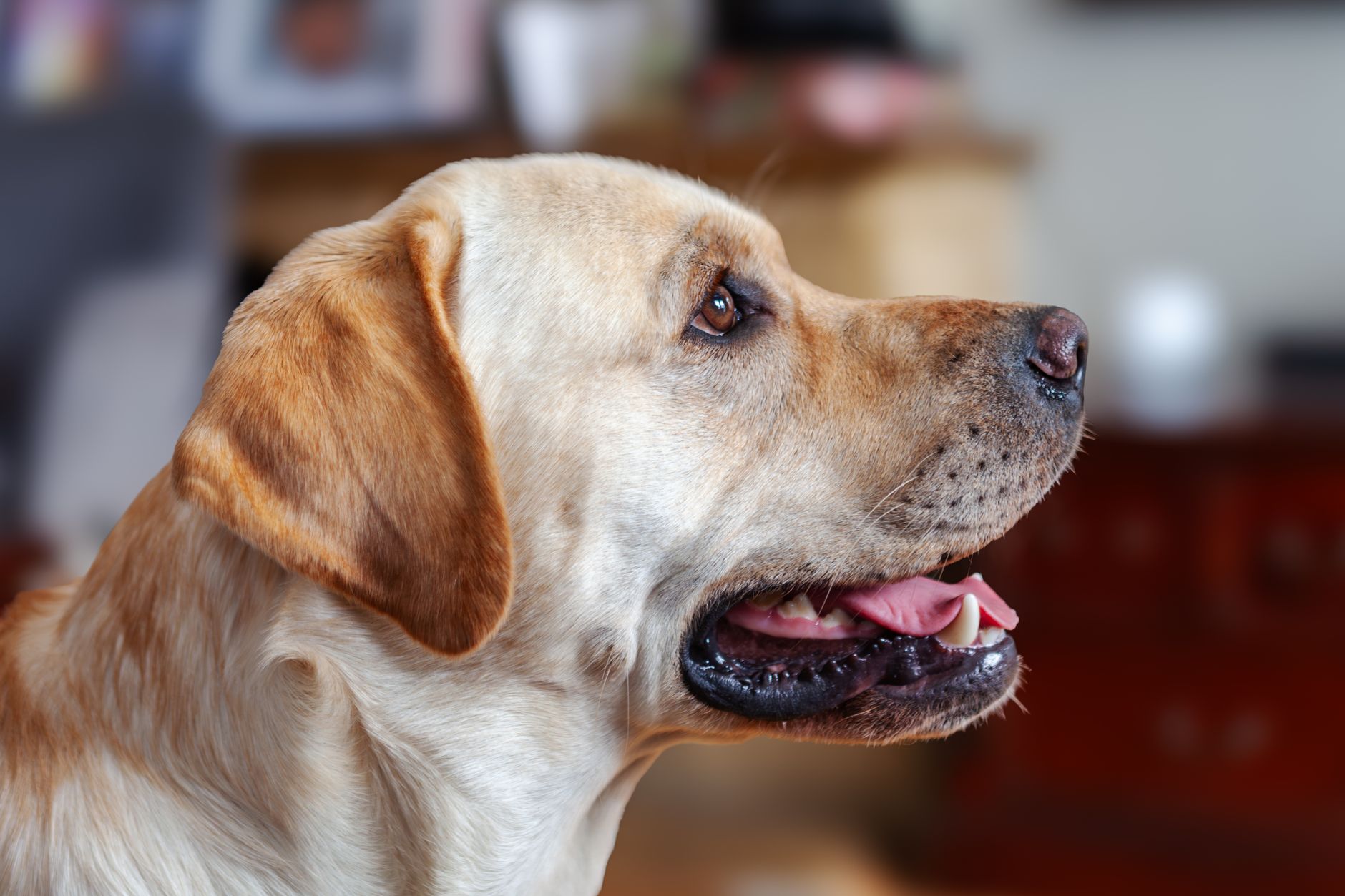
Labrador Retrievers are the most popular breed in America for a reason, especially in multi-pet households. Historically bred to work closely alongside hunters and other dogs, their pack drive is highly cooperative.
I always tell my clients that Labs thrive on shared activities. Whether it is retrieving balls together or swimming, they enjoy the company of another active dog.
This shared energy outlet actually reduces the anxiety and destructive behaviors I often treat in single-dog homes.
- Naturally outgoing and highly adaptable to changing household pack dynamics.
- Work-oriented mindset that reduces petty, boredom-induced territorial disputes.
- Robust physical build that allows them to play safely with other large breeds.
- Usually highly food-motivated, making group training and boundary setting much easier.
Managing the Lab’s High Food Drive
Because Labs are notoriously food-driven, separate feeding areas are an absolute must. I frequently treat Labs for obesity and injuries sustained during food stealing incidents.
3. The Cavalier King Charles Spaniel: The Gentle Companion
If you prefer smaller breeds, the Cavalier King Charles Spaniel is an absolute gem for a multi-dog setup. Unlike many toy breeds that can be anxious or defensive of their owners, Cavaliers are incredibly sweet-tempered.
In my clinic, I often see Cavaliers acting as the soothing presence in a chaotic home. They are comforting to older dogs and gentle enough not to intimidate smaller puppies.
Their lack of a strong prey drive means they also cohabitate beautifully with cats and other small pets.
- Extremely low risk of dog-on-dog territorial or dominance-based aggression.
- Highly affectionate and willing to share sleeping areas or crates with other dogs.
- Adapts well to both high-energy play and quiet, sedentary seniors.
- Rarely barks excessively, which prevents elevating the arousal and stress levels of other pets.
Sizing Your Pack Safely
Because Cavaliers are delicate, avoid pairing them with highly boisterous, heavy giant breeds. Accident-related injuries, like corneal ulcers or joint strains, can happen during rough, unsupervised play.

4. The Beagle: The Cooperative Pack Hound
Beagles are classic pack hounds, genetically hardwired to live and work in large, cooperative groups. This genetic heritage makes them exceptionally comfortable sharing space, resources, and human attention with other canines.
Calming Chews for Dogs with Melatonin, 200 Count
- ✓Soft chews to ease anxiety
- ✓Chicken flavor dogs like
- ✓Useful for storms, fireworks and travel
- Calming chews help take the edge off stressful moments like storms, fireworks and car rides
What I see most often in practice is that Beagles actively dislike being alone. Having a second dog in the home is one of the best preventative measures for separation anxiety in this breed.
They view other dogs as natural extensions of their family unit.
- Schooled pack mentality prevents serious hierarchy disputes in the home.
- Highly communicative vocalizations and posture help other dogs easily understand their intentions.
- Great physical endurance for long group walks and outdoor sniffing sessions.
- Very forgiving of clumsy puppy behaviors or pushy playmates.

5. The Boxer: The Energetic Playmate
For owners who want an active, high-energy multi-dog household, the Boxer is a fantastic choice. They are known as the clowns of the dog world, and they play with a unique paws-on, upright style that other active dogs love.
However, I always caution owners that Boxers need a playmate who matches their physical style. Pairing a Boxer with a fragile or highly sensitive breed can lead to accidental injuries or stress.
But when paired with another high-energy dog, they will happily wear each other out.
- Incredibly playful nature that keeps other dogs active and mentally stimulated.
- Strong desire for physical contact, often sleeping piled up together with other dogs.
- Highly protective of their pack without being overtly aggressive to housemates.
- Thrives on interactive, cooperative games like chase and tug-of-war.
Matching the Play Style
Ensure your Boxer’s companion is comfortable with paws-up, physical wrestling. Breeds like Labradors, Golden Retrievers, or other Boxers are perfect matches.

6. The Basset Hound: The Easygoing Coexister
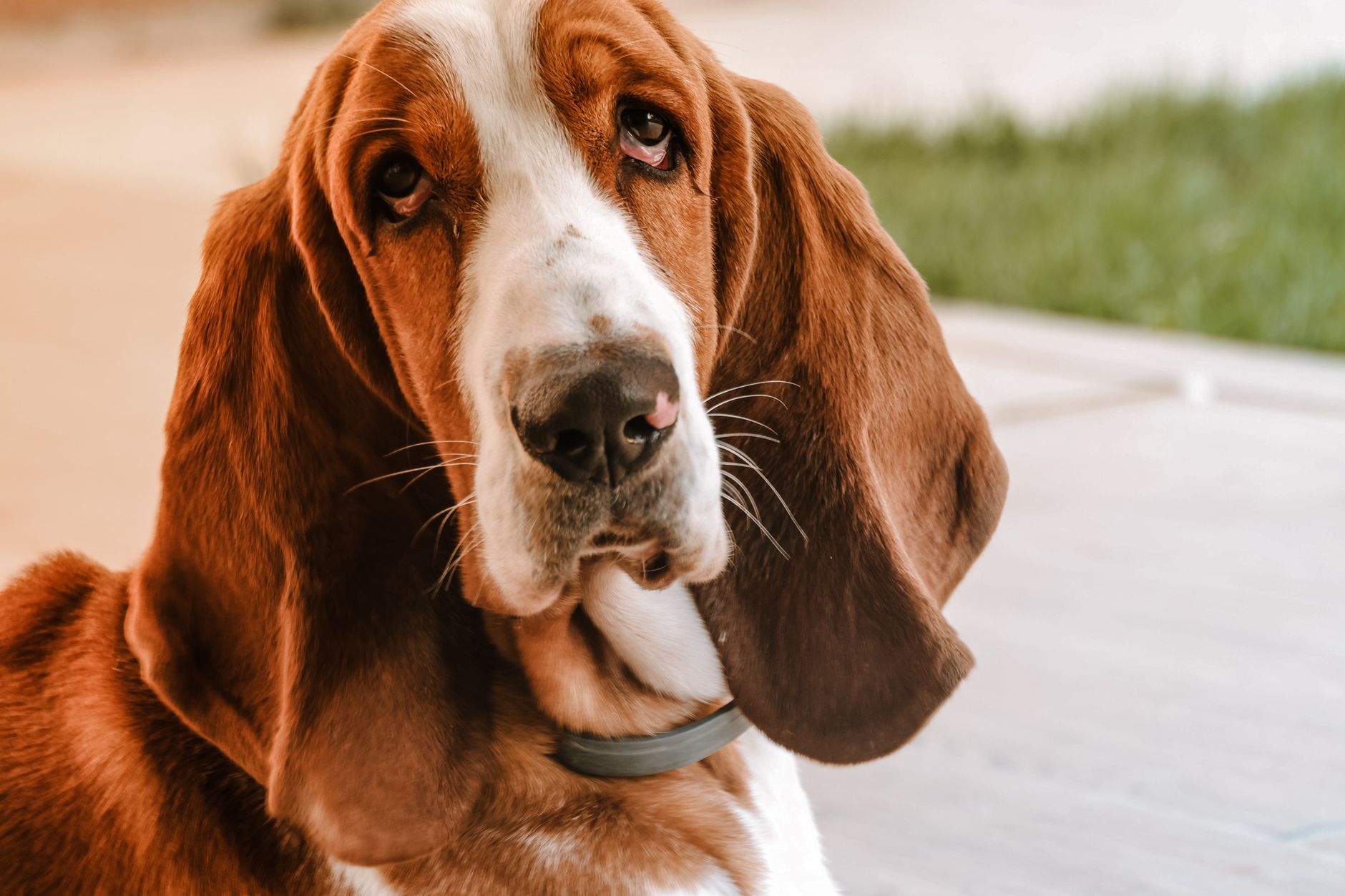
On the opposite end of the energy spectrum is the Basset Hound. If you already have a laid-back dog and want to add another without disrupting the peace, the Basset is perfect.
In my clinical experience, Bassets are simply too easygoing to care about dominant positions or territory. They are happy to share the couch, the floor, and the affection of their humans.
Their slow-paced approach to life acts as a natural sedative for more anxious dogs in the home.
- Extremely low energy levels minimize competitive tension in the house.
- Highly tolerant of other dogs bumping into them or sharing their space.
- Historic pack-hunting background makes them naturally social with other hounds.
- Rarely displays food or toy guarding behavior compared to high-strung breeds.
Spinal and Joint Care in the Pack
Bassets have long backs and short legs, making them prone to intervertebral disc disease (IVDD). Prevent other dogs from jumping on their backs during rough play.
7. The Great Dane: The Gentle Giant of the Pack
Many people are shocked when I recommend Great Danes for multi-dog homes because of their immense physical size. However, these gentle giants are incredibly polite, calm, and cooperative when properly socialized.
They tend to have a very stable, unshakeable temperament. In my practice, I find that Great Danes rarely feel threatened by smaller dogs, which prevents defensive aggression.
They are content to lounge around the house, occupying a large dog bed while smaller dogs curl up next to them.
- Naturally gentle disposition with a very low tendency for reactivity.
- Highly affectionate and deeply bonded to all members of the household pack.
- Generally quiet and lazy indoors, which reduces household chaos.
- Responds exceptionally well to clear, consistent household boundaries and basic obedience.
8. Clinical Strategies for Multi-Dog Harmony
Even if you select the most cooperative breed on this list, successful multi-dog living requires active management. As a vet, I see far too many avoidable injuries caused by sudden introductions or resource competition.
You must treat each dog as an individual and set clear, consistent boundaries from day one. Do not expect them to ‘figure it out on their own,’ as this often leads to physical conflict and chronic psychological stress.
- Introduce new dogs on neutral outdoor territory, like a quiet park, on loose leashes.
- Feed your dogs in completely separate rooms or crates to eliminate food-related aggression.
- Provide individual high-value items, like chew bones, only when dogs are physically separated.
- Ensure each dog has a designated safe space, like a crate, where others cannot bother them.
- Spend individual, one-on-one time training and bonding with each dog weekly to prevent jealousy.
Recognizing Subtle Signs of Stress
Watch for lip-licking, yawning, looking away, or stiffening of the body when dogs are near each other. Intervene immediately before these escalate into a fight.
-
Zuke’s Mini Naturals Training Treats, Peanut Butter & OatsSmall, soft treats are quick to eat, so you can reward the right moment and keep training sessions moving
-
Multipet Lamb Chop Plush Dog ToyA mix of fetch, tug and squeaky toys keeps playtime varied and your dog engaged
-
Purina Pro Plan Sensitive Skin & Stomach Dog Food, SalmonA complete, balanced diet matched to your dog’s size and age is the foundation of a healthy coat, gut and energy level
Related Dog Guides
Frequently Asked Questions
Is it better to get a male and a female dog, or two of the same sex?
Generally, male-female pairings have the lowest rate of severe inter-dog aggression. Same-sex pairings, particularly female-female, can sometimes result in more intense, long-lasting territorial disputes, though early socialization can mitigate this.
How do I prevent resource guarding between my dogs?
Feed your dogs in separate rooms and pick up high-value toys or bones when you are not actively supervising them. If a dog growls or stiffens over an item, do not punish them; instead, separate them and consult a professional veterinary behaviorist.
What is the ideal age difference when adding a second dog?
I usually recommend waiting until your first dog is at least 1 to 2 years old and fully trained before adding a puppy. This ensures the older dog can serve as a well-behaved role model rather than amplifying puppy chaos.
Can a large dog and a toy breed safely live together?
Yes, but it requires strict supervision and careful management. Even a friendly giant breed can accidentally injure a toy dog during normal play, so separate them when you are not home to supervise.
How long does it take for dogs to adjust to each other?
The adjustment period typically takes anywhere from two weeks to three months. Be patient, stick to a predictable routine, and do not rush face-to-face interactions.
Should I let my dogs ‘fight it out’ to establish a pack order?
Absolutely not. This is an outdated and dangerous myth that can lead to severe injuries and permanent fear or resentment between your pets. Always intervene and redirect tense situations before they escalate.
Sources & Further Reading
Final Thoughts
Bringing a new dog into your home is a major milestone, but choosing a breed with a cooperative, social genetic history sets you up for long-term success. In my clinical career, I have seen that the most peaceful homes are those where owners match energy levels, supervise resources, and respect individual canine boundaries.
Remember that genetics provide the foundation, but consistent training and positive reinforcement build the structure of a peaceful household. If you are ever struggling with household tension, do not hesitate to reach out to your veterinarian or a certified behaviorist early.
Taking proactive steps can prevent minor behavioral friction from becoming a serious medical or safety emergency.