
Pembroke Welsh Corgi vs Cardigan Welsh Corgi: Key Differences Explained
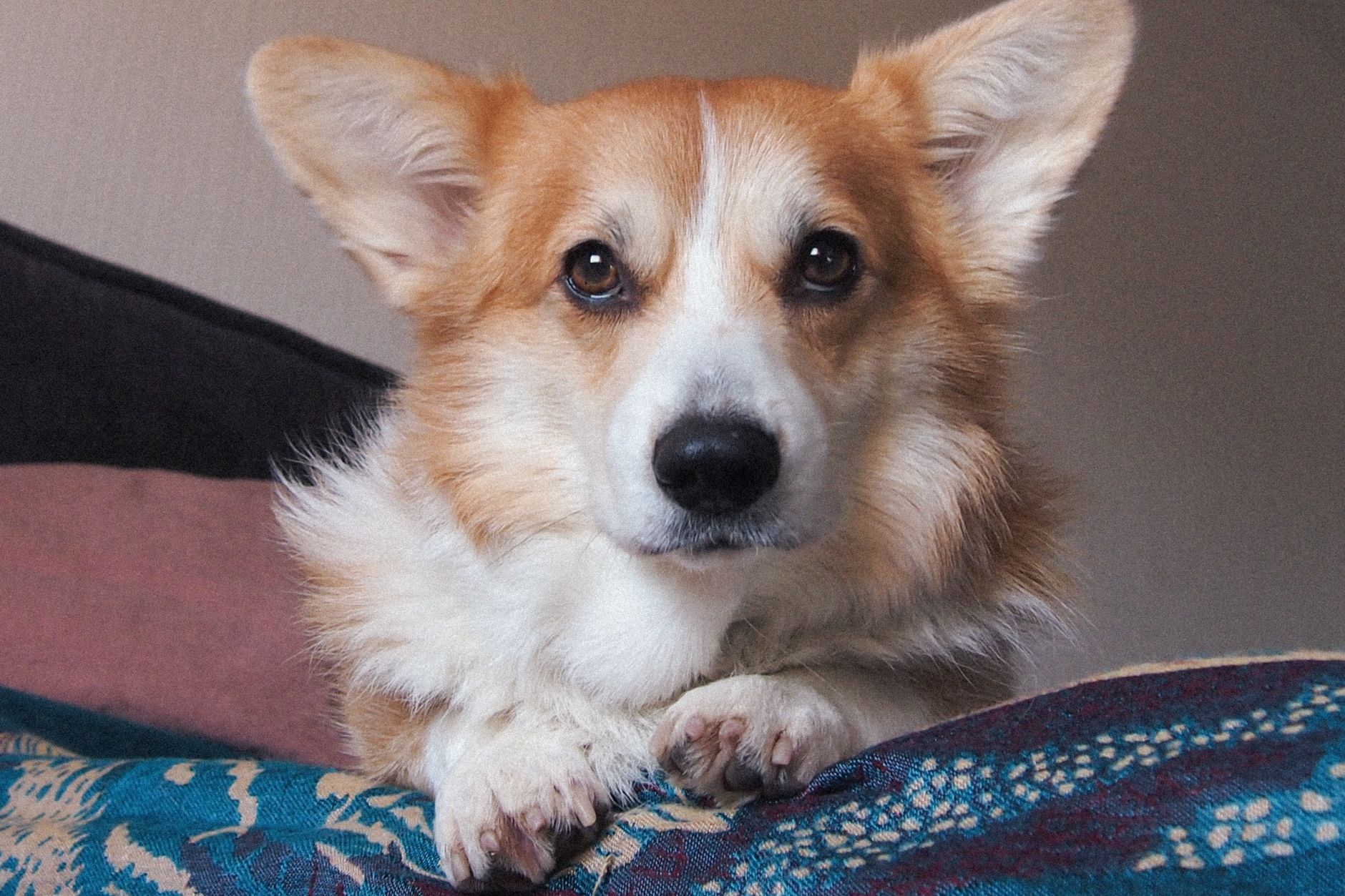 Pembroke Welsh Corgi vs Cardigan Welsh Corgi: Key Differences Explained” loading=”lazy”>
Quick Summary
While they look similar at first glance due to their shared dwarfism, Pembroke and Cardigan Welsh Corgis are entirely separate breeds with completely different ancestral origins. Cardigans are older, heavier-boned, possess long tails and rounded ears, and have a reserved, analytical temperament. Pembrokes are lighter-boned, typically tailless, have pointed ears, and are highly social, outgoing dogs with a distinct genetic health profile.
As an Amazon Associate, we earn from qualifying purchases.
Popular with dog owners: Pet Hair Remover · Slicker Brush · Dog Stairs
As a practicing veterinarian, I see dozens of Corgis walk through my clinic doors every single month. Yet, I am always surprised by how many of my clients do not realize that the ‘Corgi’ is actually two entirely separate breeds.
Whether you are trying to decide which breed fits your family or you simply want to understand your own dog better, recognizing these differences is critical.
Let me share what I have learned from years of clinical exams, orthopedic evaluations, and behavioral assessments to help you understand these two distinct companions.
Key Takeaways
- Cardigan Welsh Corgis are an ancient breed dating back over 3,000 years, while Pembrokes were developed much later.
- The easiest visual identifier is the tail: Cardigans have a long, fox-like tail, while Pembrokes are typically tailless or docked.
- Cardigans possess heavier bone structure, larger rounded ears, and a slightly curved, bowed front leg assembly.
- Pembrokes tend to be outgoing, social, and high-energy, whereas Cardigans are more reserved, analytical, and watchful.
- Both breeds are chondrodysplastic (dwarfed), making them highly prone to Intervertebral Disc Disease (IVDD) and spinal stress.
- Pembrokes have a much higher genetic predisposition to Degenerative Myelopathy (DM) than Cardigans.
In This Article
- The Ancient Roots: Two Entirely Different Ancestral Lines
- The Tell-Tale Differences: Tails, Ears, and Outlines
- Orthopedic Differences: The Chondrodysplastic Skeletal Structure
- Temperament on the Exam Table: Socialites vs. Guardians
- Veterinary Watchlist: Key Health Differences and Screenings
- Managing the Double Coat: Grooming and Skin Health
- Lifestyle and Exercise Requirements
- Choosing Your Match: Which Corgi Fits Your Household?
The Ancient Roots: Two Entirely Different Ancestral Lines
When clients bring their new puppies in, they often assume Pembrokes and Cardigans are color variations of the same dog. In reality, their genetic lines parted ways thousands of years ago.
They do not even share the same ancestral family tree. Cardigan Welsh Corgis are descended from the ancient Teckel line, which brought them to Wales with Celtic tribes around 1200 BC.
This makes them close cousins to the Dachshund. Pembrokes, on the other hand, arrived around 1107 AD with Flemish weavers, descending from the Spitz family alongside breeds like the Pomeranian and Samoyed.
- ✓Reusable, no sticky tape
- ✓See-through bin shows when to empty
- ✓Secure latch for easy emptying
- Lifts embedded fur from sofas, car seats and clothes in a few quick strokes

The Tell-Tale Differences: Tails, Ears, and Outlines
On a daily basis in my practice, the quickest way I identify these breeds is by looking at their physical silhouettes. There are distinct morphological features that set them apart instantly, even from across the waiting room.
While many people focus solely on the tail, the ears and overall head structure are equally telling. Let us break down these key physical markers so you can spot them yourself.
- Tails: Cardigans sport a long, full, low-set tail that resembles a fox’s brush. Pembrokes are genetically docked or born with a natural bobtail.
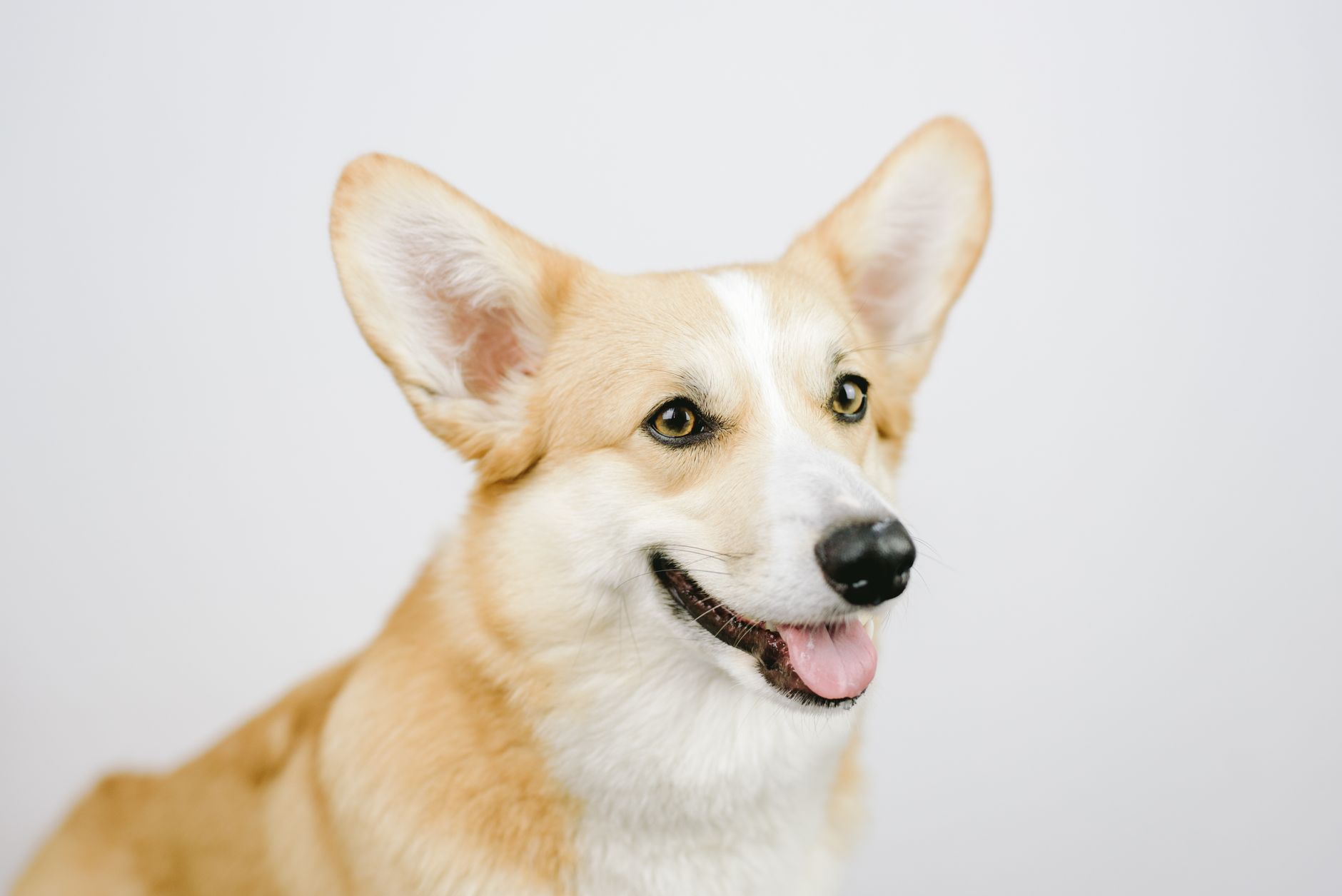
- Ears: Cardigan ears are larger, rounded at the tips, and set wider apart. Pembroke ears are smaller, more pointed, and erect.
- Silhouettes: Cardigans have a longer, more sloping rump. Pembrokes have a squarer, more compact rear-end shape.
- Weight and Size: Cardigans are heavier-boned, with males weighing up to 38 pounds. Pembrokes are lighter, usually capping out at 30 pounds.

Orthopedic Differences: The Chondrodysplastic Skeletal Structure
As a vet, I pay incredibly close attention to skeletal structure, especially in dwarf breeds. Both of these breeds are chondrodysplastic, meaning they possess the gene for short limbs.
However, their structural engineering is quite different. This structural difference affects how they carry weight and how their joints wear over time.
The Cardigan’s Bowed Front
Cardigans have a heavier bone structure with front legs that curve slightly inward around the chest, known as a ‘wrap-around’ front. This structure distributes their weight across a wider base but puts unique stress on the wrists.
The Pembroke’s Straighter Line
Pembrokes are lighter-boned with much straighter front legs. Their paws should point straight forward rather than flaring outward, which creates a more uniform, vertical load distribution.

Temperament on the Exam Table: Socialites vs. Guardians
From a clinical perspective, behavioral differences become highly apparent during vet visits. A dog’s breed history dictates how they perceive strangers, handling, and novel environments.
In my exam room, I adjust my approach completely depending on which Corgi is on my table. Their core temperaments require different styles of communication and socialization.
Qbily Pet Hair Remover 2nd Gen, 3 Pack
- ✓Rubber-edge scraper lifts fur from carpets and couches
- ✓Works on furniture, rugs and car seats
- ✓3 tools in a pack
- Lifts embedded fur from sofas, car seats and clothes in a few quick strokes
- Pembroke Social Drive: Pembrokes are the life of the party, highly social, and generally eager to please strangers immediately.
- Cardigan Caution: Cardigans are analytical watchdogs who prefer to assess a situation before engaging. They are fiercely loyal but naturally reserved with strangers.
- Vocal Tendencies: Both breeds will bark, but Pembrokes tend to use their voice more frequently to communicate excitement or impatience.
- Work Ethic: Cardigans tend to have a slightly more focused, serious working drive, whereas Pembrokes bring a more playful, hyper-focused energy to tasks.

Veterinary Watchlist: Key Health Differences and Screenings
While both breeds suffer from the structural liabilities of a long back and short legs, they carry different genetic risks. When I evaluate these dogs, I run specific diagnostic tests depending on their breed.
Preventative medicine is the key to longevity for both breeds. Here is what I screen for most frequently in my clinical practice.
- Degenerative Myelopathy (DM): Pembrokes are highly prone to this progressive, painless spinal cord disease. I always recommend genetic testing for the SOD1 gene mutation.
- Intervertebral Disc Disease (IVDD): Both breeds are high-risk due to their long backs. I counsel all owners on preventing jumps from high furniture.
- Hip Dysplasia: Because Cardigans carry more weight on their front-heavy frame, their hips must be carefully monitored. Pembrokes also suffer from dysplasia but often present differently.
- Eye Conditions: Pembrokes are predisposed to Cataracts and Progressive Retinal Atrophy (PRA). Cardigans require screening for PRA as well as Persistent Pupillary Membranes (PPM).
Managing the Double Coat: Grooming and Skin Health
Do not let their small size fool you; both breeds possess a dense double coat that sheds continuously. In my clinic, I frequently treat Corgis for skin issues related to improper grooming and trapped moisture.
Without proper coat maintenance, their dense undercoats can mat close to the skin. Here is my clinical advice for managing their grooming needs.
- The Twice-Yearly Blowout: Both breeds shed heavily year-round, but ‘blow’ their undercoats completely twice a year, requiring daily brushing.
- Grooming Tools: I recommend using an undercoat rake and a slicker brush rather than relying solely on de-shedding blades, which can cut the topcoat.
- Bathing Guidelines: Never bathe a Corgi without thoroughly drying them. Their dense undercoat can hold moisture for hours, leading to yeast dermatitis.
- Weight and Coat Health: A dull, dry coat can be an early indicator of poor nutrient absorption or systemic issues like hypothyroidism, which I see in aging Pembrokes.

Lifestyle and Exercise Requirements
Many of my clients choose a Corgi thinking they are low-energy lapdogs because of their short legs. This is a massive misconception that often leads to behavioral issues like destructive chewing and reactivity.
These are historical herding dogs built to drive cattle all day. They require dedicated daily exercise and mental stimulation to keep their active minds and bodies healthy.
- Daily Activity Target: Plan for at least 45 to 60 minutes of active exercise daily, combining walks with structured play.
- Mental Enrichment: Use puzzle feeders, snuffle mats, and nosework games to tire out their highly intelligent working brains.
- Impact Avoidance: Avoid high-impact agility or jumping activities until their growth plates have fully fused, typically around 12 to 18 months of age.
- Weight Management: Because of their long spines, carrying even one extra pound puts dangerous stress on their vertebrae. Keep your Corgi at a lean body condition score of 4 or 5 out of 9.
Choosing Your Match: Which Corgi Fits Your Household?
Choosing between a Pembroke and a Cardigan comes down to matching their unique temperaments to your daily routine. Both are incredibly rewarding companions, but they demand different styles of leadership.
If you prefer a social, outgoing dog that loves being the center of attention, the Pembroke is likely your match. If you want a quiet, loyal, and more watchful companion, look to the Cardigan.
- The Busy City Family: Pembrokes often adapt faster to busy urban environments with high foot traffic and constant social interactions.
- The Quiet Suburban/Rural Household: Cardigans thrive in calmer environments where they can monitor their territory without constant sensory overload.
- The Multi-Pet Home: Pembrokes generally integrate quickly with other dogs, while Cardigans may require a slower, more structured introduction phase.
-
Pecute Skin-Friendly Self-Cleaning Slicker BrushFine wire pins lift loose undercoat and work out small tangles before they turn into mats
-
3-Step Pet Stairs for Small Dogs and CatsPet stairs save small, senior and long-backed dogs from jumping on and off beds and sofas
-
PetNC Natural Care Hip & Joint Soft ChewsGlucosamine and chondroitin chews support cartilage and mobility, especially in large, senior and dysplasia-prone dogs
Related Dog Guides
Frequently Asked Questions
Are Pembroke and Cardigan Corgis the same breed?
No, they are entirely separate breeds with distinct genetic origins, skeletal structures, and temperaments. While they look similar at first glance due to their dwarfism, Cardigans are descended from the ancient Teckel line, while Pembrokes come from the Spitz family.
Why do Pembroke Corgis not have tails?
Historically, Pembrokes had their tails docked to avoid injuries while working as cattle drovers, and to avoid historic luxury dog taxes. Today, some are born with natural bobtails due to a specific gene mutation, but most are docked shortly after birth in countries where the practice is legal.
Which Corgi breed is healthier?
Both breeds are relatively hardy but face structural challenges like IVDD due to their dwarfism. Pembrokes have a higher genetic predisposition to Degenerative Myelopathy (DM), while Cardigans are slightly more prone to certain eye conditions and heavy-bone joint strain.
Do Cardigan Corgis shed more than Pembrokes?
Both breeds possess a dense double coat and shed a similar, substantial amount year-round, with heavy seasonal blowouts. The volume of hair shed is comparable, though a Cardigan’s slightly larger size means they have marginally more surface area to shed from.
Which Corgi breed is better for first-time owners?
Pembrokes are generally easier for first-time owners because of their highly social, outgoing nature and eagerness to please. Cardigans are deeply loyal, but their reserved, watchful, and highly analytical temperament requires a more experienced hand to ensure proper socialization.
Are Corgis good with cats and other small pets?
Both breeds possess a strong herding drive, which can translate into chasing or nipping at the heels of cats and small animals. With early socialization, consistent training, and careful introductions, they can cohabitate peacefully, but their instinct to herd must be actively managed.
Sources & Further Reading
- American Kennel Club (AKC)
- Merck Veterinary Manual
- American Veterinary Medical Association (AVMA)
- PetMD
Final Thoughts
Ultimately, whether you choose a Pembroke or a Cardigan Welsh Corgi, you are bringing a highly intelligent, capable herding dog into your home. As a veterinarian, my primary goal is to help you keep these incredible dogs healthy, lean, and structurally sound throughout their lives.
Remember that their long backs and short legs require proactive joint care and strict weight management from puppyhood. Socialization is equally key, ensuring their sharp minds remain focused and positive.
I always tell my clients that a well-trained, physically fit Corgi is one of the most rewarding companions a dog owner can ever ask for.